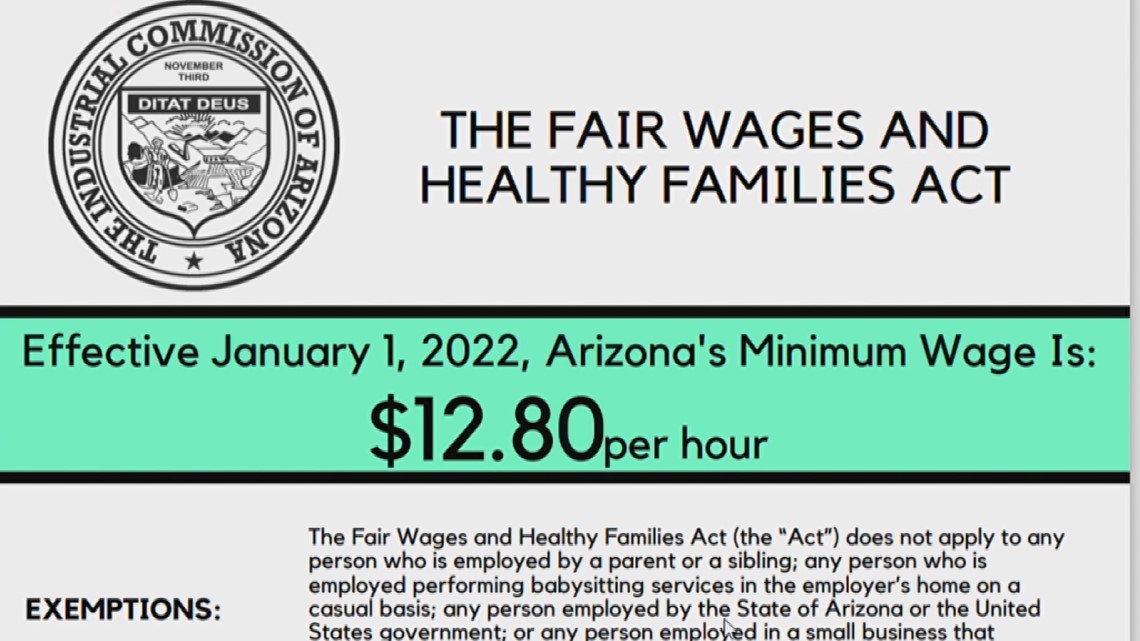
Stepping into the vast, sun-drenched landscapes of Arizona, travelers are often captivated by its majestic natural wonders, vibrant cities, and rich cultural tapestry. From the breathtaking panoramas of the Grand Canyon to the mystical allure of Sedona’s Red Rocks, and the bustling urban centers of Phoenix and Tucson, the Grand Canyon State promises an unforgettable experience. But beyond the iconic landmarks and luxurious resorts, there’s an underlying economic framework that subtly shapes every aspect of your visit, from the cost of your morning coffee to the price of your accommodation and the livelihoods of the dedicated individuals who make your travel dreams a reality. One key element of this framework is the minimum wage.
For curious travelers, budget-conscious adventurers, or those simply interested in the local economy, understanding Arizona’s minimum wage is more than just a matter of economic trivia. It offers insights into the cost of living for service professionals, influences the pricing of tourism-related services, and can even help you plan your itinerary and allocate your travel budget more effectively. This guide delves into the specifics of Arizona’s minimum wage, exploring its historical context, current rates, and its significant impact on the state’s thriving tourism and hospitality sectors. Whether you’re planning a lavish escape to a five-star resort in Scottsdale or a rugged backpacking adventure through Saguaro National Park, a grasp of this fundamental economic factor will enrich your understanding of the state and its vibrant communities.
The Foundation: Arizona’s Minimum Wage Landscape
Arizona has a progressive stance on its minimum wage, often setting it higher than the Federal Minimum Wage for the United States. This commitment stems from voter-approved initiatives aimed at ensuring a more livable wage for its residents. Understanding the current rate and its annual adjustments is crucial for both employers and employees, as well as for visitors gauging the local economic climate.
Evolution of a Livable Wage: From Federal Standard to State Mandate
For many years, like much of the United States, Arizona adhered closely to the federal minimum wage. However, recognizing the rising cost of living and the need for workers to earn a wage commensurate with their expenses, Arizona voters took action. In 2016, Proposition 206, also known as “The Fair Wages and Healthy Families Act,” was passed. This landmark legislation not only mandated a significant increase in the minimum wage but also established a framework for annual adjustments based on the cost of living.
Under Proposition 206, the minimum wage began a steady ascent, rising incrementally each year. Crucially, it also introduced a requirement for annual adjustments based on the Consumer Price Index for Phoenix-Mesa-Chandler, ensuring that the wage keeps pace with inflation. This indexing means that the minimum wage in Arizona does not remain stagnant but instead adapts to economic realities, offering a degree of predictability and stability for workers.

Current Rates and Tipped Employees
As of recent adjustments, Arizona’s minimum wage stands at a rate significantly higher than the federal standard. This rate applies to the vast majority of employees across the state, with some specific exceptions. For example, the city of Flagstaff has implemented its own municipal minimum wage, which often exceeds the statewide rate. This local initiative reflects a broader trend in high-cost-of-living areas seeking to provide even stronger support for their local workforce. When planning a trip to Flagstaff, it’s worth noting that the higher local wage might subtly influence the cost of certain services, though often to a negligible degree for travelers.
A distinct category exists for tipped employees. While the federal standard allows for a much lower direct wage for tipped workers, Arizona legislation mandates that employers must pay tipped employees a base wage that is a set amount lower than the standard minimum wage. However, if an employee’s tips combined with their direct wage do not meet or exceed the standard state minimum wage for all hours worked, the employer is legally obligated to make up the difference. This ensures that even those in tip-reliant positions ultimately earn at least the state’s minimum wage. This provision is particularly relevant for travelers dining out or utilizing services where tipping is customary, as it provides a safety net for service staff, potentially leading to more motivated and high-quality service. Knowing this, travelers can feel confident that even modest tips contribute to a fair overall wage for the dedicated individuals serving them.
The Economic Ripple: Impact on Arizona’s Tourism and Hospitality
The minimum wage isn’t just a number on a pay stub; it’s a vital economic lever that significantly influences the operational costs and overall landscape of Arizona’s robust tourism and hospitality industry. Given that millions flock to the state annually, supporting a vast network of hotels, restaurants, tour operators, and attractions, these wage policies have far-reaching effects on both businesses and the travel experience.
Hotels and Accommodation: Balancing Costs and Quality
From the luxurious suites of Scottsdale’s resorts to the quaint bed-and-breakfasts nestled in Sedona’s red rock country, and the budget-friendly motels lining the highways, the accommodation sector is a cornerstone of Arizona’s tourism. A higher minimum wage directly impacts the operational expenses for these establishments. Staff wages for housekeeping, front desk operations, maintenance, and other essential services form a substantial part of a hotel’s budget.
When the minimum wage increases, hotels may face pressure to adjust their pricing or seek efficiencies elsewhere. This could manifest in slightly higher room rates, particularly in popular tourist destinations like [Phoenix], [Scottsdale], or [Sedona], where demand is high. However, it also means that hotel staff are earning a more livable wage, which can lead to several positive outcomes: reduced employee turnover, higher morale, and a greater incentive for providing excellent customer service. For travelers, this often translates into a more pleasant stay, as they are served by experienced, content, and well-trained professionals who take pride in their work. The stability that a fair wage provides contributes to a better-managed and more hospitable environment, ultimately enhancing the guest experience.
Food and Beverage: Dining Experiences and Pricing
Arizona’s culinary scene is as diverse as its landscapes, offering everything from authentic Southwestern cuisine and upscale dining to casual cafes and vibrant food trucks. The minimum wage, especially its provisions for tipped employees, plays a crucial role here. Restaurants, bars, and cafes employ a large number of minimum wage workers, including cooks, dishwashers, bussers, and often servers and bartenders (with the understanding of tips making up the difference to the full minimum wage).
With higher labor costs, restaurants might adjust menu prices to maintain profitability. This means that dining out in Arizona might, on average, be slightly more expensive than in regions with lower minimum wages. However, the requirement for employers to ensure tipped workers reach the full minimum wage (when tips are factored in) fosters a more equitable environment for service staff. For diners, this can lead to an improved dining experience. Happier, more secure staff are generally more attentive, efficient, and friendly. Furthermore, understanding this system helps travelers gauge appropriate tipping practices, knowing that their tips supplement a fair baseline wage rather than being the sole source of income for many service professionals. Exploring local food culture, from a Tucson taco stand to a Verde Valley winery restaurant, becomes an even richer experience when one appreciates the economic backdrop.
Attractions and Activities: Guides, Support Staff, and Entrance Fees
The allure of Arizona extends to its myriad attractions and activities, from guided tours of the [Grand Canyon] and Antelope Canyon to cultural visits at the Heard Museum in [Phoenix] or exploring the Petrified Forest National Park. Tour operators, museum staff, park rangers, and activity providers also operate within the state’s minimum wage framework.
For businesses offering tours, adventure activities, or operating cultural institutions, the wage structure impacts their staffing costs. This can influence the pricing of guided excursions, entry fees to certain private attractions, or the availability of staff for customer service. A fair wage helps attract and retain knowledgeable and passionate individuals who can enhance a traveler’s experience, whether it’s a history guide at Montezuma Castle National Monument or a rafting guide on the Colorado River. Ultimately, the investment in a fairly compensated workforce often translates into higher quality experiences and services for visitors exploring the diverse offerings of Arizona.
Budgeting for Your Arizona Adventure: A Traveler’s Guide
Planning a trip to Arizona involves more than just picking destinations; it requires a thoughtful approach to budgeting. Understanding the state’s minimum wage can provide valuable insights into the potential costs of your trip, allowing you to make informed decisions and enjoy your journey without financial surprises.
Estimating Daily Expenses: Food, Services, and Tipping
When calculating your daily spending, factor in that dining out in Arizona might be slightly pricier than in states with lower labor costs. A casual meal at a mid-range restaurant in [Phoenix] or [Tucson] might cost anywhere from $15-$30 per person, excluding drinks and tip. Upscale dining, especially in areas like [Scottsdale]’s Old Town Scottsdale, will naturally be higher.
Regarding tipping, while servers and bartenders have a base wage, tips are still a crucial component of their income and a standard practice in the United States. A general guideline for good service is 15-20% for restaurant staff, 10-15% for taxi drivers, and a few dollars per night for hotel housekeeping. Knowing that these individuals are starting with a more robust minimum wage can sometimes influence individual tipping habits, but the cultural expectation of tipping for good service remains. Budget accordingly for these gratuities, as they contribute significantly to the livelihoods of service professionals.
For those on a tighter budget, consider exploring local grocery stores for snacks and picnic supplies, especially if you plan on hiking in a national park like [Grand Canyon] or visiting attractions like the Desert Botanical Garden. Many cities like Tempe or [Mesa] offer a wider array of affordable dining options away from the primary tourist strips.
Accommodation Choices: From Budget Stays to Luxury Retreats
The minimum wage can subtly impact accommodation prices, particularly for budget and mid-range options that operate with tighter margins. However, Arizona offers a spectrum of lodging to suit every budget and travel style.
- Budget-Friendly: If you’re looking for economical stays, consider motels on the outskirts of major cities or in smaller towns like Prescott or Yuma. Hostels are also available in some urban centers, offering a cost-effective option for solo travelers or groups. Camping in Arizona’s numerous state and national parks is another excellent way to save on accommodation while immersing yourself in nature.
- Mid-Range: Standard hotels in cities like Glendale or [Chandler] often provide good value, balancing comfort with reasonable pricing. Exploring vacation rentals (apartments or homes) can also be a cost-effective choice for families or longer stays.
- Luxury: Arizona is renowned for its world-class luxury resorts, particularly in [Scottsdale] and [Sedona]. While the minimum wage might be a factor in their operational costs, these establishments often leverage their unique amenities, services, and prime locations to justify premium pricing. Travelers seeking indulgent experiences will find no shortage of opulent options.
When booking accommodation, remember that prices fluctuate seasonally. Peak tourist seasons (winter for the desert regions, summer for [Flagstaff] and the high country) will see higher rates across all categories. Booking in advance and being flexible with your travel dates can lead to significant savings.
Activity Costs and Planning Ahead
Activities range from free hiking trails in the Sonoran Desert to expensive hot air balloon rides over [Sedona]. While basic entry fees for national parks are standardized, prices for guided tours, specialized experiences, or private attractions might reflect the state’s wage structure.
- Free and Low-Cost Activities: Take advantage of Arizona’s natural beauty. Hiking, scenic drives (e.g., along [Route 66] or through [Oak Creek Canyon]), and visiting free museums (check local listings) are excellent ways to explore without breaking the bank.
- Guided Tours and Experiences: For activities like [Grand Canyon] helicopter tours, whitewater rafting, or guided jeep tours in [Sedona], expect to pay a premium. These services often involve highly trained guides and specialized equipment, and the cost will incorporate not only the minimum wage for support staff but also the specialized skills and higher compensation for expert guides. Research and book these well in advance, especially during peak season, to ensure availability and potentially secure better rates.
- Culture and Entertainment: Attending sporting events, concerts, or theatre productions in [Phoenix] or [Tucson] will have varying ticket prices. Many cultural institutions, such as the [Heard Museum], offer specific free admission days or reduced rates, which can be a budget-friendly option.
By being aware of how the minimum wage influences prices, travelers can strategically plan their activities and allocate their budget, ensuring a fulfilling and financially manageable [Arizona] adventure.
The Lifestyle of Service Professionals in the Grand Canyon State
Beyond the economics, the minimum wage profoundly shapes the daily lives and lifestyles of the thousands of individuals who work in Arizona’s service industries. These are the hotel staff, restaurant servers, tour guides, and attraction workers who are the backbone of the state’s tourism sector. Their well-being directly impacts the quality of the visitor experience, and understanding their perspective adds another layer of appreciation to your travels.
Cost of Living vs. Minimum Wage: A Daily Balance
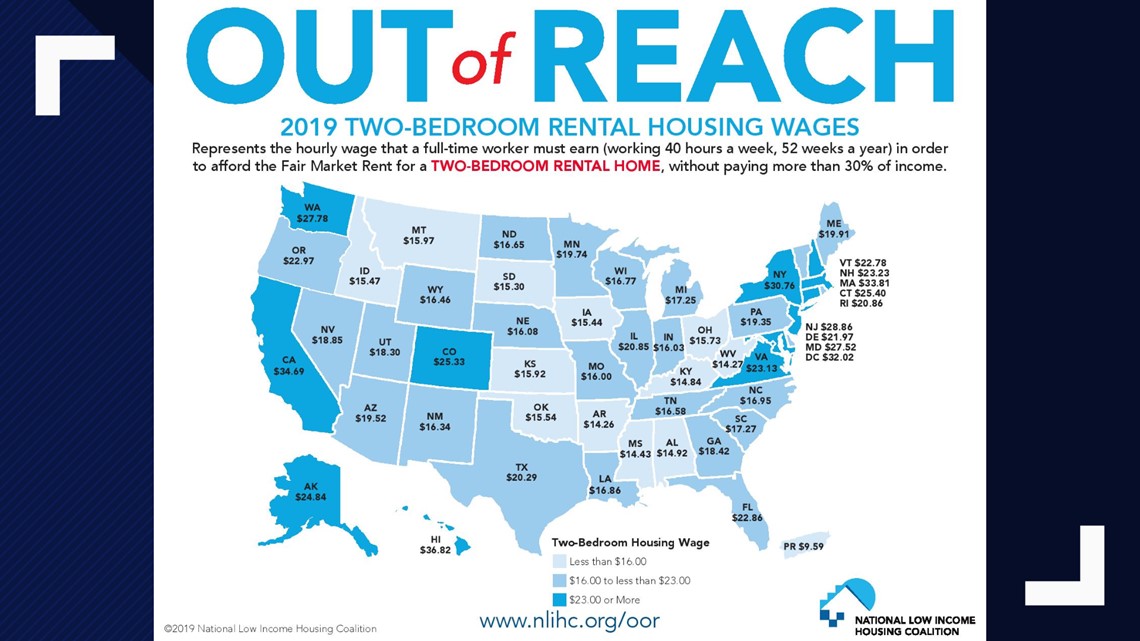
Despite Arizona’s comparatively higher minimum wage, the cost of living in popular urban and tourist centers can still present challenges for many service professionals. Cities like [Phoenix], [Scottsdale], [Sedona], and even university towns like [Flagstaff] can have housing, transportation, and grocery costs that stretch a minimum wage income. While the annual adjustments based on the [Consumer Price Index] help, many workers still face a delicate balance in making ends meet.
For example, a hotel housekeeper earning minimum wage in [Scottsdale] might commute a significant distance from more affordable neighborhoods to their workplace. A restaurant server in [Sedona], even with tips, might find housing costs prohibitive close to their job. This reality underscores the importance of the minimum wage as a foundational safety net, even if it doesn’t always translate into a luxurious lifestyle in high-demand areas. It means that the cheerful front desk clerk or the efficient barista is often navigating a complex personal economic landscape, making their dedication to service even more commendable.
Professionalism and Stability in the Tourism Sector
A higher, more stable minimum wage contributes to greater professionalism and reduced turnover within the tourism and hospitality industries. When employees feel fairly compensated, they are more likely to invest in their roles, receive better training, and stay with an employer longer. This stability is invaluable for businesses, as it reduces recruitment and training costs and allows for the development of experienced, skilled teams.
For travelers, this translates directly into a higher quality of service. You’re more likely to encounter knowledgeable tour guides, attentive hotel staff, and skilled restaurant workers who are invested in their careers. This creates a more welcoming and efficient environment, enriching every interaction you have during your visit. The consistent face you might see at your preferred local coffee shop in [Tucson], or the experienced guide leading your hike in Canyon de Chelly National Monument, is often a product of a work environment where fair compensation fosters loyalty and dedication.
Community Impact and Local Economy
The minimum wage doesn’t just impact individual workers; it has broader implications for Arizona’s local economies and communities. When more residents earn a living wage, they have greater purchasing power, which boosts local businesses and contributes to a more vibrant economy. This includes spending at local shops, supporting community events, and investing in their families.
A strong tourism sector, supported by fairly compensated workers, creates a virtuous cycle. Tourists are attracted by high-quality services and experiences, which generates revenue for businesses, which in turn allows for continued investment in employees and infrastructure. This sustainable model helps maintain the allure of destinations like Lake Havasu City, [Monument Valley], or Organ Pipe Cactus National Monument, ensuring they remain captivating for generations of travelers. Understanding the minimum wage in [Arizona] is thus not just about individual costs but about appreciating the broader societal and economic fabric that makes the state such a compelling destination.
Conclusion: Understanding Arizona’s Economic Heartbeat
Arizona is a land of unparalleled beauty and diverse experiences, beckoning travelers from across the globe. From the architectural marvels of Taliesin West to the engineering feat of the Hoover Dam, and the serene beauty of its national parks, every corner offers something unique. While the splendor of its landscapes often takes center stage, the economic undercurrents, particularly the state’s minimum wage, play a crucial, albeit often unseen, role in shaping your travel experience.
By setting a robust minimum wage that adjusts with the cost of living, Arizona strives to create a more equitable environment for its workforce. This policy has a direct influence on the tourism and hospitality sectors, affecting everything from the price of your hotel room and your dining bill to the quality of service you receive from dedicated professionals. For the informed traveler, understanding this economic backbone offers a deeper appreciation for the state, its people, and the hard work that goes into making every visit memorable.
Whether you’re exploring the bustling streets of [Phoenix], hiking the scenic trails around [Flagstaff], or unwinding at a luxury resort in [Scottsdale], knowing about the minimum wage empowers you to plan your budget more effectively, appreciate the value of the services you receive, and gain insight into the daily lives of the residents who call this magnificent state home. Your journey through [Arizona] is not just about discovering incredible destinations; it’s also an opportunity to connect with a thriving local economy and the resilient spirit of its communities.