
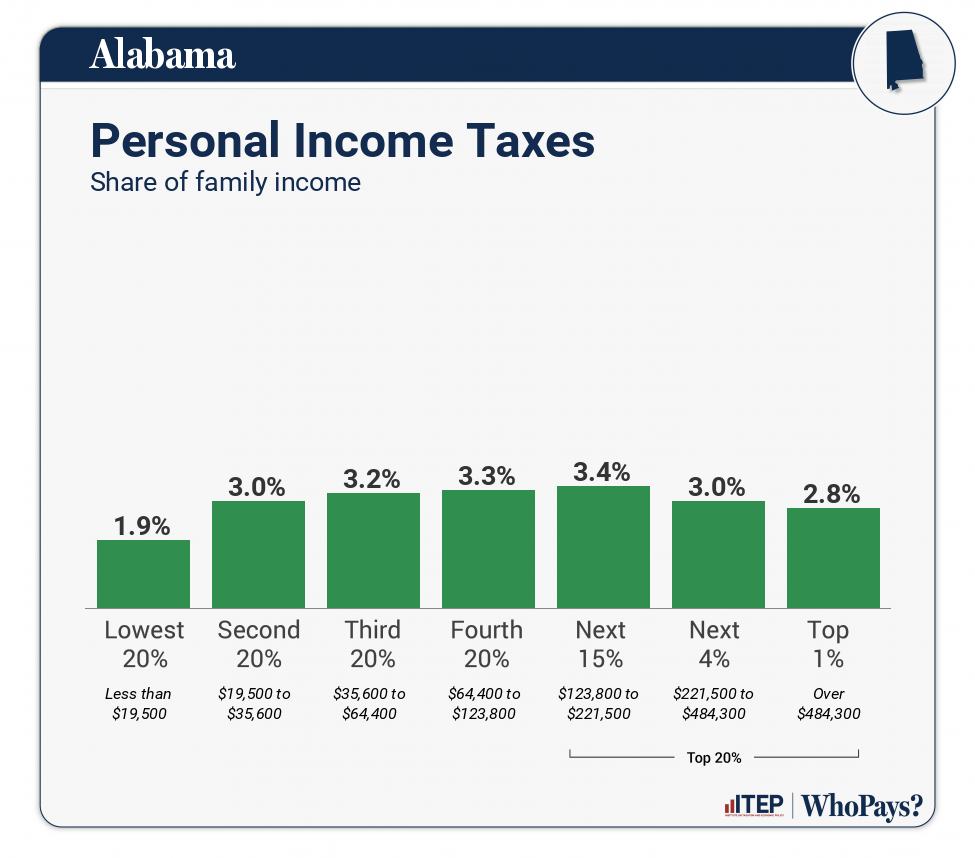
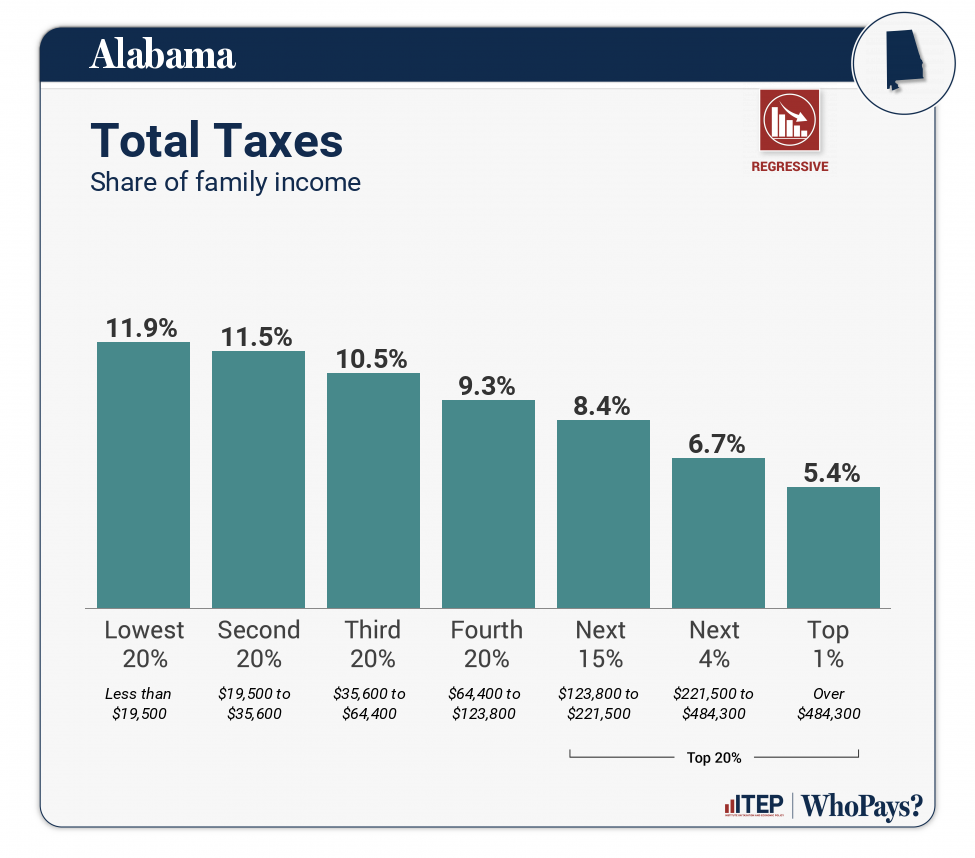
Navigating the tax landscape of any state can be a complex endeavor, especially when planning a trip or considering a longer stay. For potential visitors and those contemplating a relocation to the Heart of Dixie, understanding Alabama state tax is a crucial aspect of financial planning. This guide delves into the key components of Alabama’s tax structure, focusing on the elements most relevant to travelers and those interested in experiencing the state’s lifestyle and attractions. While income and property taxes are significant for residents, for the purpose of this exploration, we will primarily focus on sales and lodging taxes, which directly impact visitor spending and the cost of experiencing Alabama.
Understanding Alabama’s Sales Tax Structure
Alabama employs a unique sales tax system, characterized by a combination of state, county, and city rates. This tiered approach means that the total sales tax levied on goods and services can vary significantly depending on the specific location within the state. For travelers, this translates to differing costs for everything from souvenirs purchased in Birmingham to dining experiences in Mobile.
State Sales Tax
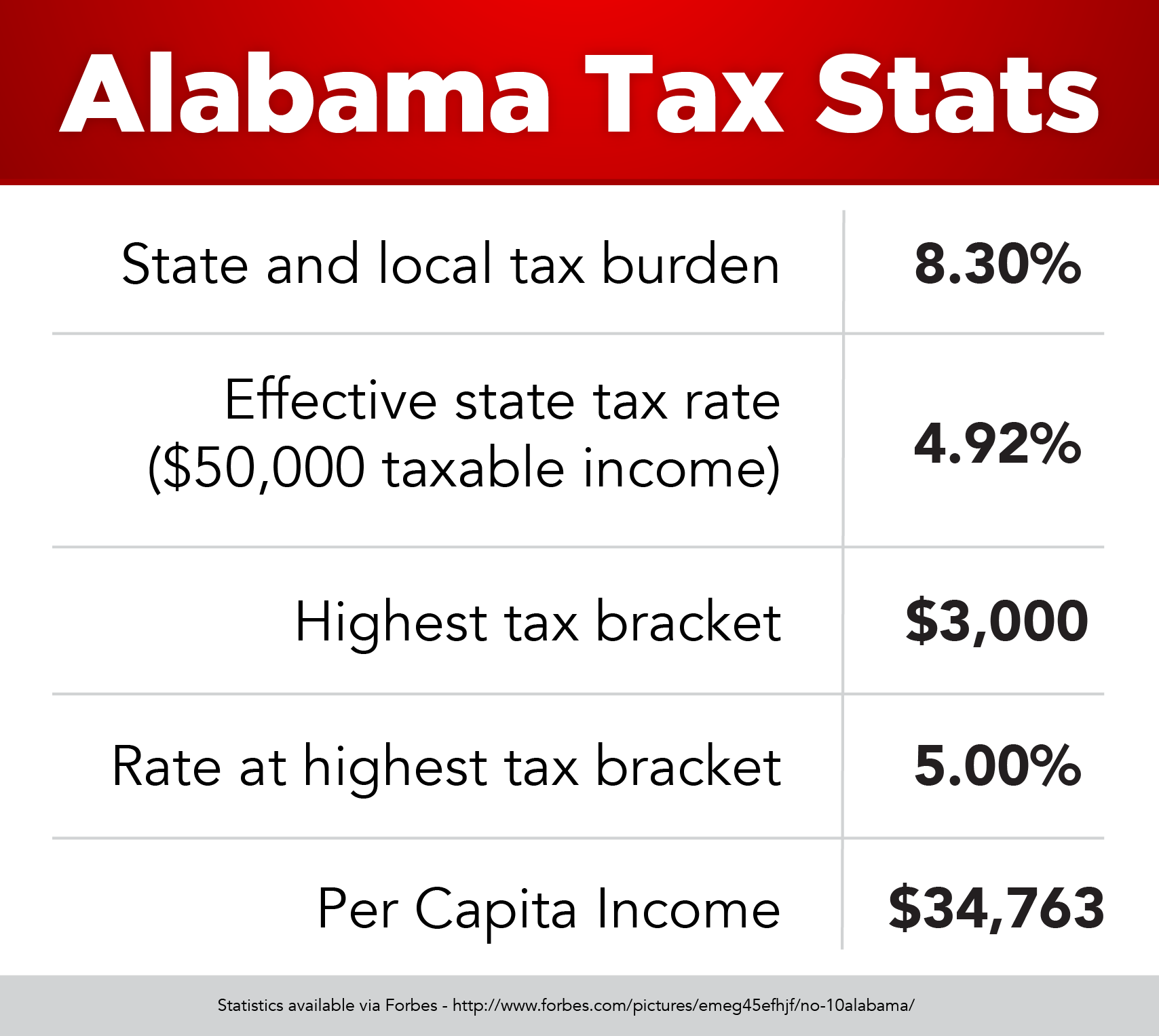
At the state level, Alabama levies a sales tax of 4%. This forms the base rate for most taxable transactions. This tax is applied to a wide range of tangible personal property and certain services. Understanding this base rate is essential for initial budgeting when considering purchases across the state.
Local Sales Tax Additions
Where the complexity truly emerges is with the addition of local taxes. Counties and municipalities in Alabama are authorized to levy their own sales taxes. These local taxes can range from a fraction of a percent to several percentage points, often pushing the combined state and local sales tax rate well above the 4% state figure.
For instance, a purchase made in downtown Montgomery might carry a different total sales tax than the same item bought in a neighboring town or a more rural county. This is a critical piece of information for tourists who might be comparing prices across different shopping districts or planning day trips to various attractions. The cumulative effect of these local taxes can influence decisions about where to dine, shop, or even which attractions to patronize if pricing is a significant factor.
Taxable Goods and Services
Generally, tangible personal property is subject to sales tax in Alabama. This includes items like clothing, electronics, furniture, and groceries (though some essential groceries may be exempt or taxed at a lower rate in certain jurisdictions). Services are also increasingly being taxed. Common examples include:
- Hotel stays: Directly relevant to accommodation and tourism.
- Admissions to amusement, athletic, and recreational facilities: Applicable to attractions and entertainment.
- Repair services: For tangible personal property.
- Certain utility services: Such as electricity and water.
It is important to note that taxability can be nuanced, and specific exemptions may apply. Consulting with local tax authorities or official Alabama Department of Revenue resources is advisable for definitive answers on specific items or services.
Sales Tax Exemptions for Tourists
While not a broad exemption, certain provisions might offer indirect benefits to tourists. For example, if a tourist purchases items that will be shipped directly out of state, these may be exempt from Alabama sales tax. However, this typically applies to larger purchases and requires proper documentation. For most day-to-day tourist spending, sales tax will apply.
Lodging Taxes: A Key Component of Travel Costs
For anyone planning to stay overnight in Alabama, lodging taxes are a significant consideration. These taxes are levied on hotel rooms, motels, and other forms of temporary accommodations. Like sales taxes, lodging taxes in Alabama are a layered imposition, comprising state, county, and municipal components.
State Lodging Tax
Alabama imposes a state lodging tax, which is typically a percentage of the room rate. This tax contributes to the general fund or is earmarked for specific state-level initiatives.
Local Lodging Taxes
Beyond the state tax, counties and cities have the authority to levy their own lodging taxes. These local taxes can vary widely, significantly impacting the total cost of a hotel stay. Tourist destinations, particularly those with popular attractions like the beaches of Gulf Shores or the historic sites in Tuscaloosa, often have higher combined lodging tax rates to fund local tourism promotion, infrastructure, and services.
Transient Occupancy Tax (TOT)
In many jurisdictions, lodging taxes are referred to as Transient Occupancy Tax (TOT). This tax is specifically applied to short-term stays by individuals who are not permanent residents. The rates can range from a few percent to over 10% when combined with state and county taxes.
For travelers booking accommodations at resorts like the Grand Hotel Golf Resort & Spa in Point Clear or a standard hotel in Huntsville, factoring in these lodging taxes is essential for accurate budget planning. A room that appears to be $150 per night could easily become $170 or more once all applicable taxes are added.
Special Tourism Taxes
Some popular tourist areas may also impose additional taxes specifically designated for tourism development and promotion. These are often added to hotel bills and are intended to support the marketing of the area, maintain attractions, and improve visitor amenities. These special taxes, when combined with general sales and lodging taxes, can further increase the overall cost of experiencing Alabama.
How These Taxes Impact Travel Planning
The layered nature of Alabama’s tax system has direct implications for how travelers plan their trips and manage their budgets.
Budgeting for Purchases
When shopping for souvenirs in Cheaha State Park or dining at a restaurant in Auburn, the final price will include state, county, and city sales taxes. This means that prices advertised may not reflect the final amount paid at the register. It is wise for travelers to add an estimated 8-10% (or even more in certain high-tax areas) to advertised prices to account for these combined sales taxes.
Accommodation Costs
As discussed, lodging taxes can significantly inflate the cost of hotel stays. A traveler looking at a $200 per night room at a hotel near the US Space & Rocket Center in Huntsville should anticipate an additional 10-15% or more in taxes, depending on the specific municipal and county levies. Always check the total estimated cost, including taxes, before booking.
Choosing Destinations and Activities
For budget-conscious travelers, understanding where sales and lodging taxes are highest and lowest can influence destination choices. While the allure of a particular attraction or a unique cultural experience might be the primary driver, the cumulative tax burden can tip the scales. Researching tax rates in different cities and counties can empower travelers to make more informed decisions about where to spend their money.
For example, if two charming towns offer similar experiences, but one has a significantly lower combined lodging tax rate, it might become the preferred choice for an extended stay. Similarly, if a particular shopping district has a lower sales tax, it might be more appealing for souvenir purchases.
Understanding Taxable Items
Being aware of which goods and services are taxed can also help in managing expenses. While most retail purchases are taxed, understanding potential exemptions (like shipping items out of state) or recognizing that certain services might have different tax treatments can lead to minor savings.
Resources for Accurate Tax Information
Given the complexity of Alabama’s tax system, relying on official sources is paramount for accurate information.
Alabama Department of Revenue
The Alabama Department of Revenue is the primary authority for tax regulations in the state. Their website provides detailed information on sales tax rates, taxable items, and exemptions. They often publish rate tables and guidelines that can be invaluable for both businesses and consumers.
Local Government Websites
For the most precise tax rates, including county and city sales and lodging taxes, it is often necessary to consult the websites of individual counties and municipalities. These local government sites typically list their current tax rates and provide information on specific ordinances.
Hotel and Tourism Websites
Many official tourism websites for cities and regions within Alabama will provide helpful information about local taxes, often integrated into their accommodation booking portals or visitor guides. While they may not always provide the granular detail of a tax authority website, they can offer a good overview for travelers.
By understanding the fundamentals of Alabama state tax, particularly sales and lodging taxes, travelers can better plan their budgets, make informed decisions, and fully enjoy the rich experiences and diverse attractions the state has to offer, from the historic streets of Selma to the natural beauty of the Cahaba River National Wildlife Refuge.
LifeOutOfTheBox is a participant in the Amazon Services LLC Associates Program, an affiliate advertising program designed to provide a means for sites to earn advertising fees by advertising and linking to Amazon.com. Amazon, the Amazon logo, AmazonSupply, and the AmazonSupply logo are trademarks of Amazon.com, Inc. or its affiliates. As an Amazon Associate we earn affiliate commissions from qualifying purchases.