
Navigating the financial landscape of any travel destination is crucial for effective budgeting and maximizing enjoyment. When planning a trip to the Grand Canyon State, understanding its sales tax structure is paramount. Arizona’s sales tax system is multifaceted, comprising state, county, and sometimes city and special district taxes. This guide will demystify these components, providing clarity for travelers and businesses alike, ensuring a well-informed exploration of Arizona.
Understanding Arizona’s State Sales Tax Rate
At its core, Arizona operates with a state-level sales tax that serves as the foundation for transactions within its borders. This rate is applied to the sale of tangible personal property and specific services. While often referred to as a single entity, the actual rate you encounter at the point of sale is a composite of various levies.
The Base State Rate
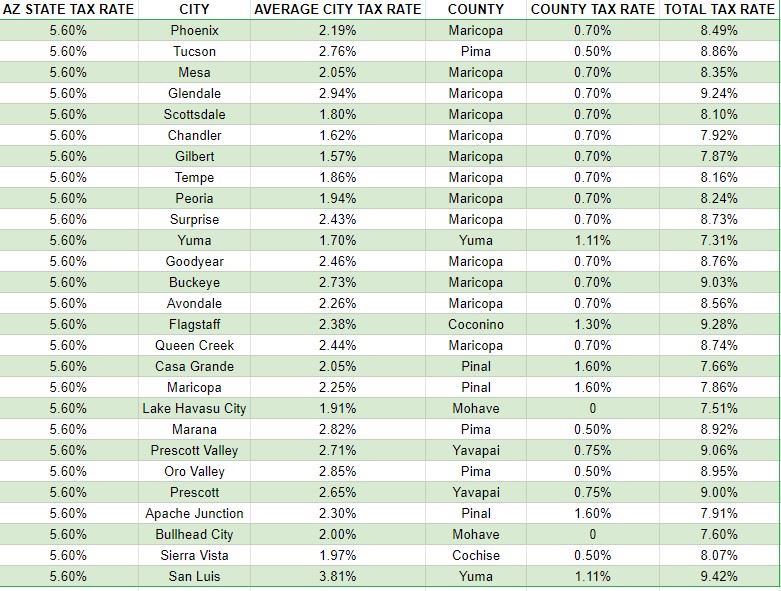
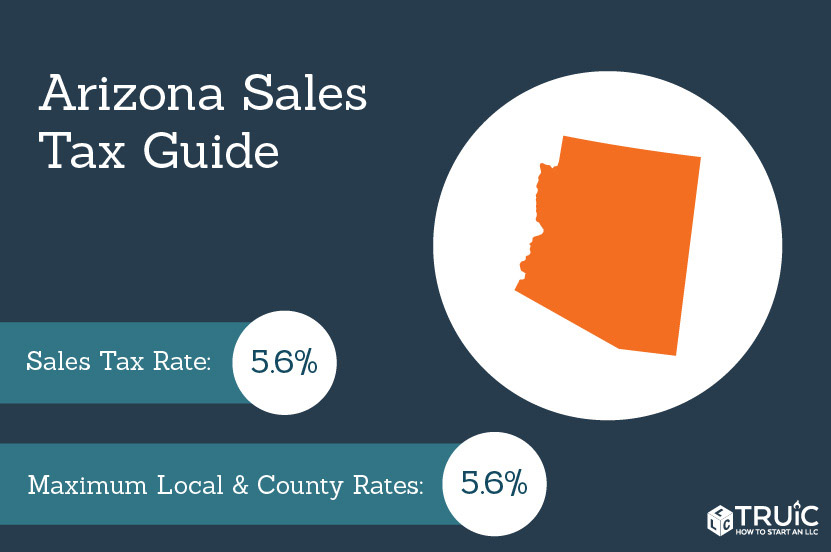
The primary state sales tax rate in Arizona is currently set at 5.6%. This is the rate that applies across the entire state, forming the bedrock of all sales tax calculations. This rate is applied to a broad range of retail sales, from souvenirs purchased in Flagstaff to groceries in Phoenix (though some food items are exempt).
Transaction Privilege Tax (TPT)
It’s important to note that Arizona refers to its sales tax as Transaction Privilege Tax (TPT). This terminology reflects the tax being levied on the privilege of conducting business in the state. While the concept is similar to sales tax in other states, understanding this distinction can prevent confusion when dealing with official documentation or business registrations. The TPT is paid by the seller to the state and then collected from the buyer.
County and Local Additions: The Variable Landscape
Beyond the base state rate, the total sales tax burden in Arizona can significantly increase due to county, city, and special district taxes. These additional taxes are not uniform and vary widely from one locality to another, making it essential to research the specific rates applicable to your destination.
County Transaction Privilege Tax
Most Arizona counties impose their own TPT. These county rates are added to the state rate, with common additions ranging from 0.5% to over 2%. For instance, a purchase made in Maricopa County, which includes Phoenix and Scottsdale, will have a different total tax rate than a purchase in Coconino County, home to the Grand Canyon National Park.
City and Special District Taxes
Further complicating the matter are city-specific TPT rates and those imposed by various special districts, such as transportation or public safety districts. These can add an additional percentage point or more to the overall tax. For example, cities like Tempe or Tucson may have their own unique TPT rates that are applied on top of the state and county levies. This patchwork of taxes means that a shopping trip in one town might result in a different tax bill than an identical purchase just a few miles away.
Researching Local Rates
To accurately ascertain the total TPT for a specific location, it is advisable to consult official resources. The Arizona Department of Revenue (AZDOR) website provides comprehensive tools and data for looking up these rates. Many businesses also display their applicable TPT rates prominently, especially in tourist-centric areas like Sedona or the various resorts around Lake Havasu City.
What is Taxable in Arizona?
Understanding what goods and services are subject to TPT is as important as knowing the rates. While tangible personal property is generally taxable, Arizona has a comprehensive list of exemptions and specific classifications for different types of transactions.
Tangible Personal Property
The sale, lease, or rental of tangible personal property is the most common category subject to TPT. This includes everything from clothing and electronics to furniture and vehicles. Retail sales of goods are typically taxed at the combined state, county, and local rates.
Business Classifications and Tax Rates
Arizona categorizes businesses into various “tax classes,” and the applicable TPT rate can differ based on the business activity. For instance:
- Retail Sales: This is the most common classification, covering the sale of tangible personal property to the public. The rate applied is the combined state, county, and local TPT.
- Contracting: For construction contractors, the tax treatment can be more complex, often depending on whether they are considered to be performing “prime contracting” or “non-prime contracting.” The tax is generally on the sale of materials to the contractor.
- Transportation Services: While some transportation services are taxable, others may be exempt.
- Utilities: The sale of electricity, gas, and water are generally subject to TPT, though rates can vary.
- Extraction, Manufacturing, and Wholesale: These activities may have different tax structures and rates compared to retail sales.
Common Exemptions
Several common exemptions exist to soften the tax burden on consumers and specific industries. These can include:
- Food for Home Consumption: Most staple groceries purchased for consumption off-premises are exempt from state and local TPT. However, prepared foods sold by restaurants or convenience stores are typically taxable.
- Prescription Drugs and Medical Devices: These essential items are generally exempt.
- Sales to the United States Government: Transactions with federal agencies are usually exempt from TPT.
- Certain Services: While many services are taxable, some, like certain professional or personal services, might be exempt depending on the specific classification.
Tourist-Specific Considerations
For travelers, understanding the tax on lodging is particularly important. Hotel stays, vacation rentals, and other forms of temporary lodging are subject to TPT. The rates for lodging are often higher than the standard retail rate and can include additional taxes related to tourism promotion or development, especially in popular destinations like Sedona or Scottsdale. When booking a stay at a resort like the Fairmont Scottsdale Princess or a boutique hotel in Jerome, factor in these lodging taxes.
Practical Implications for Travelers
For visitors to Arizona, the sales tax is an unavoidable component of most purchases. While it’s not typically a point of negotiation, being aware of the rates can help in budgeting for your trip.
Budgeting for Purchases
When planning your expenditures, whether for dining in Tucson, shopping for art in Sedona, or enjoying attractions near Monument Valley, mentally add a percentage for TPT to the advertised prices of goods and services. The combined rates can easily push the final cost several percentage points higher than the sticker price.
TPT on Accommodation
As mentioned, lodging taxes are a significant factor for travelers. A hotel room advertised at $200 per night in Phoenix could end up costing closer to $225-$235 once state, county, city, and potentially special district lodging taxes are applied. Always inquire about the total cost, including all applicable taxes, when booking accommodation. Popular destinations often have higher lodging taxes to fund local tourism infrastructure and marketing.
Impact on Souvenirs and Activities
The cost of souvenirs, recreational activities, and dining out will all be subject to the prevailing TPT rates at your specific location. For example, renting a kayak on Lake Powell or taking a guided tour through the Petrified Forest National Park will include these taxes in the final bill.
Resources for Accurate Information
Staying up-to-date with tax rates can be challenging, as they can change periodically due to legislative action or local ballot measures. Fortunately, there are reliable resources available to help.
Arizona Department of Revenue (AZDOR)
The official website of the Arizona Department of Revenue is the primary source for accurate TPT information. They provide:
- TPT Rate Lookup Tools: These allow you to enter a specific address or jurisdiction to find the current TPT rates, including state, county, and city components.
- Publications and Guides: The AZDOR publishes detailed guides on TPT, including exemptions, classifications, and filing requirements for businesses.
- Tax Rate Updates: Announcements and notifications regarding any changes to TPT rates are usually posted here.

Local Government Websites
For the most granular detail on city and special district taxes, it’s often beneficial to check the official websites of the specific cities or counties you plan to visit. These sites may provide direct links to their TPT ordinances or information pages.
By understanding the foundational state sales tax rate, the additional layers of county and local taxes, and the various classifications of taxable goods and services, travelers can approach their Arizona adventures with greater financial clarity. This knowledge empowers informed decision-making, ensuring that your journey through the diverse landscapes and vibrant cities of the Grand Canyon State is both memorable and financially well-managed.
LifeOutOfTheBox is a participant in the Amazon Services LLC Associates Program, an affiliate advertising program designed to provide a means for sites to earn advertising fees by advertising and linking to Amazon.com. Amazon, the Amazon logo, AmazonSupply, and the AmazonSupply logo are trademarks of Amazon.com, Inc. or its affiliates. As an Amazon Associate we earn affiliate commissions from qualifying purchases.