
When planning a road trip through the heart of the Deep South, specifically the vibrant state of Alabama, a seemingly minor detail might cross a traveler’s mind: the legality of driving barefoot. While the image of cruising down a scenic highway with the windows down and sand between your toes evokes a sense of freedom, the practicalities of road safety and legal statutes often demand attention. This article delves into the specific regulations, or lack thereof, surrounding barefoot driving in Alabama, offering clarity to those seeking to enjoy the diverse attractions the state has to offer, from the historic streets of Montgomery to the sun-drenched beaches of Gulf Shores.
Understanding Alabama’s Traffic Laws: A Focus on Footwear
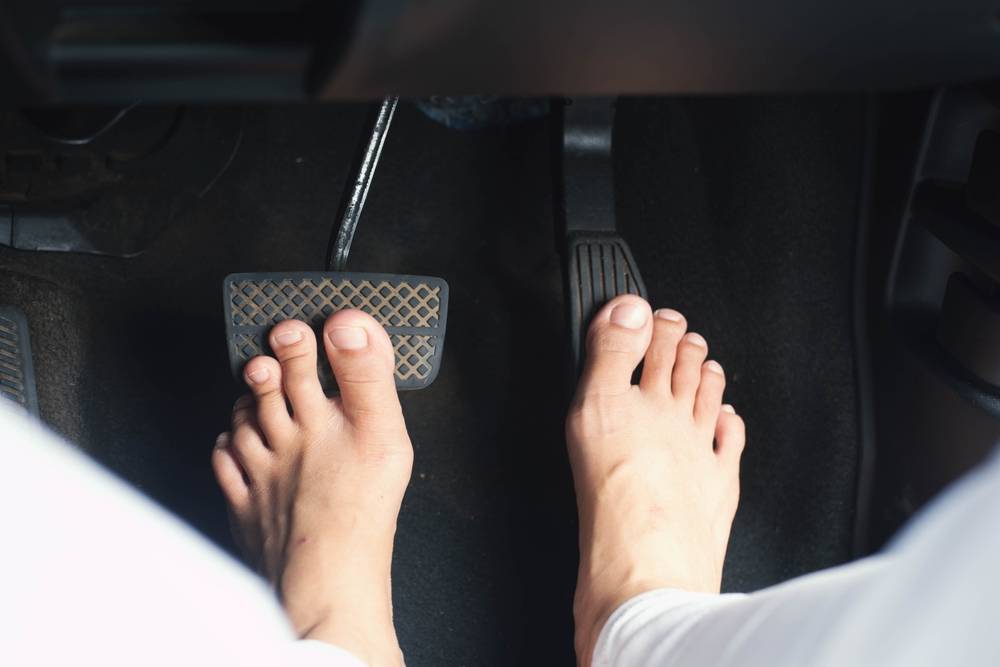
The question of whether driving barefoot is illegal in Alabama often stems from a general concern about vehicle operation and safety. Many states have specific laws that mandate the use of footwear while operating a motor vehicle, often citing concerns about the driver’s ability to adequately control the pedals. However, a thorough review of Alabama’s state statutes reveals a surprising absence of any explicit prohibition against driving barefoot.
The Absence of a Direct Statute
Alabama law, as codified, does not contain any specific language that criminalizes or penalizes driving a vehicle without shoes. This means that, in the eyes of Alabama law, there is no outright offense committed by a driver who chooses to operate their vehicle in a barefoot state. This legal vacuum is not uncommon across many jurisdictions in the United States, where the focus of traffic legislation tends to be on demonstrable impairment or dangerous driving practices rather than specific attire.
Indirect Regulations and Potential Pitfalls
While there isn’t a direct law against driving barefoot, this does not automatically grant a driver complete immunity from legal repercussions. Alabama’s traffic code, like that of most states, includes broader statutes related to reckless driving, negligent operation, and driving in a manner that endangers others. These overarching laws provide law enforcement officers with the discretion to cite drivers for unsafe behavior, regardless of the specific circumstances.
Operating a Vehicle in a Negligent Manner
If a driver’s choice to drive barefoot is deemed to contribute to their inability to safely operate the vehicle, they could potentially face charges under general negligence statutes. For instance, if a driver struggles to apply sufficient pressure to the brake pedal due to the absence of footwear, or if their bare foot slips off the pedal, leading to a dangerous situation, an officer could issue a citation for negligent driving. The key here is not the absence of shoes, but the resulting impairment of the driver’s ability to control the vehicle safely.
Reckless Driving Concerns
Similarly, in more extreme scenarios, if barefoot driving is demonstrably linked to reckless behavior that endangers the public, a driver could be charged with reckless driving. This offense is typically reserved for actions that show a willful or wanton disregard for the safety of others. While it’s unlikely that simply driving barefoot would escalate to this level, it’s a theoretical possibility if the circumstances surrounding the barefoot operation are exceptionally hazardous.
The Role of Law Enforcement Discretion
It is crucial to understand that the enforcement of traffic laws often involves an element of discretion exercised by law enforcement officers. While an officer might not be able to issue a ticket solely for being barefoot, they can certainly use it as a contributing factor if they observe other unsafe driving behaviors. The presence of the officer’s judgment plays a significant role in how such situations are handled on the ground. An officer observing a driver fumbling with the pedals or exhibiting other signs of impaired control might be more inclined to investigate further, and the barefoot condition could be noted as part of the overall assessment of the driver’s competency at that moment.
Safety Considerations Beyond Legality
Beyond the legal ramifications, it is prudent for any traveler to consider the safety implications of driving barefoot, especially when navigating unfamiliar roads or encountering varied driving conditions. While Alabama offers a plethora of driving experiences, from the urban sprawl of Birmingham to the winding country roads of its more rural areas, safety should always be paramount.
Pedal Control and Grip
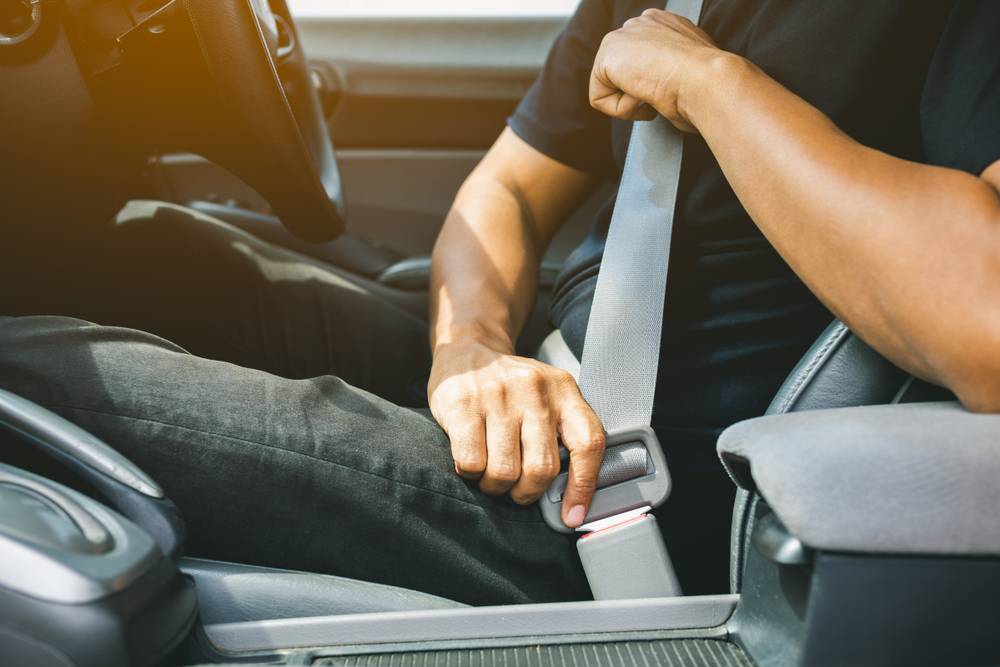
Footwear, even casual shoes, provides a consistent surface for applying pressure to the accelerator, brake, and clutch pedals. Bare feet, particularly in hot weather or when the interior of the car becomes humid, can lead to reduced grip. Sweat can make the pedals slippery, increasing the risk of a foot sliding off at a critical moment. This is especially concerning in emergency braking situations where precise and firm pedal application is vital.
Protection from Debris and Road Hazards
While driving, there’s always a possibility of encountering road debris, sharp objects, or even unexpected spills within the vehicle. Wearing shoes offers a layer of protection for your feet against such hazards, preventing injuries that could distract from driving or incapacitate a driver. While less likely to occur inside the car, the possibility of sharp objects being present on the floor mats, or even something as simple as a dropped glass, could pose a risk.
Temperature Fluctuations
The interior of a vehicle can experience significant temperature fluctuations, especially during the extreme heat of an Alabama summer. Driving barefoot on a scorching hot floor mat or pedal can lead to burns. Conversely, in cooler weather, the pedals can become uncomfortably cold, potentially affecting a driver’s concentration and comfort, which indirectly impacts their ability to drive safely.
Footwear and Driving Comfort
For some individuals, driving barefoot is a matter of personal comfort. However, it’s important to assess whether this comfort translates into safe driving performance. If the lack of footwear leads to discomfort, numbness, or any form of distraction, it’s advisable to opt for suitable footwear. Many lightweight and flexible shoes are available that provide excellent pedal feel without compromising safety or comfort.
Navigating Alabama’s Roadways: Best Practices for Travelers
As travelers explore the diverse landscapes and attractions of Alabama, from the historic Civil Rights Trail to the natural beauty of Cheaha State Park, adhering to safe driving practices ensures a smooth and enjoyable journey. Understanding the legal nuances of driving barefoot is just one piece of the puzzle.
Prioritize Safety Over Perceived Freedom
While the idea of driving barefoot might seem liberating, it’s essential to weigh this against potential safety risks. For the vast majority of drivers, wearing appropriate footwear is a simple yet effective way to enhance control and minimize the risk of accidents. This is particularly true when embarking on longer journeys or navigating challenging terrains.
Be Aware of General Traffic Safety Regulations
Remember that Alabama law, like all state laws, is designed to promote public safety. Always adhere to speed limits, traffic signals, and general rules of the road. Being a courteous and responsible driver is far more important than the presence or absence of shoes.
Consider Vehicle Interiors and Conditions
When planning to drive barefoot, consider the specific conditions within your vehicle. Is the car well-ventilated? Are the floor mats clean and free of debris? Are there any potential hazards on the floor? Being mindful of these factors can help mitigate some of the risks associated with barefoot driving.

Consult Local Law Enforcement if Unsure
While this article provides information based on current understanding of Alabama law, traffic regulations can be subject to interpretation and change. If you have specific concerns about driving practices, it is always best to consult with local law enforcement agencies or the Alabama Law Enforcement Agency for definitive guidance.
In conclusion, while there is no explicit law in Alabama that prohibits driving barefoot, it is a practice that should be approached with caution. The potential for impaired pedal control and reduced safety makes it a choice that many responsible drivers will forego in favor of sensible footwear. Ensuring a safe and enjoyable road trip through the beautiful state of Alabama means prioritizing safe driving habits above all else. Whether you are visiting the USS Alabama Battleship Memorial Park in Mobile or exploring the arts scene in Huntsville, the freedom of the open road is best enjoyed when safety is the primary concern.
LifeOutOfTheBox is a participant in the Amazon Services LLC Associates Program, an affiliate advertising program designed to provide a means for sites to earn advertising fees by advertising and linking to Amazon.com. Amazon, the Amazon logo, AmazonSupply, and the AmazonSupply logo are trademarks of Amazon.com, Inc. or its affiliates. As an Amazon Associate we earn affiliate commissions from qualifying purchases.