
Navigating the process of obtaining official immunization records, often referred to as shot records, in Texas is a crucial step for various life events. Whether you’re enrolling children in school, applying for certain jobs, seeking medical care, or planning international travel, having readily accessible and accurate immunization history is essential. This guide delves into the primary methods and considerations for Texans to acquire their vaccination documentation, ensuring you can meet any requirement efficiently.
Understanding the Importance of Your Shot Record
Your shot record, officially known as an immunization record, is a vital document that lists all the vaccines you have received throughout your life. It serves as official proof of your immunity against various preventable diseases. In Texas, these records are particularly important for:
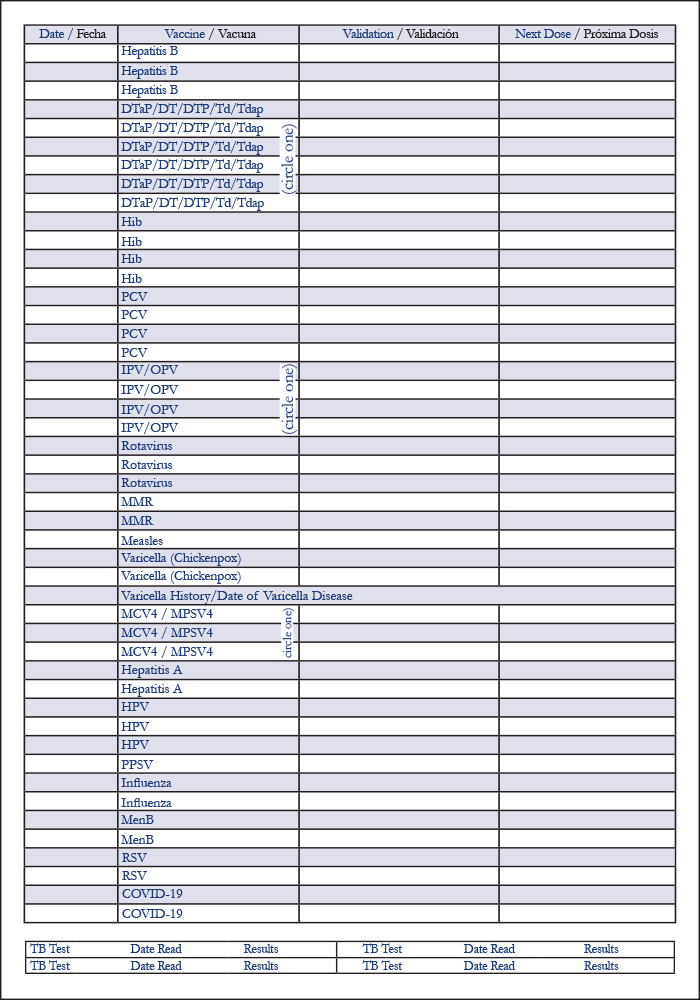
- School Enrollment: State law mandates that children entering public or private schools, or licensed childcare facilities, must provide proof of up-to-date immunizations or a valid medical exemption. This includes vaccinations against diseases like measles, mumps, rubella, polio, and tetanus.
- Higher Education: Colleges and universities in Texas often require students to submit immunization records, especially for those living on campus or participating in certain programs.
- Employment: Some occupations, particularly those in healthcare settings or involving close contact with vulnerable populations, may require proof of specific immunizations, such as Hepatitis B or the flu vaccine.
- International Travel: Many countries require travelers to present proof of vaccination against certain diseases before entry. This is especially true for travel to regions where diseases like yellow fever or typhoid are prevalent.
- Medical Continuity: Having your shot record readily available allows healthcare providers to make informed decisions about your ongoing vaccination needs and ensures continuity of care.
Accurate and up-to-date immunization records are a cornerstone of public health and individual well-being, protecting not only yourself but also the community at large.
Primary Sources for Obtaining Your Shot Record in Texas
Texas has established systems to help residents access their immunization history. The most common and reliable methods involve consulting your healthcare providers and utilizing the state’s immunization registry.
Consulting Your Healthcare Providers
The most straightforward way to obtain an immunization record is to contact the healthcare providers who administered the vaccines. This can include:
- Your Primary Care Physician (PCP): Your doctor’s office typically maintains detailed medical records, including a history of all vaccinations given by their practice. If you have been with the same physician for a long time, this is likely the most comprehensive source.
- Requesting Records: When you contact your doctor’s office, inform them that you need a copy of your immunization record. They may have a specific form to fill out or a procedure for record requests. Be prepared to provide your full name, date of birth, and possibly other identifying information.
- Format of Records: Records can usually be provided in paper or electronic format, often as a printout of your medical chart. It’s advisable to request multiple copies if you anticipate needing them for different purposes.
- Pediatricians: For parents seeking their children’s records, the pediatrician’s office is the primary point of contact. This is especially true for records from birth through adolescence, which are critical for school enrollment.
- Specialty Clinics and Hospitals: If you received vaccines at a specialty clinic (e.g., an allergy clinic, a travel medicine clinic) or during a hospital stay, you will need to contact those specific facilities. They will have their own procedures for releasing patient information.
- Pharmacies: Many pharmacies now offer a wide range of vaccinations. If you received immunizations at a retail pharmacy chain like CVS Pharmacy or Walgreens, you can contact the specific pharmacy location. They often have a system for tracking administered vaccines, though their records might be less comprehensive for older vaccinations compared to a physician’s office.
Important Considerations:
- Accuracy: While healthcare providers strive for accuracy, it’s always a good practice to review your record for completeness and correctness once you receive it.
- Timeframe: Allow sufficient time for record requests, as offices may have a backlog or specific processing times.
- Fees: Some providers may charge a nominal fee for copying and providing records.
Utilizing the Texas Immunization Registry (IMMTRAC)
The Texas Department of State Health Services (DSHS) manages the Texas Immunization Registry, known as IMMTRAC. This statewide system is a secure, confidential, and comprehensive database that collects immunization information from healthcare providers across the state.
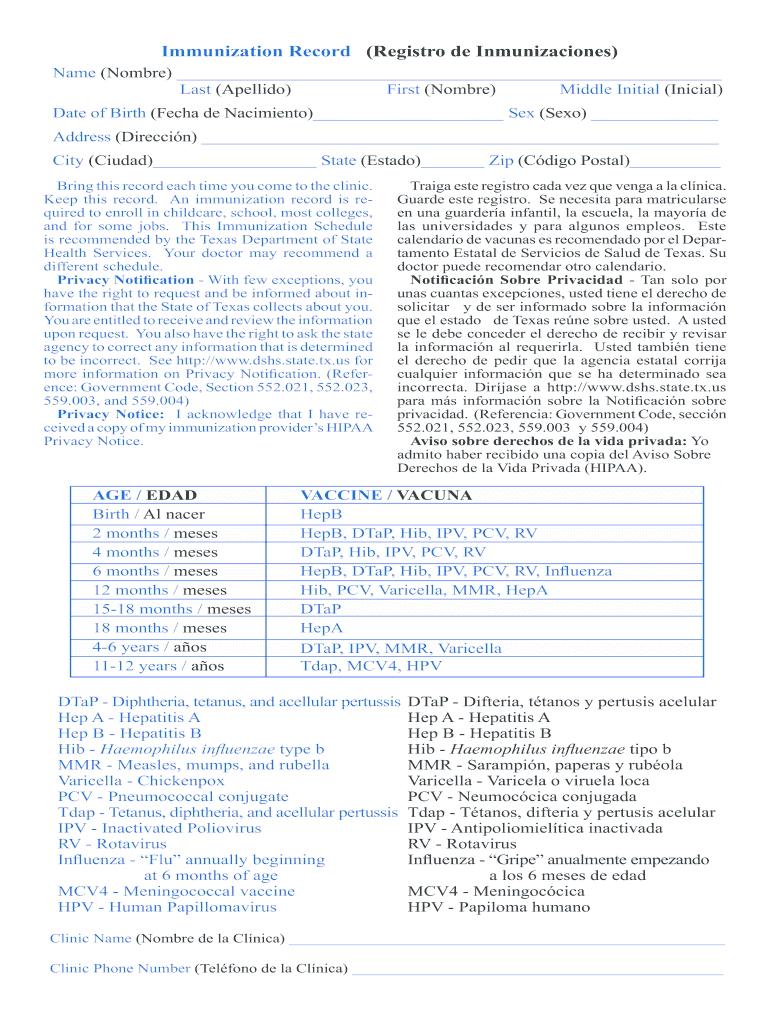
- How IMMTRAC Works: Healthcare providers in Texas are encouraged, and in some cases required, to report vaccinations administered to their patients into IMMTRAC. This creates a centralized record that can be accessed by authorized individuals.
- Accessing IMMTRAC Records:
- Online Access for Individuals: Texans aged 18 and older can request their own immunization records directly from IMMTRAC online. You will need to create an account and verify your identity. The system allows you to download a copy of your official immunization record. This is often the fastest and most convenient method for adults to retrieve their comprehensive vaccination history.
- Access for Parents/Guardians: Parents or legal guardians can request the immunization records for their children under 18 through IMMTRAC. This also requires identity verification and proof of guardianship.
- Access for Healthcare Providers: Authorized healthcare providers can access IMMTRAC to view patient immunization histories, aiding in treatment decisions and ensuring proper vaccination schedules are followed.
- What Information is in IMMTRAC: The registry typically includes details such as the vaccine name, date administered, the provider who administered it, and the patient’s demographic information.
- Limitations of IMMTRAC:
- Provider Reporting: The completeness of your record in IMMTRAC depends on whether all the healthcare providers who have vaccinated you have reported that information to the registry. Vaccinations received outside of Texas may not be included.
- Data Lag: There can be a slight delay between a vaccine being administered and it appearing in the registry.
- Data Entry Errors: As with any large database, there is a possibility of data entry errors.
To access your records through IMMTRAC, you can visit the official Texas Department of State Health Services website and navigate to the IMMTRAC section.
Alternative and Additional Avenues
While healthcare providers and IMMTRAC are the primary sources, other avenues may be relevant depending on your specific situation or the age of the records you seek.
Local Health Departments
Local health departments across Texas can also be a valuable resource. These departments often provide public health services, including immunizations, and may maintain their own records.
- Services Offered: Many local health departments offer low-cost or free vaccination clinics for children and adults. If you received immunizations through such a program, they will have records on file.
- Record Requests: Contact your local county or city health department to inquire about their procedures for obtaining immunization records. The process may vary slightly from one department to another.
- Community Clinics and Federally Qualified Health Centers (FQHCs): These facilities, which often serve underserved populations, also maintain patient records and can provide immunization history upon request.
Military and Federal Records
If you have served in the military, your immunization records are part of your official military personnel file.
- Department of Defense (DoD) Forms: The Department of Defense uses specific forms, such as the DD Form 3947, to document immunizations.
- Requesting Military Records: To obtain these records, you will typically need to submit a request through the National Archives and Records Administration (NARA) or the specific branch of service. Be prepared to provide extensive personal information to verify your identity.
School or University Records
If you are seeking immunization records for a child who has attended Texas schools, the school nurse’s office or the administrative office might have copies of the records submitted during enrollment. However, it’s important to note that schools are not required to maintain these records indefinitely after a student leaves. They typically forward official records to the student’s new school or the IMMTRAC system when appropriate.

Tips for a Smooth Record Acquisition Process
To ensure you can obtain your shot record in Texas without unnecessary delays or complications, consider the following tips:
- Gather Information: Before contacting any provider or registry, have your full legal name, date of birth, and any previous names you may have used readily available. For children’s records, having their Social Security number can also be helpful.
- Be Specific: Clearly state that you are requesting an official immunization record. If you need it for a specific purpose (e.g., school enrollment, travel), mention this, as some formats may be more appropriate than others.
- Keep Your Own Records: It’s always a good practice to keep a personal copy of your and your family’s immunization records in a safe and accessible place. This can be a physical folder or a secure digital archive.
- Understand Data Privacy: Be aware that immunization records are considered protected health information (PHI). Healthcare providers and registries are bound by privacy regulations, such as HIPAA, to protect this data. You will need to provide proof of identity to access your records.
- Follow Up: If you don’t receive a response within the expected timeframe, follow up with the provider or registry. Persistence is key when dealing with bureaucratic processes.
- Digitalize Records: Once you obtain your records, consider scanning or taking clear photos of them and storing them digitally in a secure cloud service or on an encrypted hard drive. This creates a backup and makes them easily accessible.
By understanding the available resources and following these practical tips, Texas residents can efficiently obtain the immunization records they need for a variety of essential purposes. This proactive approach ensures you are prepared for school, work, travel, and ongoing health management.
LifeOutOfTheBox is a participant in the Amazon Services LLC Associates Program, an affiliate advertising program designed to provide a means for sites to earn advertising fees by advertising and linking to Amazon.com. Amazon, the Amazon logo, AmazonSupply, and the AmazonSupply logo are trademarks of Amazon.com, Inc. or its affiliates. As an Amazon Associate we earn affiliate commissions from qualifying purchases.