
Unveiling the Cinematic Tapestry of Montgomery
Montgomery, Alabama, a city steeped in history and resonant with the echoes of the Civil Rights Movement, has also played a significant role in the landscape of Black cinema. While the title “What Black Movie Happened In Montgomery, Alabama?” might evoke a singular event, the reality is far more nuanced and expansive. The city’s historical significance, its cultural resonance, and the ongoing contributions of its residents have made it a compelling backdrop and subject for numerous films that explore the Black experience in America. From documentaries shedding light on pivotal moments to narrative features that capture the spirit of the South, Montgomery has served as both a physical and thematic anchor for stories that matter. This exploration delves into the cinematic narratives that have unfolded within and around this historic Southern capital, highlighting how its landmarks, its people, and its profound historical legacy have been immortalized on screen.

Echoes of History: Films Rooted in Montgomery’s Civil Rights Legacy
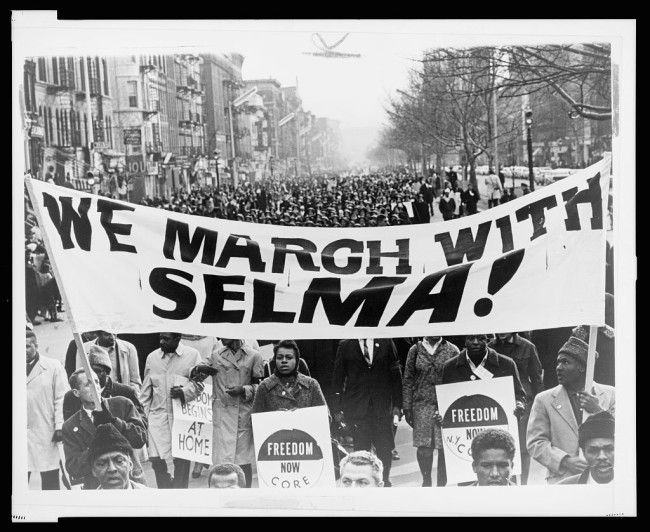
The most prominent and impactful cinematic contributions connected to Montgomery, Alabama invariably revolve around its central role in the Civil Rights Movement. This period of American history, marked by courage, resilience, and profound social change, has been the subject of numerous documentaries and dramatic retellings that either filmed in the city or drew heavily from its events and iconic figures. The Montgomery Bus Boycott, a watershed moment in the struggle for racial equality, catalyzed by the arrest of Rosa Parks, has been extensively documented and dramatized. Films such as “Selma” (2014), while primarily filmed in Georgia, meticulously recreated the atmosphere and the key events that originated in Montgomery. The marches from Selma to Montgomery were a direct continuation of the activism that began in Montgomery, making the city an unavoidable focal point.
Documenting the Struggle: Non-Fiction Narratives
Documentaries have been instrumental in preserving and disseminating the history of the Civil Rights Movement as it unfolded in Montgomery. Films like “Eyes on the Prize,” the seminal PBS series, dedicate significant segments to the events in Montgomery, utilizing archival footage and interviews with those who lived through it. These documentaries often capture the spirit of defiance and the collective action that characterized the era, featuring iconic locations such as the Dexter Avenue King Memorial Baptist Church, where Dr. Martin Luther King Jr. served as pastor and a pivotal leader of the boycott. The powerful imagery and firsthand accounts presented in these films serve as a vital educational resource, bringing the struggles and triumphs of the Civil Rights era to life for contemporary audiences. The ongoing preservation efforts within Montgomery ensure that these historical narratives continue to be accessible and impactful.
Dramatic Retellings: Fictionalizing History
Beyond documentaries, narrative films have also sought to capture the essence of Montgomery during this transformative period. While direct filming within the city for major productions has sometimes been logistically challenging due to preservation efforts and the desire to avoid disrupting the historic sites, the spirit and stories of Montgomery have permeated cinematic narratives. These films often focus on the personal journeys of individuals caught within the larger historical currents, illustrating the courage and sacrifice required to challenge systemic injustice. The dialogue, the fashion, and the social dynamics depicted in these fictionalized accounts are deeply informed by the historical reality of Montgomery and its significance.
Beyond the Civil Rights Era: Contemporary Cinematic Explorations
While the Civil Rights Movement remains a dominant theme, the cinematic gaze has also turned towards contemporary Montgomery, exploring its evolving identity and the enduring narratives of its Black community. These films might not always be set against the backdrop of major historical events but delve into the everyday lives, challenges, and triumphs of its residents. The city’s unique Southern charm, its blend of historical preservation and modern development, provides a rich setting for stories that resonate with themes of family, community, faith, and aspiration.
Local Stories, Universal Themes
Occasionally, independent films or local productions may choose Montgomery as a filming location for stories that are not explicitly tied to its most famous historical period. These productions can offer a more intimate and nuanced portrayal of life in the city, showcasing its neighborhoods, its cultural institutions, and the relationships that define its community. Such projects, even if they don’t achieve widespread national recognition, contribute to the broader cinematic representation of Black life in the South, providing a platform for local talent and perspectives. The authentic settings lend a verisimilitude that is invaluable for storytelling.
The Cultural Landscape as a Muse
Montgomery’s vibrant cultural landscape, including its music scene, its culinary traditions, and its artistic expressions, can also serve as inspiration for filmmakers. While specific films might not be overtly about these elements, they can be woven into the fabric of a narrative, adding depth and authenticity. The spirit of Montgomery, with its deep roots and its forward-looking aspirations, offers a compelling canvas for stories that explore the multifaceted nature of Black identity and experience in the 21st century.
Filming in Montgomery: The Practicalities and Preservation
When films do choose to shoot in Montgomery, Alabama, the decision often stems from a desire for authenticity and a respect for the city’s profound historical significance. However, this also comes with a unique set of considerations, particularly regarding the preservation of its historic sites.
The Role of Historic Sites
Landmarks such as the Rosa Parks Museum, the Civil Rights Memorial Center, and the aforementioned Dexter Avenue King Memorial Baptist Church are not merely backdrops but active participants in the narrative of Montgomery. Filming at these locations requires careful coordination to ensure that the integrity of these sacred spaces is maintained. This often involves working closely with local historical societies and preservation groups to minimize any impact. The presence of these sites can lend an unparalleled gravitas to a film, grounding its story in a tangible historical reality.
Production Challenges and Opportunities
The economic impact of film production on a city like Montgomery can be significant, providing jobs and stimulating local businesses. However, the unique historical context also presents challenges. Filmmakers must navigate the complexities of shooting in a living historical environment. This might involve using specific lighting techniques to avoid damage to historic structures, carefully managing traffic, and ensuring that the portrayal of the city is respectful and accurate. Despite these challenges, the opportunity to capture the essence of a city that has played such a crucial role in American history is often a compelling draw for filmmakers seeking to tell meaningful stories about the Black experience. The city’s unique atmosphere and its deeply ingrained history offer an unparalleled authenticity that is difficult to replicate elsewhere.

Montgomery’s Enduring Cinematic Legacy
The question “What Black movie happened in Montgomery, Alabama?” is less about pinpointing a single production and more about recognizing the city’s continuous presence in the cinematic narrative of Black America. Montgomery is not just a filming location; it is a character in its own right, a place where history was made and continues to be remembered. Its influence on cinema, particularly in its depiction of the Civil Rights Movement and its ongoing contributions to the tapestry of Black culture, ensures its enduring legacy on screen. As new stories emerge and filmmakers continue to explore the complexities of the American experience, Montgomery will undoubtedly remain a significant source of inspiration and a powerful reminder of the narratives that have shaped and continue to shape the nation.
LifeOutOfTheBox is a participant in the Amazon Services LLC Associates Program, an affiliate advertising program designed to provide a means for sites to earn advertising fees by advertising and linking to Amazon.com. Amazon, the Amazon logo, AmazonSupply, and the AmazonSupply logo are trademarks of Amazon.com, Inc. or its affiliates. As an Amazon Associate we earn affiliate commissions from qualifying purchases.