
The question “Does California grow avocados?” elicits a resounding “Yes!” from anyone familiar with the Golden State’s agricultural prowess. Not only does California grow avocados, but it is the undisputed leader in United States avocado production, contributing the vast majority of the nation’s crop. For the discerning traveler, this fact opens a verdant world of unique tourism opportunities centered around local culture, food, and engaging activities. Exploring California’s avocado industry is not merely about appreciating a fruit; it’s about immersing oneself in a significant facet of the state’s agricultural heritage, understanding its economic impact, and, of course, savoring the freshest, creamiest avocados imaginable. From sprawling groves basking in the sun to vibrant local festivals and innovative culinary applications, the avocado scene offers a rich tapestry of experiences for tourists eager to delve deeper into California’s distinctive local charm.
The Golden State’s Green Gold: An Avocado Overview
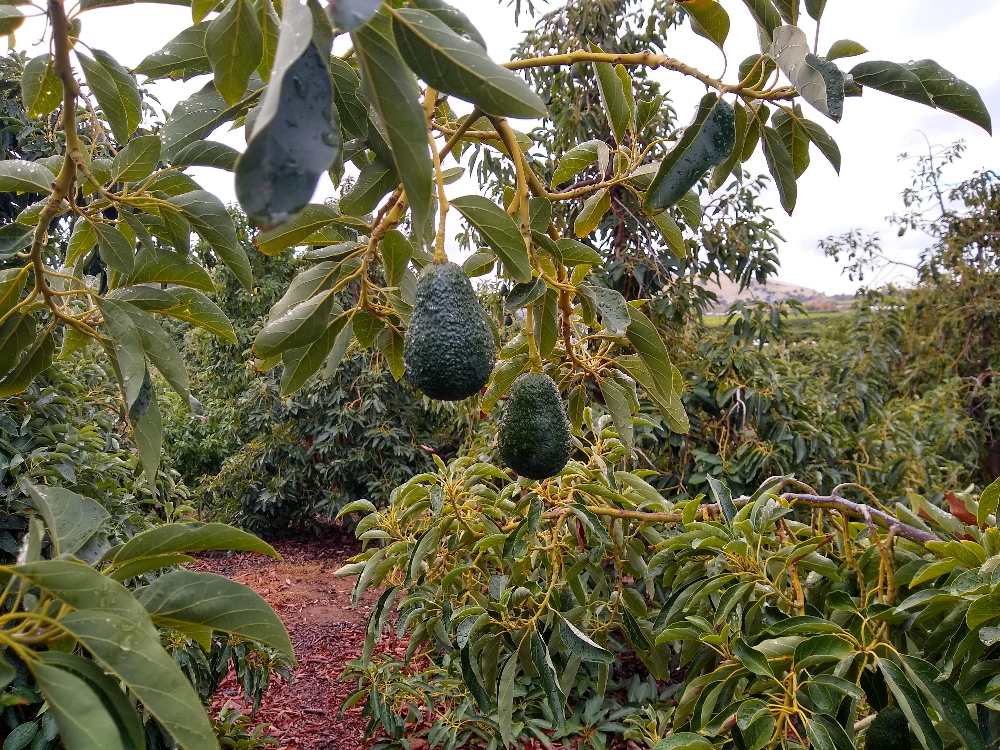
California’s affinity for the avocado dates back to the late 19th century, with the first trees planted in the 1870s. However, it was the early 20th century that truly saw the commercialization and expansion of avocado cultivation, transforming a niche crop into a household staple. The state’s Mediterranean climate, characterized by warm, dry summers and mild, wet winters, provides ideal conditions for avocado trees to thrive. Coupled with well-drained soils and coastal influences, these factors create a perfect environment, particularly in Southern California.
The primary avocado-growing regions are predominantly located in Southern California’s coastal and near-coastal counties. San Diego County is historically the largest producer, often hailed as the “Avocado Capital of the World,” boasting vast acreages of avocado groves that cascade down hillsides towards the Pacific. Other significant regions include Ventura County, Riverside County, and Santa Barbara County. These areas not only produce the fruit but also host many of the agritourism experiences that draw visitors.
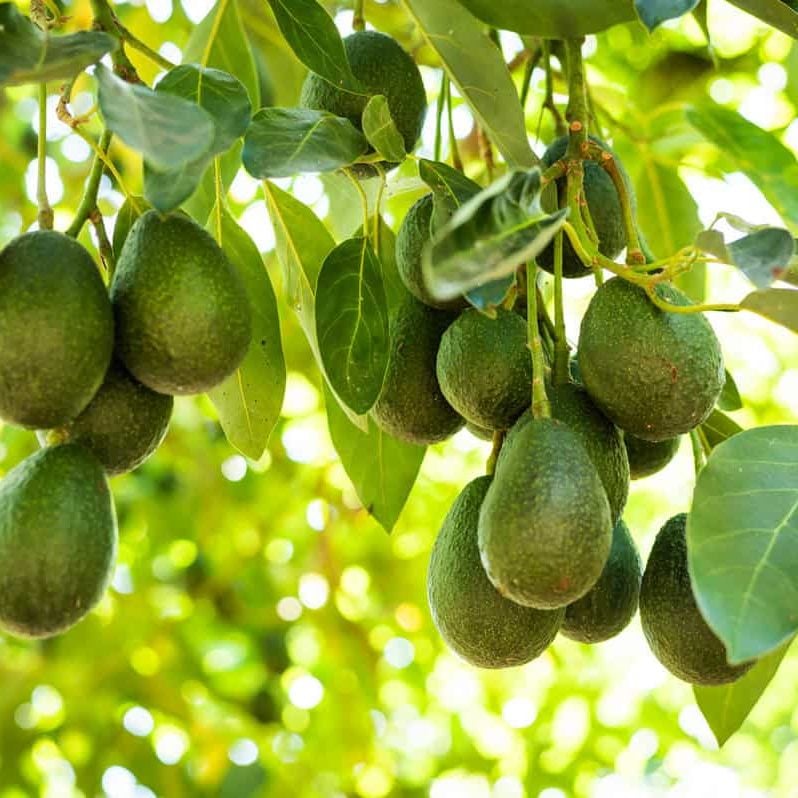
While several avocado varieties are grown in California, the Hass avocado reigns supreme, accounting for approximately 95% of the state’s total production. Renowned for its rich, nutty flavor, creamy texture, and distinctive pebbly, dark skin when ripe, the Hass has become the benchmark for avocado quality worldwide. However, adventurous tourists might also encounter other less common varieties depending on the season and specific farm or market. The Fuerte, an older, smoother-skinned variety with a longer neck and a green skin that retains its color, offers a different flavor profile. The Pinkerton and Reed are also popular, with Reed being particularly noteworthy for its large, round fruit and late-season availability, extending the fresh avocado season for consumers and tourists alike. The diverse seasonal availability of these varieties means that visitors can find fresh, local avocados for much of the year, though peak season generally runs from spring through summer.
Experiencing California’s Avocado Culture
For tourists, engaging with California’s avocado culture goes beyond mere consumption; it’s about experiencing the journey from grove to table. Agritourism initiatives have blossomed, allowing visitors to connect directly with the source of their favorite fruit.
Avocado Farm Tours
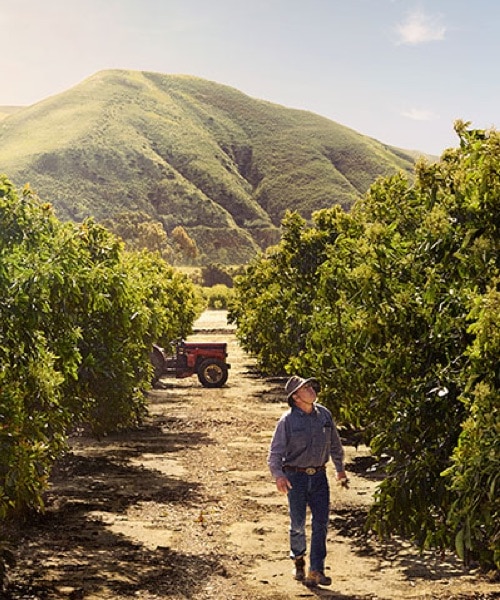
Many avocado farms, particularly in San Diego County and Ventura County, open their gates to the public, offering educational and immersive tours. These tours typically provide insights into the avocado farming process, from planting and irrigation techniques to harvesting and packing. Visitors learn about the specific challenges and rewards of cultivating this unique fruit, often guided by multi-generational farmers who share their passion and expertise. A visit to an avocado grove is a sensory experience, too: the scent of eucalyptus (often used as windbreaks), the sight of thousands of trees laden with fruit, and the tranquil sounds of rural California. Some tours include tastings of different avocado varieties, offering a nuanced appreciation for their distinct flavors and textures.
Farmers Markets and Farm Stands
Beyond structured tours, the most accessible way for tourists to experience California’s avocado bounty is through its numerous farmers markets and roadside farm stands. These vibrant local hubs are crucial for connecting consumers directly with growers. In towns like Fallbrook, often referred to as the “Avocado Capital,” and throughout other growing regions, these markets are a treasure trove of fresh produce. Here, visitors can purchase avocados directly from the farmers who grew them, ensuring unparalleled freshness and supporting local agriculture. Market vendors are often keen to share tips on how to select the perfect ripe avocado, how to store them, and even offer simple recipe ideas. This direct interaction provides an authentic taste of local life and the community spirit centered around the avocado.
Culinary Delights: Avocados on the Menu
The omnipresence of avocados in California extends far beyond the farm, permeating the state’s diverse culinary landscape. For food-loving tourists, this means a gastronomic adventure where avocados are celebrated in myriad forms, from classic preparations to innovative gourmet creations.
Ubiquitous and Iconic Dishes
No discussion of California cuisine is complete without mentioning Guacamole. While its origins lie elsewhere, California has perfected this creamy, vibrant dip, serving it fresh daily in countless Mexican restaurants and eateries across the state. Similarly, avocado toast has become a breakfast and brunch staple, evolving from a simple mashed avocado on bread to elaborate renditions with poached eggs, chili flakes, and artisanal toppings. Tourists will find it on menus from bustling city cafes in Los Angeles to quaint coastal diners. Avocados also feature prominently in salads, sandwiches, and as a creamy addition to fish tacos and other fresh seafood dishes, enhancing flavors with their healthy fats and smooth texture.
Innovative Avocado Cuisine
Chefs across California are constantly pushing the boundaries of avocado cuisine. Beyond savory applications, avocados are increasingly found in unexpected places. Avocado ice cream, smoothies, and even desserts like avocado mousse or cheesecake offer unique taste experiences that surprise and delight. Health-conscious restaurants leverage the avocado’s nutritional benefits, incorporating it into bowls, wraps, and plant-based dishes. Exploring the menus of farm-to-table restaurants in regions close to avocado groves often yields the most creative and seasonally inspired avocado dishes, highlighting the fruit at its peak freshness. This culinary exploration provides a delicious way for tourists to experience the local food culture and appreciate the versatility of California’s green gold.
Avocado Festivals and Local Events
To truly grasp the cultural significance of avocados in California, tourists should consider visiting during one of the state’s vibrant avocado festivals. These annual events are a testament to the fruit’s economic and communal importance, transforming towns into lively celebrations of all things avocado.
The Fallbrook Avocado Festival
The most renowned of these celebrations is undoubtedly the Fallbrook Avocado Festival. Held annually in Fallbrook, San Diego County, this festival attracts tens of thousands of visitors each spring. It is a spectacular showcase of local produce, culinary talent, and community spirit. Tourists can expect to find a sprawling street fair featuring hundreds of vendors selling fresh avocados, avocado-themed merchandise, and, most importantly, an astonishing array of avocado dishes. From traditional Guacamole and avocado burgers to more exotic offerings like avocado ice cream, avocado pizza, and avocado beer, the festival is a paradise for avocado lovers. Live music, craft booths, and various contests—such as the “Best Guacamole” competition—add to the festive atmosphere, making it a must-visit for anyone seeking an authentic California experience centered around local food and culture.
Other Regional Celebrations
While Fallbrook holds the most prominent festival, other smaller, local events celebrating avocados can be found in various growing regions. These may include farmers market specials, local fairs, or harvest celebrations in towns throughout Ventura County and Santa Barbara County. Attending these events offers tourists a unique opportunity to connect with local communities, learn about regional agricultural practices, and sample avocados prepared in creative ways that reflect local culinary traditions. These festivals underscore the deep-rooted pride and passion that Californians have for their iconic green fruit, making them not just food events but cultural celebrations.
Tips for the Avocado-Loving Tourist
To maximize a tourism experience focused on California’s avocados, a little planning can go a long way.
Best Time to Visit
While avocados are available year-round, the peak season for Hass avocados in California typically runs from spring through summer, roughly April to September. Visiting during this period ensures the freshest fruit, the widest availability at farm stands and markets, and often coincides with the major avocado festivals. If planning to attend a specific festival, check its dates well in advance, as they vary slightly year to year.
Sourcing Fresh Avocados
Beyond farm tours and festivals, farmers markets are the best places to buy fresh, local avocados. Look for markets in or near the primary growing regions mentioned earlier. When selecting avocados, gently squeeze them; they should yield slightly to pressure if ripe. Harder avocados will ripen on your counter. Many farm stands also offer bulk purchasing options, which can be a great way to take home a taste of California.
Avocado-Themed Souvenirs and Experiences
Embrace the avocado theme! Beyond eating the fruit, look for avocado-themed souvenirs such as kitchen gadgets, apparel, or local artisan crafts at markets and festivals. Consider pairing an avocado-focused trip with other local attractions. For example, a visit to San Diego County’s avocado groves could be combined with a scenic drive along the coast, wine tasting in nearby Temecula Valley, or exploring the vibrant culinary scene of San Diego itself. Similarly, Ventura County offers stunning beaches and charming towns alongside its avocado groves.
In conclusion, the answer to “Does California grow avocados?” is a resounding affirmation that unveils a rich vein of tourism potential. From educational farm tours that illuminate the agricultural process to culinary explorations that redefine the fruit’s versatility, and vibrant festivals that celebrate its cultural significance, California’s avocado industry offers a unique and delicious travel experience. It’s an invitation to savor the freshest flavors, engage with local communities, and discover the true essence of the Golden State’s green gold.
LifeOutOfTheBox is a participant in the Amazon Services LLC Associates Program, an affiliate advertising program designed to provide a means for sites to earn advertising fees by advertising and linking to Amazon.com. Amazon, the Amazon logo, AmazonSupply, and the AmazonSupply logo are trademarks of Amazon.com, Inc. or its affiliates. As an Amazon Associate we earn affiliate commissions from qualifying purchases.