
Nestled within the breathtaking landscapes of the American Southwest, Antelope Canyon stands as a monumental testament to the raw power and artistic finesse of nature. This iconic slot canyon, carved over millennia by water and wind, is a dream destination for travelers seeking unparalleled beauty and photographic opportunities. Far from being a mere crack in the earth, it’s a cathedral of light and shadow, an ethereal masterpiece that draws visitors from every corner of the globe. If you’ve ever gazed at stunning photographs of swirling sandstone bathed in golden light, chances are you’ve seen images from this natural wonder. But precisely where is this marvel, and what makes a journey to its depths an essential item on any serious traveler’s itinerary?
Antelope Canyon is located in the northern part of Arizona, near the city of Page. It is situated on land belonging to the Navajo Nation, making it a sacred and protected site managed exclusively by the Navajo people. This unique location imbues a visit with a profound cultural dimension, offering insights into the history and stewardship of the land by its indigenous inhabitants. For those planning a journey through the scenic vistas of the Southwest, understanding its precise location, accessibility, and the distinct experiences it offers is key to crafting an unforgettable adventure.
Discovering Antelope Canyon: A Gem of the American Southwest
Antelope Canyon is not just a landmark; it’s an experience. Its fame primarily stems from the surreal beauty found within its narrow, winding passages. The canyon is famous for its smooth, wave-like sandstone walls, sculpted by flash floods and wind erosion over millions of years. What truly sets it apart, however, are the elusive light beams that penetrate the openings at the top of the canyon, particularly during specific times of day and year, creating dramatic spotlights that illuminate the reddish-orange rock formations. These fleeting moments of light transform the canyon into a photographer’s paradise and an awe-inspiring spectacle for all who witness them.
The canyon is part of the larger Grand Staircase-Escalante National Monument region, an area renowned for its geological wonders and vast, untouched wilderness. However, Antelope Canyon itself falls within the boundaries of the Navajo Nation, making it distinct from many other publicly accessible natural attractions in the U.S. National Park system. This means that all visits require a Navajo guide, ensuring that tourism benefits the local community directly and that the site’s cultural and environmental integrity is preserved.

From a travel perspective, Antelope Canyon’s location in Northern Arizona places it within proximity to several other world-famous attractions, making it a perfect hub for a multi-day itinerary. Travelers often combine a visit to the canyon with trips to Horseshoe Bend, Lake Powell, and even the iconic Grand Canyon. This geographical advantage enhances its appeal as a prime destination for those exploring the rugged beauty and rich cultural tapestry of the American Southwest. The city of Page serves as the primary gateway, providing accommodation, dining, and other essential services for the influx of tourists heading to the canyons.
Navigating the Canyon: Upper vs. Lower Antelope Canyon
When planning a trip to Antelope Canyon, travelers quickly discover that there are actually two distinct sections typically visited: Upper Antelope Canyon and Lower Antelope Canyon. While both offer breathtaking slot canyon experiences, they each present unique characteristics and challenges, catering to different preferences and levels of physical activity. Understanding these differences is crucial for choosing the right experience for your travel style.
Upper Antelope Canyon: The Iconic Light Beam Experience
Upper Antelope Canyon, known to the Navajo as “Tse bighanilini” or “the place where water runs through rocks,” is arguably the more famous of the two. This is primarily due to its accessibility and the dramatic light beams that pierce through the narrow openings in the ceiling during specific times of day, typically late spring and summer months around midday. The canyon floor here is flat and wide, making it an easier walk for most visitors. Tours usually involve a short, dusty drive in a 4×4 vehicle from the tour operator’s office in Page directly to the canyon entrance.
Once inside, visitors are enveloped in a world of undulating sandstone walls, ranging in color from deep red to soft orange and purple. The canyon is wider at the top and narrower at the bottom, creating a funnel effect for light. Photographers often favor Upper Antelope Canyon for its ease of access and the spectacular light shows. The tours are typically more structured, with guides pointing out famous formations and ensuring everyone gets a chance to capture the perfect shot. However, its popularity also means it can be very crowded, especially during peak light beam hours. Expect a steady flow of people and limited time at each viewpoint as guides move groups through the canyon efficiently.
Lower Antelope Canyon: An Adventurous Descent
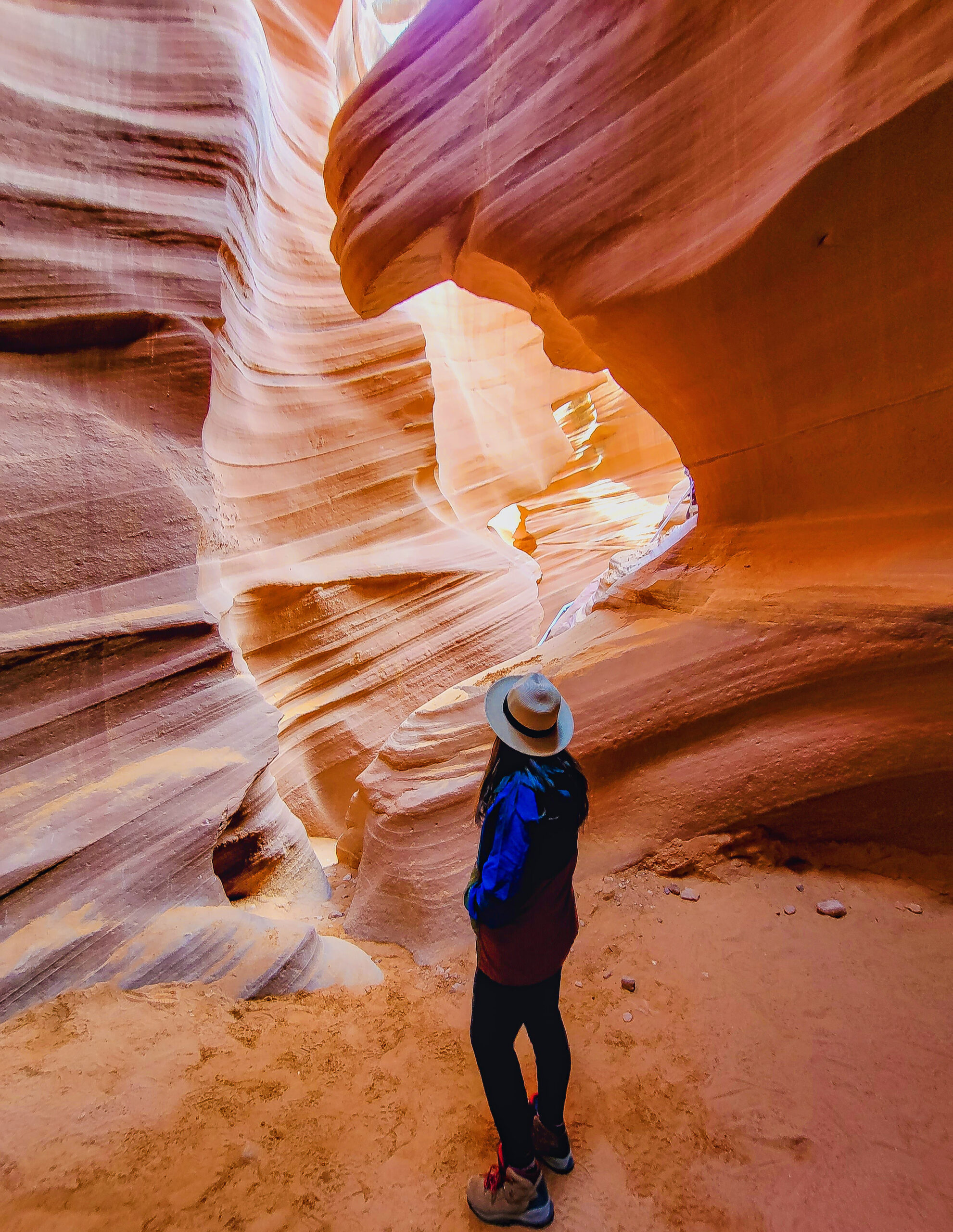
Lower Antelope Canyon, or “Hazdistazí” meaning “spiral rock arches” to the Navajo, offers a different, more adventurous experience. Unlike its upper counterpart, Lower Antelope Canyon is narrower, deeper, and requires navigating a series of ladders and staircases to descend into and ascend out of its depths. This physical challenge makes it less suitable for those with mobility issues or severe claustrophobia, but it rewards more agile visitors with a sense of exploration and discovery.
The light within Lower Antelope Canyon is also spectacular, though it manifests differently. Instead of direct beams, the light filters down, creating a softer, more diffused glow that illuminates the vibrant colors and intricate textures of the canyon walls. The twisted, corkscrew-like passages offer endless photographic opportunities, often with fewer crowds than Upper Antelope Canyon due to the physical requirements. The tours generally feel more intimate, and the journey through the canyon provides a greater sense of adventure as you climb and descend through its captivating beauty. Choosing between Upper and Lower often comes down to personal preference for accessibility versus adventure, and the type of photographic experience one seeks. Many travelers, if time and budget allow, opt to visit both for a comprehensive understanding of this natural wonder.
Planning Your Visit: Tours, Tickets, and Best Times
Visiting Antelope Canyon is not a spontaneous endeavor; it requires careful planning due to its location on Navajo land and the requirement for guided tours. Integrating this into your broader travel plans for Arizona or the wider Southwest is essential for a seamless experience.
Booking Your Tour: Essential for Entry
Access to both Upper and Lower Antelope Canyon is strictly controlled and only permitted through authorized Navajo tour operators. This policy ensures the safety of visitors, protects the fragile environment, and provides economic benefits to the Navajo Nation. It is highly recommended to book your tour well in advance, especially if you plan to visit during peak season (spring to fall) or around midday for the best light. Popular tours, particularly for Upper Antelope Canyon’s light beams, can sell out months ahead.
Several reputable companies offer tours. For Upper Antelope Canyon, well-known operators include Antelope Canyon Tours and Adventurous Antelope Canyon Photo Tours. For Lower Antelope Canyon, Ken’s Tours and Dixie Ellis’ Lower Antelope Canyon Tours are the primary providers. Each operator has its own booking system, pricing, and tour lengths, so it’s advisable to compare options. Remember that there will be a separate Navajo Parks & Recreation permit fee, usually paid directly to the tour operator in cash upon arrival, in addition to the tour price.
Best Time to Visit: Chasing the Light
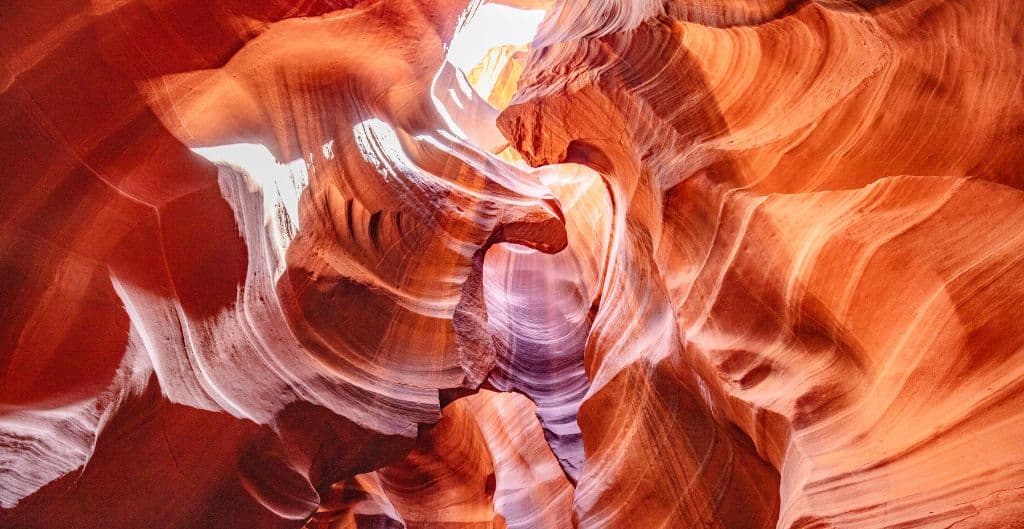
The “best” time to visit Antelope Canyon often depends on what you wish to experience. For the iconic light beams in Upper Antelope Canyon, the optimal period is from late March through early October, typically between 10:00 AM and 1:00 PM. During these hours, the sun is high enough to shine directly into the canyon’s openings, creating those spectacular shafts of light. However, this is also the busiest and most expensive time.
If light beams aren’t your primary focus, or if you prefer fewer crowds, visiting outside of these peak hours or during the shoulder seasons (late fall or early spring) can still offer a magnificent experience. The diffused light at other times of day or year highlights different aspects of the canyon’s beauty, emphasizing the rich colors and flowing textures of the sandstone. Winter months offer a unique perspective with cooler temperatures and potentially less vibrant light, but also fewer visitors. Regardless of the season, check weather conditions, as flash floods can lead to canyon closures for safety.
Beyond the Canyon: Nearby Attractions and Accommodation
A trip to Antelope Canyon is often just one highlight of a broader exploration of the stunning Southwestern U.S. The city of Page, Arizona, acts as a convenient base for visitors, offering a range of accommodation options and serving as a gateway to several other incredible natural landmarks. This allows travelers to craft a comprehensive itinerary that caters to various interests, from adventurous hikes to serene boat tours.
Exploring the Wonders Around Page
Just a few miles from Antelope Canyon lies Horseshoe Bend, another famous natural landmark where the Colorado River takes a dramatic 270-degree turn, creating an iconic horseshoe-shaped meander. A relatively easy 1.5-mile round-trip hike leads to the breathtaking overlook, offering panoramic views of the river far below. Sunset at Horseshoe Bend is particularly popular, painting the canyon walls in fiery hues.
Lake Powell, part of the Glen Canyon National Recreation Area, is another major attraction. This vast man-made lake, created by the Glen Canyon Dam, boasts nearly 2,000 miles of shoreline – more than the entire U.S. Pacific coast. Visitors can enjoy boating, kayaking, paddleboarding, or simply relaxing on its sandy beaches. Boat tours often explore hidden coves and dramatic rock formations, offering a different perspective of the region’s geological grandeur. The Wahweap Marina near Page is a popular starting point for water activities.
Further afield, but still within a reasonable driving distance, lies the majestic Monument Valley Navajo Tribal Park, famous for its towering sandstone buttes and mesas that have graced countless Western films. This is another area managed by the Navajo Nation and offers further opportunities for cultural immersion. For those venturing south, the awe-inspiring Grand Canyon’s South Rim is about a 2.5-hour drive, while the North Rim, though more remote, offers equally spectacular views. This cluster of natural wonders makes Northern Arizona a truly unparalleled travel destination.
Accommodation in Page: Comfort and Convenience
Given its popularity as a tourist hub, Page offers a wide array of accommodation options to suit various budgets and preferences. From well-known hotel chains to independent motels and vacation rentals, travelers will find comfortable lodging for their stay.
For those seeking familiar comforts, properties like Hyatt Place Page, Courtyard by Marriott Page, and Best Western View of Lake Powell Hotel offer modern amenities, often including swimming pools, complimentary breakfast, and stunning views of the surrounding landscape or Lake Powell. These hotels cater well to families and those on business trips, providing reliable services and easy access to tour operators and local dining.
Budget-conscious travelers can find numerous motels and inns that offer clean, comfortable rooms without breaking the bank. Additionally, vacation rentals, including apartments and villas, are increasingly popular, especially for longer stays or for groups seeking more space and self-catering facilities. These options provide a home-away-from-home experience, often allowing for a deeper immersion into the local lifestyle. Camping is also a popular choice, with several campgrounds available near Lake Powell for RVs and tents, offering a more rustic experience under the star-filled desert sky. Booking accommodation in advance is highly recommended, especially during peak travel seasons, as Page can fill up quickly with visitors eager to explore Antelope Canyon and its surrounding marvels.
Essential Tips for an Unforgettable Antelope Canyon Experience
To ensure your visit to Antelope Canyon is as smooth and memorable as possible, a few practical tips can make all the difference. Beyond booking your tour and accommodation, preparing for the unique environment and cultural protocols will enhance your journey.
Firstly, respect the Navajo Nation rules. Remember that you are on tribal land, and adherence to their regulations, including the guided tour requirement, is paramount. Photography rules, especially regarding tripods and professional gear, can vary between tour operators and canyons; always listen to your guide.
Dress appropriately for the desert environment. Even though you’re inside a canyon, the walk to and from the entrance can be exposed to the elements. Wear comfortable walking shoes, and consider a hat and sunglasses for sun protection. While temperatures inside the canyon are generally cooler, the outside can be very hot, especially in summer.
Stay hydrated. Carry plenty of water, especially during warmer months. The dry desert air can lead to dehydration quickly.
Be prepared for crowds, particularly if visiting during peak times for light beams. Patience is key, and your guide will do their best to manage the flow and help you get good photos. Professional photography tours, offered by some operators, are specifically designed for serious photographers and often have smaller groups and more dedicated time for shots.
Consider purchasing travel insurance when planning your trip to the Southwest. While not specific to Antelope Canyon, it’s a good practice for any significant travel, covering unforeseen circumstances from trip cancellations to medical emergencies.
Finally, embrace the moment. While capturing stunning photographs is a huge draw, take time to simply absorb the incredible beauty and the spiritual essence of the canyon. Listen to your guide’s stories about the Navajo culture and the canyon’s significance. This holistic approach will transform your visit from a mere sightseeing stop into a truly profound and unforgettable travel experience.
In conclusion, Antelope Canyon, located near Page, Arizona, on the lands of the Navajo Nation, is a quintessential American Southwest destination. Its ethereal beauty, combined with the rich cultural experience of guided tours, makes it a must-visit landmark for travelers. With careful planning, understanding the distinct characteristics of Upper and Lower Antelope Canyon, and making the most of the surrounding attractions and accommodations in Page, your journey to this natural cathedral of light will undoubtedly be one of the highlights of your travel adventures.
LifeOutOfTheBox is a participant in the Amazon Services LLC Associates Program, an affiliate advertising program designed to provide a means for sites to earn advertising fees by advertising and linking to Amazon.com. Amazon, the Amazon logo, AmazonSupply, and the AmazonSupply logo are trademarks of Amazon.com, Inc. or its affiliates. As an Amazon Associate we earn affiliate commissions from qualifying purchases.