
Navigating the intricacies of travel often involves more than just booking flights and securing the perfect suite or villa. For many destinations, understanding the local time zone is a trivial matter – a quick glance at a map or a search for the state capital usually provides the answer. However, when planning a trip to the vast and beautiful state of North Dakota, travelers are often met with a unique geographical quirk: it operates on not one, but two distinct time zones. This dual time zone system is a crucial piece of information for anyone looking to explore its diverse landscapes, from the bustling cities of the east to the rugged Badlands of the west.
Understanding where and why these time zones split can significantly impact your travel itinerary, ensuring smooth transitions between activities, timely hotel check-ins, and accurate scheduling for any attractions or experiences you plan to indulge in. For both seasoned globetrotters and first-time visitors, this guide delves deep into the temporal landscape of North Dakota, offering insights into its geographical divisions, historical context, and practical advice for navigating the time shift seamlessly.
The Dual Clocks of the Flickertail State: Central vs. Mountain Time
At its core, the answer to “What time zone is North Dakota?” is two-fold: the majority of the state observes Central Time Zone (CT), while a significant portion of its western expanse adheres to Mountain Time Zone (MT). This creates a one-hour difference, with Mountain Time being one hour behind Central Time. Imagine setting off from Fargo and arriving in Williston an hour “earlier” than your clock might suggest, all while having driven for several hours. This phenomenon, while seemingly minor, holds considerable implications for everything from flight schedules to dinner reservations.
Geographical Breakdown: Where the Time Zones Split
The demarcation line between Central and Mountain Time in North Dakota primarily runs through the western part of the state. Most of Eastern North Dakota, including major cities like Fargo, Bismarck (the state capital), Grand Forks, and Minot, is firmly within the Central Time Zone. This covers a vast agricultural and urban landscape, home to many of the state’s key economic and cultural hubs.
However, as you venture further west, particularly towards the Montana border, the clocks change. The Mountain Time Zone encompasses the following counties: Mercer County, Oliver County, Morton County, and Grant County (all west of Bismarck), and then all counties to their west, stretching to the Montana border. Key cities and attractions in Western North Dakota that operate on Mountain Time include Williston, Dickinson, Watford City, and the popular tourist destination of Medora, which serves as the gateway to Theodore Roosevelt National Park.
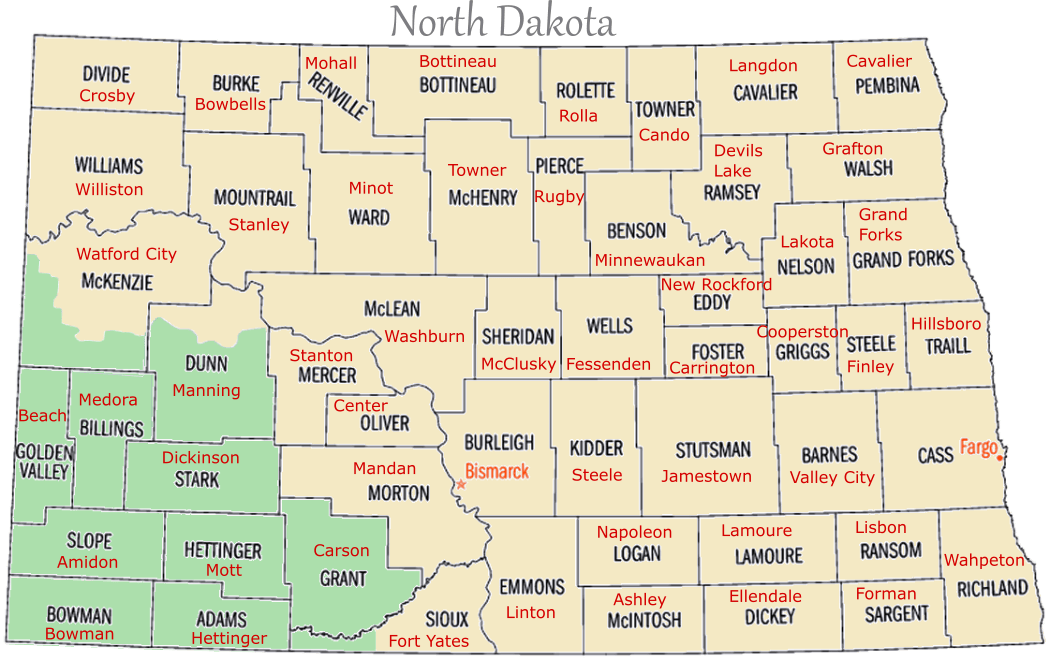
It’s also worth noting that the Standing Rock Indian Reservation in the southern part of the state, particularly Sioux County and parts of Grant County and Morton County, also observe Mountain Time, largely aligning with their tribal connections to communities further west. This intricate mosaic underscores the importance of checking local times, especially when planning multi-county road trips or business engagements that span across the state.
Why the Split? A Glimpse into Time Zone Regulations
The decision for North Dakota to straddle two time zones isn’t arbitrary; it’s a reflection of historical development, economic ties, and regulatory decisions. The authority to set and modify time zone boundaries in the United States lies with the U.S. Department of Transportation (DOT). These decisions are typically made with considerations for the convenience of commerce, the effect on travel, and the general public.
For North Dakota, the split emerged from the need for western communities to align with their neighboring states like Montana, which is entirely in the Mountain Time Zone. This alignment facilitates business operations, communication, and overall social interaction across state lines. Conversely, the eastern and central parts of North Dakota have stronger historical and economic ties to states like Minnesota and South Dakota, which predominantly observe Central Time. Thus, the current time zone boundary is a pragmatic solution, balancing regional influences and ensuring efficient daily life for residents and visitors alike.
Navigating Time Zones: Essential Travel Planning Tips
For travelers, the dual time zones in North Dakota present a unique challenge, but one that is easily overcome with a bit of foresight. Whether you’re planning a family trip, a luxury getaway, a budget adventure, or a business stay, understanding the time shift is paramount to a smooth and enjoyable experience.
Impact on Travel Itineraries and Logistics
When crafting your North Dakota itinerary, the time zone difference needs to be a primary consideration. For instance, if you’re flying into Hector International Airport in Fargo (CT) and immediately driving to Theodore Roosevelt National Park near Medora (MT), be mindful that your arrival time in Medora will effectively be one hour earlier than the elapsed time on your journey. This “extra” hour can be a pleasant surprise for check-in at a resort or hotel, but conversely, if you’re traveling east, you’ll “lose” an hour.
- Flight Schedules: Always double-check flight arrival and departure times against the local time zone of each airport. A flight departing Williston (MT) at 10:00 AM might arrive in Minneapolis (CT) at 1:00 PM, meaning a 2-hour flight but a 3-hour difference on the clock.
- Road Trips: If embarking on a cross-state road trip, your smartphone or GPS will usually update automatically, but it’s wise to have a mental note of where the time zone line crosses. A long drive through the scenic landscapes of Lake Sakakawea might involve crossing into a new time zone without realizing it, which could affect lunch plans or attraction closing times.
- Hotel Bookings and Check-ins: Most hotels will specify check-in/check-out times in their local time zone. Confirm these details when booking, especially if you’re arriving from a different time zone. An early arrival in Dickinson (MT) from Jamestown (CT) could give you an unexpected extra hour to settle into your accommodation.
- Attraction Hours and Tour Schedules: Many landmarks, national parks, and local attractions have strict operating hours. For instance, planning a visit to Theodore Roosevelt National Park means adhering to Mountain Time for sunrise hikes or guided tours. Similarly, museums like the North Dakota Heritage Center & State Museum in Bismarck will operate on Central Time.
- Business Meetings: For business travelers, missing a virtual meeting or arriving late to an in-person appointment due to a time zone miscalculation can be costly. Always specify “CT” or “MT” when scheduling cross-state engagements.
Leveraging Technology and Local Knowledge
Modern technology makes navigating time zones much simpler than in the past. Your smartphone, smartwatch, and most GPS devices are designed to automatically update to the local time zone, provided they have a network connection.
- Automatic Time Zone Updates: Ensure your devices are set to automatically update their time zone. This is usually a default setting, but it’s good to verify, especially if you’re crossing multiple zones or traveling internationally (e.g., across the border to Canada, which also has multiple time zones, including the province of Manitoba which aligns with CT for most parts).
- Dual Clocks: Consider setting up a dual clock widget on your phone to display both CT and MT, particularly if your itinerary involves frequent crossings.
- Confirm with Locals: When in doubt, don’t hesitate to ask locals, hotel staff, or tour operators for the current local time. This can provide peace of mind, especially in areas close to the time zone boundary.
- Print Itineraries: If you prefer paper itineraries, manually add the time zone (CT or MT) next to each scheduled activity to prevent confusion.
Experiencing North Dakota Across Time Zones: Tourism and Lifestyle
Beyond the logistical aspects, the dual time zones also subtly influence the tourism experience and local lifestyle in North Dakota. It adds a layer of uniqueness to the state, reflecting its vastness and the diverse influences that shape its various regions.
Cultural and Lifestyle Rhythms
The different time zones contribute to distinct rhythms of daily life across North Dakota. In Central Time cities like Fargo and Bismarck, the pace aligns with major Midwest urban centers. Businesses open and close at typical CT hours, and evening activities fall into a predictable pattern.
However, move west to Mountain Time communities like Medora or Williston, and you might notice a subtle shift. Sunrises and sunsets occur later by the clock, potentially influencing outdoor activities, dining schedules, and the overall feel of the evening. For travelers, this can mean enjoying longer daylight hours in the Badlands for exploring Theodore Roosevelt National Park or an evening stroll, as the sun dips below the horizon later according to the clock face. This can be a boon for capturing stunning golden hour photographs or extending your outdoor adventures.
Notable Destinations and Their Times
When exploring North Dakota’s iconic sites, remember their respective time zones:
- Eastern & Central North Dakota (Central Time):
- Fargo: The largest city, known for its vibrant arts scene, excellent dining, and the Fargo-Moorhead community spanning the Red River into Minnesota.
- Bismarck: The state capital, home to the impressive North Dakota Heritage Center & State Museum and Fort Abraham Lincoln State Park nearby.
- Grand Forks: A university city with a charming downtown and proximity to the Grand Forks Air Force Base.
- Minot: Known as the “Magic City,” it hosts the Norsk Høstfest and features the Scandinavian Heritage Park.
- Jamestown: Home to the iconic “World’s Largest Buffalo” and the National Buffalo Museum.
- International Peace Garden: Located on the border with Manitoba, Canada, it generally observes Central Time due to its proximity to Manitoba’s time zone.
- Western North Dakota (Mountain Time):
- Medora: The charming western town serving as the primary gateway to the South Unit of Theodore Roosevelt National Park.
- Theodore Roosevelt National Park: A breathtaking expanse of Badlands terrain, perfect for hiking, wildlife viewing, and scenic drives.
- Williston: A hub in the heart of the Bakken oil region, offering modern amenities and a base for exploring the region.
- Dickinson: Another vibrant city in the western part of the state, with attractions like the Dickinson Museum Center and the North Dakota Cowboy Hall of Fame.
Making the Most of Your Visit
The unique time zone arrangement in North Dakota shouldn’t be a deterrent but rather an interesting aspect of your travel experience. By being aware and prepared, you can fully immerse yourself in all that the state has to offer. Whether it’s enjoying the vibrant city life of Fargo or exploring the rugged wilderness of Theodore Roosevelt National Park, a little time zone awareness will ensure your journey through the Flickertail State is as seamless as it is memorable. From booking your ideal hotel with perfect timing to catching a sunset over the Badlands without a hitch, understanding North Dakota’s dual clocks is your key to an optimized travel adventure.
LifeOutOfTheBox is a participant in the Amazon Services LLC Associates Program, an affiliate advertising program designed to provide a means for sites to earn advertising fees by advertising and linking to Amazon.com. Amazon, the Amazon logo, AmazonSupply, and the AmazonSupply logo are trademarks of Amazon.com, Inc. or its affiliates. As an Amazon Associate we earn affiliate commissions from qualifying purchases.