
The open road, the wind in your face, and the panoramic vistas of the American Southwest – these are the hallmarks of a quintessential motorcycle journey. For many riders, the allure of exploring destinations like Arizona on two wheels is irresistible. From the crimson cliffs of Sedona to the awe-inspiring depths of the Grand Canyon, Arizona offers some of the most spectacular motorcycling routes in the world. However, navigating these picturesque roads, especially in busier urban areas like Phoenix or Scottsdale, brings specific legal considerations for motorcyclists. One of the most frequently asked questions, particularly by those accustomed to different traffic laws in other regions, is: “Is lane splitting legal in Arizona?”
This question is more nuanced than a simple yes or no, deeply impacting not only the safety and legal standing of motorcyclists but also the flow of traffic for all road users. Understanding Arizona’s approach to this practice is crucial for anyone planning to ride through the state, whether a seasoned local, a curious tourist, or a business traveler making their way between meetings. This comprehensive guide delves into the specifics of Arizona law, distinguishes between similar terms like lane splitting and lane filtering, examines the safety implications, and provides essential advice for both motorcyclists and other drivers to ensure a safe and enjoyable experience on Arizona’s roads. As a resource for travel, hotels, and lifestyle, we aim to equip you with the knowledge to make informed decisions and truly savor your Arizona adventure.
Understanding Lane Splitting and Lane Filtering
Before delving into the legalities in Arizona, it’s important to clearly define what “lane splitting” and “lane filtering” entail. While often used interchangeably, these terms describe distinct actions with different legal implications in various jurisdictions.
What is Lane Splitting?
Lane splitting, also known as “white lining” or “stripe riding,” refers to the practice of a motorcyclist riding between lanes of moving or stopped traffic traveling in the same direction. Typically, this occurs on multi-lane highways or freeways where traffic congestion is common. The rider maneuvers their motorcycle between vehicles, often using the painted lines that separate the lanes as a guide. Proponents of lane splitting argue that it can reduce traffic congestion by allowing motorcycles, which take up less space, to move more efficiently. They also suggest it can enhance rider safety by allowing motorcyclists to escape potentially dangerous situations, such as being rear-ended in stop-and-go traffic. Additionally, moving through slow traffic can help keep the rider cooler in hot climates, preventing overheating of both the rider and the engine.
However, lane splitting is also a contentious practice. Opponents frequently cite safety concerns, emphasizing the reduced reaction time for both the motorcyclist and surrounding drivers, the potential for unexpected lane changes by cars, and the limited visibility of motorcycles to drivers focused on the larger vehicles around them. The perceived aggressive nature of some lane-splitting maneuvers can also lead to frustration and tension between motorcyclists and other drivers.

What is Lane Filtering?
Lane filtering is generally considered a subset of lane splitting, but it applies to more specific circumstances. It involves a motorcyclist moving between lanes of stopped traffic, typically at a red light or during heavy congestion, to the front of the queue. The key distinction is that lane filtering usually occurs at lower speeds and only when traffic is completely stopped or moving very slowly. The primary arguments for lane filtering mirror those for lane splitting in terms of safety (reducing the risk of rear-end collisions for motorcyclists in stopped traffic) and efficiency (allowing motorcycles to clear intersections faster). Many states that prohibit general lane splitting have begun to consider or enact laws allowing lane filtering under strict conditions. This approach acknowledges some of the benefits while attempting to mitigate the higher risks associated with high-speed lane splitting.
Understanding this distinction is vital, as Arizona’s laws specifically address lane filtering, even though general lane splitting remains prohibited.
The Legal Landscape in Arizona: Splitting vs. Filtering
For motorcyclists traveling through the Grand Canyon State, understanding the specifics of Arizona’s traffic laws regarding lane maneuvering is paramount. The state has a unique and recently evolved stance that sets it apart from many other jurisdictions.
Arizona’s Current Stance on Lane Splitting
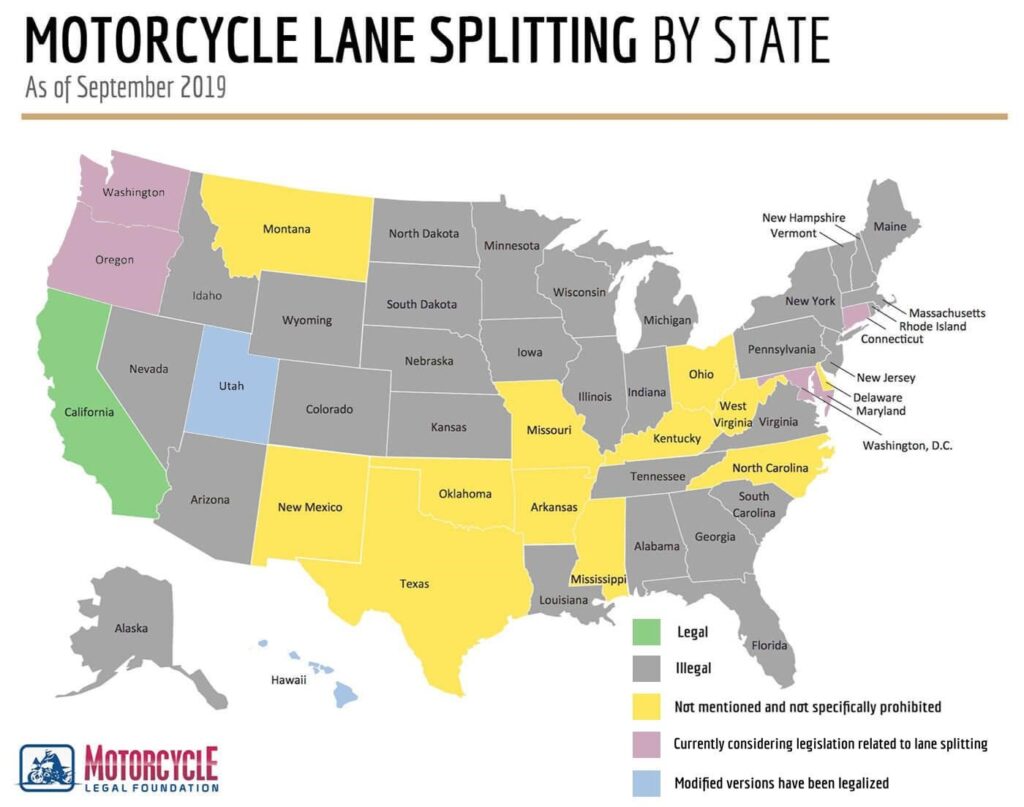
As of late 2023, general lane splitting, which involves riding between lanes of moving traffic, remains illegal in Arizona. This means a motorcyclist cannot legally maneuver between cars on a highway or freeway if those vehicles are in motion, even if they are moving slowly in heavy traffic. The law treats motorcycles as individual vehicles that must occupy an entire lane, just like cars. Violating this rule can lead to traffic citations, fines, and potentially points on a rider’s license, impacting their ability to enjoy their travels through the state.
This prohibition aligns Arizona with the majority of U.S. states that have not legalized broad lane splitting. The rationale often stems from concerns about safety, the potential for increased accidents, and the difficulty of enforcing such practices effectively without compromising overall road safety.
The Introduction of Lane Filtering in Arizona
While general lane splitting is prohibited, Arizona made a significant legislative change that took effect on September 24, 2022. This change introduced the legality of lane filtering under very specific conditions. This makes Arizona one of a growing number of states, alongside California, Utah, and Montana, that permit some form of filtering.
According to Arizona Revised Statutes §28-903(B), a motorcyclist may move between lanes of traffic that are stopped if all of the following conditions are met:
- Speed Limit: The posted speed limit on the roadway must be 45 miles per hour or less. This significantly restricts filtering to urban or suburban roads and excludes high-speed freeways.
- Stopped Traffic: The motor vehicles in the adjacent lanes of traffic must be completely stopped. This emphasizes the “filtering” aspect, where the motorcycle is navigating through stationary congestion, not moving vehicles.
- Motorcycle Speed: The motorcyclist’s speed while filtering must not exceed 15 miles per hour. This low-speed requirement is crucial for safety, allowing ample time for the rider to react to sudden movements and for drivers to notice the motorcycle.
These stringent conditions are designed to allow motorcyclists to gain the safety benefits of moving out of stopped traffic (reducing rear-end collision risk) while minimizing the inherent dangers of splitting lanes at higher speeds or in flowing traffic. For travelers, especially those unfamiliar with Arizona’s nuanced laws, it is critical to commit these specific rules to memory. Misinterpreting them could lead to a citation or, worse, an accident.
Penalties and Enforcement
Violating Arizona’s lane splitting or filtering laws can result in various penalties. A traffic citation typically includes a fine, and depending on the severity and specific circumstances, it could also lead to points being assessed against a rider’s driver’s license. Accumulating too many points can result in increased insurance premiums or even license suspension. Law enforcement agencies in Arizona, including the Arizona Department of Transportation (ADOT) and local police departments, are tasked with enforcing these regulations to maintain road safety for all users. Therefore, strict adherence to the law is not just a suggestion but a legal obligation for anyone riding a motorcycle in the state.
Safety and Practical Considerations for Riders and Drivers in Arizona
Regardless of the legality, the practice of moving between lanes of traffic carries inherent risks and requires heightened awareness from all road users. For those enjoying Arizona’s stunning landscapes, prioritizing safety is paramount.
Risks and Defensive Riding for Motorcyclists
Even under the legal conditions for lane filtering, motorcyclists face unique challenges.
- Limited Visibility: Drivers may not anticipate a motorcycle moving between lanes of stopped cars, especially if they are distracted or not actively checking their mirrors. This “looked-but-failed-to-see” phenomenon is a leading cause of motorcycle accidents.
- Sudden Movements: Car doors can open unexpectedly, or drivers may make sudden, small lane adjustments without signaling, creating immediate hazards for a filtering motorcycle.
- Road Hazards: Debris, potholes, or uneven surfaces between lanes can be particularly dangerous when navigating in tight spaces.
- Driver Frustration: Some drivers may react negatively or aggressively to motorcyclists filtering, even if it’s legal, leading to unsafe situations.
To mitigate these risks, motorcyclists should always practice defensive riding. This includes:
- Assuming You’re Invisible: Always ride as if drivers haven’t seen you.
- Maintaining Low Speed: Adhere strictly to the 15 mph filtering limit, or even slower if conditions warrant.
- Scanning Ahead: Constantly look for potential hazards, including opening doors, sudden lane shifts, and road imperfections.
- Eye Contact: Try to make eye contact with drivers in adjacent vehicles to confirm they’ve seen you.
- Wearing Proper Gear: Full-face helmets, armored jackets, gloves, and sturdy pants increase visibility and offer crucial protection in an accident.
- Choosing Wisely: Not every stopped traffic situation is suitable for filtering. If the gaps are too narrow, drivers seem agitated, or conditions are otherwise risky, it’s safer to wait in line.
Advice for Other Drivers
Motorcyclist safety is a shared responsibility. Drivers of cars, trucks, and other vehicles play a crucial role in preventing accidents, especially with the introduction of legal lane filtering in Arizona.
- Look Twice, Save a Life: Always check blind spots and mirrors before changing lanes or opening doors. Motorcycles are small and can be easily hidden from view.
- Anticipate Motorcyclists: Be aware that motorcyclists may legally filter through stopped traffic at low speeds. Expect them to be present, especially at intersections or in heavy congestion where the speed limit is 45 mph or less.
- Give Space: Provide ample space for motorcycles, both when sharing a lane and when they are filtering. Avoid aggressive maneuvers or attempts to block a filtering motorcycle.
- Stay Alert: Distracted driving, whether by cell phones or other activities, increases the risk of not seeing a motorcycle. Maintain focus on the road and your surroundings.
- Educate Yourself: Understanding Arizona’s lane filtering law can help reduce frustration and promote a safer driving environment for everyone.
By fostering mutual respect and heightened awareness, both motorcyclists and drivers can contribute to safer roads across Arizona’s diverse driving environments.
Navigating Arizona’s Roads: A Traveler’s Perspective
For travelers venturing into Arizona, whether for leisure or business, understanding the local driving culture and specific laws is as important as knowing where to find the best hotels or the most breathtaking landmarks. The unique blend of sprawling deserts, towering mountains, and vibrant cities makes Arizona an ideal destination for road trips, particularly by motorcycle.
Popular Motorcycling Routes and Destinations
Arizona offers an array of incredible routes that attract motorcyclists from around the globe.
- Route 66: A historic journey through the northern part of the state, passing through towns like Seligman and Winslow, offering a nostalgic slice of Americana.
- Grand Canyon National Park: The ride to the South Rim through routes like Highway 64 provides unparalleled scenic beauty and truly iconic views.
- Sedona and Oak Creek Canyon: Winding roads through stunning red rock formations, offering a spiritual and visually arresting experience. The Red Rock Scenic Byway (SR 179) is particularly popular.
- The Apache Trail (SR 88): A historic, partially unpaved route that winds through the Superstition Mountains, past lakes and ancient cliff dwellings, though parts require a capable adventure bike.
- Phoenix and Scottsdale Metro Areas: While not scenic routes in the traditional sense, navigating these urban centers for business or to access attractions like the Desert Botanical Garden or Old Town Scottsdale means encountering the state’s traffic laws head-on, including the lane filtering provisions.
When planning an itinerary that involves these incredible destinations, it’s crucial to factor in local regulations, particularly for those on motorcycles.
Importance of Knowing Local Laws for Tourists and Visitors
For international visitors or domestic tourists from states with different traffic laws, a lack of awareness regarding Arizona’s lane splitting and filtering rules can lead to unintended legal trouble or dangerous situations. What might be commonplace and legal in a rider’s home state, such as California’s broad lane splitting allowance, is mostly prohibited in Arizona.
Before embarking on an Arizona motorcycle adventure:
- Research Thoroughly: Consult official state resources like the Arizona Department of Transportation (ADOT) or the Arizona Motorcycle Safety and Awareness Program.
- Consider Local Riding Courses: For those planning an extended stay or wanting to truly immerse themselves in local riding culture, participating in a local motorcycle safety course can provide invaluable insights into Arizona-specific challenges and legal nuances.
- Join Local Rider Forums: Online communities for Arizona motorcyclists can offer practical advice and real-time information on road conditions and legal interpretations.
Furthermore, for travelers choosing rental motorcycles, understanding the terms and conditions set by rental companies regarding adherence to local traffic laws is essential. Ignorance of the law is never an excuse, and visitors are expected to comply with all Arizona traffic regulations.
Accommodation and Lifestyle Considerations
Beyond the roads themselves, Arizona’s travel infrastructure caters extensively to visitors. Many hotels, resorts, and accommodations, especially along popular touring routes or in motorcycle-friendly towns, offer amenities like secure parking, wash stations, and even on-site gear storage for motorcyclists. When booking accommodation, it can be beneficial to look for places that acknowledge and cater to the specific needs of riders, enhancing the overall travel experience.
For the lifestyle traveler, adhering to safety protocols and local laws ensures a stress-free trip, allowing full enjoyment of Arizona’s luxurious resorts, budget-friendly stays, and unique cultural experiences. Whether you’re planning a family trip, a business stay, or a solo adventure, integrating legal knowledge with travel planning is key to a rewarding journey.
Conclusion: Riding Responsibly in the Grand Canyon State
The question, “Is lane splitting legal in Arizona?” has a clear answer with a crucial caveat. While general lane splitting is prohibited, Arizona has embraced a specific form of lane filtering, allowing motorcyclists to move between lanes of stopped traffic at low speeds (15 mph or less) where the speed limit is 45 mph or less. This distinction is vital for all road users, particularly motorcyclists, who must adhere strictly to these conditions to remain compliant with the law and, more importantly, to ensure their safety and the safety of others.
Arizona offers an incredible backdrop for motorcycle adventures, from the iconic Route 66 to the breathtaking roads leading to the Grand Canyon and the vibrant energy of cities like Phoenix and Scottsdale. By understanding and respecting the local traffic laws, practicing defensive riding, and maintaining a high level of awareness, motorcyclists can fully enjoy all that the state has to offer. Similarly, other drivers can contribute to a safer environment by being vigilant, giving ample space, and recognizing the specific legal provisions for motorcyclists.
Whether you’re a local rider or a visitor exploring Arizona’s diverse landscapes, responsible road behavior is the cornerstone of a fulfilling travel experience. Stay informed, stay safe, and enjoy the unparalleled beauty of the Grand Canyon State from the saddle of your motorcycle.
LifeOutOfTheBox is a participant in the Amazon Services LLC Associates Program, an affiliate advertising program designed to provide a means for sites to earn advertising fees by advertising and linking to Amazon.com. Amazon, the Amazon logo, AmazonSupply, and the AmazonSupply logo are trademarks of Amazon.com, Inc. or its affiliates. As an Amazon Associate we earn affiliate commissions from qualifying purchases.