
Austin, the vibrant capital of Texas, has long been celebrated for its unique blend of innovative spirit, rich musical heritage, and unparalleled outdoor beauty. What truly defines this dynamic metropolis today, however, is its astonishing population growth, a phenomenon that has reshaped its landscape, culture, and economic future. Far from just a number, the city’s demographic expansion is a compelling story of opportunity, lifestyle appeal, and the complex challenges that come with rapid development. Understanding Austin’s population isn’t merely about statistics; it’s about grasping the very essence of a city in constant motion, a destination that continues to attract talent and visitors from across the United States and beyond. For anyone planning to travel to Austin, considering a move, or simply curious about one of North America’s fastest-growing urban centers, delving into its demographic profile offers crucial insights into its evolving identity.
Austin’s Current Demographic Landscape
Austin’s population story is one of relentless expansion, transforming it from a relatively mid-sized capital city into a sprawling urban hub. This growth has not only pushed Austin into the ranks of the largest cities in the United States but has also significantly impacted the surrounding metropolitan area.
The Latest Population Figures
As of recent estimates, the city proper of Austin boasts a population well over 970,000 residents, rapidly approaching the coveted one-million mark. This makes it the 10th largest city in the United States by population. However, to truly comprehend the scale of Austin’s demographic footprint, one must look at the broader Austin-Round Rock-Georgetown metropolitan statistical area (MSA). This expansive region, which includes numerous rapidly growing suburbs, is home to more than 2.4 million people. The growth rate is nothing short of phenomenal; for much of the past decade, the Austin MSA has consistently ranked among the fastest-growing large metropolitan areas in the country, often holding the top spot. This influx of new residents has created a remarkably diverse and youthful population, contributing to a median age that is notably lower than the national average. The demographic makeup reflects a blend of cultures and backgrounds, with a significant presence of young professionals, families, and students, all drawn to the unique opportunities and vibrant lifestyle Austin offers. This rapid influx paints a picture of a city constantly reinventing itself, a testament to its magnetic appeal.
Driving Factors Behind Austin’s Population Boom
The explosive growth of Austin’s population is not accidental; it is the culmination of several powerful economic, social, and cultural magnets that have positioned the city as a premier destination for living, working, and visiting. These driving factors are deeply intertwined, creating a self-reinforcing cycle of appeal and expansion.
Economic Growth and Tech Innovation
At the heart of Austin’s population boom is its robust and diversified economy, spearheaded by its emergence as a global technology hub often dubbed “Silicon Hills.” The city has become a magnet for some of the world’s leading tech giants and innovative startups alike. Companies like Dell, with its origins in nearby Round Rock, have long been established, but more recently, industry titans such as Apple, Google, Facebook (now Meta), and Tesla have significantly expanded their presence, bringing thousands of high-paying jobs and attracting a skilled workforce. This influx of tech talent has stimulated growth across various sectors, including healthcare, education, and professional services, creating a dynamic job market that consistently outperforms national averages. The promise of economic opportunity, coupled with a relatively lower cost of living compared to traditional tech hubs on the coasts, has made Austin an irresistible destination for job seekers and entrepreneurs. This strong economic foundation, offering diverse career paths and a culture of innovation, acts as a primary catalyst for the sustained population growth.

Unparalleled Quality of Life and Cultural Appeal
Beyond economic prospects, Austin’s distinctive quality of life and vibrant cultural scene serve as powerful attractors for new residents. The city proudly wears the title “Live Music Capital of the World,” boasting countless venues ranging from intimate clubs to grand concert halls, offering a soundtrack for every evening. This rich musical heritage is complemented by an eclectic arts scene, numerous festivals like South by Southwest (SXSW), and a flourishing culinary landscape that ranges from world-class fine dining to legendary food trucks serving up diverse and innovative cuisine.
Moreover, Austin’s commitment to outdoor recreation is a significant draw. The city is crisscrossed with greenbelts and boasts iconic natural landmarks such as Zilker Park, Lady Bird Lake (perfect for kayaking and paddleboarding), and Barton Springs Pool, a natural spring-fed swimming pool that remains a local favorite. The warm Texas climate allows for year-round enjoyment of these natural amenities. The progressive and inclusive ethos encapsulated by the unofficial motto “Keep Austin Weird” fosters a strong sense of community and individuality, attracting those who seek a unique and accepting environment. The presence of the esteemed University of Texas at Austin further enhances the city’s intellectual and youthful vibe, drawing students and academics who often choose to make Austin their long-term home. This potent combination of job opportunities, cultural richness, and recreational access creates a lifestyle appeal that few other cities can match, ensuring a continuous stream of new residents eager to experience the Austin way of life.
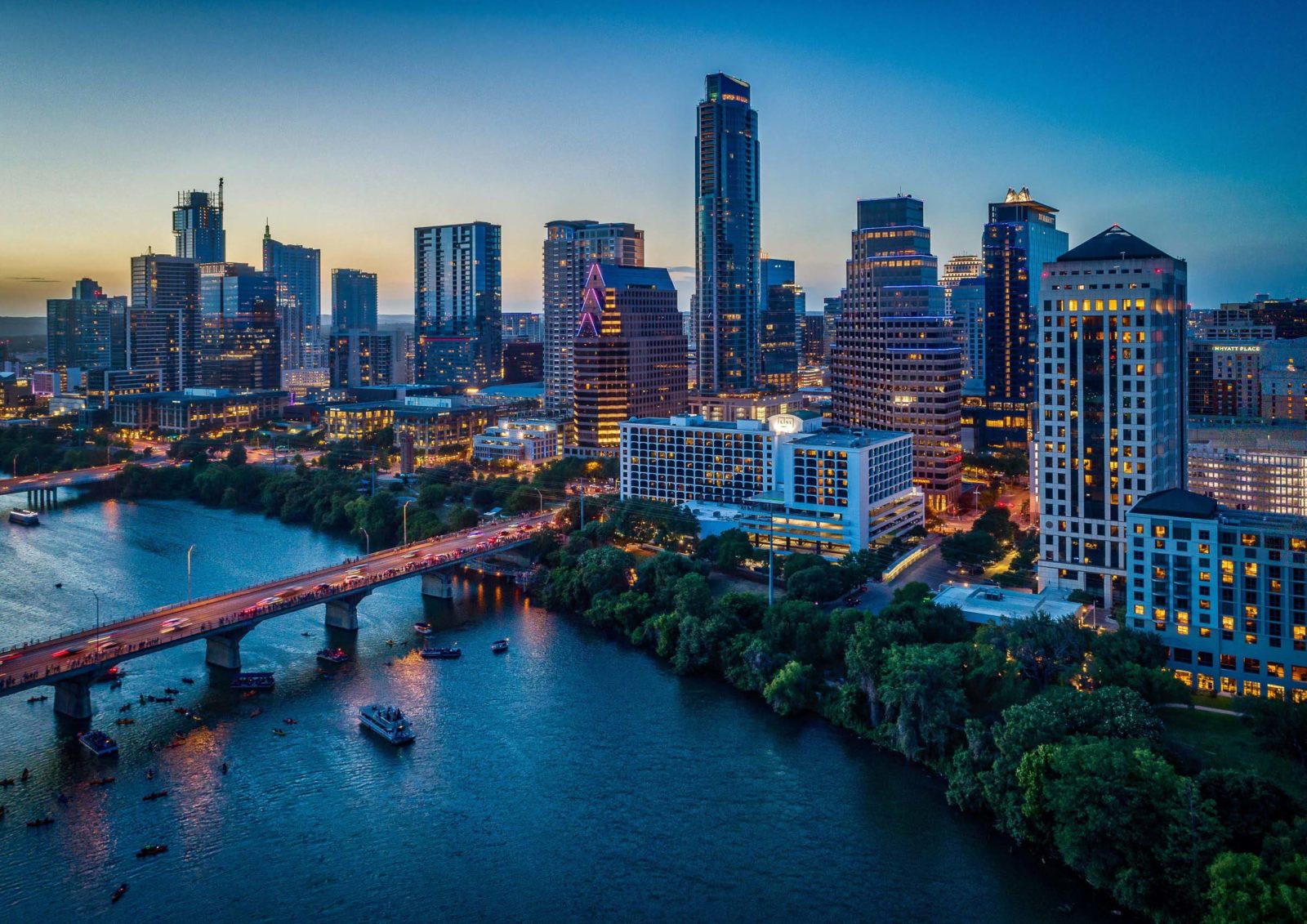
The Multifaceted Impact of Growth on Austin
While Austin’s population surge is a testament to its success, it has also brought about significant challenges and transformations across various aspects of urban life. The sheer speed and scale of growth have placed immense pressure on existing resources and infrastructure, fundamentally altering the city’s character.
Infrastructure, Housing, and Cost of Living
The rapid influx of residents has strained Austin’s infrastructure to its limits. Traffic congestion has become a notorious issue, with daily commutes often extended due to the sheer volume of vehicles on the roads. While efforts are underway to expand public transportation options, such as the CapMetro rail and bus services, and to improve road networks, these initiatives struggle to keep pace with demand. The housing market has been perhaps the most dramatically affected. With more people competing for limited housing stock, real estate prices have skyrocketed, making Austin one of the most expensive cities in Texas and increasingly challenging for many to afford. Both buying and renting have seen unprecedented price increases, leading to concerns about affordability and displacement. This has driven many residents to seek housing in surrounding suburban communities like Round Rock and Georgetown, further expanding the metropolitan footprint and exacerbating regional traffic. For visitors, this translates to higher hotel rates and a greater demand for a diverse range of accommodation options, from luxury suites and resorts to budget-friendly apartments and long-term stay villas. The evolving cost of living is a constant topic of discussion, prompting city planners and community leaders to seek innovative solutions for sustainable development.

Transforming Tourism and Local Culture
The population boom has inevitably reshaped Austin’s tourism and hospitality landscape. While the city has always been a popular destination, the increased number of residents, coupled with global recognition, has fueled an explosion in tourism. This has led to the development of a vast array of hotels, from towering luxury establishments like the JW Marriott Austin and the Hyatt Regency Austin to charming boutique hotels such as Hotel Ella and numerous vacation rentals. The demand for diverse experiences has also grown, leading to more guided tours focusing on local culture, food, and the city’s iconic landmarks like the Texas State Capitol or the Congress Avenue Bridge, famous for its bat colony. New attractions, such as the Museum of Ice Cream Austin, cater to a broader audience seeking unique experiences.
However, the cultural impact extends beyond tourism. The rapid influx of new residents has created a dynamic cultural melting pot, but it also poses challenges to the preservation of the city’s cherished “Keep Austin Weird” ethos. Local businesses and artists, often the backbone of Austin’s unique character, face rising rents and increased competition. There’s an ongoing dialogue about how to balance progress with preservation, ensuring that the authentic charm and independent spirit that drew so many to Austin in the first place are not lost amidst the rapid development. The city’s identity is continuously evolving, a fascinating blend of its historical roots and its ambitious future.
Navigating Austin’s Dynamic Environment: Tips for Travelers and Newcomers
For those planning a visit or considering a move to Austin, understanding its dynamic environment is key to a rewarding experience. The city’s rapid growth means that preparation and an open mind can significantly enhance your time here.
Smart Accommodation and Exploration
Given Austin’s popularity and ongoing growth, securing suitable accommodation is paramount. Visitors should consider booking hotels, suites, apartments, or resorts well in advance, especially during peak seasons or major events like SXSW, Austin City Limits Music Festival, or Formula 1 races. Options range from luxurious hotels in Downtown Austin offering premium amenities to charming boutique stays in areas like South Congress (SoCo) or trendy East Austin. For longer stays or family trips, serviced apartments and villas can provide more space and a home-away-from-home feel. When exploring, consider Austin’s’s layout. While Downtown is walkable, many attractions are spread out. Utilize ride-sharing services, rental cars, or CapMetro public transport, which is continually expanding its routes. Biking is also a popular option, with many dedicated trails, especially around Lady Bird Lake.
Embracing the Local Vibe
To truly experience Austin, immerse yourself in its distinctive local culture. Don’t just stick to the main tourist attractions; venture into neighborhoods like South Congress for quirky shops and vibrant murals, or East Austin for its thriving arts scene and innovative eateries. Sample the city’s legendary food trucks, indulge in authentic Texas BBQ, and explore the diverse range of international cuisines. Catching a live music show is a quintessential Austin experience, with venues ranging from dive bars on Sixth Street to larger concert halls. For nature lovers, spending time at Zilker Park or swimming in Barton Springs Pool offers a refreshing escape. Engaging with the local community, attending farmers’ markets, and supporting independent businesses are excellent ways to connect with the “Keep Austin Weird” spirit. For newcomers, joining local groups, exploring different neighborhoods, and being proactive in understanding the city’s unique rhythms will help you settle into this dynamic and welcoming community. Austin offers a wealth of experiences, from luxury travel to budget-friendly adventures, ensuring there’s something for every visitor and resident to discover.
Austin’s Future: Balancing Growth with Character
Austin’s journey as one of the United States’ fastest-growing cities is far from over. The demographic trends suggest continued expansion, with projections indicating the metropolitan area could reach 3 million residents in the coming years. This trajectory presents both immense opportunities and significant responsibilities. The city faces the ongoing challenge of managing its growth sustainably, ensuring that its infrastructure, environmental resources, and social fabric can adequately support an ever-increasing population.
Urban planners, community leaders, and residents are actively engaged in discussions about smart growth initiatives, expanding public transportation, investing in green infrastructure, and developing more diverse and affordable housing options. The commitment to preserving Austin’s unique character—its vibrant music scene, natural beauty, progressive values, and quirky charm—remains a core priority. While the city continues to evolve, drawing new talent and inspiring innovation, the collective effort to balance economic prosperity with quality of life and cultural preservation will define its future. Austin stands as a compelling case study of modern urban development, a city that, despite its incredible growth, strives to retain the independent spirit and welcoming atmosphere that has made it such a beloved destination for millions.
LifeOutOfTheBox is a participant in the Amazon Services LLC Associates Program, an affiliate advertising program designed to provide a means for sites to earn advertising fees by advertising and linking to Amazon.com. Amazon, the Amazon logo, AmazonSupply, and the AmazonSupply logo are trademarks of Amazon.com, Inc. or its affiliates. As an Amazon Associate we earn affiliate commissions from qualifying purchases.