
Navigating the temporal landscape of any state can be a nuanced endeavor, and Alabama is no exception. Understanding which time zone you fall into is crucial for everything from planning a business meeting to catching a flight, or even just arranging a friendly dinner with someone in a different part of the state. While seemingly straightforward, the application of time zones can sometimes lead to confusion, especially when considering Daylight Saving Time. This guide will demystify the time zone situation in Alabama, ensuring you’re always punctual and informed.
The Central Time Zone Dominance in Alabama
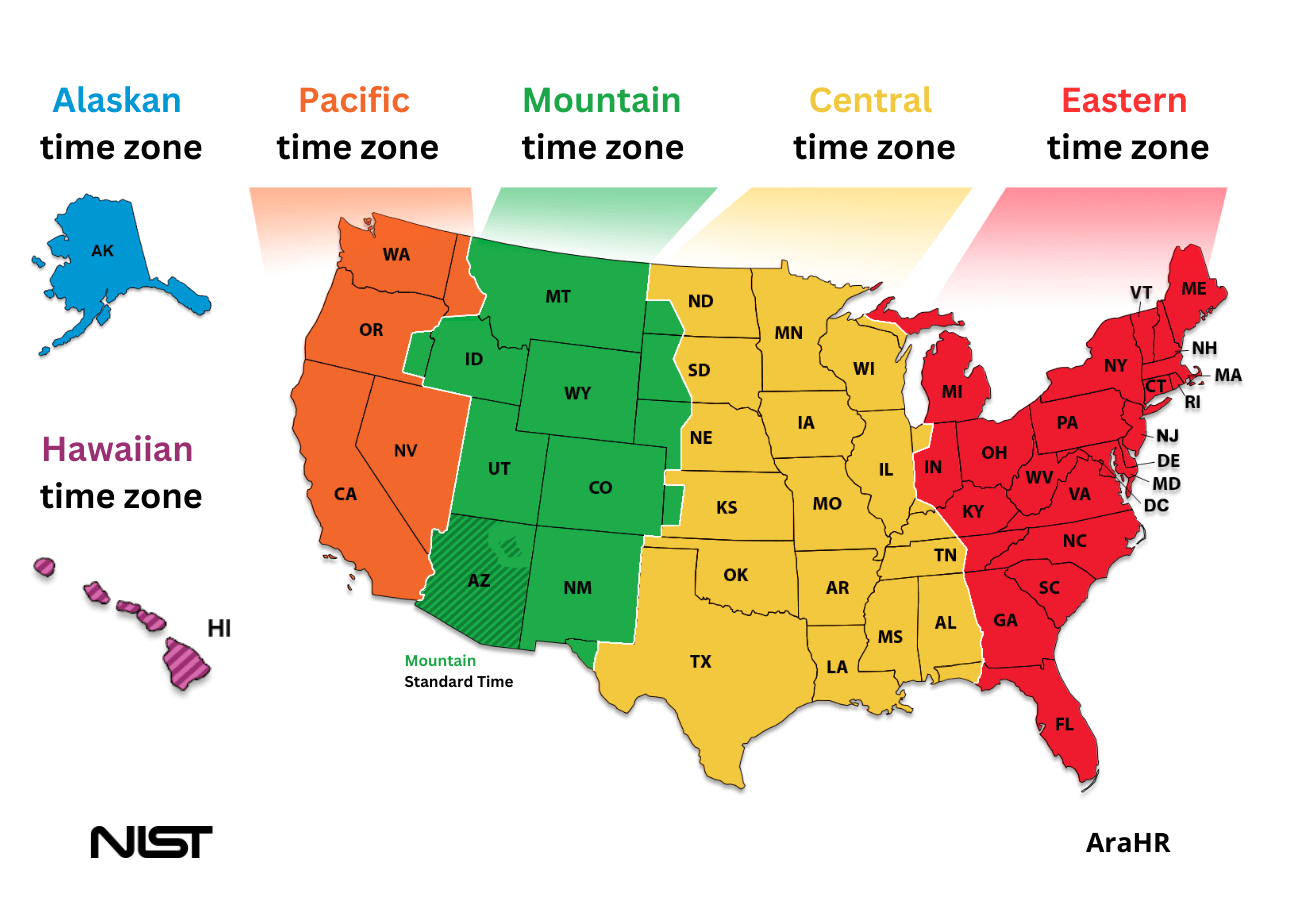
The vast majority of the state of Alabama observes the Central Time Zone (CT). This means that Alabama operates on the same time as the central part of the United States, aligning with major cities like Chicago, Dallas, and New Orleans. The Central Time Zone is UTC-6 during standard time and UTC-5 during Daylight Saving Time.
Understanding Standard Time and Daylight Saving Time
To fully grasp the time zone in Alabama, it’s essential to understand the concept of Daylight Saving Time (DST). DST is the practice of advancing clocks during warmer months so that darkness falls at a later hour of the clock. In the United States, DST typically begins on the second Sunday in March and ends on the first Sunday in November.
During standard time, the Central Time Zone is designated as Central Standard Time (CST), which is UTC-6. This is the time observed in Alabama during the fall and winter months.
When Daylight Saving Time is in effect, the time zone shifts to Central Daylight Time (CDT), which is UTC-5. This occurs during the spring and summer months. Therefore, throughout the year, the time in Alabama will be either CST or CDT, depending on the season.
Which Areas of Alabama Observe Central Time?
Nearly every county in Alabama adheres to the Central Time Zone. This uniformity simplifies temporal calculations for most residents and visitors. Whether you are in the northern reaches near Huntsville, the bustling heart of Birmingham, the historic capital of Montgomery, or the coastal city of Mobile, you are operating within the Central Time Zone.
This consistent observance across the state means that if you are traveling from one Alabama city to another, you do not need to adjust your watch. This is a significant convenience for both internal state travel and for those planning business or leisure trips into Alabama from other regions.
The Practical Implications of Alabama’s Time Zone
Knowing your time zone is more than just an academic exercise; it has tangible effects on daily life and planning. For travelers, it impacts flight schedules, hotel check-in and check-out times, and the timing of guided tours and excursions. For businesses, it’s critical for coordinating with regional offices, scheduling calls, and managing supply chains.
Travel Planning in Alabama
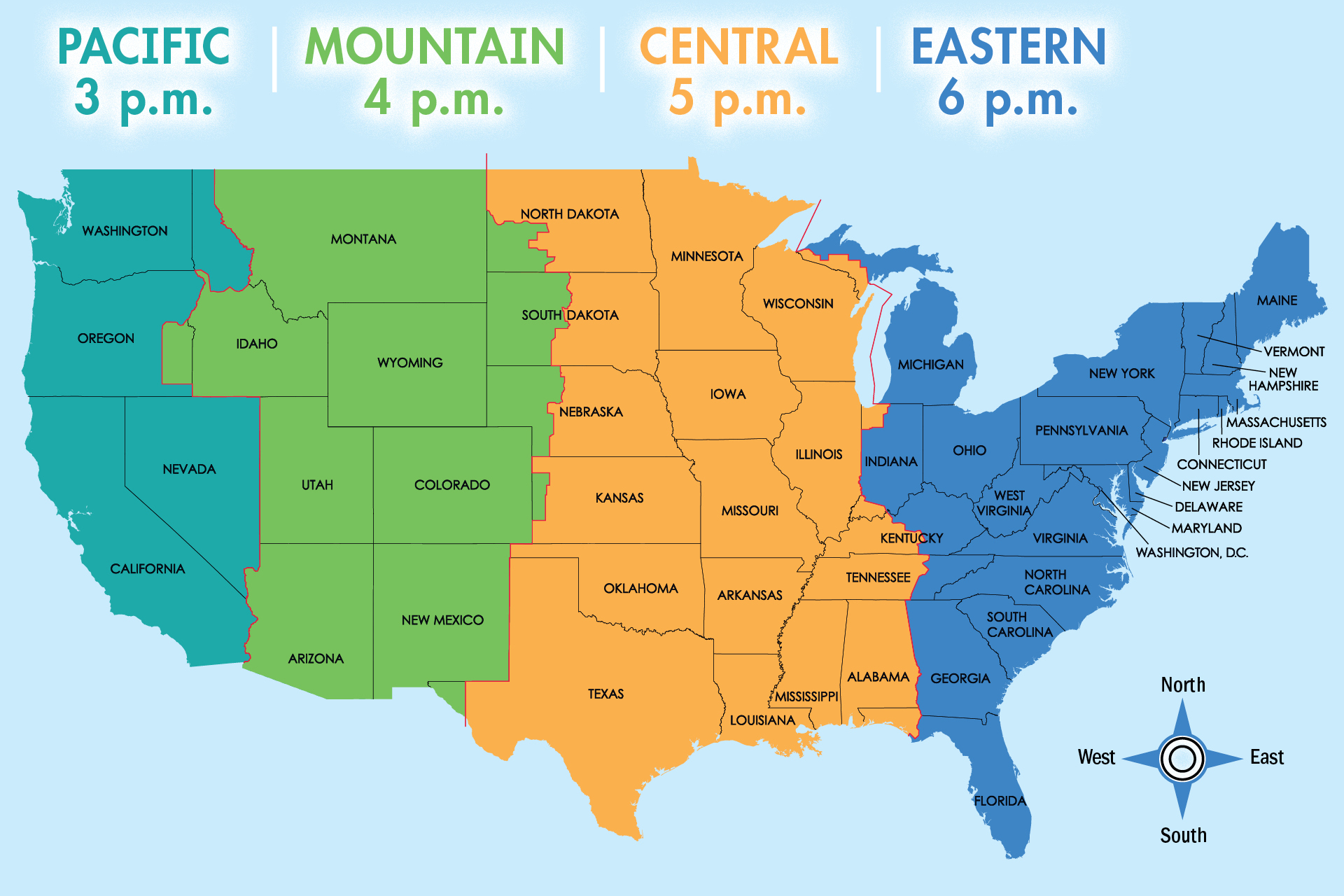
When booking flights to or from Alabama, all departure and arrival times will be listed in the local time of the respective airports. Since most of Alabama is in the Central Time Zone, this generally means you won’t encounter time zone changes when arriving at airports like Birmingham-Shuttlesworth International Airport or Mobile Regional Airport. However, if your travel originates from or is destined for a different time zone, remember to factor in the difference. For instance, traveling from New York (Eastern Time) to Birmingham will mean a one-hour adjustment.
Similarly, when reserving accommodations, be mindful of check-in and check-out times. Most hotels in Alabama, from boutique inns in Florence to large resorts near the coast, will operate on Central Time. If you are arriving from a different time zone, it’s wise to confirm the local time for these arrangements to avoid any misunderstandings.
Business and Professional Coordination
For professionals working in or with Alabama, understanding the Central Time Zone is paramount. Conference calls, video meetings, and project deadlines are all anchored to the local time. When scheduling interactions with businesses or colleagues in Alabama, always confirm the time zone to prevent missed appointments. For example, a meeting scheduled for 10:00 AM in Montgomery would be the same as 10:00 AM in Tuscaloosa.
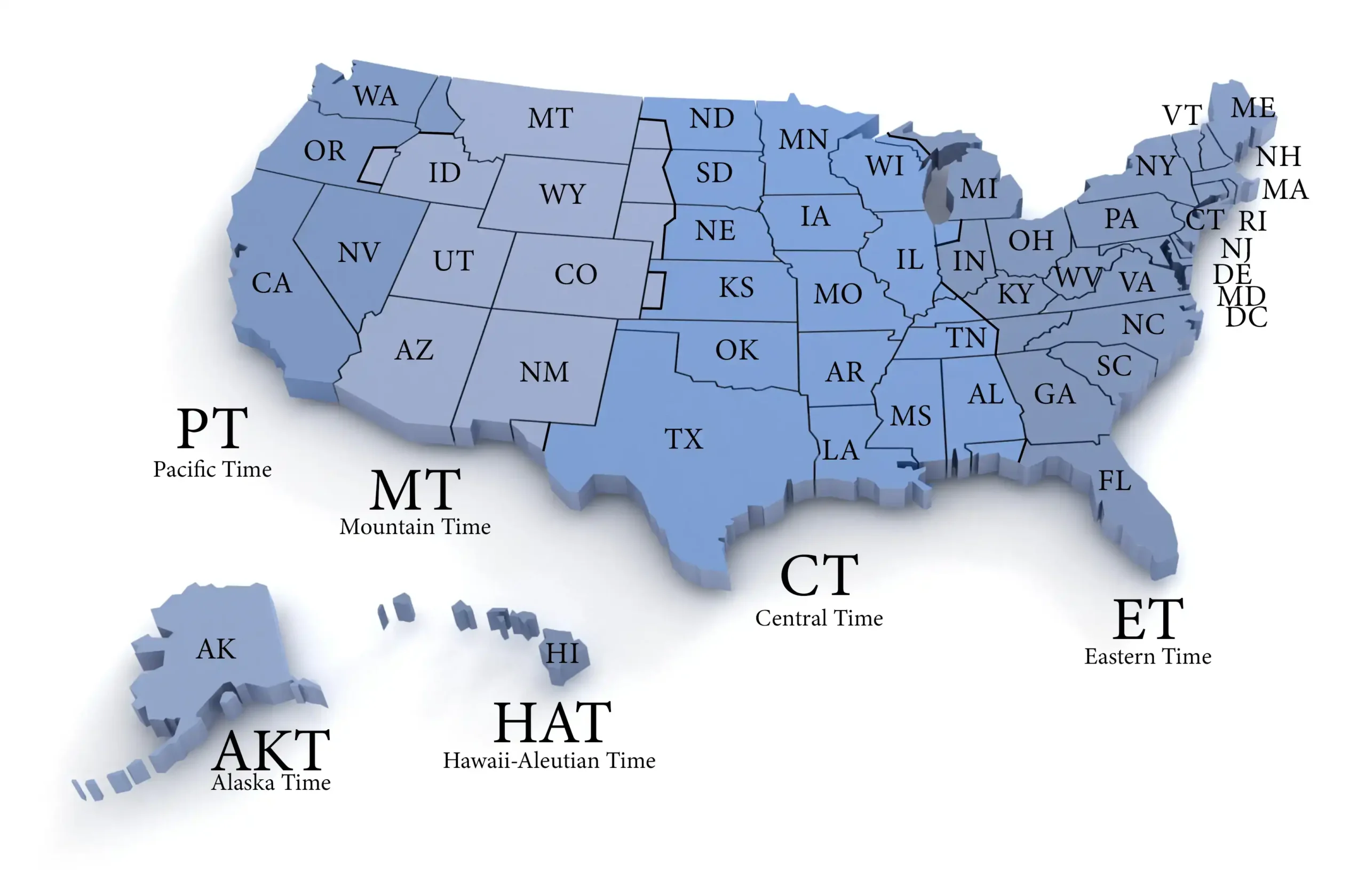
When coordinating with entities in other time zones, such as the Eastern Time Zone (UTC-5/-4), Mountain Time Zone (UTC-7/-6), or Pacific Time Zone (UTC-8/-7), always do the math. A 2:00 PM Central Time meeting would be 3:00 PM Eastern Time, 1:00 PM Mountain Time, and 12:00 PM Pacific Time. This precision is vital for maintaining operational efficiency and fostering strong business relationships across different regions.
Leisure and Daily Life
Even for personal activities, time zone awareness in Alabama is beneficial. Planning to visit attractions like the U.S. Space & Rocket Center in Huntsville or explore the historic sites in Selma? Knowing the local time ensures you arrive during operating hours. The same applies to dining reservations at popular restaurants in Birmingham or catching a sunset cruise along the Gulf Coast near Gulf Shores.
For residents, the consistent observance of Central Time simplifies daily routines, from school start times to television programming schedules. The widespread adoption of this time zone by media outlets and public services within Alabama further solidifies its importance.
Exceptions and Potential Nuances
While the Central Time Zone is the standard across Alabama, it is always prudent to be aware of potential, albeit rare, exceptions or nuances in time zone observance. Historically, some very localized areas might have had different practices, but for all practical purposes today, the entire state operates under Central Time.
Understanding Time Zone Boundaries
The United States has distinct time zone boundaries that divide the country. The boundary between the Central Time Zone and the Eastern Time Zone generally runs north-south, passing through states like Michigan and Indiana. Alabama is situated entirely to the west of this boundary, placing it firmly within the Central Time Zone.
For travelers, it’s important to note that some counties, particularly in western parts of states that border Alabama, might observe different time zones. For instance, counties in the Florida panhandle bordering Alabama are in the Central Time Zone, but other parts of Florida are in the Eastern Time Zone. This highlights the importance of checking local time when crossing state lines, even if the neighboring state is geographically close.
The Role of Daylight Saving Time in Alabama
As mentioned, Alabama observes Daylight Saving Time. This means that clocks are moved forward one hour in the spring and back one hour in the fall. This practice is codified by federal law and adopted by the state legislature. While there have been discussions and proposals in various states and even at the federal level regarding the permanent adoption of either standard time or daylight saving time, Alabama currently follows the traditional DST schedule.
Therefore, it is crucial to be aware of the dates when DST begins and ends each year. These dates are standardized across the U.S., so if you are familiar with the DST schedule in other states, it will be the same for Alabama. This ensures that you are not caught off guard by time changes when planning events or travel.
Staying Current: Resources for Time Zone Information
In an era of interconnectedness, staying informed about time zones is easier than ever. However, for absolute certainty, especially when dealing with critical scheduling, utilizing reliable resources is key.
Digital Tools and Devices
Most modern digital devices, such as smartphones, computers, and smartwatches, are programmed to automatically update their time based on your location and network settings. When you travel to Alabama, your device should ideally adjust to the local Central Time Zone. However, it’s always a good practice to verify this, especially if you have manually set your time or are in an area with poor network connectivity.
Many operating systems and applications offer features to display multiple time zones simultaneously. This is particularly useful for businesses with international clients or employees in different parts of the country. You can often add “Central Time” to your clock display to easily reference the time in Alabama.
Official Government and Timekeeping Websites
For the most accurate and official information, consulting government websites or reputable timekeeping organizations is recommended. The National Institute of Standards and Technology (NIST) in the United States is a primary source for time standards and information. Their website provides details on time zones, DST rules, and the current atomic time.
While not strictly necessary for daily use within Alabama due to its consistent time zone, understanding these official sources can be invaluable for complex international travel planning or when dealing with time-sensitive scientific or technical applications.
Conclusion: Embracing Alabama’s Temporal Flow
In essence, the question “What is my time zone Alabama?” has a clear and straightforward answer for the overwhelming majority of the state: Central Time Zone. This consistent temporal framework simplifies life for residents and visitors alike, facilitating seamless travel, business operations, and daily activities. Whether you are exploring the historic streets of Tuscaloosa, enjoying the natural beauty of Cheaha State Park, or attending a business conference in Huntsville, you can be confident that your watch aligns with the rhythm of Central Time. Remembering to account for Daylight Saving Time shifts will ensure you are always perfectly synchronized with the pulse of Alabama.
LifeOutOfTheBox is a participant in the Amazon Services LLC Associates Program, an affiliate advertising program designed to provide a means for sites to earn advertising fees by advertising and linking to Amazon.com. Amazon, the Amazon logo, AmazonSupply, and the AmazonSupply logo are trademarks of Amazon.com, Inc. or its affiliates. As an Amazon Associate we earn affiliate commissions from qualifying purchases.