
The term “Sooner” is inextricably linked to the state of Oklahoma, evoking images of westward expansion, determined settlers, and a unique spirit of frontier tenacity. But for those unfamiliar with the lore of the American West, the meaning behind “Sooner” might remain elusive. This article delves into the historical origins of the term and explores its multifaceted significance in contemporary Oklahoma and its enduring place within the state’s identity and tourism landscape.
The Genesis of the “Sooner”
The story of the “Sooners” begins with the Land Run of 1889, a pivotal event in the settlement of the American West. In April of that year, the United States government opened up nearly two million acres of unassigned land in present-day Oklahoma for settlement. This vast territory, often referred to as the Oklahoma Territory, was to be claimed through a grand race – a land run where settlers would stake their claims at the firing of a gun.
However, the allure of fertile land and the promise of a new beginning proved too potent for some. A number of individuals, eager to secure the best parcels of land, illegally entered the territory before the official start of the land run. These early arrivals, who gained an unfair advantage by “sooner” than allowed, became known as “Sooners.”
Land Run Myths and Realities
While the “Sooner” label was initially derogatory, implying a cheat or an opportunist, the narrative surrounding these early settlers evolved over time. The romanticized image of the brave pioneer, willing to take risks for a better life, began to overshadow the less savory origins of the term. The Oklahoma Historical Society and other institutions have worked to present a nuanced view, acknowledging both the illegal entry and the courage and drive that characterized many of these early inhabitants. The success of these “Sooners,” in establishing farms and communities, contributed to the eventual growth and prosperity of the region.
The Sooner Spirit: More Than Just a Name
Beyond its historical context, the “Sooner” identity has become a cornerstone of Oklahoma’s cultural fabric. It represents a spirit of ambition, perseverance, and a willingness to forge one’s own destiny. This spirit is palpable in the state’s robust economy, its resilient communities, and its strong sense of independence.
University of Oklahoma’s Sooner Pride
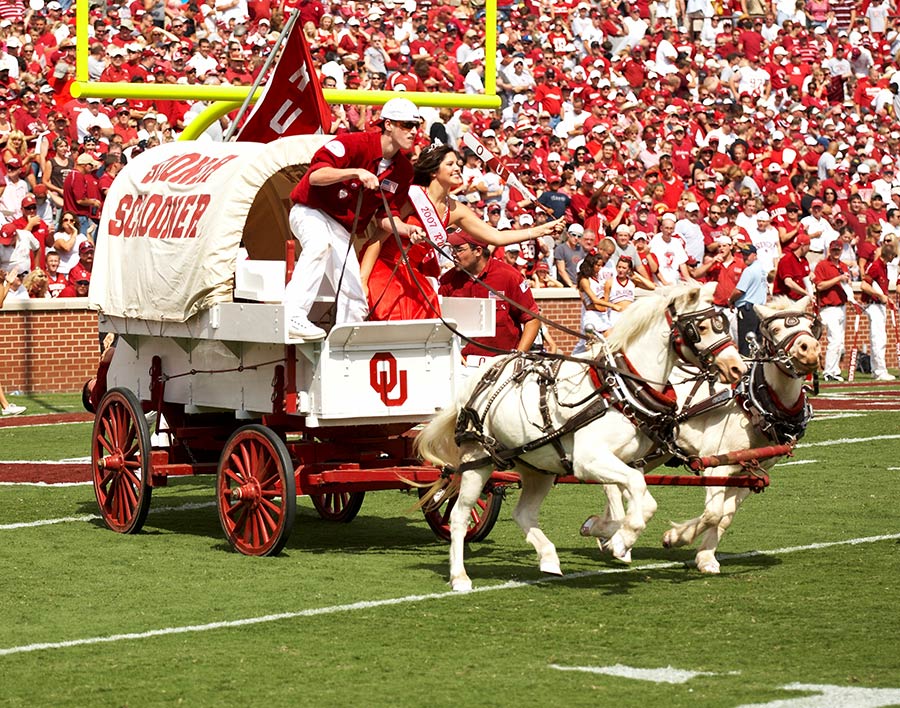
Perhaps the most visible and widespread manifestation of the “Sooner” identity is through the University of Oklahoma (OU). In 1908, the university officially adopted “Sooners” as its athletic mascot and team name. This choice was a deliberate embrace of the state’s historical narrative, transforming a once-controversial term into a symbol of pride and athletic prowess.

The OU Sooners are renowned for their successful athletic programs, particularly in football. The fervent fanbase, often referred to as the “Crimson and Cream” following the university’s colors, embodies the energetic and passionate “Sooner” spirit. Game days at Oklahoma Memorial Stadium are a spectacle of collective enthusiasm, a testament to how deeply the “Sooner” identity is woven into the state’s collective consciousness.
Cultural and Social Integration
The “Sooner” moniker extends far beyond the realm of sports. It permeates various aspects of Oklahoma life, from local businesses and street names to the informal nickname given to native Oklahomans themselves. When someone refers to a person as “a Sooner,” it is often an affectionate nod to their heritage and a recognition of the pioneering spirit that helped shape the state. This adopted identity has become a unifying force, connecting diverse communities under a shared banner of local pride.
Exploring Oklahoma Through the Sooner Lens
For visitors and residents alike, understanding the “Sooner” story offers a deeper appreciation of Oklahoma and its unique character. Exploring the state through this historical and cultural lens reveals a landscape rich with stories of resilience and ambition.
Historical Sites and Museums
To truly grasp the origins of the “Sooner” phenomenon, a visit to relevant historical sites and museums is essential. The Oklahoma History Center in Oklahoma City offers comprehensive exhibits detailing the state’s settlement history, including the Land Runs. Museums in smaller towns across the state often feature local histories that highlight the early pioneers and their struggles. These institutions provide invaluable context, painting a vivid picture of the challenges and triumphs that defined the “Sooner” era.
Experiencing Sooner Culture Today
The “Sooner” spirit is alive and well in modern Oklahoma. This can be experienced through various activities and attractions:
- Attending an OU Sporting Event: As mentioned, this is perhaps the most vibrant way to witness the “Sooner” spirit in action. The energy and passion of the crowds are infectious, providing an unforgettable experience.
- Exploring Historic Towns: Many towns in Oklahoma were founded during the Land Run era. Visiting their historic districts, often featuring preserved buildings and pioneer cemeteries, offers a tangible connection to the past. Towns like Guthrie, the first territorial capital, are particularly rich in history.
- Visiting State Parks and Natural Landscapes: While not directly related to the historical meaning of “Sooner,” the adventurous spirit that drove settlers to claim land can be mirrored in exploring Oklahoma’s diverse natural beauty. From the rolling plains of the Great Plains to the scenic beauty of the Ouachita Mountains, the state offers numerous opportunities for outdoor recreation and discovery, echoing the pioneering spirit of exploration.
- Engaging with Local Festivals and Events: Throughout the year, Oklahoma hosts numerous festivals and cultural events that celebrate its heritage. These often include historical reenactments, local crafts, and traditional music, all of which contribute to the vibrant tapestry of “Sooner” culture.

Conclusion: The Enduring Legacy of the Sooner
The term “Sooner,” born from a contentious moment in Oklahoma’s history, has transformed into a powerful symbol of state identity. It represents the audacious spirit of the pioneers who dared to venture into the unknown, driven by a desire for opportunity and a belief in a better future. Today, “Sooner” signifies not just a historical fact, but a living ethos – one of resilience, ambition, and unwavering pride in the unique heritage of the Sooner State. Whether cheering on the University of Oklahoma Sooners or exploring the historical heartland, the “Sooner” spirit offers a compelling invitation to experience the enduring legacy of Oklahoma.
LifeOutOfTheBox is a participant in the Amazon Services LLC Associates Program, an affiliate advertising program designed to provide a means for sites to earn advertising fees by advertising and linking to Amazon.com. Amazon, the Amazon logo, AmazonSupply, and the AmazonSupply logo are trademarks of Amazon.com, Inc. or its affiliates. As an Amazon Associate we earn affiliate commissions from qualifying purchases.