
The state of Alabama, nestled in the heart of the American South, possesses a rich tapestry of history, culture, and natural beauty that has etched its name into the collective American consciousness. While often recognized for specific pivotal moments in history, its fame extends far beyond the headlines, encompassing a vibrant local culture, significant contributions to American music, and breathtaking natural landscapes. This exploration delves into the diverse elements that make Alabama a state of profound significance and enduring appeal, particularly for those seeking authentic travel experiences.
A Cradle of American History and Civil Rights
Alabama holds a unique and often somber position in the narrative of American history, particularly concerning the Civil Rights Movement. The state served as a crucial battleground for the fight for racial equality, with pivotal events unfolding in its cities and towns, leaving an indelible mark on the nation’s journey towards justice.

The Heart of the Civil Rights Movement
Birmingham, often referred to as “Bombingham” due to the prevalence of racial violence, was a focal point of the movement. The Birmingham Campaign of 1963, organized by the Southern Christian Leadership Conference (SCLC), saw Martin Luther King Jr. and other activists employ nonviolent tactics, including boycotts and sit-ins, to challenge segregationist laws. Images of the brutal response from authorities, including the use of fire hoses and police dogs against peaceful protestors, shocked the nation and the world, galvanizing support for civil rights legislation. The 16th Street Baptist Church in Birmingham was the site of a tragic bombing in 1963, which killed four young girls, a stark reminder of the violent resistance faced by the movement.
Montgomery, the state capital, also played a central role. The Montgomery Bus Boycott, sparked by Rosa Parks‘ courageous refusal to give up her seat to a white passenger in 1955, lasted over a year and successfully desegregated the city’s buses. Martin Luther King Jr. emerged as a prominent leader during this boycott, delivering powerful speeches that resonated across the country. The Dexter Avenue King Memorial Baptist Church in Montgomery was where he served as pastor, further cementing the city’s importance. Selma, another pivotal city, is renowned for the Selma to Montgomery marches of 1965. These marches, including the brutal “Bloody Sunday” on the Edmund Pettus Bridge, aimed to highlight the disenfranchisement of Black voters and ultimately led to the passage of the Voting Rights Act of 1965. Visitors can explore these historic sites through a dedicated Civil Rights Trail, offering a profound and educational travel experience.
Beyond Civil Rights: Early American Influence
Alabama‘s historical significance predates the Civil Rights Movement. It was a key territory in the expansion of the United States and played a role in Native American history. Fort Toulouse and Fort Jackson, historical sites, offer glimpses into the colonial and early American periods. The state’s agricultural past, particularly its role in cotton production, also shaped its economic and social development, influencing its unique cultural identity.
A Musical Heritage: Birthplace of Blues and Country
Alabama‘s contribution to American music is immeasurable, serving as a fertile ground for genres that have shaped global soundscapes. From the raw emotion of the blues to the heartfelt storytelling of country music, the state’s musical legacy is a vital part of its identity and a compelling draw for travelers interested in cultural immersion.
The Roots of the Blues
The fertile soil of Alabama, particularly the Black Belt region, nurtured the blues. Musicians drew inspiration from their experiences, weaving tales of hardship, love, and resilience into their songs. While often associated with Mississippi, Alabama produced its own influential blues artists and developed distinct regional styles. The W.C. Handy Music Museum in Florence, dedicated to the “Father of the Blues,” offers a window into this crucial musical heritage. Florence itself is a hub for music history, with connections to artists like W.C. Handy and Etta James.
Country Music’s Enduring Influence
The influence of country music is also deeply ingrained in Alabama. The state has been home to numerous country music artists and has contributed to the evolution of the genre. The Alabama Music Hall of Fame in Tuscumbia celebrates the state’s diverse musical achievements, honoring icons from various genres, including country, rock, and soul. This attraction provides an engaging overview of Alabama‘s musical pioneers and their lasting impact.
The Sound of the South: Gospel and More

Beyond blues and country, Alabama boasts a rich tradition of gospel music, deeply intertwined with the region’s spiritual and cultural life. The soulful harmonies and powerful messages of gospel have resonated for generations. The state also has a significant influence on Southern rock and soul music, further diversifying its musical landscape and offering a vibrant soundtrack for any visit.
Natural Wonders and Outdoor Adventures
Beyond its historical and cultural significance, Alabama captivates with its diverse natural beauty, offering a wealth of opportunities for outdoor exploration and relaxation. From rolling hills to pristine coastlines, the state’s landscapes provide a refreshing contrast to its urban and historical centers.
The Appalachian Foothills and the Gulf Coast
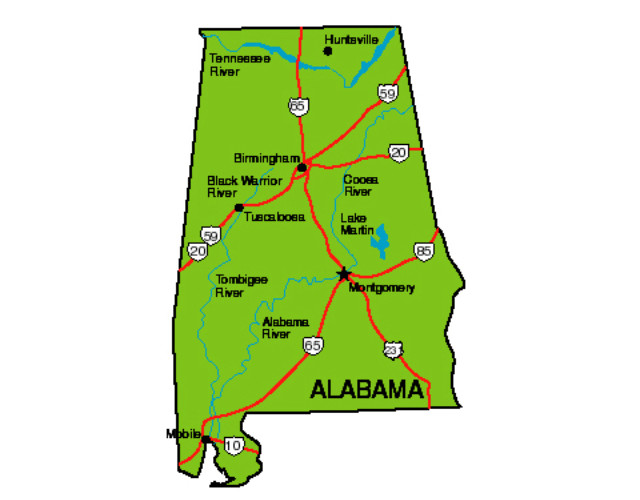
In the northern part of the state, the foothills of the Appalachian Mountains offer scenic drives and hiking opportunities. Cheaha State Park, home to Mount Cheaha, the highest point in Alabama, provides stunning panoramic views and a network of trails. Further south, the state transitions to pine forests and fertile plains before reaching the picturesque Gulf Coast.
Coastal Charm and Marine Life
Alabama‘s coastline along the Gulf of Mexico is renowned for its soft, white-sand beaches and clear, emerald waters. Gulf Shores and Orange Beach are popular destinations for sunbathers, swimmers, and families. These coastal towns offer a relaxed atmosphere, vibrant seafood restaurants, and a variety of water sports. The Bon Secour National Wildlife Refuge provides a sanctuary for diverse wildlife, including migratory birds and sea turtles, offering excellent opportunities for birdwatching and nature walks. Dauphin Island is another coastal gem, known for its bird sanctuary and the historic Fort Gaines.
Rivers, Lakes, and Forests
Alabama is also characterized by its numerous rivers, lakes, and extensive forests, providing ample opportunities for outdoor recreation. Activities like fishing, boating, and kayaking are popular on bodies of water such as Lake Martin and the Tennessee River. The state’s lush forests offer shaded trails for hiking and biking, making it an ideal destination for nature enthusiasts seeking a tranquil escape. The Bankhead National Forest and the Talladega National Forest are vast areas offering diverse ecosystems and recreational pursuits.
A Taste of Southern Hospitality and Cuisine
Alabama‘s culinary scene is a delicious reflection of its Southern heritage, characterized by rich flavors, hearty dishes, and a warm sense of hospitality. Exploring the local food scene is an integral part of experiencing the state’s unique culture.
Barbecue and Southern Staples
Barbecue is an art form in Alabama, with regional variations and passionate devotees. From slow-smoked pulled pork to tender ribs, Alabama offers a diverse range of barbecue styles. Beyond barbecue, classic Southern dishes like fried chicken, collard greens, cornbread, and pecan pie are staples found across the state, prepared with love and tradition.
Coastal Delights and Seafood
Given its Gulf Coast presence, Alabama offers exceptional seafood. Freshly caught shrimp, oysters, and fish are prepared in a variety of delicious ways, from casual fish fries to elegant dining experiences. Mobile Bay is a particularly renowned area for its oyster beds.
Sweet Tea and Southern Charm
No exploration of Alabama‘s culinary landscape would be complete without mentioning the ubiquitous sweet tea, a symbol of Southern hospitality. From roadside diners to upscale restaurants, the emphasis on fresh, local ingredients and a welcoming atmosphere defines the Alabama dining experience, making every meal a memorable occasion.
LifeOutOfTheBox is a participant in the Amazon Services LLC Associates Program, an affiliate advertising program designed to provide a means for sites to earn advertising fees by advertising and linking to Amazon.com. Amazon, the Amazon logo, AmazonSupply, and the AmazonSupply logo are trademarks of Amazon.com, Inc. or its affiliates. As an Amazon Associate we earn affiliate commissions from qualifying purchases.