
The Colorado River: A Lifeline Through Arid Lands
The Colorado River is one of North America’s most iconic and vital natural landmarks, a powerful artery that carves its way through vast stretches of arid and semi-arid landscapes in the Southwestern United States and Mexico. Spanning approximately 1,450 miles, its journey begins in the Rocky Mountains of Colorado, flowing through Utah, Arizona, Nevada, and California before reaching its historic delta in the Gulf of California. This immense waterway has sculpted some of the planet’s most dramatic geological features, including the awe-inspiring Grand Canyon, and has sustained diverse ecosystems for millennia.
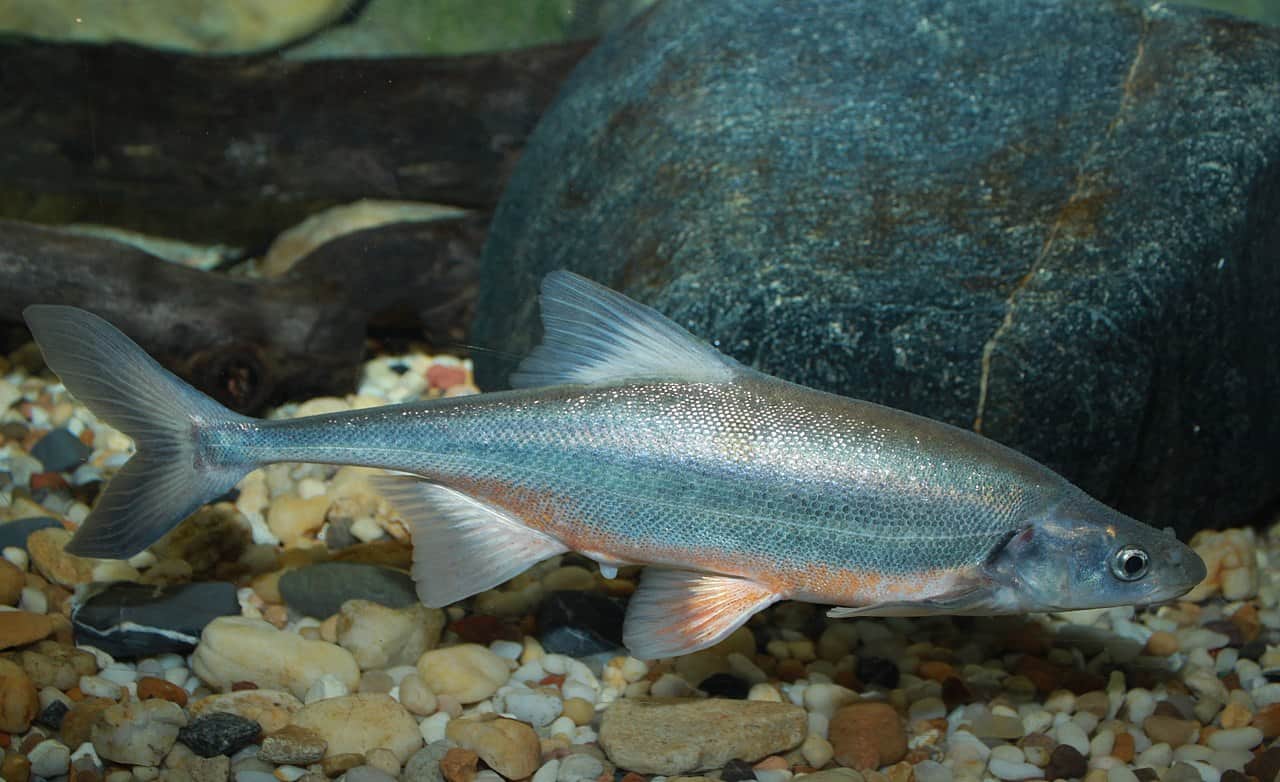
For the aquatic life within its currents, the Colorado River has historically presented a unique and challenging environment. Its natural regime was characterized by extreme fluctuations: massive spring floods fed by snowmelt, periods of low, warm flow, high sediment loads that gave it its characteristic reddish-brown hue (hence “Colorado,” meaning “red-colored”), and significant temperature variations. Over evolutionary time, native fish species developed remarkable adaptations to thrive in these harsh, dynamic conditions. Understanding the fish species inhabiting the Colorado River is to delve into the very ecological heart of this majestic natural landmark, revealing a complex tapestry of survival, adaptation, and ongoing conservation challenges.
Native Species: The Endemic Treasures
The native fish fauna of the Colorado River basin is a testament to evolution’s power, showcasing species uniquely adapted to the river’s historical extremes. These endemic fish are characterized by specific traits such as streamlined bodies for navigating powerful currents, small eyes for turbid waters, and specialized feeding structures. Many of these species are now critically endangered, making their identification and protection a crucial aspect of preserving the river’s natural heritage.
The Colorado Pikeminnow
Once abundant throughout the mainstem Colorado River and its major tributaries, the Colorado Pikeminnow (Ptychocheilus lucius) is the largest native minnow in North America and the top aquatic predator of the basin. Adults can reach lengths of up to six feet and weigh over 80 pounds, historically preying on smaller fish. Its torpedo-shaped body, large mouth, and powerful tail fins are perfectly suited for hunting in swift, turbid waters. These magnificent fish are long-lived, some surviving for over 40 years, and undertake extensive migrations, often traveling hundreds of miles to spawn. Today, the Colorado Pikeminnow is federally endangered, its populations severely impacted by habitat alteration, dams blocking migration routes, and the introduction of non-native predators.
Humpback Chub
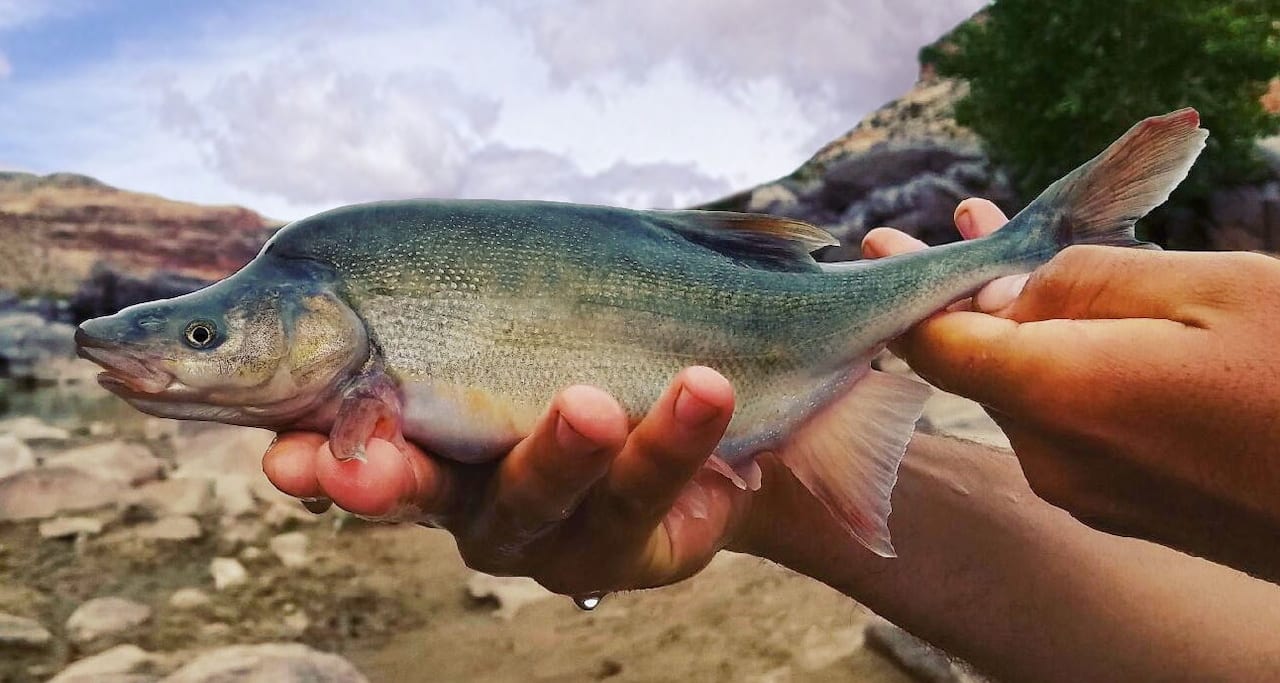
The Humpback Chub (Gila cypha) is perhaps the most iconic example of adaptation to the Colorado River’s canyon environments. Its distinctive bony hump behind the head and large, paddle-like fins are adaptations for navigating the fierce rapids and eddies of canyon sections, particularly within the Grand Canyon. The hump is thought to provide stability in turbulent flows, allowing the fish to maintain position without expending excessive energy. These fish typically grow to about 15-20 inches and primarily feed on insects and plant matter. The Humpback Chub’s habitat is specialized, preferring deep, swift-moving canyon waters, making it highly vulnerable to changes in flow regimes and temperature introduced by dams. It is also listed as an endangered species.
Bonytail Chub
The Bonytail Chub (Gila elegans) holds the unfortunate distinction of being one of North America’s rarest fish. Characterized by its extremely slender body, small head, and large fins, the Bonytail Chub once occupied the mainstem Colorado River from Wyoming to Mexico. Its rarity today is a stark indicator of the dramatic changes the river has undergone. Historically, it thrived in the slow-moving backwaters and eddies of the river system. Conservation efforts rely heavily on hatchery breeding programs and reintroduction into protected areas, but self-sustaining wild populations remain critically low.
Razorback Sucker
The Razorback Sucker (Xyrauchen texanus) is another distinctive native fish, named for the prominent, sharp-edged keel or “razorback” behind its head. This large, long-lived bottom-feeder can live for over 40 years, reaching lengths of up to three feet. It feeds primarily on algae, detritus, and small invertebrates, playing a vital role in nutrient cycling within the river ecosystem. Historically, Razorback Suckers migrated long distances to spawn in floodplains and backwaters. Like its fellow native species, its populations have plummeted due to habitat loss, altered flow regimes from dams, and predation by non-native species, earning it an endangered status.
Flannelmouth Sucker and Bluehead Sucker
Beyond these four critically endangered species, the Colorado River is also home to other native suckers, including the Flannelmouth Sucker (Catostomus latipinnis) and the Bluehead Sucker (Catostomus discobolus). While not as critically imperiled as their counterparts, these species are still highly vulnerable to environmental changes. The Flannelmouth Sucker is a relatively large sucker found throughout the basin, preferring gravelly runs and riffles. The Bluehead Sucker, smaller with a distinctive blue-grey head, thrives in swifter, colder waters and plays a crucial role in maintaining stream health by scraping algae from rocks. Their presence often indicates healthier, more intact river sections.
Introduced Species: Challenges and Changes
The pristine, untamed nature of the Colorado River began to transform significantly in the 20th century with extensive dam construction, flow regulation, and the widespread introduction of non-native fish species. These introduced species, brought in for sport fishing, forage for other fish, or accidentally released, have fundamentally altered the aquatic ecosystem, posing severe threats to the survival of native fish.
Predation and Competition
Many non-native fish species are highly aggressive predators or competitors that directly impact native populations. Species like the Smallmouth Bass (Micropterus dolomieu), Channel Catfish (Ictalurus punctatus), Rainbow Trout, and Brown Trout (Salmo trutta) thrive in the altered, colder, and clearer waters created by dams and reservoirs. They prey on the eggs, larvae, and juvenile native fish, and compete with adult natives for food and habitat resources. The native fish, evolved in a system without such efficient predators, often lack the defensive behaviors necessary to evade these newcomers. This predation is a primary driver of native fish declines, especially for the young of species like the Colorado Pikeminnow and Humpback Chub.
Habitat Alteration
The construction of major dams like Hoover Dam, forming Lake Mead, and Glen Canyon Dam, creating Lake Powell, dramatically reshaped the river’s environment. These dams created cold, clear tailwater fisheries below their immense walls, ideal for species like Rainbow Trout that were stocked for recreational fishing. They also blocked migratory pathways, fragmented populations, and eliminated the natural flood pulses that native fish relied upon for spawning cues and creating essential floodplain habitats. The reduced turbidity and stabilized temperatures favored introduced species, which were better adapted to these new, lake-like conditions or cold, clear river sections. The altered river no longer supports the life cycles of many native fish as it once did.
Conservation Efforts and the Future of Colorado River Fish
Recognizing the critical state of the Colorado River’s native fish, extensive conservation efforts are underway, representing a monumental undertaking to preserve this vital aspect of the landmark’s natural history. These efforts are complex, requiring collaborative approaches and innovative solutions to reverse decades of decline.
Habitat Restoration
One of the cornerstones of conservation is restoring critical habitat. This includes removing or modifying barriers to fish migration, restoring natural flow regimes (where feasible, through controlled dam releases that mimic historical floods), and rehabilitating riparian zones which provide essential cover and food sources. Creating and protecting backwater habitats and shallow nursery areas that are less hospitable to non-native predators is also crucial for juvenile native fish.
Hatchery Programs and Reintroductions
For critically endangered species like the Bonytail Chub and Razorback Sucker, hatchery propagation plays an indispensable role. Fish are bred in controlled environments, raised to a size where they are less vulnerable to predation, and then reintroduced into suitable river sections or protected wetlands. These reintroduction programs are carefully monitored to assess success rates and adapt strategies.
Non-Native Species Management
Controlling or removing problematic non-native fish is a challenging but necessary component of conservation. Methods include targeted electrofishing, seining, and even angling efforts to reduce populations of species like Smallmouth Bass and Channel Catfish in critical native fish habitats. These efforts are often focused on areas where native fish are being reintroduced or are attempting to establish populations.

The Importance of Collaboration
The scale of the Colorado River ecosystem demands extensive collaboration. Federal agencies like the U.S. Fish and Wildlife Service, along with state agencies such as the Arizona Game and Fish Department and Colorado Parks and Wildlife, academic institutions, and numerous non-governmental organizations, work together on research, monitoring, and implementation of recovery programs. International cooperation with Mexico is also vital for managing the lower river and delta. The future of the Colorado River’s unique fish fauna hinges on these sustained, collaborative efforts to balance human needs with ecological preservation within one of North America’s most magnificent natural landmarks.
LifeOutOfTheBox is a participant in the Amazon Services LLC Associates Program, an affiliate advertising program designed to provide a means for sites to earn advertising fees by advertising and linking to Amazon.com. Amazon, the Amazon logo, AmazonSupply, and the AmazonSupply logo are trademarks of Amazon.com, Inc. or its affiliates. As an Amazon Associate we earn affiliate commissions from qualifying purchases.