
Alabama, a state steeped in natural beauty and rich in outdoor traditions, offers a vibrant tapestry of experiences for enthusiasts of all kinds. Among the most anticipated events for many is the opening of turkey season, a time that draws hunters and nature lovers alike to its sprawling woodlands and picturesque landscapes. Understanding the nuances of Alabama’s turkey season is key to planning a successful and enjoyable outing, whether your focus is on the thrill of the hunt, the quiet observation of wildlife, or simply immersing yourself in the state’s abundant natural splendor.
This guide delves into the specifics of Alabama’s turkey hunting seasons, providing essential information for those looking to explore this exciting aspect of the state’s tourism and outdoor activities. From the optimal times to be in the field to the various regions that offer prime hunting grounds, we aim to equip you with the knowledge needed to make the most of your Alabama adventure. Beyond the hunt itself, the state’s dedication to conservation and wildlife management ensures that these seasons not only provide recreational opportunities but also contribute to the long-term health of its natural ecosystems.
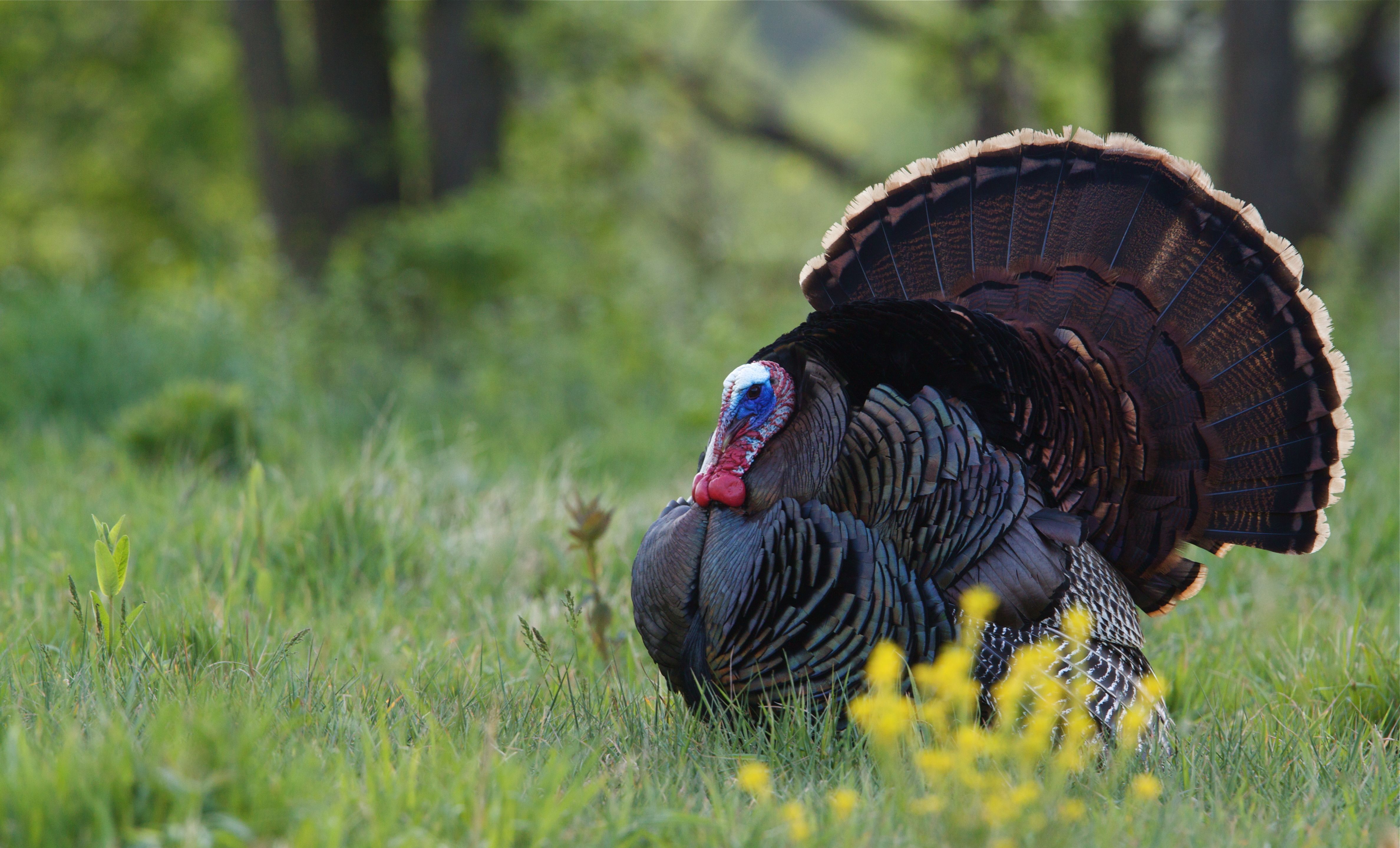
Understanding Alabama’s Spring Turkey Season
Alabama’s spring turkey season is a cornerstone of the state’s outdoor calendar, eagerly awaited by hunters and celebrated by those who appreciate the resurgence of nature in the springtime. The season is meticulously structured to balance hunting opportunities with the critical reproductive needs of the wild turkey population, ensuring sustainability for years to come. The Alabama Department of Conservation and Natural Resources (ADCNR) plays a pivotal role in setting these regulations, working to conserve and manage the state’s wildlife populations effectively.
Key Dates and Regulations
The spring turkey season in Alabama is divided into different zones, each with its own specific opening and closing dates. This zoning approach allows for varied hunting pressure across different parts of the state and helps to accommodate regional differences in turkey behavior and nesting cycles.
- Zone 1: Typically opens earlier, often in mid-March. This zone generally encompasses the southwestern portion of the state. Hunters in Zone 1 can expect the season to run for a set period, usually concluding in late April or early May.
- Zone 2: Generally opens a week or two after Zone 1, usually in late March or early April. This zone covers the remaining counties in the state. The season in Zone 2 also concludes in late April or early May, with a duration designed to provide ample hunting time.
It is crucial for all hunters to consult the official Alabama Hunting and Fishing Regulations published annually by the ADCNR. These regulations provide the most up-to-date and precise information on season dates, legal shooting hours, bag limits, legal hunting equipment, and specific county designations for each zone. The ADCNR website is the definitive source for these details, and staying informed about any emergency rule changes or amendments is paramount.
Bag Limits and Legal Game
The spring turkey season is primarily for gobblers (adult male turkeys) and toms (young male turkeys). Hens (female turkeys) are protected during the spring season to safeguard nesting and brood-rearing efforts. The typical bag limit is two gobblers per hunter for the entire spring season. Some areas may have additional restrictions or specific quota hunts, so thorough research into the specific wildlife management area (WMA) or private land you plan to hunt is indispensable. Legal shooting hours usually begin 30 minutes before sunrise and end at noon daily.
Legal Equipment
During the spring season, legal hunting methods generally involve the use of shotguns, 10-gauge or smaller, loaded with shot no larger than No. 4 buckshot or No. 2 lead shot. Muzzleloading shotguns and certain archery equipment are also often permitted. Specific firearm and ammunition restrictions are detailed in the ADCNR regulations and should be reviewed carefully.
Exploring Alabama’s Prime Turkey Habitats
Alabama’s diverse topography, from the rolling hills of the Piedmont to the dense forests of the Black Belt and the coastal plains, creates a mosaic of habitats that are ideal for wild turkeys. Understanding these different environments can significantly enhance your experience, whether you are actively hunting or simply enjoying the natural world.
Wildlife Management Areas (WMAs)
Alabama boasts an extensive network of Wildlife Management Areas, managed by the ADCNR, which offer exceptional opportunities for turkey hunting and wildlife observation. These public lands are often prime real estate for turkeys, thanks to active habitat management and conservation efforts.
- Black Warrior WMA: Located in west-central Alabama, this WMA features a mix of hardwood and pine forests, offering a variety of terrain for turkeys. Its size and diverse habitat make it a popular destination.
- Coosa WMA: Situated in east-central Alabama, this area is known for its scenic beauty and abundant wildlife, including a healthy turkey population.
- Wheeler WMA: This large WMA in north Alabama provides a significant amount of public land with diverse habitats, attracting a wide array of wildlife.
- Bankhead National Forest: While a national forest, much of it operates under WMA regulations for hunting. It’s a vast expanse of rugged terrain with excellent turkey habitat.
- Claude Peteet WMA: Located in south Alabama, this area is representative of the coastal plain habitat, offering different challenges and opportunities for hunters.

When planning a visit to any WMA, it’s essential to check their specific regulations, which may include additional permits, hunting quotas, or specific access points. Many WMAs have primitive camping facilities, adding to the immersive outdoor experience.
Private Lands and Hunting Leases
Beyond public lands, a significant portion of Alabama’s turkey population resides on private property. For hunters seeking exclusive access, leasing private land or joining hunting clubs can provide unparalleled opportunities. Many landowners in Alabama recognize the value of their natural resources and actively manage their properties for wildlife. Working with local hunting outfitters and guides can be an excellent way to gain access to quality private hunting land and benefit from their local knowledge. These professionals can often arrange guided hunts that include lodging and expert instruction.
Beyond the Hunt: Experiencing Alabama’s Natural Charm
While turkey season is a primary draw for many, Alabama’s natural beauty and outdoor activities extend far beyond the hunt itself. The state offers a rich array of experiences that cater to a broader audience interested in nature, culture, and recreation.
Birdwatching and Wildlife Observation
The same habitats that support healthy turkey populations are also home to a diverse array of bird species and other wildlife. Spring in Alabama is a spectacle of blooming flora and migrating birds, making it an ideal time for birdwatching. Areas like the Wheeler National Wildlife Refuge are renowned for their avian diversity, attracting birdwatchers from across the country. Even outside of designated hunting areas, state parks and natural areas offer opportunities to observe turkeys in their natural environment, often in settings of breathtaking beauty. Observing a wild turkey in its natural habitat, with its iridescent plumage and distinctive strut, is a memorable experience that offers a unique perspective on the state’s biodiversity.
Exploring Alabama’s Natural Landscapes
Alabama’s geography is remarkably varied. From the Appalachian foothills in the north to the sandy shores of the Gulf Coast in the south, the state presents a stunning array of natural attractions.
- Cheaha State Park: Home to the highest point in Alabama, Cheaha Mountain, this park offers stunning vistas, hiking trails, and opportunities for camping and relaxation. The wilderness surrounding the park provides natural habitats where one might spot turkeys and other wildlife.
- Little River Canyon National Preserve: Located in northeastern Alabama, this geological wonder features dramatic canyons, waterfalls, and lush forests, offering incredible hiking and scenic drives. The diverse ecosystem supports a wide range of wildlife.
- Gulf State Park: On the Alabama coast, this park offers a different kind of natural beauty, with beaches, marshes, and coastal forests. While not a primary turkey habitat, it showcases the state’s diverse environmental zones.
These natural areas provide fantastic settings for activities such as hiking, photography, and simply enjoying the tranquility of the Alabama wilderness. The interconnectedness of these natural spaces means that conservation efforts in one area often benefit the entire ecosystem, contributing to the overall health and abundance of wildlife throughout the state. Planning a trip around turkey season can easily be combined with visits to these natural wonders, creating a comprehensive outdoor adventure.
Planning Your Alabama Turkey Season Trip
A successful trip to Alabama for turkey season requires careful planning, from understanding the regulations to arranging your accommodation and logistics. By considering these factors, you can ensure a smooth and rewarding experience.
Pre-Trip Preparations
- Obtain Licenses and Permits: Ensure you have the necessary Alabama hunting license and any required permits for the specific areas you plan to hunt. These can often be purchased online through the ADCNR website or at authorized license vendors.
- Study Regulations: Thoroughly review the latest Alabama Hunting and Fishing Regulations. Pay close attention to season dates, bag limits, legal shooting hours, and firearm/ammunition restrictions for the zone you will be hunting.
- Scout Your Location: If possible, scout your chosen hunting grounds in advance. Familiarize yourself with the terrain, identify potential turkey roosting and feeding areas, and understand access points. This can be done on public lands outside of hunting hours or by coordinating with private landowners.
- Gear Up: Ensure you have appropriate hunting gear, including camouflage clothing, a reliable shotgun or bow, ammunition, calls, decoys, a GPS device or reliable map, and safety equipment such as a hunter orange vest for walking through certain areas.

Accommodation and Logistics
Alabama offers a range of accommodation options to suit different preferences and budgets.
- Lodging Near WMAs: Many WMAs are located in rural areas. You’ll find a selection of hotels and motels in nearby towns. For example, if hunting near Black Warrior WMA, towns like Tuscaloosa or smaller communities in the vicinity will offer lodging. Similarly, towns closer to Wheeler WMA or Bankhead National Forest will have options.
- Hunting Lodges and Outfitters: For a more immersive experience, consider booking a guided hunt with a reputable outfitter. These services often include lodging at dedicated hunting lodges, meals, and expert guides who know the land intimately. This can be particularly beneficial for first-time visitors or those looking to maximize their hunting success.
- Camping: For the more adventurous, camping is an option in many state parks and on some WMAs. This allows for a truly rustic experience, placing you right in the heart of nature.
When selecting accommodation, consider its proximity to your intended hunting locations. Booking in advance, especially for popular hunting seasons, is highly recommended. Remember that the focus of this season is on experiencing Alabama’s natural world, and whether you are a seasoned hunter or an enthusiastic observer, the state offers a welcoming environment for all.
LifeOutOfTheBox is a participant in the Amazon Services LLC Associates Program, an affiliate advertising program designed to provide a means for sites to earn advertising fees by advertising and linking to Amazon.com. Amazon, the Amazon logo, AmazonSupply, and the AmazonSupply logo are trademarks of Amazon.com, Inc. or its affiliates. As an Amazon Associate we earn affiliate commissions from qualifying purchases.