
Navigating Vehicle Ownership in the Golden State: A Lifestyle Consideration
For many considering a move to California, whether for a new career opportunity, a long-term business stay, or simply to embrace the distinct West Coast lifestyle, understanding the practicalities of vehicle ownership is paramount. Beyond the allure of scenic drives along the Pacific Coast Highway or the convenience of navigating bustling cities like Los Angeles and San Francisco, there’s a vital regulatory requirement that every car owner must contend with: the smog test. This isn’t just a bureaucratic hurdle; it’s a foundational element of California’s pioneering environmental protection efforts, profoundly impacting daily life and budgeting for residents and long-term visitors alike.
Understanding California’s Commitment to Clean Air
California has historically been at the forefront of environmental legislation, driven by its unique geography and large population centers that once suffered from severe air quality issues. The smog check program, managed by the Bureau of Automotive Repair (BAR), is a critical component of the state’s strategy to reduce vehicle emissions. This program ensures that vehicles operating within the state meet stringent emission standards, thereby contributing to cleaner air and a healthier environment. For individuals integrating into the California lifestyle, understanding and complying with these regulations is not just a legal obligation but a contribution to the collective well-being and the preservation of the state’s natural beauty. It reflects a societal value embedded in the California way of life.
Who Needs a Smog Check? Your Vehicle & Relocation Guide
The need for a smog check is tied to several factors, primarily the age of your vehicle, its fuel type, and the transaction type (e.g., registration renewal, sale). Most gasoline-powered vehicles that are model year 1976 and newer, and diesel-powered vehicles model year 1998 and newer with a gross vehicle weight rating of 14,000 pounds or less, are subject to smog checks.
There are specific exemptions:
- Gasoline-powered vehicles 8 model years and newer (on a rolling basis). For instance, if the current year is 2024, vehicles model year 2017 and newer are generally exempt.
- Diesel-powered vehicles 1997 and older.
- Electric vehicles.
- Natural gas powered vehicles over 14,000 lbs.
- Motorcycles.
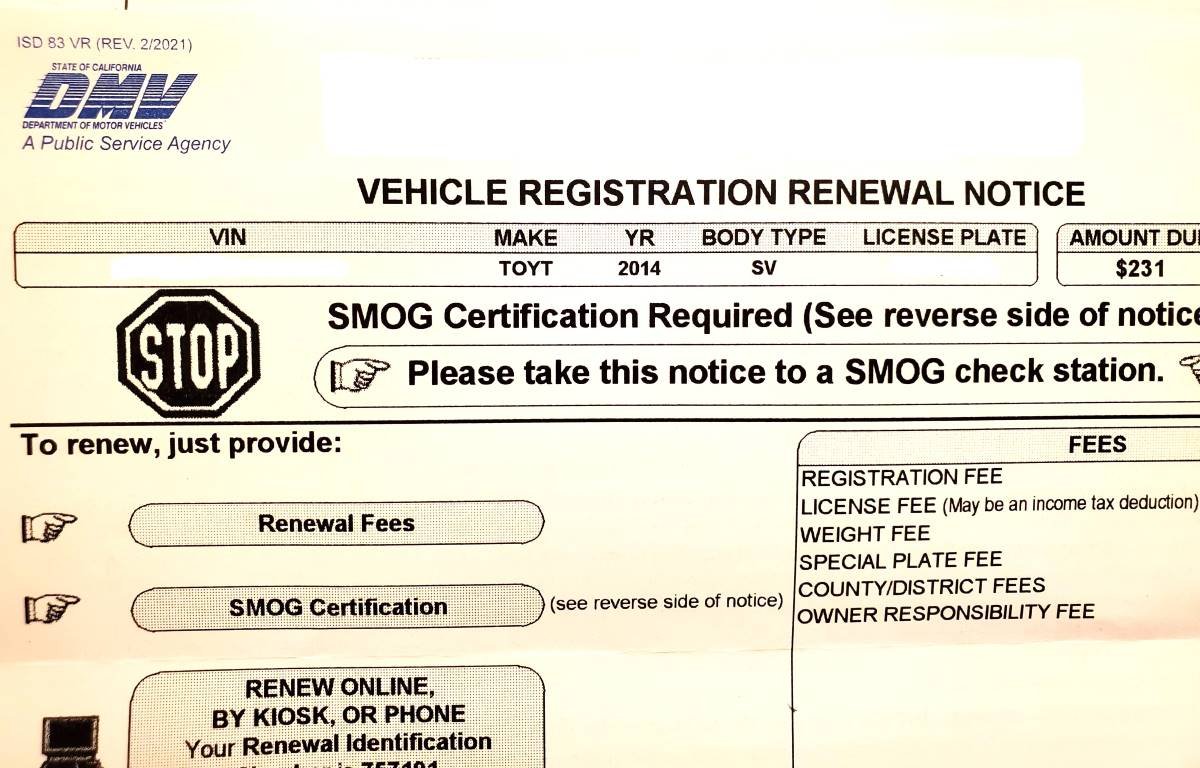
For those relocating to California and bringing an out-of-state vehicle, a smog check is almost always required as part of the initial vehicle registration process with the California Department of Motor Vehicles (DMV). This is a crucial step that new residents often overlook in their planning, potentially leading to delays in getting their vehicle legally on the road. Similarly, when a vehicle changes ownership, a smog certificate is typically required before the new owner can register it, unless specifically exempted. Understanding these requirements beforehand is a key part of seamless integration into the California lifestyle, preventing unexpected costs and administrative headaches.
The Cost Breakdown: What to Expect for Your California Smog Test
The cost of a smog test in California is not a fixed statewide fee. It’s a variable expense that can fluctuate significantly based on several factors, making it an important element to factor into your lifestyle budget. Planning for this cost is essential, whether you’re a long-time resident renewing your registration or a newcomer establishing roots in the state.
Factors Influencing Smog Check Prices
Several elements contribute to the final price you’ll pay for a smog check:
- Location: Smog check prices can vary considerably from one city or county to another. Densely populated urban areas like Los Angeles County or the San Francisco Bay Area might have different pricing structures compared to more rural parts of the state. This regional variation is a common aspect of service costs across California.
- Type of Station: There are different types of smog check stations. Most vehicles can be tested at a “Test-Only” or “Test-and-Repair” station. However, some vehicles, particularly those identified as gross polluters or certain vehicle types, may require testing at a STAR Station. STAR Stations are facilities that meet higher performance standards established by the Bureau of Automotive Repair (BAR) and often have slightly higher pricing due to their specialized certification and equipment.
- Vehicle Make and Model: While not always a major factor, some older or more complex vehicles might require more time or specialized procedures for testing, potentially influencing the cost. Generally, however, the process is standardized across most common vehicles.
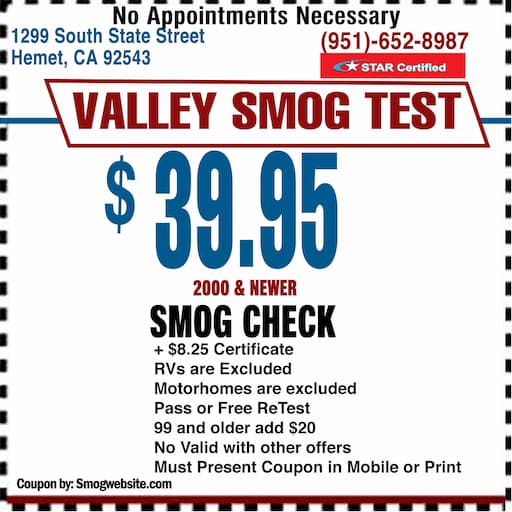
- Promotions and Discounts: Some stations offer competitive pricing, discounts, or coupons, especially when bundled with other services. It’s often worthwhile to shop around and compare prices from several local providers.
Average Costs Across California Counties
Generally, the cost of a standard smog check in California can range anywhere from $30 to $80, before the state-mandated certificate fee. For instance, in cities like Sacramento or Fresno, you might find prices at the lower end of this spectrum, while in areas like San Jose or Santa Monica, the upper range is more common. Stations in emission “Enhanced Areas,” which are regions with higher pollution levels requiring more stringent testing, might also charge slightly more. It’s always advisable to call ahead or check online reviews to get current pricing from local STAR-certified or standard smog check stations in your specific locality. This due diligence is a practical tip for managing personal finances within the California lifestyle.
Certification Fees and Potential Additional Costs
In addition to the service fee charged by the smog station, there is a separate state-mandated electronic certificate fee that typically ranges from $8.25 to $10. This fee is added to the total cost only if your vehicle passes the smog check, and it’s what allows the DMV to process your registration.
It’s crucial to understand that the quoted price usually covers the test itself. If your vehicle fails the smog test, you will incur additional costs for diagnostics and repairs to bring it into compliance. Some stations might offer a free re-test if the repairs are done at their facility, but this is not universal. Budgeting for potential repairs is a smart lifestyle choice, ensuring you’re prepared for all aspects of vehicle maintenance in California.
Beyond the Price Tag: The Process and Preparation
Understanding the cost is only one piece of the puzzle. The practical aspect of getting a smog test involves knowing where to go, how to prepare, and what to do if your vehicle doesn’t pass. Being well-informed simplifies this routine yet critical task for any California resident.
Finding a Certified Smog Station
Finding a certified smog station is straightforward. The Bureau of Automotive Repair (BAR) provides an online “Smog Check Station Locator” tool on its website. By entering your ZIP code, you can find a list of all licensed stations nearby, including whether they are Test-Only, Test-and-Repair, or STAR Stations. Look for stations displaying the official BAR-certified sign. Many automotive repair shops also offer smog check services, making it convenient for those who prefer a one-stop-shop approach for vehicle maintenance.
Tips for a Successful Smog Check on the First Attempt
Maximizing your chances of passing the smog test on the first try can save you time and money. Consider these tips:
- Drive Your Vehicle Regularly: Modern vehicles have an Onboard Diagnostics (OBD II) system that monitors emission components. It needs time to complete its “readiness monitors.” If you’ve recently cleared a “check engine” light or disconnected your battery, drive your car for a week or two, including highway and city driving, to allow the system to reset and gather data.
- Check Engine Light: If your “check engine” light is on, your vehicle will automatically fail the visual inspection. Get any issues diagnosed and repaired before the test.
- Proper Tire Inflation: Ensure your tires are properly inflated. This can affect the dynamometer test results for certain vehicles.
- Top Off Fluids: Make sure your oil and other fluids are at appropriate levels.
- Warm Up the Engine: Drive your vehicle for at least 15-20 minutes before arriving at the smog station. A warm engine runs more efficiently and produces fewer emissions.
- Avoid Overfilling Your Gas Tank: While not directly related to emissions, overfilling can sometimes cause issues with the evaporative emissions system.
Following these simple steps can significantly improve your vehicle’s performance during the test, aligning with a proactive lifestyle approach to car ownership.
What Happens If Your Vehicle Fails? Repair and Re-testing
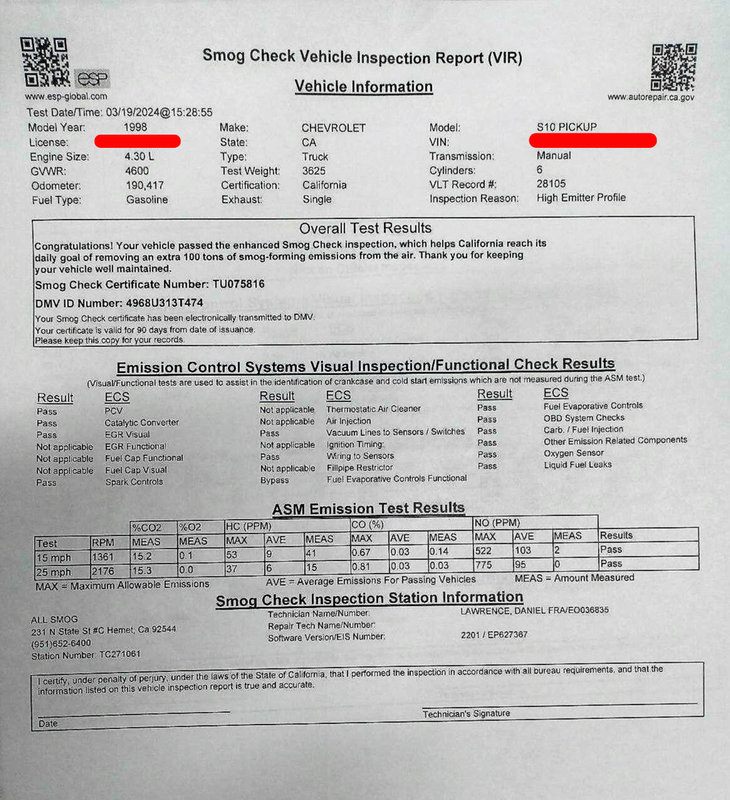
If your vehicle fails the smog test, the station will provide you with a Vehicle Inspection Report (VIR) detailing the reasons for the failure. The next step is to get the necessary repairs done. You can choose to have the repairs performed at the same Test-and-Repair station or take your vehicle to another licensed repair facility.
Once repairs are complete, your vehicle will need to be re-tested. Many stations offer a discounted or free re-test within a certain timeframe (e.g., 30 days) if the initial repairs were performed at their facility. If you go elsewhere for repairs, you’ll likely pay for a full re-test.
For low-income vehicle owners whose vehicles fail the test, California offers assistance through the Consumer Assistance Program (CAP), administered by the BAR. This program provides financial assistance for repairs or vehicle retirement for eligible participants. Knowing about such programs is a vital aspect of managing the costs associated with the California lifestyle for all income brackets.
Smog Tests and Your California Lifestyle Budget
Incorporating the cost and process of smog checks into your overall lifestyle budget for California is essential for financial stability and peace of mind. It’s part of the comprehensive approach to living sustainably and responsibly in the Golden State.
Incorporating Vehicle Maintenance into Your Financial Planning
Regular vehicle maintenance, including smog tests, should be a line item in any household budget, particularly in California where vehicle dependence is high. A proactive approach means setting aside a small amount monthly or annually for anticipated expenses like smog checks, oil changes, tire rotations, and potential repairs. For those planning a long-term stay or considering moving to cities like San Diego or Oakland, factoring in these recurring costs will provide a more realistic picture of the overall cost of living and help prevent unexpected financial strain. This forward-thinking budgeting contributes to a stress-free California lifestyle, allowing residents to enjoy the state’s offerings without financial worries over routine obligations.
Long-term Environmental and Financial Benefits
While smog tests represent a recurring expense, it’s important to view them through the lens of long-term benefits. Environmentally, they contribute significantly to cleaner air quality, reducing smog and harmful pollutants that impact public health and the state’s natural ecosystems. For a state renowned for its outdoor activities and natural beauty, this commitment to environmental stewardship is a core lifestyle value.
Financially, a well-maintained vehicle that consistently passes smog checks is typically more fuel-efficient and less prone to expensive breakdowns caused by neglect. Adhering to emission standards often means your engine is running optimally, which can lead to better gas mileage and extended vehicle longevity. Therefore, the cost of a smog test is not merely a regulatory fee; it’s an investment in your vehicle’s health, your personal budget, and the pristine environment that defines the unique California lifestyle. Understanding and embracing these requirements is a sign of a responsible and informed citizen, enjoying all that the Golden State has to offer while contributing to its sustained well-being.
LifeOutOfTheBox is a participant in the Amazon Services LLC Associates Program, an affiliate advertising program designed to provide a means for sites to earn advertising fees by advertising and linking to Amazon.com. Amazon, the Amazon logo, AmazonSupply, and the AmazonSupply logo are trademarks of Amazon.com, Inc. or its affiliates. As an Amazon Associate we earn affiliate commissions from qualifying purchases.