
Navigating to the Heart of Tuscaloosa
The University of Alabama is a prominent institution located in the vibrant city of Tuscaloosa, Alabama. Understanding its geographical placement is key for prospective students, visiting families, alumni, and tourists drawn to the university’s rich history and the lively atmosphere of its surrounding community. Tuscaloosa itself is situated in the west-central part of Alabama, approximately 55 miles southwest of Birmingham, the state’s largest city. This strategic location provides convenient access via major transportation routes, making it relatively easy to reach from various points across the United States.

By Air
For those traveling from a distance, the nearest major airport is the Birmingham-Shuttlesworth International Airport (BHM). This airport serves a wide array of domestic flights from numerous major carriers. Upon arrival at BHM, travelers have several options to reach Tuscaloosa. Rental car services are readily available at the airport, offering the most flexibility for exploring Tuscaloosa and its surroundings. Alternatively, shuttle services and ride-sharing options can be arranged, though these may require advance booking. The drive from Birmingham to Tuscaloosa typically takes about an hour, depending on traffic conditions.
Another, though less frequently utilized, option for air travel is the Tuscaloosa National Airport (TCL). TCL offers limited commercial flights, primarily connecting to Atlanta. While it provides a more direct arrival into Tuscaloosa, the flight options are significantly more restricted than at BHM. For international travelers or those coming from distant regions, flying into a larger hub like Atlanta or Charlotte and then connecting to either BHM or TCL is often the most practical approach.
By Road
Tuscaloosa is easily accessible by car, with major highways converging in the area. Interstate 20/59 runs north of the city, providing a direct link to Birmingham and beyond. Travelers heading to Tuscaloosa from the east or west will likely utilize this interstate. From the south, U.S. Highway 82 is a primary route, connecting Tuscaloosa to cities like Montgomery. U.S. Highway 43 offers a north-south corridor. The University of Alabama campus is well-integrated into the city’s road network, with clear signage directing visitors to various departments, parking areas, and student housing. Main arteries like University Boulevard and Paul W. Bryant Drive are central to campus navigation.
For those relying on GPS or mapping applications, the university’s main address, often cited as 1200 University Drive, Tuscaloosa, AL 35487, will guide them directly to the heart of the campus. It is advisable to check campus maps online prior to arrival, as parking regulations and road closures can sometimes impact accessibility, especially during peak times like sporting events or academic semesters.
Exploring Tuscaloosa and the Surrounding Region
Beyond its immediate location, Tuscaloosa offers a wealth of attractions and experiences that complement a visit to the University of Alabama. The city’s position on the Black Warrior River lends itself to recreational activities and scenic views. Nearby natural attractions include the Sipsey Wilderness, offering opportunities for hiking and exploring diverse flora and fauna, and the Lake Lurleen State Park, a popular spot for fishing, swimming, and camping.
The cultural landscape of Tuscaloosa is deeply intertwined with the university’s presence. Visitors can immerse themselves in the history of Southern football at the Paul W. Bryant Museum or explore the arts at the McFarland Performance Center. The historic downtown area, with its charming boutiques, restaurants, and the iconic Denny Chimes, provides a delightful backdrop for leisurely strolls. For those interested in the university’s architectural heritage, a walk through campus reveals a mix of historic buildings and modern facilities, each contributing to the unique character of the institution.
The University of Alabama Campus: A Hub of Activity
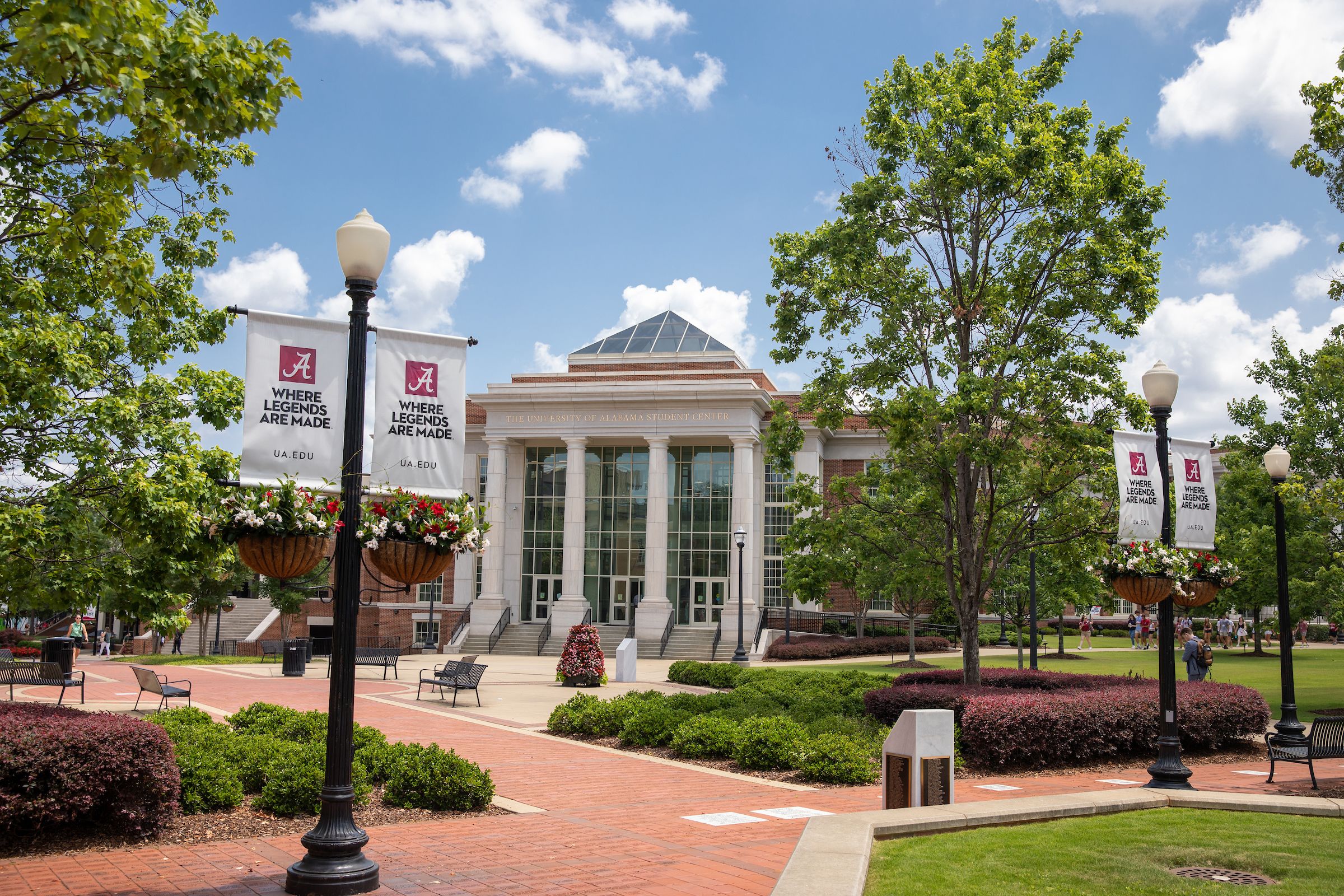
The University of Alabama campus itself is a significant landmark and a destination in its own right. Spanning a considerable area, it is characterized by its beautiful quadrangles, historic architecture, and state-of-the-art facilities. Understanding the layout of the campus is essential for navigating to specific departments, attending events, or simply exploring the academic heart of the institution.
Key Campus Landmarks and Navigational Points
Central to the campus is the iconic Denny Chimes, a bell tower that serves as a recognizable orientation point. Surrounding it are the academic buildings that house various colleges and departments. The Avery Hall and Farrah Hall represent some of the older, more classically designed structures, while the Ferguson Center, the student union, is a bustling hub for student life.
For those interested in the university’s athletic prowess, Bryant-Denny Stadium, home to the Crimson Tide football team, is an unmissable landmark. Adjacent to the stadium, the Paul W. Bryant Museum offers a deep dive into the legacy of Alabama football.
Accessibility and Transportation on Campus
Navigating the University of Alabama campus is facilitated by its well-maintained sidewalks, pedestrian walkways, and an internal shuttle bus system. The Crimson Ride shuttle service provides convenient transportation between various points on campus, including parking lots, academic buildings, and student housing areas. For visitors driving to campus, designated parking areas are available, though regulations and availability can vary. It is always recommended to consult the university’s parking services website for the most current information on visitor parking permits and locations.
Accommodations and Visitor Services
While the University of Alabama primarily focuses on academic pursuits, the city of Tuscaloosa offers a wide range of accommodation options to suit every visitor’s needs. From charming bed and breakfasts to well-known hotel chains, travelers will find places to stay that are conveniently located near the campus and the city’s attractions. Options include hotels like the Hotel Capstone, which is often associated with the university, and various other national brands that provide a comfortable base for exploring Tuscaloosa. For longer stays or those seeking a more home-like experience, apartment rentals and vacation homes are also available.
Understanding Tuscaloosa: The City Surrounding the University
The University of Alabama is not an isolated entity; it is deeply woven into the fabric of Tuscaloosa. The city’s identity, economy, and cultural scene are significantly shaped by the presence of the university, and vice versa. Understanding Tuscaloosa’s location and its relationship with the university provides a more complete picture of the area.
Tuscaloosa’s Geographic Context and Accessibility
Tuscaloosa is strategically positioned in west-central Alabama, nestled along the banks of the Black Warrior River. This riverfront location contributes to the city’s natural beauty and offers recreational opportunities. As mentioned earlier, its proximity to Birmingham via I-20/59 is a key factor in its accessibility. This highway corridor connects Tuscaloosa to a larger metropolitan area, offering more extensive air travel options and a wider array of services. The city is also served by U.S. Highways 43 and 82, facilitating travel to and from other parts of Alabama and neighboring states.
Economic and Cultural Ties to the University
The economic impact of the University of Alabama on Tuscaloosa is profound. The university is a major employer and a significant driver of local commerce, attracting students, faculty, staff, and visitors who patronize local businesses, restaurants, and retail establishments. Culturally, the university enriches Tuscaloosa through its numerous events, performances, lectures, and athletic competitions. The vibrant student population also contributes to a youthful energy and a dynamic social scene within the city.

Key Attractions and Landmarks in Tuscaloosa
Beyond the university campus, Tuscaloosa boasts a number of attractions that appeal to a diverse range of interests. The historic downtown area is a focal point, featuring beautifully preserved antebellum architecture and offering a glimpse into the city’s past. The Alabama Museum of Natural History, located on the university campus, provides insights into the region’s geological and biological heritage. For those interested in civil rights history, the Tuscaloosa Civil Rights History Trail offers a moving and educational experience. The serene Lake Lurleen State Park offers a natural escape for outdoor enthusiasts, providing opportunities for boating, fishing, and hiking, all within a short drive from the city center. The proximity of these diverse attractions makes Tuscaloosa a well-rounded destination that combines academic prestige with a rich cultural and natural environment.
LifeOutOfTheBox is a participant in the Amazon Services LLC Associates Program, an affiliate advertising program designed to provide a means for sites to earn advertising fees by advertising and linking to Amazon.com. Amazon, the Amazon logo, AmazonSupply, and the AmazonSupply logo are trademarks of Amazon.com, Inc. or its affiliates. As an Amazon Associate we earn affiliate commissions from qualifying purchases.