
Planning a trip to the Sunshine State often involves envisioning endless clear skies and warm breezes. However, understanding Florida’s distinct weather patterns, particularly the end of its rainy season, is crucial for optimizing your travel experience. While the state is renowned for its sun-drenched beaches and vibrant attractions, it also experiences a significant wet period that can influence outdoor activities and overall enjoyment. Knowing when this shifts ensures you can perfectly time your visit to embrace the best Florida has to offer.
Understanding Florida’s Distinct Climate Seasons
Florida’s climate is largely defined by two primary seasons: the wet season and the dry season. Unlike temperate regions with four distinct seasons, the transition here is less about temperature extremes and more about precipitation levels and humidity. This unique climate, ranging from subtropical in the north to tropical in the south, dictates much about daily life and, consequently, travel planning.
The Subtropical and Tropical Reality
Most of Florida, especially the southern and central parts, falls into a subtropical climate zone, transitioning to tropical in the Florida Keys. This means that while winters are mild and relatively dry, summers are hot, humid, and notably wet. The warmth is constant, but the moisture content in the air and the frequency of rainfall vary dramatically throughout the year. The prevalence of sea breezes from both the Atlantic Ocean and the Gulf of Mexico plays a significant role in moderating temperatures and influencing daily weather patterns, often leading to localized thunderstorms.
Defining the Rainy Season
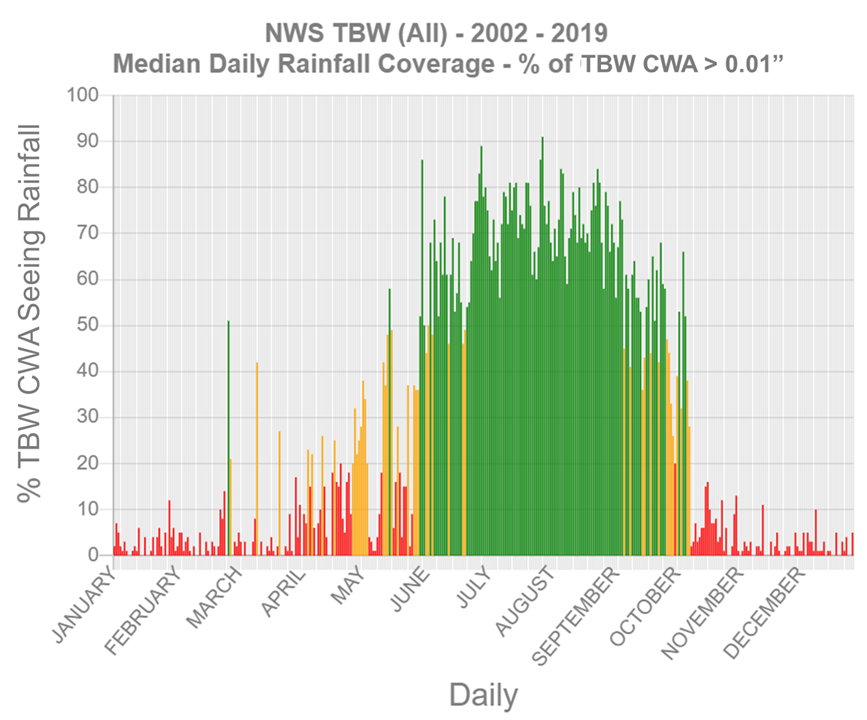
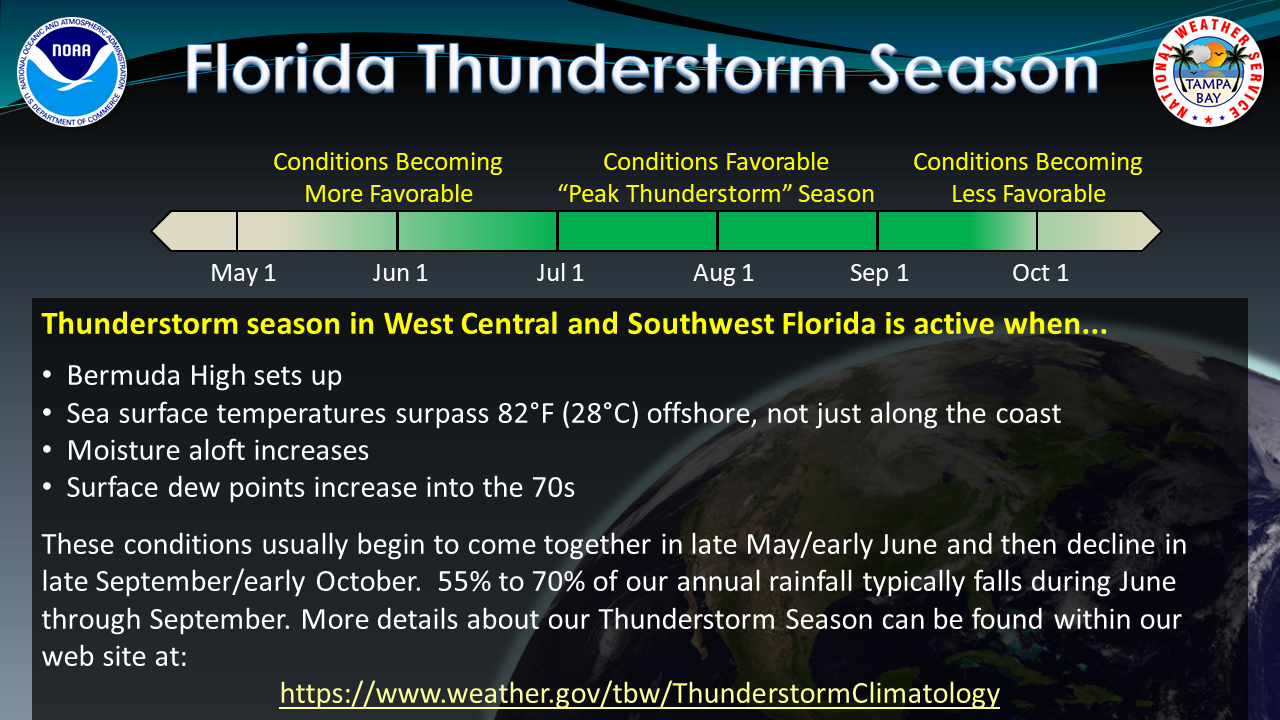
Florida’s rainy season typically commences in late May or early June and continues through early to mid-October. This period is characterized by high humidity, soaring temperatures, and daily afternoon thunderstorms. These storms are often brief but intense, dumping significant amounts of rain in a short period before skies clear again. While not every day is a washout, the likelihood of encountering rain is considerably higher. This season is also the prime time for tropical storm and hurricane activity, which can bring prolonged periods of heavy rain and strong winds. The energy from the warm ocean waters fuels these systems, making them a factor for travelers to consider during these months.
The Transition: From Deluge to Delight
The end of the rainy season in Florida marks a highly anticipated shift in weather, transforming the state into an idyllic destination for visitors. This transition period is when the humidity begins to drop, temperatures become more comfortable, and the frequency of daily downpours significantly diminishes.
Typical End Dates Across the State
While there isn’t a precise “off” switch for the rainy season, it generally tapers off in stages across the state. In North Florida, which includes cities like Jacksonville, the rains might start to subside in late September. Central Florida, home to major attractions in Orlando and Tampa, typically sees the end of the rainy pattern in early to mid-October. Further south, in regions like Miami and the Florida Keys, the wet season can extend a bit longer, often into late October or even early November, especially if tropical activity persists. By mid-November, virtually all of Florida has transitioned into its drier, cooler, and less humid season, which generally lasts through May.
What to Expect as Rain Subsides
As the rainy season concludes, travelers can anticipate a noticeable improvement in weather conditions. The stifling humidity of summer gives way to drier air, making outdoor activities much more enjoyable. Temperatures remain pleasantly warm, typically ranging from the low 70s to high 80s Fahrenheit (20s to low 30s Celsius), without the intense heat peaks of July and August. The frequency of clear, sunny days increases dramatically, and while a stray shower is always possible, the predictability of daily afternoon thunderstorms largely disappears. This period also generally sees a decrease in the risk of tropical cyclones, further enhancing the appeal for uninterrupted travel plans. The transformation truly makes a difference, offering ideal conditions for exploring Florida’s diverse landscapes and attractions.
Optimal Travel Planning Post-Rainy Season
The period following the rainy season, from late October/November through April, is widely considered the prime travel window for Florida. The combination of pleasant weather, lower humidity, and reduced rain creates perfect conditions for a wide array of destinations and experiences.
Best Times for Beach Destinations
Florida’s world-famous beaches truly shine after the rainy season. Destinations like South Beach in Miami, the white sands of Siesta Key near Sarasota, and the pristine shores of Clearwater Beach become even more inviting. With lower humidity, sunbathing and swimming are more comfortable, and the likelihood of a sudden storm interrupting your day by the water is significantly reduced. This is an excellent time for enjoying water sports, beach volleyball, or simply relaxing by the Atlantic or Gulf waters. Even popular spots like Fort Lauderdale Beach and Daytona Beach benefit from the improved conditions, allowing for uninterrupted enjoyment of their coastal charm.
Exploring Theme Parks
For many, Florida is synonymous with its world-class theme parks. Visiting Walt Disney World Resort, Universal Orlando Resort, or Busch Gardens Tampa Bay during the dry season offers distinct advantages. The cooler temperatures make walking around the expansive parks more manageable, and the reduced chance of rain means fewer ride closures or interruptions to outdoor shows and parades. While crowds can still be significant, especially during holiday periods, the comfortable weather conditions enhance the overall park experience, allowing visitors to fully immerse themselves in the magic without battling oppressive heat or sudden downpours.
Outdoor Adventures
Florida’s diverse natural landscapes offer incredible opportunities for outdoor enthusiasts. The dry season is ideal for exploring places like Everglades National Park, where wildlife viewing, including alligators and various bird species, becomes easier as water levels recede. Kayaking or paddleboarding through the serene springs near Ocala or Weeki Wachee Springs State Park is also a more pleasant experience without the intense summer heat. Hiking and biking trails across the state, from the Florida Trail to local nature preserves, become accessible and enjoyable. Even a visit to the Kennedy Space Center Visitor Complex involves significant outdoor viewing areas, which are far more comfortable in the post-rainy season climate. Furthermore, activities like fishing, golfing, and airboat tours are less likely to be disrupted by weather, providing more consistent opportunities for adventure.
Navigating the “Shoulder” Months
While the dry season is undoubtedly popular, the “shoulder” months—late October/early November and late April/early May—offer a unique blend of benefits for the discerning traveler. These periods straddle the end or beginning of the rainy season and the peak tourist season, providing a compelling alternative.
Benefits of Off-Peak Travel
Traveling during the shoulder months can often lead to reduced crowds at popular attractions and potentially lower prices on flights and accommodations. As the rainy season concludes in October and November, the weather is often still warm but with decreasing humidity and fewer rain showers. This period before the major holiday rush offers a quieter experience. Similarly, late April and early May, just before the official start of the rainy season, provides excellent weather with temperatures comfortably warm but not yet at their summer peak, and the summer crowds have yet to arrive. These windows offer a sweet spot for those seeking pleasant weather without the intensity of peak season crowds and costs.
Preparing for Unpredictable Weather
Even as the rainy season ends, Florida’s weather can still be dynamic. In the shoulder months, occasional cold fronts can bring cooler temperatures, especially in North and Central Florida, sometimes requiring a light jacket in the evenings. Conversely, particularly in early November or late April, a lingering warm front can bring a few days of higher humidity or an isolated thunderstorm. Tropical systems can also occasionally extend their reach into early November, particularly in South Florida and the Florida Keys, though the probability significantly diminishes. Therefore, it’s always wise to pack layers and check the local forecast frequently, even outside the defined rainy season. Being prepared for slight variations ensures a seamless and enjoyable journey regardless of minor weather shifts.
Key Takeaways for Your Florida Journey
Understanding when the rainy season ends in Florida is more than just a meteorological fact; it’s a vital piece of information for crafting an unforgettable travel itinerary. By timing your visit to coincide with the drier, cooler months from late October through April, you can significantly enhance your experience, whether you’re exploring the magical realms of Orlando’s theme parks, lounging on the sun-drenched sands of St. Petersburg, venturing into the wild beauty of the Everglades, or snorkeling off Key West. This strategic planning allows you to fully appreciate the “Sunshine State” nickname, transforming potential weather challenges into opportunities for consistent, enjoyable exploration of its diverse attractions and experiences.
LifeOutOfTheBox is a participant in the Amazon Services LLC Associates Program, an affiliate advertising program designed to provide a means for sites to earn advertising fees by advertising and linking to Amazon.com. Amazon, the Amazon logo, AmazonSupply, and the AmazonSupply logo are trademarks of Amazon.com, Inc. or its affiliates. As an Amazon Associate we earn affiliate commissions from qualifying purchases.