
The relocation of a professional sports franchise is rarely a simple decision. It’s a complex tapestry woven with threads of finance, fan loyalty, stadium infrastructure, and the ever-present allure of a larger market. The St. Louis Rams move to Los Angeles in 2016 is a prime example of these forces at play, a narrative that significantly impacted both the cities involved and the landscape of the National Football League (NFL). While the immediate trigger might appear to be a stadium dispute, a deeper dive reveals a confluence of factors that ultimately led to the franchise’s departure from the Gateway City.

The Stadium Conundrum in St. Louis
At the heart of the Rams’ departure lay the increasingly untenable stadium situation in St. Louis. The team played its home games at the Edward Jones Dome, a venue that, while modern at its inception, began to show its age and fell short of evolving NFL stadium standards.
Aging Infrastructure and League Requirements
By the mid-2010s, the Edward Jones Dome no longer met the NFL’s stringent requirements for hosting a Super Bowl or even for general fan experience and revenue generation. The league, under Commissioner Roger Goodell, had made it clear that state-of-the-art facilities were paramount for the future success and profitability of its franchises. These requirements included features like a higher seating capacity, premium seating options (suites and club seats), modern amenities, and robust Wi-Fi capabilities – elements that the Edward Jones Dome struggled to provide.
Failed Attempts at a New Stadium
The Rams’ ownership, led by Stan Kroenke, had been in discussions with the City of St. Louis and the state of Missouri for years regarding a new stadium. However, these efforts were consistently met with roadblocks.
- Public Funding Disputes: A significant point of contention was the extent of public funding for a new stadium. Kroenke and the Rams advocated for substantial public investment, while local officials and taxpayers balked at the prospect of footing a large portion of the bill for a privately owned entity. Attempts to secure state funding or municipal bonds proved challenging, with concerns about the long-term economic viability and the precedent it would set for other public projects.
- Alternative Proposals and Delays: While the Rams presented proposals for a new stadium downtown, these often faced bureaucratic hurdles and a lack of consensus among stakeholders. The pace of negotiations was slow, and as time wore on, the perceived commitment from St. Louis to deliver a stadium that met the Rams’ (and the NFL’s) demands waned.
The Lure of Los Angeles
Simultaneously, the prospect of a return to Los Angeles loomed large for Stan Kroenke. The nation’s second-largest media market, with a ravenous appetite for professional sports and a proven history of supporting NFL teams, presented an irresistible opportunity.
A Vast and Untapped Market
Los Angeles had been without an NFL team for two decades following the departure of the Raiders and the Rams in 1995. This void created a massive, underserved market eager for professional football.
- Economic Powerhouse: Los Angeles is an economic powerhouse, boasting a larger consumer base and greater corporate sponsorship potential than St. Louis. This translated into significantly higher revenue opportunities for a team, from ticket sales and concessions to lucrative advertising and broadcast deals.
- Global Appeal: The city’s global appeal and entertainment industry connections offered unique marketing and branding opportunities that could elevate a franchise’s profile beyond regional significance.
The Inglewood Stadium Project
Stan Kroenke’s vision extended beyond merely returning a team to Los Angeles; it involved building a premier, state-of-the-art stadium that would serve as a flagship venue for the league. He strategically acquired land in Inglewood, California, and spearheaded the development of what would become SoFi Stadium.

- A Private Venture: Unlike the stalled stadium efforts in St. Louis, the Inglewood project was primarily a privately funded endeavor led by Kroenke. This bypassed the complex public funding negotiations that had plagued his efforts in Missouri and presented a compelling case to the NFL owners, who ultimately approved the relocation.
- Designed for the Modern Era: SoFi Stadium was conceived as more than just a football stadium; it was designed as a year-round entertainment complex, capable of hosting major sporting events (including future Super Bowls and Olympics), concerts, and other large-scale gatherings. Its cutting-edge design and amenities were precisely what the NFL had been pushing for.
The NFL’s Role and Decision-Making
The NFL, as a league, played a crucial role in the Rams’ relocation. The owners of the 32 franchises hold significant power in such matters, and their collective decision-making process is guided by the league’s strategic goals and financial interests.
League-Wide Stadium Standards
Commissioner Roger Goodell and the NFL ownership had long emphasized the need for modern stadiums. Franchises in outdated facilities were seen as operating at a competitive disadvantage, both financially and in terms of fan engagement. The league actively encouraged teams to upgrade their venues or explore relocation options if stadium solutions could not be found locally.
The Relocation Process
The process for relocating an NFL team is rigorous and requires a substantial majority vote from the league’s owners. In the case of the Rams, Stan Kroenke formally applied for relocation, presenting his case for a move back to Los Angeles and outlining his plans for the Inglewood stadium project.
- Approval of Rams’ Bid: While other owners also had ambitions for an LA team, the Rams’ comprehensive proposal, backed by Kroenke’s financial resources and his vision for a new stadium, ultimately gained traction. The owners voted overwhelmingly to approve the Rams’ relocation in January 2016.
- Chargers’ Subsequent Move: Following the Rams’ approval, the San Diego Chargers (who also had relocation applications pending) were given a year to negotiate a stadium deal with the city of Los Angeles. When those negotiations failed, the Chargers also relocated to Los Angeles in 2017, sharing the new SoFi Stadium with the Rams.
The Impact on St. Louis and Los Angeles
The move had profound and contrasting impacts on both cities.
Loss for St. Louis
The departure of the Rams was a significant blow to St. Louis.
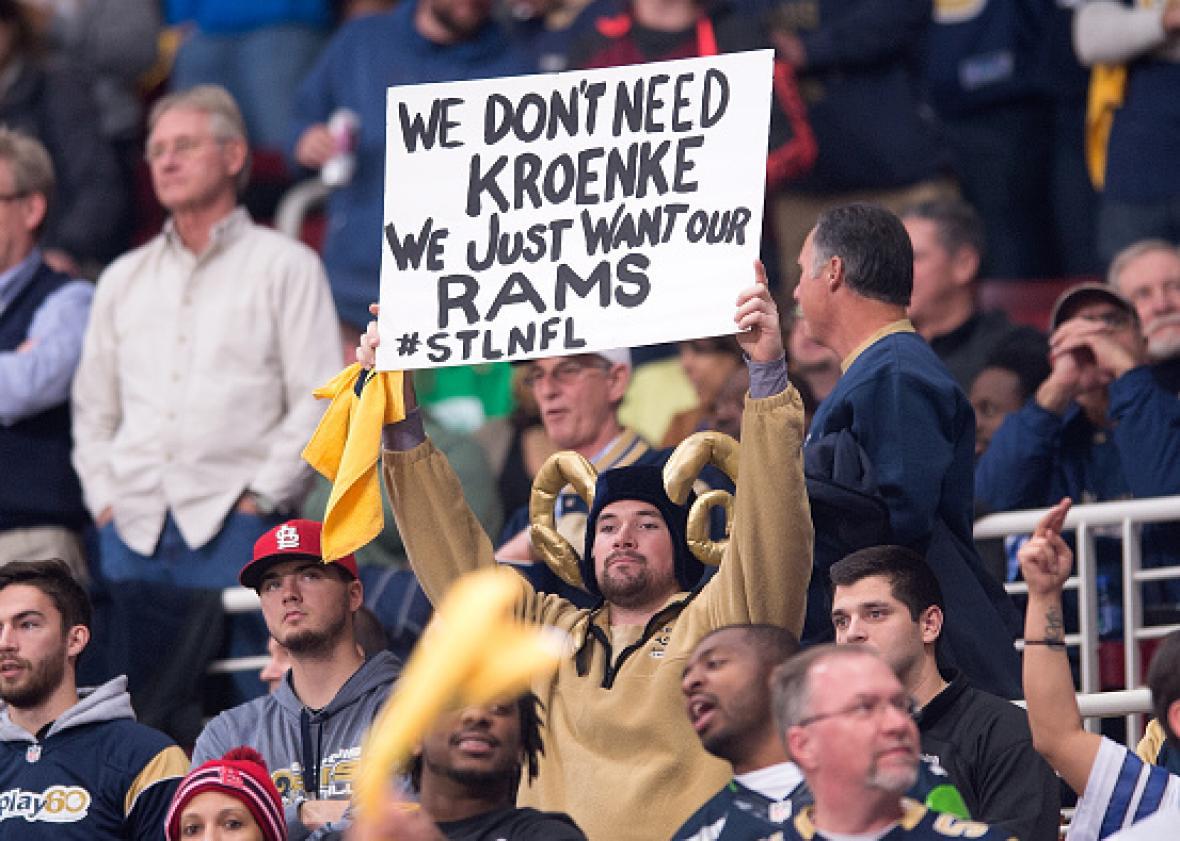
- Economic and Cultural Impact: Beyond the loss of a professional sports team, which brings jobs, tourism, and civic pride, there was the disappointment of feeling that the city had failed to retain a valuable asset. The passionate fanbase, which had supported the team through Super Bowl victories and memorable seasons, felt a deep sense of betrayal and loss.
- Future of the Dome: The Edward Jones Dome was left without a primary tenant, raising questions about its future use and economic viability. It was eventually repurposed and rebranded, but the void left by the NFL team was palpable.
A New Era for Los Angeles
For Los Angeles, the return of the NFL signaled a new era of professional sports excitement.
- Filling a Void: The arrival of two NFL teams (the Rams and later the Chargers) filled the long-standing void in the market and ignited renewed interest in the league.
- The Spectacle of SoFi Stadium: SoFi Stadium quickly became an iconic landmark, a symbol of modern sports and entertainment architecture, drawing global attention and hosting major events. The city had finally secured the world-class venue it had long desired for professional football.
In conclusion, the St. Louis Rams’ move to Los Angeles was a multifaceted event driven by the quest for modern stadium facilities, the financial allure of a major market, and the strategic decisions of the NFL. It serves as a compelling case study in the complex dynamics that govern professional sports franchises and their relationship with the cities they represent.
LifeOutOfTheBox is a participant in the Amazon Services LLC Associates Program, an affiliate advertising program designed to provide a means for sites to earn advertising fees by advertising and linking to Amazon.com. Amazon, the Amazon logo, AmazonSupply, and the AmazonSupply logo are trademarks of Amazon.com, Inc. or its affiliates. As an Amazon Associate we earn affiliate commissions from qualifying purchases.