
Traveling between two of North Florida’s significant cities, Jacksonville and Gainesville, is a common journey for residents and visitors alike. Whether for business, education, leisure, or family visits, understanding the distance, typical travel times, and available transportation options is crucial for planning an efficient and enjoyable trip. This guide delves into the specifics of traversing the approximately 70-mile stretch that separates these two distinct Florida hubs.
The Straightforward Route: Distance and Drive Time
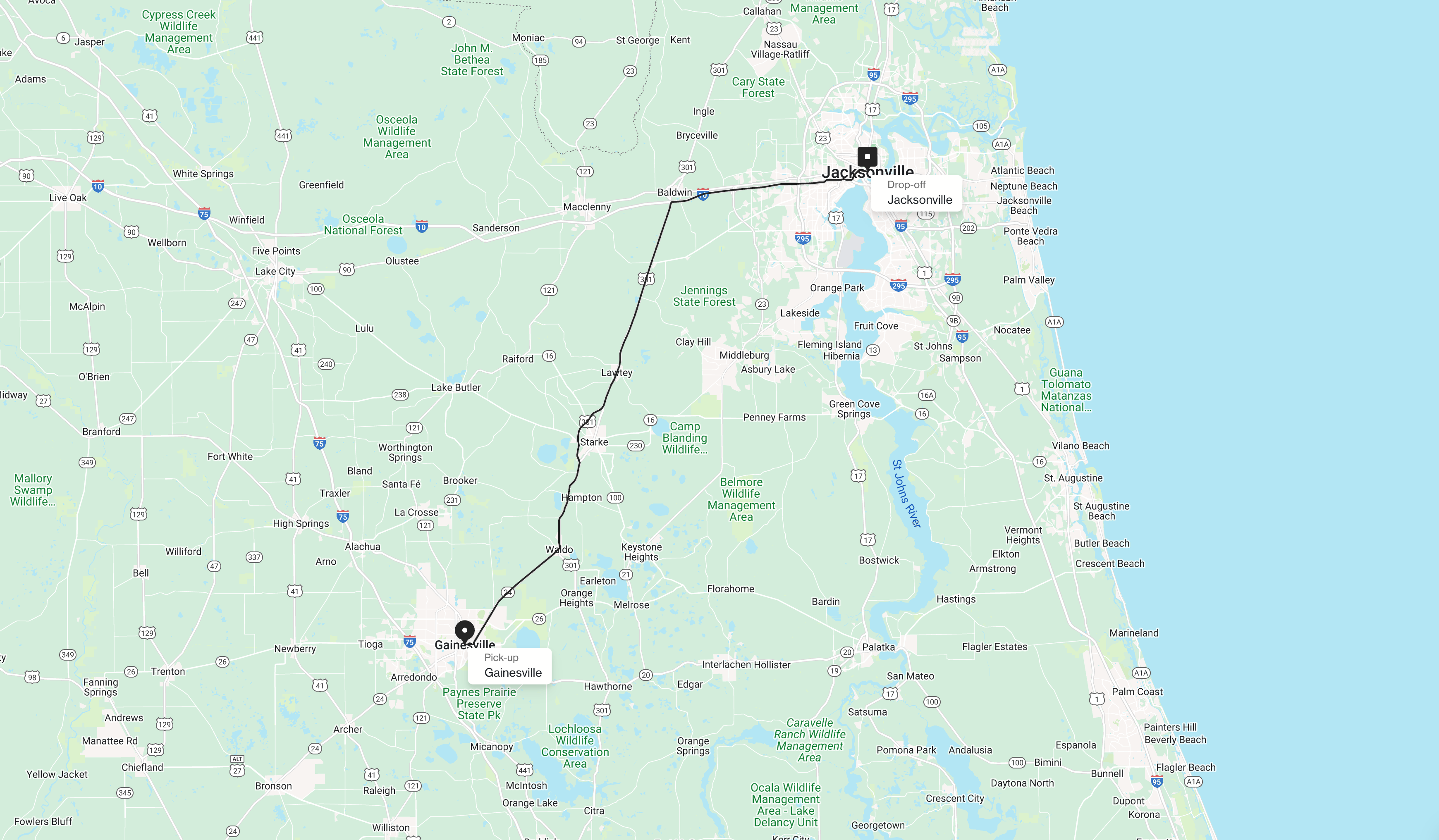
The most common and practical way to travel between Jacksonville and Gainesville is by car, offering flexibility and direct access. The journey predominantly utilizes well-maintained interstate highways, ensuring a relatively smooth drive.
The Core Numbers: Miles and Hours
The direct distance between the city centers of Jacksonville and Gainesville is approximately 70 miles (113 kilometers). This measurement can vary slightly depending on the exact starting and ending points within each city, but it serves as an excellent benchmark for travel planning.
Under normal driving conditions, the average drive time for this route is typically between 1 hour and 15 minutes to 1 hour and 30 minutes. However, several factors can influence this estimate significantly:
- Traffic Congestion: Jacksonville, as a major metropolitan area, experiences rush hour traffic, especially on weekdays between 7:00 AM – 9:00 AM and 4:00 PM – 6:00 PM. Approaching or departing Gainesville, particularly around the University of Florida campus, can also encounter increased traffic during peak academic hours or event days.
- Time of Day/Week: Traveling during off-peak hours or on weekends generally results in a quicker journey.
- Road Construction: Ongoing maintenance or expansion projects on I-10, I-75, or US-301 can cause delays, especially if lanes are closed.
- Weather Conditions: Heavy rain or fog, common in Florida, can necessitate slower speeds and increase travel time.
Primary Driving Routes
For most drivers, the journey will involve a combination of major interstate and U.S. highways:
- Option 1 (Most Common): Via I-10 West and US-301 South:
- From central Jacksonville, drivers typically head west on I-10.
- Exit onto US-301 South near Baldwin.
- Continue on US-301 South until it merges with or runs parallel to US-441 South, leading directly into Gainesville. This route is very straightforward and well-signed.
- Option 2 (Slightly Longer but Faster for I-75 access): Via I-10 West and I-75 South:
- This route takes I-10 West for a longer stretch, past the US-301 exit.
- Drivers then transition to I-75 South near Lake City.
- I-75 South then provides several exits into Gainesville. While it might be a few miles longer, the consistent interstate speeds on I-75 can sometimes make up for the distance, especially outside of peak traffic.
Both routes offer generally good road conditions, with multiple lanes for much of the journey. Drivers should always consult real-time navigation apps like Google Maps or Waze for the most current traffic and route recommendations.
Beyond the Wheel: Alternative Transportation Options
While driving remains the most popular choice, other modes of transport are available for those who prefer not to drive or don’t have access to a vehicle.
Bus Services
- Greyhound: The most prominent intercity bus service, Greyhound, operates routes between Jacksonville and Gainesville.
- Travel Time: Bus journeys typically take longer than driving, often ranging from 1 hour 45 minutes to over 2 hours, depending on the number of stops and the specific schedule.
- Cost: Fares are generally affordable, though they can vary based on booking in advance and demand.
- Convenience: Buses depart from the Jacksonville Bus Station and arrive at the Gainesville Bus Station. This option is convenient for those without a car, but travelers should factor in getting to and from the bus stations.
Ride-Sharing and Taxis
Services like Uber and Lyft are available in both cities. While convenient for short distances, a ride between Jacksonville and Gainesville would be considered a long-distance trip.
- Cost: Expect significantly higher costs compared to driving your own vehicle or taking a bus, potentially ranging from $80 to $150 or more, depending on demand, time of day, and specific service level chosen.
- Availability: While drivers are generally available, finding one willing to take such a long trip immediately might require a short wait.
- Pros: Door-to-door service and flexibility in departure time.
- Cons: High cost and reliance on driver availability.
Air Travel (Generally Not Practical)
Although both cities have airports—Jacksonville International Airport (JAX) and Gainesville Regional Airport (GNV)—flying between them is almost never a practical option.
- There are no direct commercial flights connecting JAX and GNV.
- Any flight would involve a layover in another major hub (e.g., Atlanta, Charlotte), turning a 1.5-hour drive into a 5+ hour travel ordeal, not including airport check-in and security.
- The cost would also be disproportionately high compared to driving or bus travel.
- Air travel is only considered if connecting to longer domestic or international flights from either airport.
Planning Your Journey: Tips for a Smooth Trip
Careful planning can enhance the travel experience, regardless of the chosen mode of transport.
Best Times to Travel
- Avoid Rush Hours: As mentioned, try to schedule your departure from Jacksonville outside of weekday rush hours (7-9 AM and 4-6 PM) to bypass significant congestion, especially on I-10 and arterial roads leading to the highway. Similarly, arriving in Gainesville during these times might mean navigating busier local streets.
- Mid-Morning or Early Afternoon: These times typically offer the clearest roads and quickest travel times.
- Weekends: Weekends generally see lighter commuter traffic, although holiday weekends can be exceptions with increased recreational travel.
Essential Road Trip Preparations
If you’re driving, a few simple checks can make a big difference:
- Vehicle Check: Ensure your car is in good working order – check tire pressure, fluid levels, and headlights.
- Navigation: Use a reliable GPS system or smartphone app (Google Maps, Waze) for real-time traffic updates and estimated arrival times.
- Supplies: Pack water, snacks, and any necessary medications. A phone charger and a good playlist or podcast can also make the journey more pleasant.
- Rest Stops: Plan for a brief stop if needed. There are several gas stations and convenience stores along US-301 and near the interstate exits.
What to Expect on the Road
The route between Jacksonville and Gainesville offers a typical Florida landscape. Expect mostly flat terrain, surrounded by pine forests and some agricultural areas. While not renowned for dramatic scenery, the drive is generally straightforward and peaceful, particularly once you are outside of Jacksonville’s immediate urban sprawl. Pay attention to speed limits, especially through smaller towns along US-301, which may have active enforcement.
Why Make the Trip? Connecting Two Florida Hubs
Understanding the distance is often just the first step in planning travel; the reasons for the journey are equally important. Jacksonville and Gainesville, while geographically close, offer distinct experiences and draw different types of travelers.
Jacksonville: The River City by the Sea
Jacksonville stands as Florida’s largest city by land area, boasting a unique blend of urban sophistication and coastal charm. Travelers often head to Jacksonville for its extensive Atlantic coastline, including popular spots like Jacksonville Beach, Neptune Beach, and Atlantic Beach. Beyond the beaches, the city offers a vibrant downtown scene along the St. Johns River, a growing culinary landscape, cultural institutions, and major sporting events. It’s a key hub for business, healthcare, and logistics, attracting professionals and families alike.

Gainesville: A University Town with Natural Charm
In contrast, Gainesville is primarily known as the home of the University of Florida, one of the nation’s largest and most prestigious public universities. This academic influence shapes the city’s youthful energy, diverse cultural scene, and intellectual atmosphere. Visitors frequently travel to Gainesville for university events, research, or to experience the city’s commitment to sustainability and nature. The surrounding area is famous for its natural springs, state parks like Paynes Prairie Preserve State Park, and proximity to vast protected lands such as Ocala National Forest, making it an attractive destination for ecotourism and outdoor enthusiasts.
Connecting these two dynamic Florida cities is a relatively short and straightforward journey, offering travelers convenient access to the diverse attractions and opportunities each destination provides. By understanding the distance and travel logistics, your trip between Jacksonville and Gainesville can be both efficient and enjoyable.
LifeOutOfTheBox is a participant in the Amazon Services LLC Associates Program, an affiliate advertising program designed to provide a means for sites to earn advertising fees by advertising and linking to Amazon.com. Amazon, the Amazon logo, AmazonSupply, and the AmazonSupply logo are trademarks of Amazon.com, Inc. or its affiliates. As an Amazon Associate we earn affiliate commissions from qualifying purchases.