
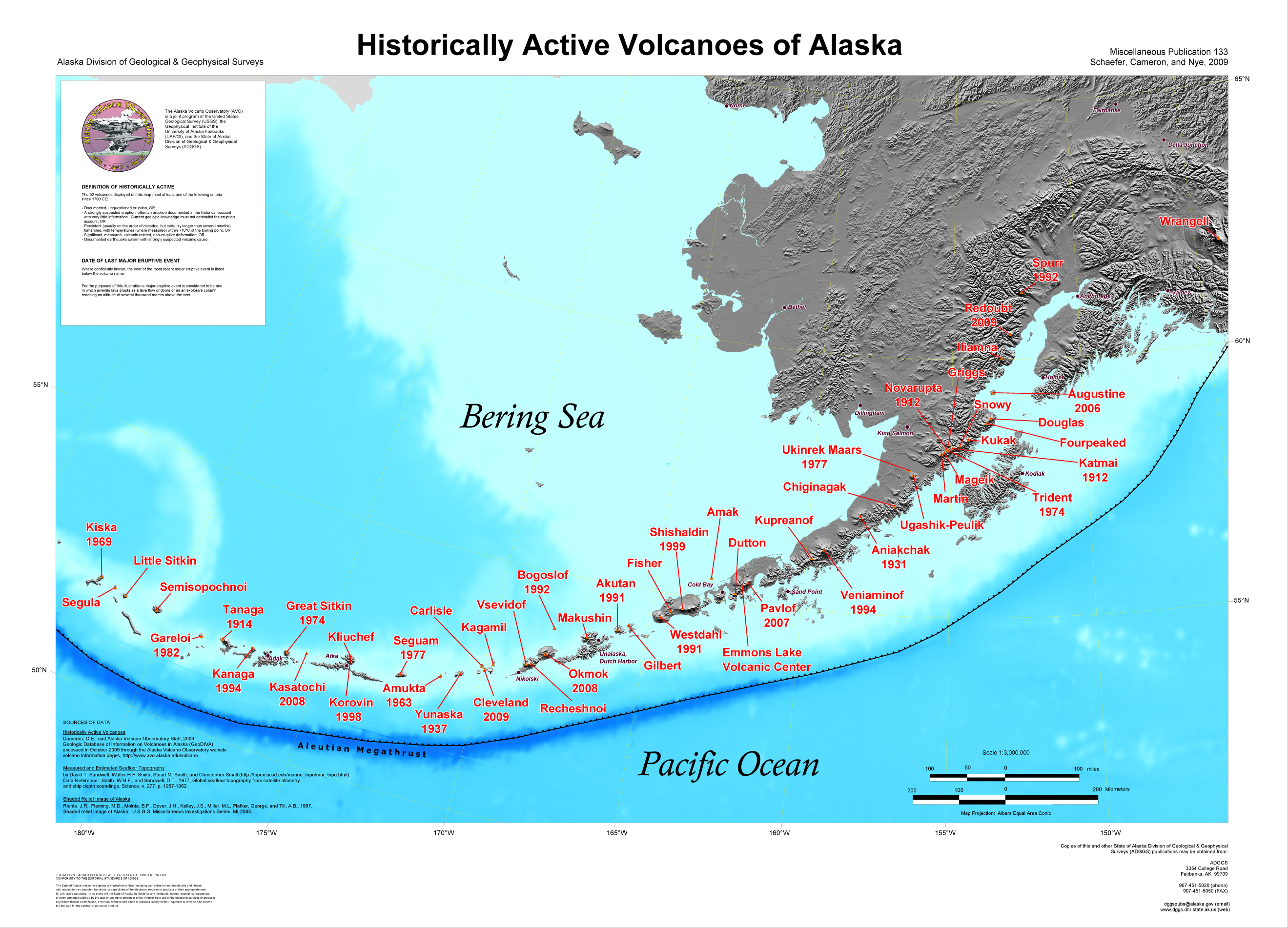
Alaska, a vast frontier of unparalleled natural beauty and raw geological power, is indeed a land sculpted by fire. The question of whether Alaska boasts volcanoes is not only a resounding yes but also a gateway to understanding one of the most volcanically active regions on Earth. The Cook Inlet and the Aleutian Islands form a significant part of the Pacific Ring of Fire, a horseshoe-shaped zone of intense seismic and volcanic activity encircling the Pacific Ocean. This article delves into the presence, significance, and accessibility of Alaska’s formidable volcanoes, offering insights for the adventurous traveler and the geologically curious.
Alaska’s Fiery Ring of Fire
The geological processes that fuel volcanic activity in Alaska are primarily driven by plate tectonics. The Pacific Plate is subducting, or sliding beneath, the North American Plate along the southern coast of Alaska. This process creates a molten zone, or magma chamber, deep within the Earth’s crust, which eventually finds its way to the surface to erupt as volcanoes. This volcanic arc stretches for thousands of miles, creating a dramatic and dynamic landscape.
The Aleutian Arc: A Chain of Fire
The Aleutian Islands are a testament to this fiery genesis. This chain of over 300 islands, many of which are volcanic in origin, forms a vast arc extending westward from the Alaskan mainland. These islands are home to numerous active volcanoes, some of which have erupted in recent history, shaping the very geography of these remote lands.
Notable Aleutian Volcanoes
- Mount Shishaldin: Located on Unimak Island, Mount Shishaldin is one of the most active volcanoes in the Aleutian Islands. Its near-perfect conical shape makes it an iconic landmark, and its frequent eruptions, often marked by ash plumes and lava flows, are a constant reminder of its power. It last erupted in 2023.
- Pavlof Volcano: Also on Unimak Island, Pavlof Volcano is another highly active stratovolcano known for its frequent and sometimes explosive eruptions. Its remote location means that eruptions often have minimal impact on human populations, but they are closely monitored by scientists.
- Great Sitkin Volcano: Situated on Great Sitkin Island, this volcano has a history of significant eruptions. Its caldera often hosts a lake, which can be dramatically altered by volcanic activity.
- Semisopochnoi Island: This island is home to multiple volcanic centers, with Mount Cerberus being a prominent and active stratovolcano.
The Cook Inlet Region: Volcanic Neighbors
While the Aleutian Islands represent the outer edge of the volcanic arc, the Cook Inlet region closer to Anchorage also features several active and potentially active volcanoes. These volcanoes are of particular interest due to their proximity to population centers and major transportation routes.
Key Volcanoes of the Cook Inlet
- Mount Redoubt: Located on the west side of Cook Inlet, Mount Redoubt is a stratovolcano that has experienced significant eruptions in recent history, most notably in 1989-1990. These eruptions produced ash clouds that disrupted air travel and caused lahars (volcanic mudflows) that impacted river valleys.
- Mount Spurr: West of Cook Inlet, Mount Spurr is another active stratovolcano with a history of ash eruptions. Its two craters, each containing a volcanic dome, are a distinctive feature.
- Augustine Volcano: This island volcano in Lower Cook Inlet is one of the most active in the region. Augustine Volcano is known for its frequent dome growth and collapse, which can lead to explosive eruptions and tsunamis.
- Mount Iliamna: Although not as frequently active as some of its neighbors, Mount Iliamna is a massive stratovolcano that is considered potentially active. Its impressive stature and steaming fumaroles indicate ongoing geothermal activity.
- Mount Martin: A smaller stratovolcano adjacent to Mount Iliamna, Mount Martin has also shown signs of recent volcanic activity.
Experiencing Alaska’s Volcanic Landscapes
The presence of these powerful geological forces creates unique opportunities for exploration and adventure in Alaska. While direct encounters with active eruptions are rare and often dangerous, the dramatic landscapes forged by past volcanic activity offer breathtaking vistas and unparalleled natural wonders.
Volcano Tourism and Viewing Opportunities
The remote nature of many of Alaska’s volcanoes means that experiencing them often involves specialized travel. However, several accessible points offer glimpses into this fiery realm.
Accessible Volcanoes and Viewing Points
- Talkeetna: This charming town serves as a gateway for many visitors interested in the Alaska Range. From Talkeetna, on clear days, visitors can often see the imposing figures of Mount Denali, Mount Hunter, and Mount Foraker. While not volcanoes themselves, their dramatic presence in the volcanic landscape is captivating. For those seeking a closer look at actual volcanoes, flightseeing tours originating from Talkeetna can provide stunning aerial views of Mount Redoubt and Mount Spurr in the Cook Inlet region.
- Seward: This coastal town offers opportunities for boat tours in Resurrection Bay and beyond. While not directly viewing active volcanoes, the dramatic fjords and mountainous terrain are a result of Alaska’s complex geological history, which includes volcanic activity.
- Homer: Known as the “Halibut Fishing Capital of the World,” Homer is situated on the Kenai Peninsula, offering views across Kachemak Bay towards the volcanic peaks of the Aleutian Range. Kilauea Volcano on the Big Island of Hawaii might be more famous, but Alaska’s volcanoes offer a rugged, untamed beauty.
- Kodiak Island: Reaching Kodiak Island typically involves a flight or ferry. The island itself is volcanic in origin, and while its volcanoes are largely dormant, the landscape is a testament to its fiery past.
Air Tours for Volcano Enthusiasts
For many, the most immersive way to experience Alaska’s volcanoes is through scenic flightseeing tours. Operators based in Anchorage, Talkeetna, and other hubs offer flights that can take you over the remote Aleutian Islands or the Cook Inlet volcanoes. These tours provide unparalleled views of volcanic craters, lava fields, and the sheer scale of these geological giants. Some tours may even circle active or recently active volcanoes, offering a truly awe-inspiring experience.
Safety and Monitoring of Alaskan Volcanoes
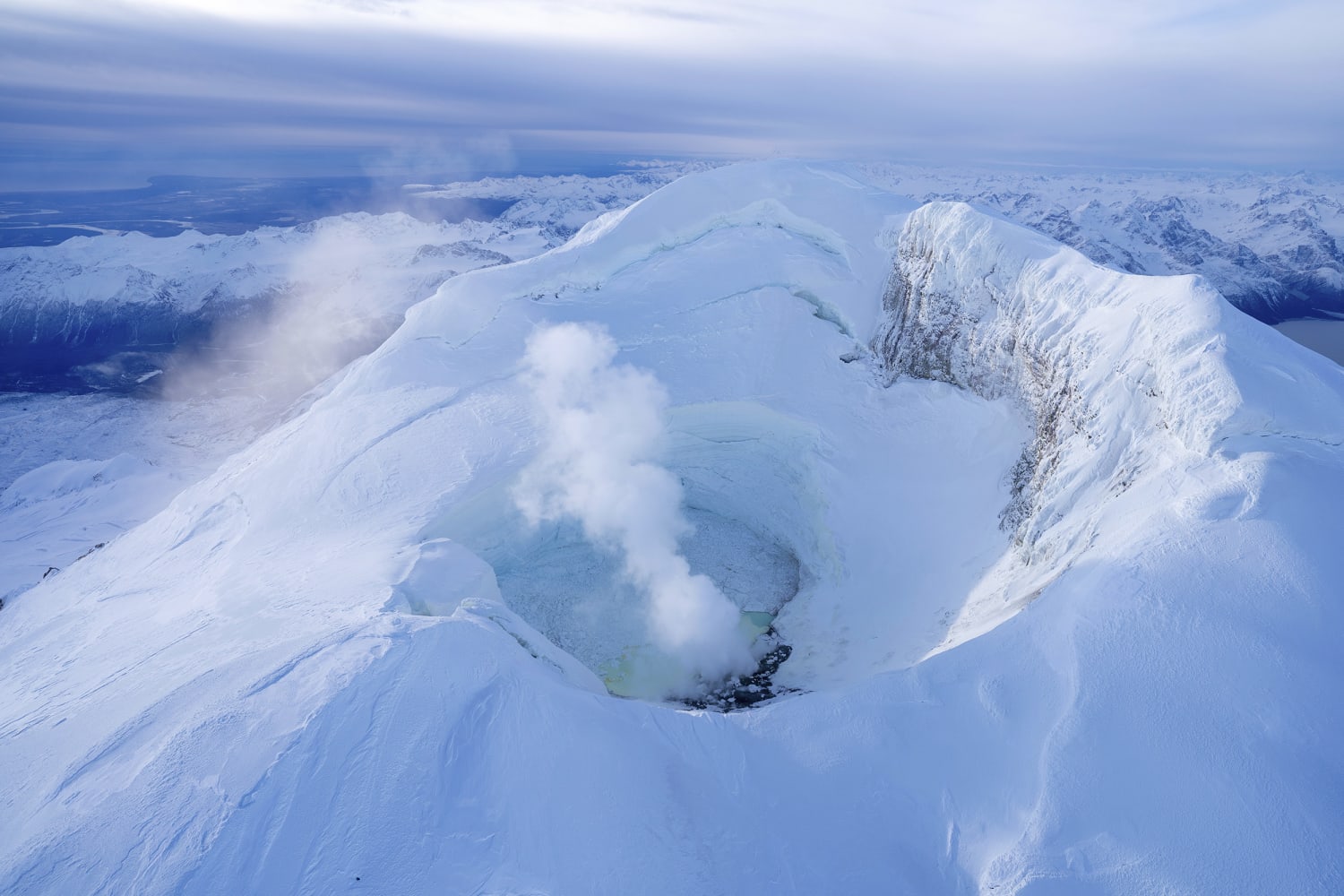
The U.S. Geological Survey (USGS) plays a crucial role in monitoring the seismic and volcanic activity in Alaska. The Alaska Volcano Observatory (AVO), a joint project of the USGS, the University of Alaska Fairbanks, and the State of Alaska Division of Geological and Geophysical Surveys, is dedicated to understanding and forecasting volcanic activity.
The Role of the Alaska Volcano Observatory (AVO)
The AVO maintains a network of seismometers, GPS stations, and other instruments that continuously collect data on the state of Alaska’s volcanoes. This monitoring is vital for:
- Public Safety: Providing timely warnings to communities and aviation authorities in the event of an eruption.
- Scientific Research: Advancing our understanding of volcanic processes and eruption dynamics.
- Aviation Hazard Reduction: Alerting pilots to the presence of ash clouds, which can be extremely hazardous to aircraft engines.
Visitors to Alaska can often find information on current volcanic activity through the AVO website, which provides real-time updates and hazard assessments. While the awe-inspiring power of volcanoes is a draw for many, respecting their inherent danger and adhering to official advisories is paramount.
The Geological Significance and Impact
The volcanoes of Alaska are not merely geological features; they are integral to the state’s environment, culture, and economy. Their eruptions have shaped the landscape, influenced ecosystems, and even impacted global climate in the past.
Shaping the Alaskan Landscape and Environment
Over millennia, volcanic activity has created fertile soils, unique geological formations, and diverse habitats. The ash from past eruptions has enriched the land, supporting the lush vegetation and abundant wildlife that characterize Alaska. The geothermal energy associated with volcanic regions also plays a role in the local environment, influencing hot springs and other geological phenomena.
Impact on Ecosystems and Wildlife
The volcanic landscapes of Alaska are home to a surprising array of life. Specialized plants have adapted to the nutrient-rich soils of volcanic slopes, and the unique topography created by lava flows and ash deposits provides diverse niches for various species. While large eruptions can temporarily disrupt ecosystems, the long-term effect of volcanic activity is often one of renewal and diversification.
Volcanic Activity and Climate
Large volcanic eruptions can inject significant amounts of ash and gases, such as sulfur dioxide, into the stratosphere. These particles can reflect sunlight back into space, leading to temporary global cooling effects. While Alaska experiences frequent volcanic activity, major eruptions with significant global climatic impacts are less common than in some other parts of the Ring of Fire. However, the cumulative effect of centuries of volcanic emissions contributes to the complex geological and atmospheric dynamics of the region.
Planning Your Volcanic Adventure in Alaska
For travelers drawn to the raw power of nature, Alaska offers an unforgettable encounter with volcanic grandeur. Understanding the best times to visit, the necessary preparations, and the responsible ways to explore these powerful landscapes will enhance your journey.
Best Times to Visit and Travel Tips
The best time to visit Alaska for volcano viewing and general exploration is during the summer months, from June to August. During this period, daylight hours are long, and the weather is generally more favorable for outdoor activities and flightseeing.
Essential Preparations
- Book in Advance: Flightseeing tours and accommodations, especially in popular areas like Talkeetna, can book up quickly.
- Pack Appropriately: Even in summer, Alaska weather can be unpredictable. Layers of clothing, waterproof outer gear, sturdy hiking boots, and insect repellent are essential.
- Stay Informed: Check the AVO website for any current volcanic alerts or advisories before and during your trip.
- Respect the Environment: Adhere to Leave No Trace principles and respect the natural beauty and geological significance of the areas you visit.
Responsible Exploration of Volcanic Areas
When exploring areas near volcanoes, safety and responsible tourism are paramount. Many volcanic areas are remote and can be hazardous.

Safety Guidelines
- Follow Official Advice: Always heed warnings and closures issued by park authorities or the AVO.
- Do Not Approach Active Volcanoes: Maintain a safe distance from any active volcanic areas.
- Be Prepared for Changing Conditions: Volcanic regions can be prone to sudden weather changes, rockfalls, and other hazards.
- Consider Guided Tours: For remote or potentially hazardous areas, guided tours led by experienced professionals are highly recommended.
In conclusion, Alaska is undeniably a land of volcanoes. From the dramatic arcs of the Aleutian Islands to the imposing peaks of the Cook Inlet region, these fiery giants are a defining feature of its wild and majestic landscape. For the intrepid traveler, an encounter with Alaska’s volcanic heart promises an experience that is both humbling and exhilarating.
LifeOutOfTheBox is a participant in the Amazon Services LLC Associates Program, an affiliate advertising program designed to provide a means for sites to earn advertising fees by advertising and linking to Amazon.com. Amazon, the Amazon logo, AmazonSupply, and the AmazonSupply logo are trademarks of Amazon.com, Inc. or its affiliates. As an Amazon Associate we earn affiliate commissions from qualifying purchases.