
Maine, a state celebrated for its rugged coastline, dense forests, and picturesque landscapes, attracts visitors for a myriad of reasons. From the iconic lighthouses dotting the shores of Acadia National Park to the vibrant culinary scene in Portland, the Pine Tree State offers a diverse range of experiences. Many travelers seek adventure and immersion in nature, and understanding the local fauna is an integral part of planning a safe and enjoyable trip. A common question that arises, particularly for those venturing into the more wild and wooded areas, is about the presence of snakes. While the image of a slithering serpent might evoke apprehension for some, it’s essential to approach this topic with accurate information to dispel myths and promote respectful coexistence with the natural world.
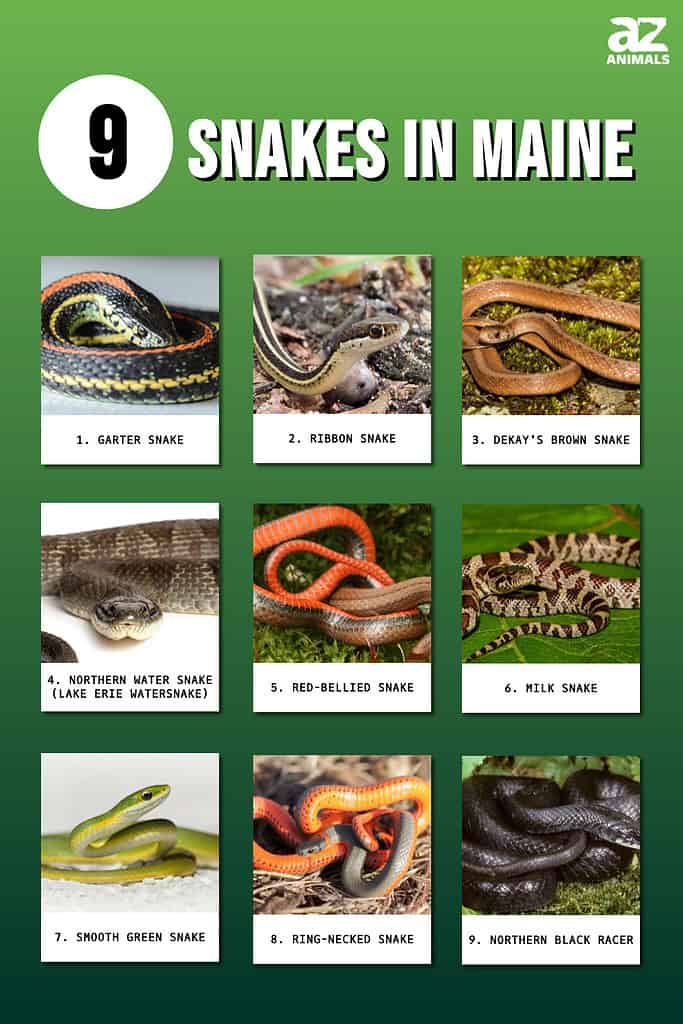
Understanding Maine’s Reptile Population
Maine’s climate, characterized by its distinct seasons and cold winters, influences the types of reptiles that can thrive within its borders. Unlike warmer regions where serpentine life is abundant year-round, Maine’s snake population is more modest and primarily consists of non-venomous species. This is a crucial point for visitors to understand, as the fear of venomous encounters is often a primary concern. The state’s commitment to conservation means that its ecosystems are generally healthy, supporting a variety of wildlife, including these often-misunderstood creatures.
The Diversity of Maine’s Snakes
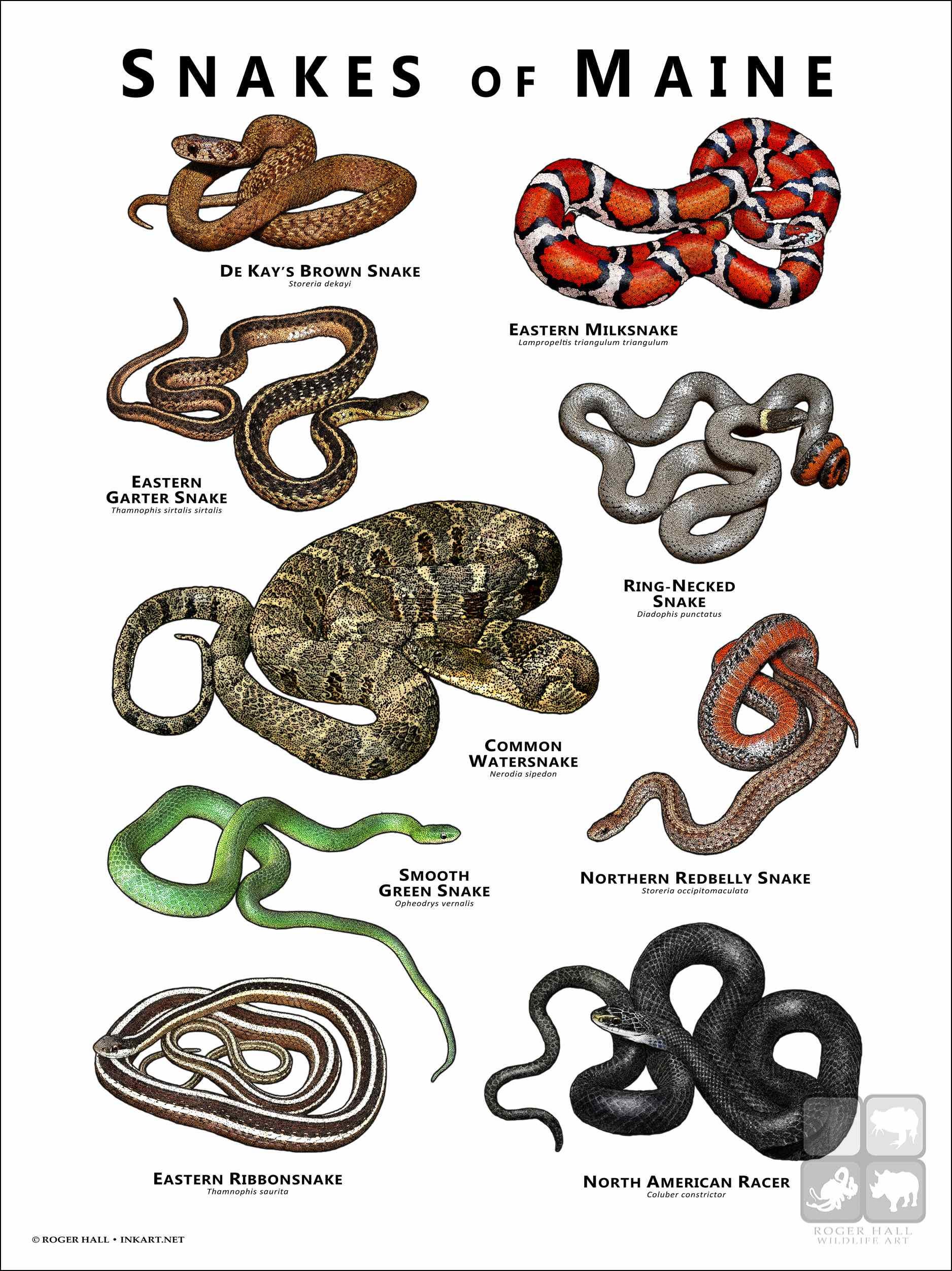
While not as species-rich as some southern states, Maine is home to several snake species, each adapted to its specific habitat. These include various garter snakes, milk snakes, and the common water snake. Each plays a vital role in the ecosystem, primarily by controlling populations of rodents and insects.
Garter Snakes
The most commonly encountered snake in Maine is the common garter snake. These adaptable creatures are found in a wide range of habitats, from backyards and gardens to meadows and wooded areas. They are relatively small, typically reaching lengths of 18 to 26 inches, and are known for their distinctive stripes running along their bodies. Garter snakes are harmless to humans and are beneficial to gardens as they prey on slugs, snails, and earthworms.
Milk Snakes
Another common resident, the milk snake, is often found in barns, old foundations, and wooded areas. These snakes are recognizable by their reddish-brown or chestnut-colored blotches bordered by black, set against a lighter background. Despite their sometimes striking appearance, they are also non-venomous and are primarily known for their role in controlling rodent populations. Historically, they were given their name because it was believed they milked cows, a myth long since debunked.
Common Water Snakes
As their name suggests, common water snakes are semi-aquatic and are typically found near ponds, lakes, rivers, and marshes. They are often mistaken for venomous water moccasins, a species that does not inhabit Maine. These snakes are usually darker in color, often with bands or a checkered pattern. While they can be defensive if cornered and may bite, their venom is not medically significant to humans. Their primary diet consists of fish and amphibians.
Other Notable Species
While less frequently encountered by the average visitor, Maine is also home to the ring-necked snake, a small and secretive species often found under logs and leaf litter, and the black racer, a larger, fast-moving snake that prefers open, sunny habitats. Both are non-venomous and play important roles in their respective environments.
Dispelling Myths and Ensuring Safety
The fear of snakes is often amplified by misinformation. In Maine, it’s important to understand that the likelihood of encountering a venomous snake is extremely low, and no such species pose a significant threat to visitors. The snakes that do inhabit Maine are generally shy and prefer to avoid human interaction.
Understanding Venomous Species (or Lack Thereof)
Maine does not have any native venomous snakes that are considered dangerous to humans. The venomous snakes commonly feared in other parts of the United States, such as rattlesnakes or copperheads, are absent from the state. This fact significantly reduces the risk of venomous snakebites for those exploring Maine’s natural beauty.
Defensive Behaviors and Prevention
While rare, snakes may exhibit defensive behaviors if they feel threatened. This can include hissing, rattling their tails (which can mimic a rattlesnake), or striking. The best way to avoid any negative encounters is to be aware of your surroundings, especially when hiking or exploring wooded areas.
- Stay on Marked Trails: This minimizes your chances of surprising a snake in its habitat.
- Wear Appropriate Footwear: Sturdy boots can protect your ankles and feet.
- Avoid Reaching into Unseen Areas: Before reaching under rocks, logs, or into dense brush, take a moment to look.
- Do Not Handle Snakes: Even non-venomous snakes can bite if handled. Admire them from a safe distance.
- Educate Children: Teach them about respecting wildlife and not approaching or touching any snakes they might see.
Experiencing Maine’s Natural Wonders Safely
Maine’s appeal lies in its untamed landscapes, and encountering its wildlife, including snakes, is part of that authentic experience. By understanding the local fauna and practicing responsible behavior, visitors can fully enjoy the natural beauty of the state without undue concern.
Opportunities for Wildlife Observation
For those interested in observing wildlife, Maine offers numerous opportunities. Birdwatching, whale watching tours out of Bar Harbor, and exploring the diverse habitats of Baxter State Park are popular activities. While snakes are not typically the primary focus for most tourists, their presence is a sign of a healthy ecosystem.

Ethical Wildlife Tourism
Responsible tourism in Maine means respecting the natural environment and its inhabitants. This includes minimizing our impact on habitats and observing wildlife from a distance. The knowledge that Maine’s snake population is largely non-venomous can help alleviate anxieties and allow visitors to appreciate the ecological diversity of the state. Whether you’re kayaking on the Kennebec River or hiking through the forests of the Western Mountains, a little awareness goes a long way in ensuring a safe and enriching experience. Maine’s commitment to preserving its natural heritage ensures that these encounters, when they occur, are usually fleeting glimpses of a wild and beautiful world.
LifeOutOfTheBox is a participant in the Amazon Services LLC Associates Program, an affiliate advertising program designed to provide a means for sites to earn advertising fees by advertising and linking to Amazon.com. Amazon, the Amazon logo, AmazonSupply, and the AmazonSupply logo are trademarks of Amazon.com, Inc. or its affiliates. As an Amazon Associate we earn affiliate commissions from qualifying purchases.