
The Mississippi River, a legendary artery of North America, captivates the imagination with its immense scale and historical significance. Its very name evokes images of steamboats, Mark Twain, and the vast heartland of the United States. Yet, for many who admire its powerful flow, the precise origins and ultimate destination of this iconic waterway remain somewhat of a geographical enigma. Delving into the beginning and end of the Mississippi River is not merely an exercise in cartography; it’s an exploration of natural landscapes, ecological systems, and the very essence of travel that traces the course of this grand river.

The Genesis: Lake Itasca’s Humble Source
The widely recognized beginning of the Mississippi River is the serene and unassuming Lake Itasca, nestled within the Itasca State Park in northern Minnesota. Far from the dramatic cataracts one might expect for such a colossal river, its genesis is a tranquil outflow from this clear, spring-fed lake. The lake itself is fed by numerous underground springs, contributing to its pristine waters.
The “Headwaters” Experience
Visiting the headwaters of the Mississippi River offers a unique and intimate encounter with the river’s infancy. Visitors can literally walk across the very spot where the mighty river begins its journey, a shallow stream barely a few feet wide. The iconic boulder marking this point serves as a testament to the transformation that awaits downstream.
- Walking Across the River: This is a must-do for any visitor. The act of wading through the cool, shallow waters, often no deeper than knee-high, provides a tangible connection to the river’s nascent stages. It’s a moment of reflection on the vastness the river will eventually command.
- Interpretive Trails and Visitor Centers: Itasca State Park offers well-maintained trails that allow exploration of the surrounding old-growth forests and wetlands, which are crucial to the health of the headwaters ecosystem. The park’s visitor centers provide comprehensive information about the river’s geology, ecology, and history.
- Paddling and Boating: While the initial stretch is too shallow for most vessels, as the river widens slightly downstream from Lake Itasca, opportunities arise for canoeing and kayaking. These gentle excursions allow for a peaceful immersion in the natural beauty of the Upper Mississippi.
The headwaters region, though modest in scale, is a vital ecological zone, supporting diverse flora and fauna. It’s a place where the journey of a continent-spanning river truly begins, a testament to nature’s ability to create immense power from seemingly simple beginnings. The transformation from a trickling stream to a world-renowned river is a continuous, dynamic process, highlighting the intricate interplay of geography and hydrology.
The Long and Winding Path: A Journey Through America’s Heartland
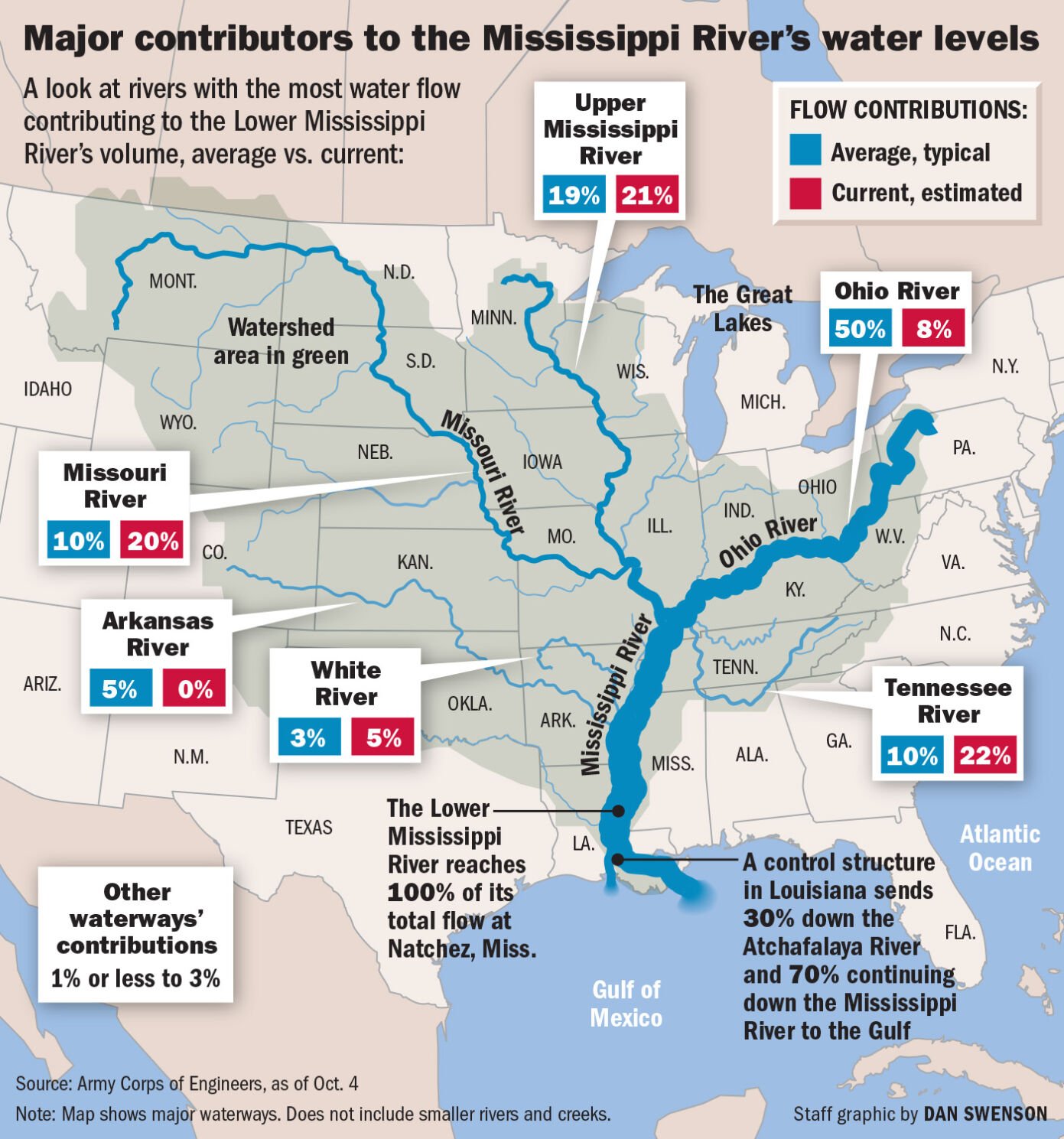
From its humble origins, the Mississippi River embarks on a journey of over 2,300 miles, carving its path through diverse landscapes and shaping the destiny of the regions it traverses. Its course is a living map of America‘s development, a vital corridor for trade, culture, and natural beauty.
Navigating the Upper Mississippi
The upper reaches of the river, flowing through Minnesota, Wisconsin, Iowa, and Illinois, are characterized by bluffs, forests, and a burgeoning urban presence. Cities like Minneapolis, St. Paul, and Dubuque owe much of their identity and historical growth to the river’s presence.

- St. Louis and the Gateway Arch: As the river moves south, it reaches St. Louis, where the iconic Gateway Arch stands as a monumental tribute to westward expansion, a journey often facilitated by the Mississippi River. A visit to the Arch offers panoramic views of the city and the river’s expansive breadth at this point.
- Riverboat Cruises: For an immersive travel experience, taking a ride on a traditional paddlewheel steamboat or a modern river cruise offers a unique perspective on the towns, cities, and natural scenery that line the riverbanks. These cruises often delve into the rich history and local culture of the Mississippi Valley.
- National Mississippi River Museum & Aquarium: Located in Dubuque, this institution provides a comprehensive exploration of the river’s ecological, historical, and cultural significance, making it an essential stop for understanding the river’s journey.
The Lower Mississippi and its Deltaic Dance
Below the confluence with the Missouri River, the Mississippi River gains considerable power and sediment load. This section, flowing through states like Missouri, Arkansas, Tennessee, Mississippi, and Louisiana, becomes a wider, more powerful entity, characterized by levees, fertile floodplains, and the vibrant culture of the Deep South.
- Memphis and Beale Street: The vibrant city of Memphis is a cultural hub along the Lower Mississippi, renowned for its blues music heritage emanating from Beale Street and its association with the King of Rock and Roll, Elvis Presley, whose Graceland is a major attraction.
- Plantation Tours and Civil War History: The fertile lands along the Lower Mississippi were once dominated by cotton plantations, many of which are now preserved as historical sites offering a glimpse into a complex and often somber past. The river also played a pivotal role in the Civil War, with key battles fought along its banks.
- New Orleans and the Mardi Gras Spirit: As the river approaches its end, it flows past New Orleans, a city synonymous with jazz music, unique cuisine, and the world-famous Mardi Gras celebration. The influence of the Mississippi River on the city’s culture and development is undeniable.
The Gulf’s Embrace: The Mississippi’s Grand Finale
The endpoint of the Mississippi River is a spectacular natural phenomenon: the vast deltaic plain where it empties into the Gulf of Mexico. This is not a single point but a sprawling, ever-changing landscape of channels, marshes, bayous, and islands.
The Mississippi River Delta
The delta is a testament to the river’s erosive and constructive power. Over millennia, the Mississippi River has deposited vast amounts of sediment, building new land into the sea. This dynamic process creates a unique ecosystem, rich in biodiversity.
- Pilottown and the Delta’s Edge: The southernmost inhabited area accessible by boat is Pilottown, a community that has long supported the pilots guiding large vessels safely through the intricate waterways of the delta and into the Gulf of Mexico.
- Ecological Significance: The delta is a critical habitat for countless bird species, fish, and other wildlife. Its wetlands act as natural filters, protect coastal communities from storms, and are vital nurseries for marine life. The Jean Lafitte National Historical Park and Preserve offers opportunities to explore this unique environment.
- The Main Pass and the Gulf: While the river splits into numerous distributaries within the delta, the primary channel, often referred to as the Main Pass, is where the river’s freshwater finally mingles with the saltwater of the Gulf of Mexico. The sheer volume of water and sediment discharged here is immense, visibly altering the ocean’s salinity and color for miles.
The exact geographical “end” is a fluid concept in the delta, as land is constantly being created and eroded. It’s a place where the river’s immense journey culminates, not in a definitive stop, but in a continuous integration with the vastness of the world’s oceans. This ephemeral boundary is a profound reminder of nature’s ever-evolving artistry.
A Journey of Discovery and Connection
Understanding where the Mississippi River begins and ends is more than a matter of pinpointing locations on a map. It’s an invitation to embark on a journey of discovery, to witness the transformative power of water, and to connect with the diverse landscapes and cultures that the river has nurtured. From the quiet springs of Minnesota to the vibrant delta meeting the Gulf of Mexico, the Mississippi River offers a profound travel experience, revealing the heart and soul of America with every mile of its epic flow.
LifeOutOfTheBox is a participant in the Amazon Services LLC Associates Program, an affiliate advertising program designed to provide a means for sites to earn advertising fees by advertising and linking to Amazon.com. Amazon, the Amazon logo, AmazonSupply, and the AmazonSupply logo are trademarks of Amazon.com, Inc. or its affiliates. As an Amazon Associate we earn affiliate commissions from qualifying purchases.