
The Bering Strait, a narrow body of water separating Alaska, United States, from Russia, has long captivated the imagination. The tantalizing proximity of two continents, separated by mere miles, sparks a fundamental question for adventurers and geographers alike: can one truly walk from Alaska to Russia? While the geographical answer leans towards a nuanced “no” under typical circumstances, the allure of traversing this frozen frontier is undeniable, and understanding the challenges and possibilities reveals a fascinating exploration of human endurance, natural forces, and the very definition of a “walk.”
The Bering Strait: A Frozen Frontier
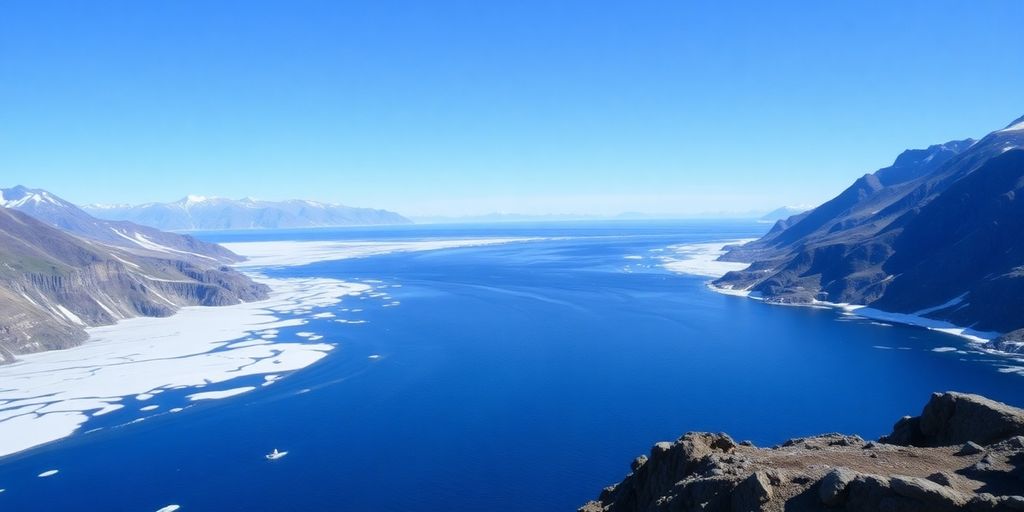
The Bering Strait is a dynamic and formidable environment. At its narrowest point, it is approximately 55 miles (88 kilometers) wide. However, the physical act of walking across it is complicated by several factors, the most significant being the water itself. While it freezes over in winter, forming a potentially traversable ice bridge, this ice is rarely a solid, continuous sheet.

Ice Conditions and Navigation Challenges
The ice in the Bering Strait is notoriously unpredictable. It is constantly in motion, driven by powerful ocean currents and prevailing winds. This creates a mosaic of moving ice floes, open water leads, and pressure ridges that can make crossing exceedingly dangerous. Even during the coldest months, when temperatures can plummet to -40°F (-40°C) and below, the ice may not be consistently thick or stable enough to support a human crossing on foot, especially over such a vast distance.
Furthermore, the ice’s surface can be treacherous, littered with jagged ice chunks and subject to sudden shifts. Navigating this terrain requires specialized knowledge, equipment, and a profound respect for the unforgiving nature of the Arctic environment. The potential for falling through thin ice into the frigid waters, with near-certain hypothermia and drowning, is a constant and deadly threat.
Historical Context and Anecdotal Evidence
Throughout history, indigenous peoples of the Bering Strait region, such as the Yupik and Siberian Yupik, have possessed the skills and knowledge to navigate these waters and ice during specific times of the year. They utilized kayaks and umiaks, as well as dog sleds and skis, to travel between the islands and shorelines of Alaska and Russia. These journeys were not “walks” in the conventional sense but rather highly skilled expeditions undertaken by those intimately familiar with the local conditions and equipped for survival.
There are also anecdotal accounts and whispers of individuals who have attempted or claimed to have made crossings on foot, particularly during exceptionally cold winters. However, these claims are often unsubstantiated and, if true, would have involved traversing a highly volatile and dangerous ice bridge under extreme conditions. Such feats would represent an extraordinary act of survival rather than a feasible mode of travel.
The Diomede Islands: A Stepping Stone?
Between Alaska and Russia lie the Diomede Islands, two small landmasses that break up the expanse of the Bering Strait. Big Diomede (Russian territory) and Little Diomede (U.S. territory) are separated by a mere 2.5 miles (4 kilometers) of water. This proximity makes them a focal point for discussions about traversing the strait.
International Date Line and Proximity
The International Date Line runs between the two Diomede Islands. This means that on one side, it’s almost tomorrow, and on the other, it’s today. This geographical anomaly adds a unique temporal dimension to the physical separation. While the distance between the islands is relatively short, crossing it still involves navigating the Bering Strait, with all its inherent dangers.
The Ice Bridge Between the Diomedes
During winter, the water between the Diomede Islands can freeze over, creating what is sometimes referred to as an “ice bridge.” This offers the theoretical possibility of walking between Little Diomede and Big Diomede. However, the same challenges of unpredictable ice, strong currents, and extreme cold apply. Crossing this shorter distance is still an undertaking requiring significant preparation and awareness of the risks. It is crucial to remember that the ice here is not a stable, solid road and can break apart without warning.

Practicalities and Perils of a “Walk”
Even if the ice conditions were consistently favorable – a rare occurrence – the concept of “walking” to Russia from Alaska is fraught with practical and legal impediments.
Extreme Environment and Survival Gear
The Arctic environment is one of the most hostile on Earth. Beyond the challenge of the ice itself, travelers would face extreme cold, hurricane-force winds, whiteout conditions, and the potential for encountering wildlife such as polar bears. Survival would depend on highly specialized cold-weather gear, navigation equipment, and the ability to manage resources such as food and fuel.
Logistics and Support
A true “walk” across the Bering Strait would require immense logistical support. This would involve transporting supplies, establishing emergency communication systems, and potentially having a support team with ice-breaking vessels or aircraft. Such an undertaking would quickly move beyond the realm of a simple walk and into the territory of a major expedition, akin to crossing the Antarctic or climbing Mount Everest.
Legal and Border Crossing
Even if one managed to physically traverse the strait, crossing international borders without proper documentation and authorization is illegal. The United States and Russia have strict border controls, and attempting to enter either country without going through official checkpoints would lead to severe legal consequences, including detention and deportation.
Alternative Trans-Bering Strait Experiences
While a direct, unsupported walk across the Bering Strait is largely impractical and highly dangerous, there are ways to experience the unique geography and culture of this region.
Flights and Cruises
The most common and safest ways to connect Alaska and Russia are through flights. Numerous airlines operate routes that allow travelers to fly between cities in Alaska and Russia, offering stunning aerial views of the strait and the Diomede Islands.
For those seeking a more immersive experience, a limited number of expedition cruises venture through the Bering Strait. These voyages provide opportunities to witness the dramatic landscapes, observe marine wildlife, and learn about the indigenous cultures of the region from experienced guides. Some cruises may even include stops at remote coastal communities in both Alaska and Russia, offering a glimpse into life in these isolated areas.
Exploring the Diomede Islands
While landing on Big Diomede from Little Diomede is technically challenging and legally restricted, visitors can still experience the unique atmosphere of Little Diomede. This U.S. territory offers a fascinating insight into life in a remote Arctic village, with its distinct culture and breathtaking views across the strait towards Russia. Guided tours or independent exploration (with careful planning) can provide a deep appreciation for this extraordinary corner of the world.
Understanding the Geography
The question of walking to Russia from Alaska ultimately highlights the power of geography and the forces of nature. The Bering Strait is a testament to the vastness and wildness of our planet. While the romantic notion of a direct pedestrian journey remains a compelling fantasy, the reality underscores the importance of respecting natural barriers and seeking safe, authorized, and well-prepared methods of exploration. The spirit of adventure can still be satisfied by engaging with this region through the many viable travel and tourism options available, offering a profound connection to one of the world’s most remarkable frontiers.
LifeOutOfTheBox is a participant in the Amazon Services LLC Associates Program, an affiliate advertising program designed to provide a means for sites to earn advertising fees by advertising and linking to Amazon.com. Amazon, the Amazon logo, AmazonSupply, and the AmazonSupply logo are trademarks of Amazon.com, Inc. or its affiliates. As an Amazon Associate we earn affiliate commissions from qualifying purchases.