
The question “Is Florida South?” delves into a nuanced geographical, cultural, and historical identity that significantly shapes the tourism experience in the Sunshine State. While geographically much of Florida lies within the traditional boundaries of the American South, its cultural tapestry is far more complex than a simple regional classification suggests. For visitors, understanding this multifaceted identity is key to appreciating the diverse local cultures, unique culinary landscapes, and an unparalleled array of activities available across the state. From the oak-lined streets of its northern cities to the vibrant, Caribbean-infused metropolises of its southern tip, Florida offers a spectrum of experiences that challenge simple categorizations, making it a truly distinctive destination for any traveler.
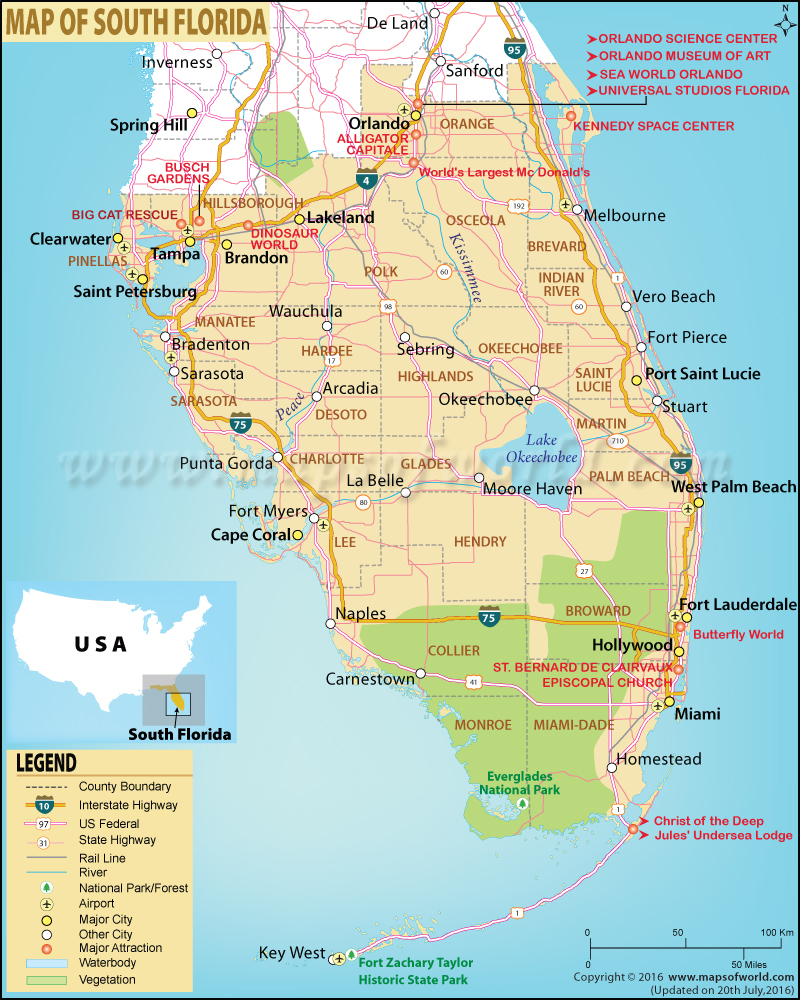
The Geographic and Cultural Nuance of the Sunshine State
Florida’s placement as a peninsula, jutting into the Caribbean and the Gulf of Mexico, naturally positions it at a crossroads of cultures. While its northern reaches share a border and historical ties with states often considered the heart of the Deep South, the vast majority of its population and tourist destinations have evolved with distinct influences. This geographical reality profoundly impacts climate, leading to a tropical and subtropical environment that fosters unique flora and fauna—attractions in themselves. Tourists encounter everything from ancient cypress swamps in the Everglades to pristine coral reefs off the Florida Keys, experiences vastly different from those in landlocked Southern states.
Culturally, Florida is a captivating blend. In its northern counties, a familiar Southern charm persists: slower paces of life, traditional hospitality, and historical architecture reminiscent of bygone eras. However, as one travels south, the influence shifts dramatically towards Latin American and Caribbean cultures, particularly evident in major urban centers. This fusion creates a unique atmosphere where “Southern comfort” meets “salsa rhythms,” where English, Spanish, and even Haitian Creole might be heard in daily conversations. For tourists, this means a visit to Florida can entail experiencing traditional Southern barbecue one day and authentic Cuban cuisine the next, or exploring historical battlefields followed by vibrant art deco districts. The state’s identity isn’t singular; it’s a dynamic interplay of histories, migrations, and climates that continuously redefine what “South” means within its borders.
A Tale of Two Floridas: North vs. South
The internal cultural variations within Florida are so significant that many travelers and residents speak of two distinct Floridas, each offering a different facet of the state’s complex identity. Understanding this division is crucial for tourists planning an itinerary that aligns with their desired experiences.
Northern Florida’s Southern Roots
The northern part of the state, often referred to as North Florida or the Florida Panhandle, unequivocally embraces its Southern heritage. Cities like Tallahassee, the state capital, and Jacksonville, the state’s most populous city, exhibit characteristics deeply rooted in Southern tradition. Here, visitors will find stately antebellum homes, streets shaded by ancient oak trees draped in Spanish moss, and a pace of life that feels distinctly unhurried compared to the bustling metropolises further south. The culinary scene leans heavily into traditional Southern cuisine, featuring hearty dishes like fried chicken, collard greens, and sweet tea, often served with a generous helping of Southern hospitality. Tourist activities in this region often revolve around natural beauty, including extensive state parks, rivers perfect for fishing and kayaking, and the stunning white-sand beaches of the Gulf Coast, which offer a more relaxed and family-oriented experience than the lively shores of South Florida. History buffs can explore Civil War battlefields and historic districts that tell tales of the state’s deep connections to the Confederacy, offering an authentic glimpse into America’s Southern past.
Peninsular Florida’s Unique Blend
As one ventures south into the peninsula, the traditional Southern influences gradually recede, giving way to a more cosmopolitan and internationally flavored identity. Major tourist hubs like Orlando, home to world-famous theme parks; Tampa, a city with a rich history of Cuban immigration; and Miami, often dubbed the “Capital of Latin America,” showcase a vibrant blend of cultures. In South Florida, the architectural styles range from Art Deco masterpieces in Miami Beach to modern high-rises. The cultural landscape is heavily influenced by Cuban, Haitian, Colombian, and other Latin American and Caribbean communities, evident in the languages spoken, the music played, and the diverse culinary offerings. The Florida Keys, stretching southwest from the mainland, present their own unique “island” culture, a laid-back, bohemian atmosphere shaped by maritime history and proximity to the Caribbean. Tourist attractions in these areas are diverse, encompassing everything from adrenaline-pumping roller coasters and world-class shopping to pristine beaches, vibrant nightlife, and unparalleled marine adventures like snorkeling, diving, and deep-sea fishing in the warm waters of the Atlantic Ocean and the Gulf.
Culinary Crossroads: A Taste of Florida’s Identity
Food is arguably one of the most direct and delicious ways for tourists to experience Florida’s blended identity. The state’s culinary scene is a testament to its diverse heritage, offering a gastronomic journey that mirrors its geographical and cultural evolution.
Southern Comforts
In North Florida, the flavors of the Deep South dominate. Visitors can indulge in hearty breakfasts featuring grits, flaky biscuits smothered in gravy, and crispy fried chicken. Barbecue is a serious affair, with smokehouses serving up tender pulled pork, ribs, and brisket, often accompanied by sides of collard greens, mac and cheese, and cornbread. Sweet tea is a ubiquitous beverage, embodying the region’s hospitality. The seafood here, particularly from the Gulf, is often prepared simply, fried or grilled, allowing the fresh flavors of local grouper, snapper, and shrimp to shine. These traditional dishes offer a comforting, familiar taste that anchors a significant part of Florida’s culinary landscape firmly in Southern tradition.

Latin and Caribbean Flavors
As one ventures southward, the culinary landscape transforms dramatically. Miami and Tampa are epicenters for authentic Latin and Caribbean cuisine. Cuban food, in particular, has a profound influence, with iconic dishes such as the Cuban sandwich (a pressed masterpiece of ham, roasted pork, Swiss cheese, pickles, and mustard), medianoche (a similar sandwich on sweet bread), and rich, strong cafecito (Cuban coffee) readily available in countless ventanitas (walk-up windows) and restaurants, especially in Little Havana and Tampa’s Ybor City. The Keys introduce their own distinct flavors, most notably fresh conch fritters, succulent stone crab (seasonal), and the world-famous Key lime pie, whose tart, sweet profile is an essential part of any visit to Key West. Beyond Cuban fare, influences from Colombia, Venezuela, Mexico, and other Latin American countries contribute a vibrant array of dishes like ceviche, empanadas, and various tropical fruit preparations, creating a dynamic and adventurous dining scene for tourists.
Florida’s Native Bounty
Beyond the Southern and Latin influences, Florida also boasts its own unique native ingredients. The state is renowned for its citrus fruits, with fresh oranges, grapefruit, and tangerines often incorporated into juices, desserts, and even savory dishes. Local seafood remains a staple across the state, with fresh catches like mahi-mahi, snapper, and grouper prepared in myriad ways, from blackened and grilled to fried. The abundance of fresh produce, including diverse vegetables and tropical fruits, ensures a farm-to-table movement that highlights the state’s natural bounty, regardless of the overarching cultural style of the cuisine.
Activities and Experiences: Beyond the Beach
While Florida is undeniably famous for its stunning beaches, the array of activities and experiences it offers to tourists extends far beyond sunbathing and swimming. Understanding the geographical and cultural nuances helps visitors unlock the full potential of their trip.
Embracing the Outdoors
Florida’s unique ecosystems provide endless opportunities for outdoor adventure, making it a prime destination for nature lovers.
- Water Sports: The warm, clear waters surrounding the peninsula are perfect for a variety of aquatic activities. Kayaking through mangrove tunnels offers an intimate look at coastal ecosystems, while paddleboarding on calm bays provides a serene workout. Snorkeling and diving in the coral reefs of the Florida Keys reveal a vibrant underwater world. Anglers can enjoy world-class fishing, whether fly-fishing for tarpon in the Keys or deep-sea fishing for game fish in the Atlantic and Gulf.
- Wildlife Encounters: The Everglades National Park offers airboat tours that bring visitors face-to-face with alligators, wading birds, and other unique wildlife. Manatee viewing opportunities abound in various springs and coastal areas, particularly during cooler months. Birdwatching is also a popular pastime, with Florida being a major stopover for migratory species.
- Nature Trails: Numerous state parks and natural springs throughout the state provide opportunities for hiking, biking, and exploring pristine wilderness. The crystal-clear springs, ideal for swimming and tubing, are a refreshing escape from the Florida heat and offer a glimpse into the state’s freshwater ecosystems.
Cultural Immersion
Beyond its natural beauty, Florida’s rich history and diverse cultural tapestry offer profound opportunities for immersion.
- Historic Districts: St. Augustine, the nation’s oldest continuously inhabited European-established settlement, transports visitors back to the Spanish colonial era with its historic fort, cobblestone streets, and centuries-old architecture. Miami Beach’s Art Deco Historic District showcases stunning 1930s architecture, while Tampa’s Ybor City offers a journey through the history of cigar manufacturing and Cuban immigration.
- Art and Music: From the vibrant street art of Wynwood in Miami to the jazz clubs of Jacksonville, Florida’s art and music scenes are as diverse as its population. Visitors can experience live Latin music and dance in Little Havana, explore countless art galleries, or attend performances ranging from classical orchestras to contemporary pop concerts.
- Festivals: Throughout the year, Florida hosts a plethora of festivals celebrating its diverse heritage, from seafood festivals on the coast to cultural celebrations showcasing Latin American and Caribbean traditions, offering tourists a chance to engage directly with local customs and communities.

Navigating Florida: Tips for Tourists
To fully appreciate Florida’s unique “Southern” identity, or its departure from it, tourists can benefit from a few practical tips that enhance their travel experience.
Weather Awareness: Florida’s climate is largely subtropical to tropical. Visitors should prepare for warm, often humid weather year-round. Summers bring daily afternoon thunderstorms and the possibility of hurricanes, so it’s wise to check forecasts and understand hurricane season (June to November) if traveling during these months. Lightweight clothing, sun protection, and hydration are essential.
Transportation: While major cities like Miami and Orlando have some public transportation options, exploring the diverse regions of Florida is best done with a rental car. This allows for flexibility to visit natural parks, smaller towns, and coastal areas that are less accessible by other means. Traffic can be heavy in metropolitan areas, especially during peak seasons.
Local Etiquette: The pace of life varies significantly across Florida. In North Florida, expect a generally slower, more relaxed rhythm, with a strong emphasis on traditional Southern hospitality. A friendly “hello” and patience are often appreciated. In the bustling, cosmopolitan centers of South Florida, the energy is more dynamic and fast-paced, reflecting its urban and international character. Regardless of the region, politeness and respect for local customs go a long way.
Language: English is the official language, but in many parts of South Florida, Spanish is widely spoken and often the primary language in many communities and businesses. While not necessary for travel, knowing a few basic Spanish phrases can be helpful and appreciated in areas like Miami and Hialeah.
Planning Your Trip: Florida’s identity as “South” is not a simple yes or no; it’s a rich tapestry woven from diverse threads. To make the most of your visit, consider what kind of “South” experience you are seeking. Do you desire the traditional charm and natural beauty of the Panhandle, the family-friendly attractions and theme parks of Central Florida, or the vibrant, international flair of the southern coast and Keys? Tailoring your itinerary to these distinct regional characteristics will allow for a more fulfilling and authentic journey through this captivating state, revealing why Florida stands out as a unique and multifaceted travel destination.
LifeOutOfTheBox is a participant in the Amazon Services LLC Associates Program, an affiliate advertising program designed to provide a means for sites to earn advertising fees by advertising and linking to Amazon.com. Amazon, the Amazon logo, AmazonSupply, and the AmazonSupply logo are trademarks of Amazon.com, Inc. or its affiliates. As an Amazon Associate we earn affiliate commissions from qualifying purchases.