
Alaska, a land of breathtaking landscapes and unparalleled wilderness, often sparks curiosity about its unique flora. Among the many questions travelers and nature enthusiasts ponder is the existence of wild, edible onions within its vast expanse. This exploration delves into the fascinating world of Alaska’s native alliums, investigating their presence, identification, and potential for culinary discovery. While the iconic imagery of Alaska often conjures up images of towering mountains, glacial rivers, and abundant wildlife, the humble onion, in its wild form, presents a more subtle yet equally intriguing facet of its natural bounty. Understanding these wild edibles not only enhances our appreciation for the local ecosystem but also offers a unique perspective on the foraging traditions that have sustained indigenous communities for millennia.
The Allium Family in the Last Frontier
The Allium genus, which includes onions, garlic, leeks, and chives, is surprisingly diverse and has representatives found across the globe. Alaska, with its varied climatic zones and habitats, from coastal rainforests to arid interior valleys and tundra, provides a fertile ground for a number of these hardy plants. While specific species may vary in their prominence depending on the region and microclimate, the general presence of wild alliums in Alaska is well-documented by botanists and ethnobotanists. These plants are adapted to survive the harsh Alaskan winters and short growing seasons, often thriving in moist meadows, along streambanks, and in disturbed areas.
Identifying Native Wild Onions
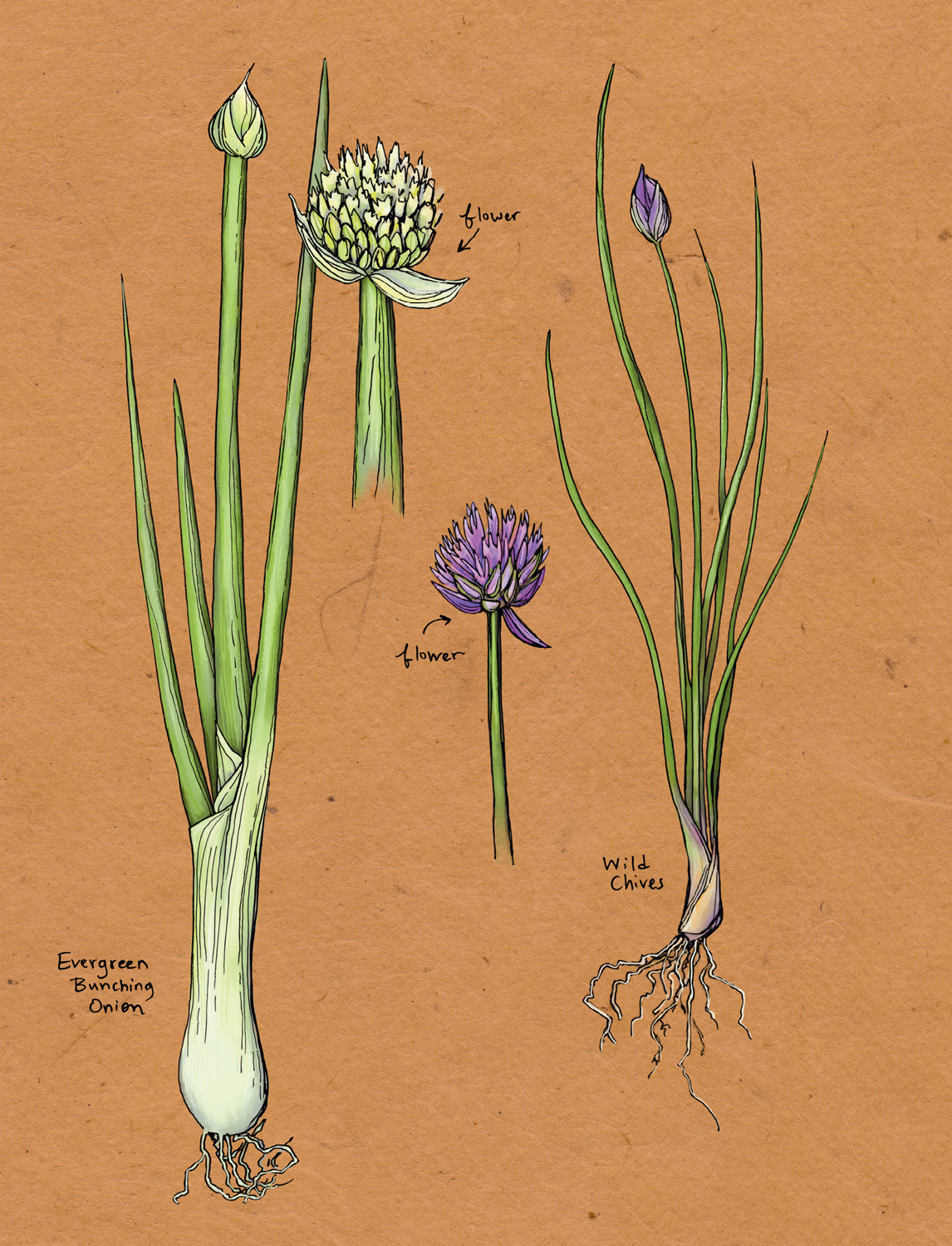
Correct identification is paramount when foraging for any wild edible, and wild onions are no exception. Misidentification can lead to consuming toxic look-alikes, a risk that must be mitigated through careful observation and knowledge. Alaskan wild onions typically possess characteristic features that, when studied, can aid in their recognition.
Key Identification Markers
- Leaf Shape: Most wild onions have long, slender, often hollow leaves, resembling chives or green onions. Some may have flat leaves, but they generally lack the broad, strap-like appearance of plants like wild garlic mustard, which is an invasive species and should not be confused with native alliums.
- Smell: The most definitive characteristic of any Allium is its unmistakable pungent aroma. Rubbing a crushed leaf between your fingers should immediately release the classic onion or garlic scent. This is the first and most crucial test. If there is no such odor, it is highly advisable to refrain from consumption.
- Bulb Structure: Wild onions form bulbs, which can vary in size from tiny to golf-ball-sized. The bulbs are typically covered in thin, papery tunics, similar to cultivated onions. The shape and arrangement of these bulbs, whether solitary or clustered, can also provide clues.
- Flower Head: In bloom, wild onions often produce a spherical or umbrella-shaped cluster of small, typically white or pinkish flowers. The presence of a single stem (scape) bearing this umbel is a common trait.
Common Alaskan Allium Species
While a comprehensive botanical survey is beyond the scope of this discussion, a few commonly cited wild alliums found in Alaska include:
- Allium schoenoprasum var. sibiricum (Siberian Chives): This variety of chives is known for its thin, cylindrical leaves and small, globular flower heads. It can be found in meadows and along riverbanks.
- Allium cernuum (Nodding Onion): Characterized by its nodding, bell-shaped flower clusters that droop downwards, this species is also found in similar habitats. Its bulbs are generally small.
- Alliumbinomii (Arctic Onion): A less commonly discussed but potentially present species in the northernmost regions, this onion is adapted to extremely cold environments.
It is important to note that invasive species like Alliaria petiolata (Garlic Mustard) can sometimes be mistaken for wild onions by the untrained eye. Garlic mustard has a different leaf shape and, crucially, lacks the distinct oniony smell when leaves are crushed. Always consult local field guides and, if possible, experienced foragers for positive identification.
Foraging for Wild Onions in Alaska: Opportunities and Considerations
The prospect of foraging for wild onions in Alaska offers a direct connection to the land and its traditional foodways. However, this endeavor requires a deep respect for the environment and a commitment to sustainable practices. The opportunities for discovery are present, but so are the responsibilities.
Where to Find Wild Onions
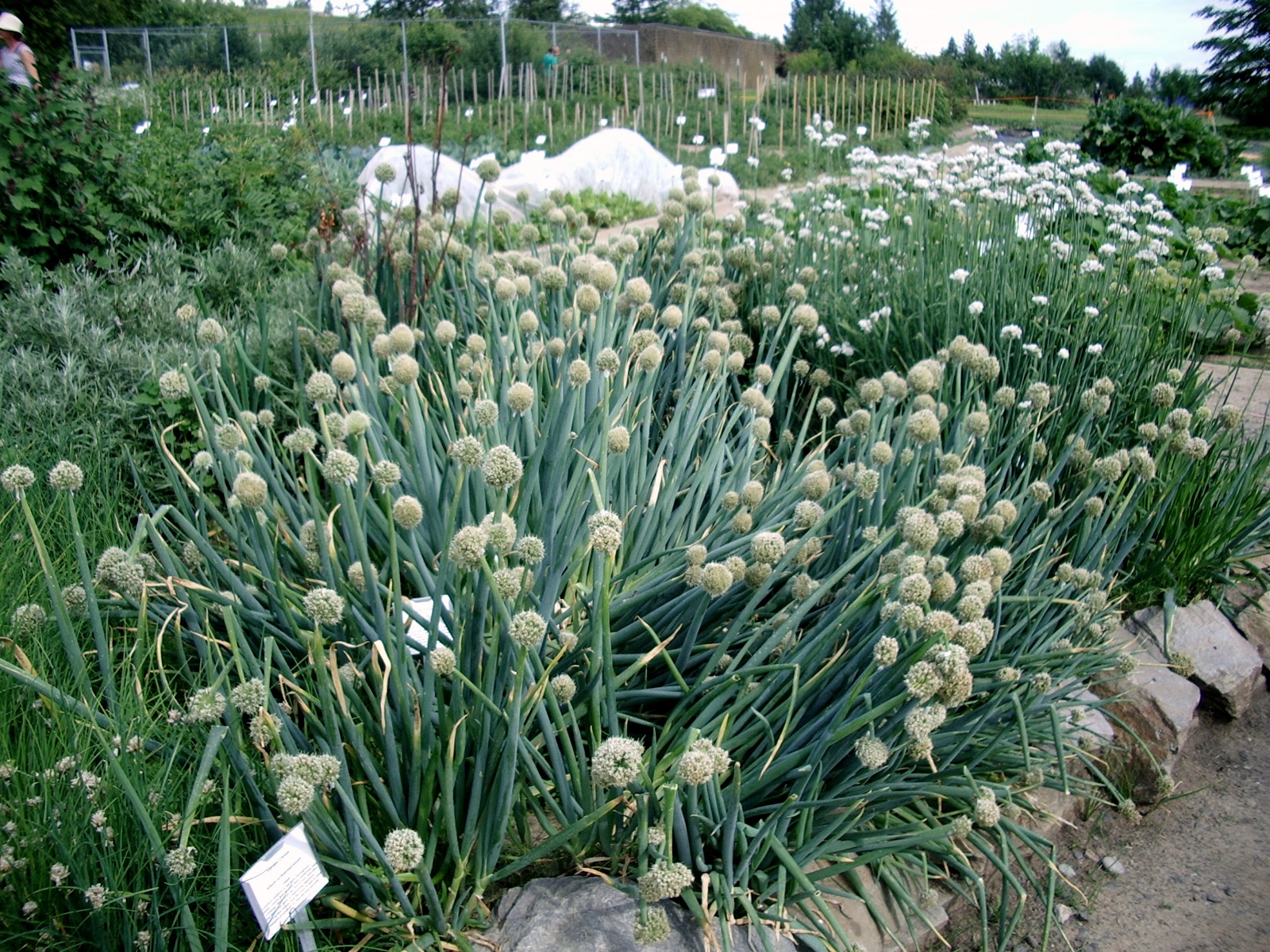
Wild onions tend to favor specific environments that support their growth. Understanding these preferred habitats is key to a successful and responsible foraging expedition.
- Moist Meadows and Open Areas: Many wild onion species thrive in areas with adequate moisture and sunlight. Open meadows, clearings in forests, and areas with disturbed soil, such as along trails or roadsides, can be productive locations.
- Riverbanks and Shorelines: The damp, nutrient-rich soil found along rivers, streams, and lake shores provides an ideal environment for wild onions. They often grow in patches near the water’s edge.
- Alpine and Subalpine Zones: In higher elevations, wild onions can be found in alpine meadows and along the edges of the subalpine zone, where they are adapted to cooler temperatures and shorter growing seasons.
- Tundra Regions: Certain hardy Allium species can even be found in the vast tundra landscapes, particularly in sheltered spots or near water sources.
When exploring these areas, it is always advisable to seek permission if the land is privately owned. Additionally, familiarizing oneself with the specific regulations regarding foraging on public lands is crucial. For instance, foraging in National Parks or State Parks may have different rules than in National Forests or Bureau of Land Management (BLM) lands.
Sustainable Harvesting Practices
Responsible foraging is not just about finding edibles; it’s about ensuring the long-term health of the plant populations and their ecosystems. When harvesting wild onions, adhere to these fundamental principles:
- Harvest Sparingly: Never take more than you need. Leave ample plants behind to allow for natural regeneration and seed dispersal. A good rule of thumb is to harvest no more than 10-20% of any given patch.
- Know Your Species: Be absolutely certain of your identification before harvesting. Never consume a plant you cannot positively identify.
- Avoid Contaminated Areas: Do not harvest from areas that may be polluted by pesticides, herbicides, or other contaminants, such as roadsides with heavy traffic or industrial sites.
- Consider Bulb vs. Leaf: In some cases, harvesting the leaves (like chives) can be a more sustainable approach than digging up the entire bulb, as the leaves will regrow. However, for culinary purposes, the bulb is often the desired part. If harvesting bulbs, ensure you are taking from a robust population and not depleting it.
- Leave No Trace: Pack out everything you pack in, and minimize your impact on the environment. Avoid trampling delicate vegetation.
Culinary Uses and Traditional Significance
The wild onions of Alaska, when correctly identified and sustainably harvested, offer a unique and flavorful addition to any culinary exploration. Their taste can vary, often described as more pungent and complex than their cultivated cousins, with subtle nuances that reflect their wild origins.
Flavor Profiles and Culinary Applications
The flavor of wild onions can range from mild and oniony to intensely garlicky, depending on the species and the growing conditions. The entire plant—bulbs, leaves, and even flowers—can be used in cooking, each offering a distinct culinary experience.
- Raw Consumption: Young, tender leaves can be finely chopped and added to salads, dips, or as a garnish for a fresh, pungent kick. Their intensity can add depth to simple dishes.
- Cooked Dishes: The bulbs can be sautéed, roasted, or caramelized, much like cultivated onions. Their flavor tends to be more robust and can stand up to longer cooking times. They can be incorporated into stews, soups, sauces, or even grilled alongside meats and vegetables.
- Flavoring Agents: Wild onions can be used to infuse oils or vinegars, adding a unique aromatic quality to homemade condiments. Their dried bulbs or leaves can also be used as a wild seasoning.
- Edible Flowers: The delicate flowers of some wild onion species are not only visually appealing but also edible, offering a mild oniony flavor and a touch of sweetness. They can be used as a garnish or added to salads.
Traditional Knowledge and Indigenous Uses
For Alaska’s indigenous peoples, wild edibles, including onions, have long been an integral part of their diet and cultural practices. Traditional knowledge passed down through generations provides invaluable insights into the sustainable harvesting and utilization of these resources. While specific ethnobotanical information on wild onions might be localized and deeply tied to particular tribes and regions, their inclusion in the traditional diet speaks to their nutritional value and availability. These wild alliums would have provided essential vitamins, minerals, and flavor to a diet that often relied on seasonal availability and the bounty of the land. Understanding and respecting these traditional uses is a crucial aspect of engaging with the natural heritage of Alaska. When venturing into foraging, it is always a wise practice to research the traditional uses of plants in the specific region one is visiting and to approach such activities with respect for the indigenous stewardship of the land.
Conclusion: A Wild Bounty Awaits Careful Exploration
The question of whether edible onions grow wild in Alaska is a resounding yes. The presence of various Allium species across the state offers a fascinating glimpse into the resilience and diversity of its flora. For the intrepid explorer, the observant naturalist, or the adventurous foodie, the wild onions of Alaska present an opportunity for discovery, a connection to the earth, and a taste of the untamed. However, this bounty comes with a profound responsibility. Careful identification, deep respect for the environment, and a commitment to sustainable harvesting practices are not merely suggestions but essential prerequisites for anyone wishing to partake in this wild culinary heritage. As you traverse the stunning landscapes of Alaska, keep an eye out for the subtle signs of these wild alliums, but always remember to tread lightly and forage wisely, ensuring that this natural resource continues to thrive for generations to come. The pursuit of knowledge about these wild edibles enriches not only our understanding of Alaskan biodiversity but also our appreciation for the intricate web of life that sustains this remarkable region.
LifeOutOfTheBox is a participant in the Amazon Services LLC Associates Program, an affiliate advertising program designed to provide a means for sites to earn advertising fees by advertising and linking to Amazon.com. Amazon, the Amazon logo, AmazonSupply, and the AmazonSupply logo are trademarks of Amazon.com, Inc. or its affiliates. As an Amazon Associate we earn affiliate commissions from qualifying purchases.