
Understanding the nuances of airline baggage fees is a crucial component of effective travel planning, particularly when flying with carriers like Alaska Airlines. The cost associated with checking luggage can significantly impact your overall trip budget, making it essential to be well-informed before you even step foot in the airport. This guide delves into the specifics of Alaska Airlines checked baggage fees, offering clarity and practical advice for travelers aiming to navigate these charges smoothly.
Alaska Airlines Checked Baggage Fees: A Comprehensive Overview
Alaska Airlines, like many major carriers, operates with a tiered system for checked baggage fees. These fees are generally determined by the number of bags you check, their weight, and their dimensions, as well as your fare class and frequent flyer status. It’s important to note that these fees can and do change, so always verify the most current information on the official Alaska Airlines website prior to your travel date.

First Checked Bag Fees
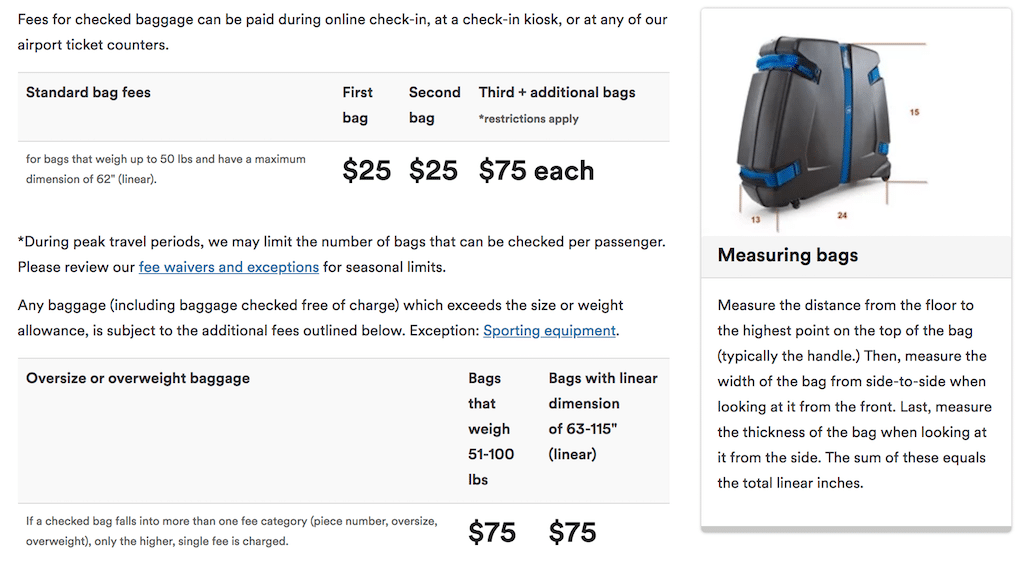
For most domestic U.S. itineraries on Alaska Airlines, the fee for the first checked bag typically falls within a standard range. As of recent updates, this fee is often set at $30 for each direction of travel. This applies to itineraries originating within the U.S. and traveling to destinations such as Mexico or Canada. However, this fee can differ for international routes outside of these immediate neighboring countries.
It’s vital to consider the fare type you have booked. For instance, travelers who have purchased the most basic economy fares, sometimes referred to as Saver Fares, may face higher baggage fees or may not be eligible for the same allowances as those with standard or premium fares. Always double-check the specific fare rules associated with your ticket.
Second Checked Bag Fees
If your travel needs extend beyond a single checked bag, the cost for a second piece of luggage will naturally be higher. On Alaska Airlines, the fee for a second checked bag is generally set at $40 per direction. This represents a modest increase from the first bag fee, a common practice across the airline industry.
Similar to the first bag, the second bag fee is applicable for each direction of your journey. If you have a round-trip ticket, you will be charged twice for your second checked bag – once for the outbound flight and once for the return flight. This can add up quickly, so careful packing is always advisable.
Third and Subsequent Checked Bag Fees
For travelers carrying a significant amount of luggage, Alaska Airlines also levies fees for any bags beyond the second. The cost for a third or any subsequent checked bag is typically higher, often around $100 per bag, per direction. This escalating fee structure is designed to discourage excessively large amounts of checked baggage and encourage travelers to reconsider what they truly need to bring.
This fee is also applied per direction. Therefore, checking three bags on a round-trip flight would incur charges for each of those three bags on both the outbound and return legs of your journey.
Weight and Size Restrictions
Beyond the number of bags, Alaska Airlines imposes strict limits on the weight and dimensions of checked baggage. For standard checked bags, the maximum weight allowance is typically 50 pounds (approximately 22.7 kilograms). The maximum linear dimensions (length + width + height) for a checked bag are usually 62 inches (approximately 157 centimeters).
If a bag exceeds the 50-pound weight limit, it will be subject to overweight baggage fees. These fees can be substantial, often starting at an additional $100 for bags between 51 and 70 pounds, and even higher for bags exceeding 70 pounds, up to a maximum allowable weight. Bags exceeding the 70-pound limit are generally not accepted as checked baggage and may need to be shipped separately.
Similarly, bags that exceed the 62-inch linear dimension limit will be classified as oversized baggage and will incur oversized baggage fees. These fees typically start at an additional $100. It is crucial to measure and weigh your bags accurately at home to avoid unexpected charges at the airport.
Ways to Avoid or Reduce Checked Bag Fees
While the standard fees are what most travelers encounter, Alaska Airlines offers several avenues for passengers to potentially avoid or significantly reduce their checked baggage costs. Understanding these strategies can lead to considerable savings on your travel expenditures.
Elite Status with the Mileage Plan Program
One of the most effective ways to waive checked baggage fees on Alaska Airlines is by achieving elite status within their frequent flyer program, Alaska’s Mileage Plan. As members ascend through the tiers, such as MVP, MVP Gold, and MVP Gold 75K, they gain increasing baggage benefits.
Typically, MVP members receive one free checked bag. MVP Gold members and above often enjoy two free checked bags. These benefits extend not only to the elite member but often to their companions traveling on the same reservation, a significant perk for families or groups. Maintaining elite status requires a certain number of qualifying flights or miles within a calendar year, so it’s a strategy best suited for frequent flyers.
In-Flight Credit Card Benefits
Another popular method for circumventing baggage fees is by holding a co-branded credit card from Alaska Airlines, such as the Alaska Airlines Visa Signature® card. Many of these cards offer a statement credit or a waiver for the first checked bag for the cardholder and often for companion travelers on the same itinerary.
The specific benefits can vary by card product, so it’s essential to review the terms and conditions of your particular card. Typically, you will need to use the card to purchase your Alaska Airlines tickets to qualify for these benefits.
Fare Class and Ticket Type
While not always a guaranteed method, the type of fare you purchase can sometimes influence baggage fees. As mentioned earlier, extremely basic economy fares might have stricter baggage policies. Conversely, premium cabin classes, such as First Class or even certain Economy Plus equivalents, may include a certain number of checked bags as part of the ticket price.
When booking, pay close attention to the fare rules and what is explicitly included. Sometimes, a slightly more expensive ticket might offer better value if it waives baggage fees that would otherwise be incurred.
Specific Travel Itineraries
Certain routes or types of travel may have different baggage allowances or fee structures. For example, itineraries involving interline agreements with partner airlines might follow the most restrictive common baggage policy. Passengers flying to or from international destinations, particularly outside of North America, should always verify specific baggage rules as they can vary significantly.
For instance, flights to certain parts of Europe or Asia might have different weight or piece limits compared to domestic flights. It’s always prudent to consult the Alaska Airlines website or customer service for the most accurate information pertaining to your specific itinerary.
Special Items and Sports Equipment
Traveling with special items, such as musical instruments, sports equipment like skis or golf clubs, or even pets, often involves a separate set of rules and potential fees that may differ from standard checked baggage.
Sports Equipment
Alaska Airlines generally permits checked sports equipment, provided it adheres to size and weight restrictions. For example, skis, snowboards, golf bags, and fishing equipment are usually accepted. However, they are often subject to the standard checked baggage fees, and if they exceed the 50-pound weight limit or 62-inch linear dimension limit, overweight or oversized fees will apply. There are specific dimensions and packaging requirements for some items, so checking these details beforehand is crucial. For instance, a ski bag or a golf club bag might have a maximum length that needs to be accommodated.
Musical Instruments
Musical instruments can be checked as baggage, but their handling requires special attention due to their delicate nature. Small instruments, like a guitar, might fit within the standard checked baggage dimensions and weight limits. However, larger or more valuable instruments may require special consideration, potentially necessitating the purchase of an extra seat for carry-on if they cannot be safely stowed as checked baggage. When checking instruments, Alaska Airlines advises that they be adequately protected in a hard-shell case. Fees for checking musical instruments typically align with standard checked baggage fees unless specific exceptions or guidelines apply.
Pets
Traveling with pets on Alaska Airlines involves strict regulations and fees. Pets are generally not permitted to travel as checked baggage in the cargo hold on Alaska Airlines flights, with very few exceptions for specific types of animals or routes. Instead, pets are typically allowed to travel as carry-on in the cabin, provided they meet size and carrier requirements, or as cargo through their dedicated pet shipping service, Alaska Air Cargo. The fees for this service are separate from standard baggage fees and can vary. It is imperative to book pet travel well in advance and comply with all health, documentation, and carrier requirements.
Tips for a Smooth Baggage Experience
To ensure your baggage experience with Alaska Airlines is as hassle-free as possible, consider these practical tips that can help you avoid unexpected charges and delays.
Weigh and Measure Your Bags at Home
This is arguably the most critical step. Before you leave for the airport, invest in a luggage scale and a tape measure. Weigh each checked bag and measure its dimensions to ensure they fall within Alaska Airlines’s stipulated limits. This proactive approach will prevent costly surprises at the check-in counter or gate. If a bag is overweight or oversized, you will have the opportunity to re-pack or make other arrangements before reaching the airport.
Pack Smart and Consolidate
Before you start packing, take stock of what you truly need. Can an item serve multiple purposes? Can you wear bulkier items on the plane to save space in your luggage? Consolidating items and packing efficiently can help you fit everything into fewer bags, thereby reducing the total number of checked items and associated fees. Consider using packing cubes to organize and compress your clothing.
Check the Latest Fee Schedule
Airline policies and fees are subject to change. The information provided here is based on typical structures, but it’s imperative to visit the official Alaska Airlines website for the most up-to-date baggage fee information for your specific travel dates and destinations. Look for the “Baggage Information” or “Fees” section.
Understand Your Fare Rules
When booking your flight, especially if you’ve opted for a discounted or basic economy fare, thoroughly read the fare rules. These documents will detail exactly what baggage allowances are included with your ticket. If baggage fees are not explicitly waived, assume they will apply.
Consider Carry-On Options
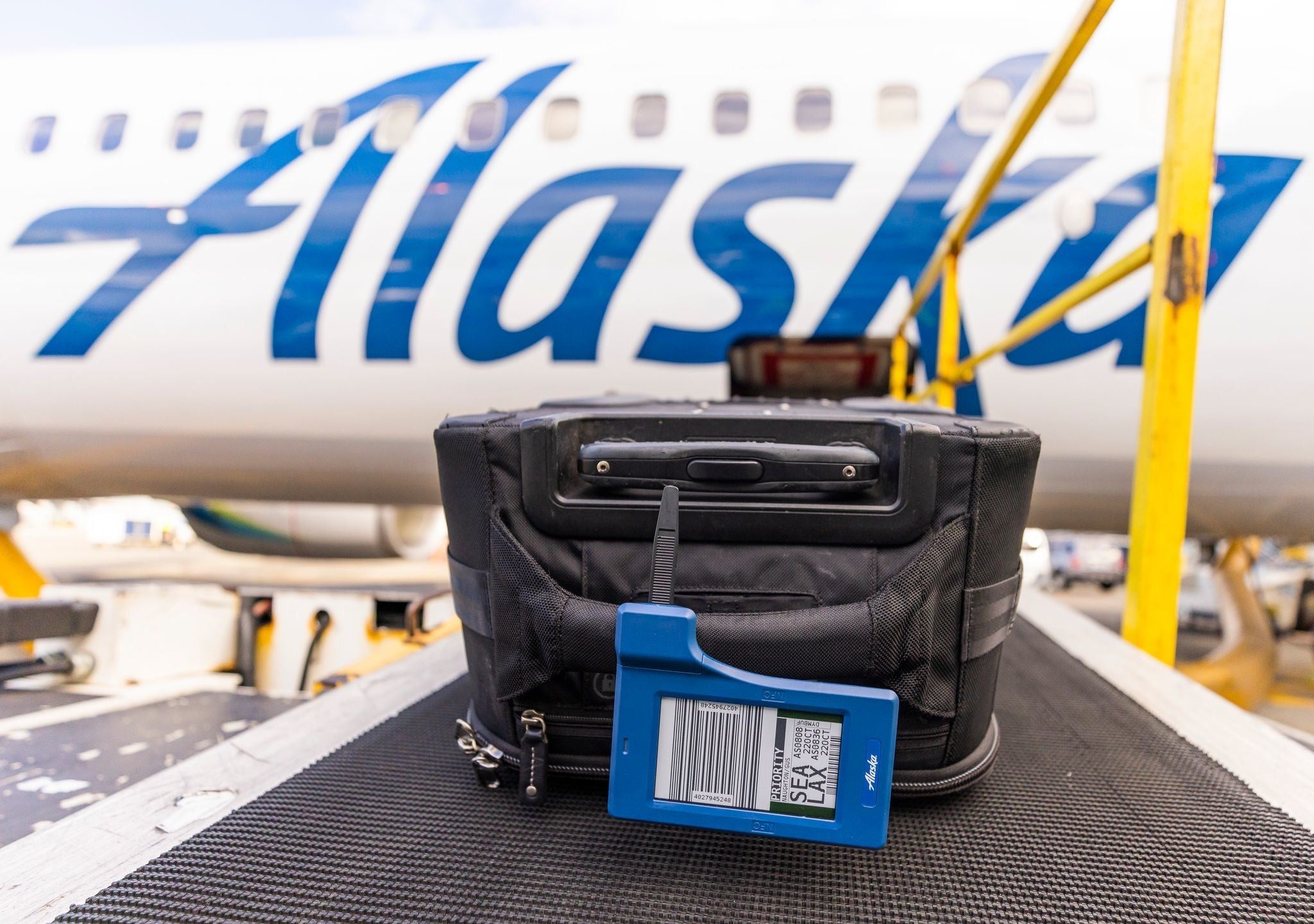
For shorter trips or if you are an adept packer, utilizing the carry-on baggage allowance can be a cost-effective strategy. Alaska Airlines allows one carry-on bag and one personal item per passenger. Ensure your carry-on meets the airline’s size and weight restrictions to avoid it being gate-checked.
By arming yourself with this knowledge and employing these strategies, you can navigate the world of Alaska Airlines checked baggage fees with confidence, ensuring your travel budget remains on track and your journey is as smooth as possible.
LifeOutOfTheBox is a participant in the Amazon Services LLC Associates Program, an affiliate advertising program designed to provide a means for sites to earn advertising fees by advertising and linking to Amazon.com. Amazon, the Amazon logo, AmazonSupply, and the AmazonSupply logo are trademarks of Amazon.com, Inc. or its affiliates. As an Amazon Associate we earn affiliate commissions from qualifying purchases.