
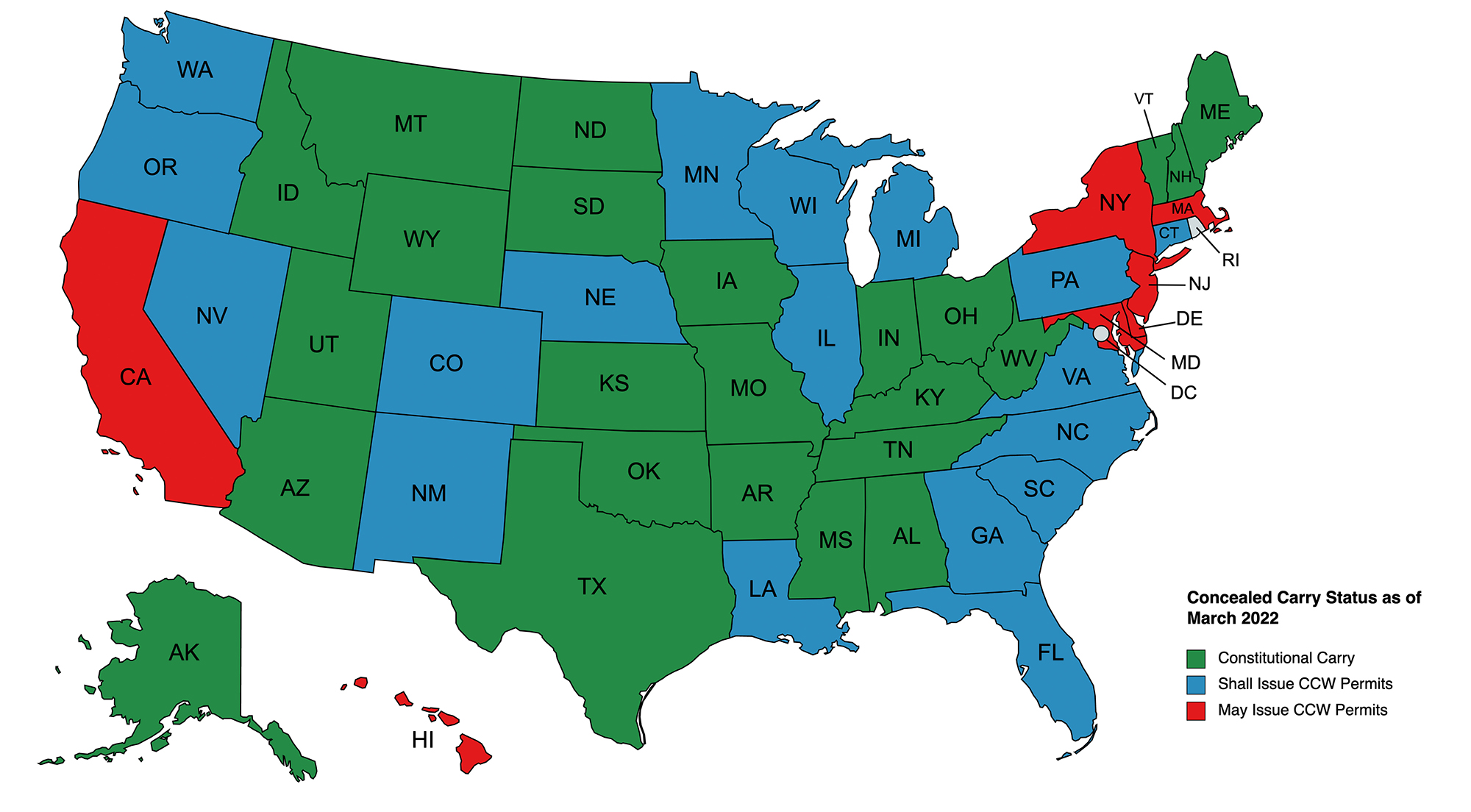
Understanding the nuances of firearm laws is crucial for anyone traveling to or residing in a new jurisdiction. The concept of “Constitutional Carry” is particularly relevant, as it refers to the legality of carrying a handgun in public without a permit. For many, this simplifies firearm ownership and aligns with interpretations of the Second Amendment. This article delves into the current status of Constitutional Carry in Alabama, examining its history, legal framework, and practical implications for residents and visitors.
The Evolution of Firearm Laws in Alabama
Alabama has a long and complex history with firearm legislation. For decades, carrying a handgun openly or concealed typically required a permit issued by the local sheriff. This permit system, while intended to regulate who could carry firearms, also created a bureaucratic hurdle for law-abiding citizens. The debate over gun rights versus public safety has been a persistent theme in the state’s legislative sessions.
Early Permit Systems
Prior to the widespread adoption of Constitutional Carry, Alabama operated under a permit-to-carry system. This meant that individuals wishing to carry a handgun, either openly or concealed, had to apply for and be granted a license. The requirements for these licenses varied slightly by county, but generally involved background checks, application fees, and sometimes firearm training. The issuance of these permits was often discretionary, leading to concerns about fairness and accessibility.
The Push for Shall-Issue and Constitutional Carry
Over the years, advocacy groups and a growing number of citizens pushed for a more permissive approach to firearm carry. This movement gained momentum, advocating for “shall-issue” laws, where permits must be issued if the applicant meets objective criteria, and ultimately for “Constitutional Carry,” which eliminates the need for a permit altogether. The argument for Constitutional Carry rests on the belief that the right to bear arms, as protected by the Second Amendment of the U.S. Constitution, inherently includes the right to carry a firearm for self-defense without government permission.
Key Legislative Milestones
Several key legislative actions have shaped Alabama’s current firearm landscape. Understanding these milestones is essential to grasping the state’s journey toward its present legal standing.
The Alabama Concealed Carry Act of 2013
A significant step occurred in 2013 with the passage of the Alabama Concealed Carry Act. This law moved Alabama from a “may-issue” system (where sheriffs had discretion) to a “shall-issue” system for concealed carry permits. This meant that eligible individuals who met specific criteria were guaranteed a permit upon application. While a major improvement for many, it still required a permit to carry concealed.
The Constitutional Carry Act of 2023
The most recent and pivotal change came with the passage of the Constitutional Carry Act of 2023, which took effect on January 1, 2023. This landmark legislation officially legalized Constitutional Carry in Alabama, allowing eligible individuals to carry a pistol, openly or concealed, without a permit. This act represents a significant shift in the state’s firearm policy, aligning it with numerous other states that have adopted similar measures.
What Constitutional Carry Means for Alabama Residents and Visitors
The implementation of Constitutional Carry in Alabama brings about several practical changes and considerations for those carrying firearms. It’s important to understand that while permits are no longer required for eligible individuals, certain restrictions and responsibilities still apply.
Eligibility Requirements
Constitutional Carry does not grant carte blanche to everyone to carry a firearm. Eligibility is still determined by state and federal law. Generally, individuals must meet the following criteria:
- Age: Must be 19 years of age or older to carry a pistol. For those aged 18-21, they may carry a pistol if they are a current member of the armed forces or have been honorably discharged from the armed forces.
- Criminal Record: Cannot be prohibited from possessing a firearm under state or federal law, which includes individuals with felony convictions, domestic violence misdemeanors, and those subject to certain restraining orders.
- Mental Health: Must not have a documented history of certain mental health adjudications that would disqualify them from possessing a firearm.
- Residency: While not strictly a residency requirement to carry, there are specific rules for non-residents. Generally, if a non-resident can legally carry in their home state and meets Alabama’s eligibility requirements, they are permitted to carry in Alabama.
Carrying Firearms: Open vs. Concealed
Under Constitutional Carry in Alabama, individuals who meet the eligibility requirements can carry a pistol in one of two ways:
- Open Carry: Carrying a handgun visibly in public.
- Concealed Carry: Carrying a handgun hidden from public view.
Both methods are now legal without a permit for eligible individuals. However, it is crucial to note that specific locations may still prohibit firearms, regardless of permit status.
Places Where Firearms Are Still Prohibited
Despite the legalization of Constitutional Carry, Alabama law designates certain places as “prohibited areas” where firearms are not allowed. These typically include:

- Courthouses: Federal, state, and local courthouses.
- Polling Places: During an election.
- Schools: K-12 schools and their grounds, with some exceptions for permit holders or those with specific authorization.
- Federal Buildings: Buildings owned or leased by the U.S. government.
- Law Enforcement Facilities: Police stations, sheriff’s offices.
- Correctional Facilities: Jails and prisons.
It is the responsibility of the firearm carrier to be aware of and comply with these restrictions. Posted signage indicating “No Firearms” is legally binding.
The Role of Optional Permits
While permits are no longer required for Constitutional Carry in Alabama, obtaining a concealed carry permit through the sheriff’s office is still an option and offers several advantages. These include reciprocity agreements with other states, which allow Alabama permit holders to carry concealed in states that recognize the permit, and may offer easier passage through security checkpoints in some federal facilities. The process for obtaining an optional permit remains largely the same as it was before Constitutional Carry.
Reciprocity and Travel Considerations
For those who travel frequently, understanding firearm reciprocity is paramount. Reciprocity refers to the mutual recognition of concealed carry permits between states. Even with Constitutional Carry in Alabama, travelers need to be aware of the laws in other states they plan to visit.
Understanding State-by-State Laws
Each state has its own unique set of laws regarding firearm carry. While Alabama now has Constitutional Carry, this does not mean all other states do. Travelers should always research the firearm laws of their destination states before traveling. This includes checking:
- Whether the destination state honors Alabama’s Constitutional Carry status for its residents.
- Whether they honor Alabama issued permits (if the traveler chooses to obtain one).
- Any specific restrictions or prohibitions within that state.
Traveling with Firearms
When traveling with firearms, safety and legal compliance are top priorities. This involves:
- Securing Firearms: Ensuring firearms are unloaded and stored in a locked case when transporting them.
- Awareness of Federal Laws: Familiarizing oneself with federal laws regarding interstate transportation of firearms, such as the Firearms Owners’ Protection Act (FOPA).
- Destination State Laws: Adhering strictly to the firearm laws of the state you are in. Ignorance of the law is not a valid defense.
Many states that have adopted Constitutional Carry also have provisions for non-residents who can legally carry in their home state. However, it is always best to verify this information with official sources in the destination state.
Frequently Asked Questions About Alabama Constitutional Carry
The transition to Constitutional Carry in Alabama has generated numerous questions. Here are some of the most common inquiries addressed to provide clarity.
Q1: Do I need a permit to carry a handgun in my car in Alabama?
No. With the passage of the Constitutional Carry Act of 2023, eligible individuals can carry a pistol openly or concealed in their vehicle without a permit. However, the firearm must be kept in a manner that is not readily accessible to any other person.
Q2: Can I carry a rifle or shotgun openly in Alabama?
Yes, the open carry of rifles and shotguns has historically been legal in Alabama and remains so. Constitutional Carry specifically addresses the carry of pistols.
Q3: What happens if I am a non-resident visiting Alabama and I can legally carry in my home state?
If you are a non-resident of Alabama and you are legally permitted to carry a handgun in your home state, you are generally permitted to carry a handgun in Alabama, provided you meet Alabama’s eligibility requirements and comply with all prohibited places. It is always advisable to confirm the specific reciprocity agreements or non-resident carry laws.
Q4: If I have a concealed carry permit from another state, do I still need a permit in Alabama?
No, if you are an eligible individual, you do not need a permit to carry a handgun in Alabama due to Constitutional Carry. Your permit from another state may still be useful for reciprocity purposes in other states, but it is not required for carrying within Alabama itself for eligible individuals.

Q5: Can I carry a firearm in a restaurant in Alabama?
Whether you can carry a firearm in a restaurant depends on the establishment’s policy and specific state laws. Generally, private businesses have the right to prohibit firearms on their premises. If a restaurant is located within a prohibited area (e.g., a school), firearms would be prohibited there as well. Always look for signage indicating a prohibition of firearms.
In conclusion, Alabama has indeed enacted Constitutional Carry, allowing eligible individuals to carry pistols openly or concealed without a permit. This significant legislative change underscores a commitment to firearm rights while still maintaining important restrictions on who can carry and where. Understanding these laws is essential for responsible firearm ownership and safe travel within the state.
LifeOutOfTheBox is a participant in the Amazon Services LLC Associates Program, an affiliate advertising program designed to provide a means for sites to earn advertising fees by advertising and linking to Amazon.com. Amazon, the Amazon logo, AmazonSupply, and the AmazonSupply logo are trademarks of Amazon.com, Inc. or its affiliates. As an Amazon Associate we earn affiliate commissions from qualifying purchases.