
Alaska, the vast and untamed frontier, beckons travelers with its dramatic landscapes, abundant wildlife, and unique cultural experiences. As you plan an adventure to the Last Frontier, understanding the nuances of its time zones is crucial for seamless travel, from booking flights and accommodations to scheduling excursions and staying connected with loved ones back home. While often perceived as a single entity, Alaska’s expansive geography dictates its temporal divisions, and knowing these distinctions can prevent confusion and ensure your journey unfolds without a hitch.
Navigating Alaska’s Time Zones
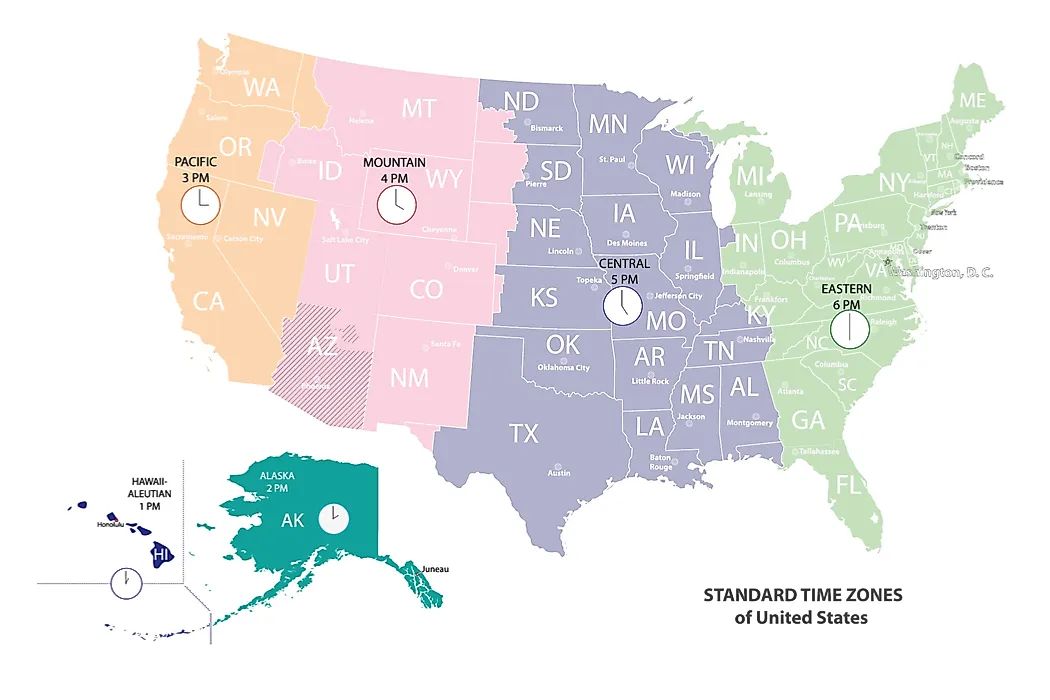
Alaska operates primarily on two distinct time zones, a fact that can surprise those accustomed to a single time zone for an entire state. This division is a direct consequence of its immense size, stretching over thousands of miles from its southeastern panhandle to its westernmost Aleutian Islands. The primary time zones observed are the Alaska Time Zone and the Hawaii-Aleutian Time Zone.

The Alaska Time Zone
The Alaska Time Zone (AKT) is the more prevalent time zone within the state, encompassing the majority of its landmass. This time zone is UTC−09:00, meaning it is nine hours behind Coordinated Universal Time (UTC). During daylight saving time, which the state observes, it shifts to UTC−08:00, aligning with Pacific Daylight Time. This practical alignment means that during the summer months, Alaska is on the same time as California and Oregon, making communication and coordination with many parts of the contiguous United States more straightforward.
Most of Alaska’s major population centers and popular tourist destinations fall within the Alaska Time Zone. This includes cities like:
- Anchorage, the state’s largest city and a primary gateway for international and domestic travelers.
- Fairbanks, the cultural heart of Interior Alaska, renowned for its aurora borealis viewing opportunities.
- Juneau, the capital city, located in the scenic Alaska Panhandle.
- Denali National Park and Preserve, a crown jewel of Alaska’s natural wonders.
When planning a trip to these areas, always set your watch to the Alaska Time Zone. This is the time you’ll see on airport departure boards, hotel reception desks, and tour operator schedules.
The Hawaii-Aleutian Time Zone
A significant portion of Alaska, particularly its westernmost reaches, observes the Hawaii-Aleutian Time Zone (HST). This zone is UTC−10:00, which is ten hours behind UTC. Notably, the Aleutian Islands west of 169°30′ West longitude observe this time zone, while the remainder of the Aleutian Islands and the state of Hawaii are also in this zone. Unlike the Alaska Time Zone, the Hawaii-Aleutian Time Zone does not observe daylight saving time. This means that while the rest of Alaska springs forward and falls back, this western segment remains on standard time year-round.
This temporal difference can be substantial and has practical implications for travelers venturing into these remote areas. For instance, if you are in a city like Adak or Attu Island, the time will be one hour behind that of Anchorage or Fairbanks, regardless of the season. This distinction is most critical for those engaging in specialized travel, such as deep-sea fishing expeditions in the Aleutians or visiting remote research stations.
Understanding the Shift
The primary source of potential confusion arises from Alaska’s observance of daylight saving time. For roughly half the year, the Alaska Time Zone is one hour ahead of the Hawaii-Aleutian Time Zone. However, for the other half, when daylight saving time is not in effect, the difference between the two zones is only one hour, as the Hawaii-Aleutian Time Zone remains consistently UTC−10:00.
To illustrate:
-
During Daylight Saving Time (roughly March to November):
- Alaska Time Zone = UTC−08:00
- Hawaii-Aleutian Time Zone = UTC−10:00
- Difference: 2 hours (Alaska is 2 hours ahead of Hawaii-Aleutian)
-
During Standard Time (roughly November to March):
- Alaska Time Zone = UTC−09:00
- Hawaii-Aleutian Time Zone = UTC−10:00
- Difference: 1 hour (Alaska is 1 hour ahead of Hawaii-Aleutian)
This temporal shift means that your understanding of the time difference needs to account for the season of your travel. It is always advisable to confirm the exact time at your specific destination within Alaska closer to your travel dates.

Practical Implications for Travelers
Understanding Alaska’s time zones is more than just an academic exercise; it has tangible impacts on your travel experience. From ensuring you don’t miss a flight to scheduling activities and coordinating with local guides, temporal awareness is key.
Booking Flights and Accommodations
When booking flights into Ted Stevens Anchorage International Airport or Juneau International Airport, you’ll be dealing with times set by the Alaska Time Zone. Similarly, if you are flying into a smaller airport in the western Aleutians, such as those serving Dutch Harbor or Unalaska, confirm the local time zone used by the airline for that specific route.
For accommodations, most hotels and lodges in major tourist hubs like Anchorage, Fairbanks, Juneau, and Ketchikan will operate on the Alaska Time Zone. However, if your itinerary takes you to the more remote Aleutian Islands, it’s prudent to verify the time zone with your accommodation provider. This ensures that check-in and check-out times, as well as any resort amenities or dining schedules, are correctly understood.
Scheduling Excursions and Activities
Alaska offers a wealth of activities, from glacier cruises in Glacier Bay National Park to dog sledding tours near Homer and bear viewing trips in Kodiak. These excursions are typically scheduled according to the local time of the tour operator’s base.
If you are participating in an activity based in Anchorage or Fairbanks, the schedule will be in the Alaska Time Zone. If your adventure takes you to the western Aleutians for a unique wildlife viewing experience, the timing will be based on the Hawaii-Aleutian Time Zone. A difference of even one or two hours can mean missing the prime window for wildlife sightings or the most scenic light for photography. Always confirm the exact departure and return times with your tour operator and be mindful of the time zone they are using.
Staying Connected
For those who need to stay in touch with family, friends, or business associates in other parts of the world, understanding the time difference is paramount. When calling someone in the contiguous United States, you’ll generally be dealing with a 3- or 4-hour difference, depending on whether they are on the East Coast, Central Time, or Pacific Time, and whether Alaska is observing daylight saving.
If you need to call someone in Hawaii or the western Aleutians, the time difference will be smaller but still significant. It’s courteous and practical to always check the time difference before making international or even inter-state calls to avoid disturbing someone during their sleeping hours or at an inconvenient time. Many travel apps and online tools can quickly calculate these differences for you, but a basic understanding of Alaska’s temporal divisions will serve you well.
Planning Your Alaskan Adventure with Time Zone Awareness
Alaska’s vastness is part of its allure, offering an unparalleled sense of scale and wildness. While its temporal divisions might seem like a minor detail, a little foresight can significantly enhance your travel experience.
The Importance of Local Time
When you arrive in Alaska, whether at Ted Stevens Anchorage International Airport or a smaller regional airstrip, take a moment to orient yourself to the local time. Many travelers find it helpful to immediately adjust their personal devices to the local time zone upon landing. This simple act helps prevent disorientation and ensures you are on track for your planned activities.
If your itinerary involves traveling between different time zones within Alaska – for instance, flying from Anchorage to an island in the western Aleutians – be exceptionally diligent about confirming flight times and schedules. A missed connection due to a misunderstanding of the time difference can lead to significant delays and disruptions.
Embracing the Alaskan Pace
Despite the need for temporal awareness, it’s also important to remember that Alaska often operates at a slightly different pace. The sheer scale of the landscape and the influence of nature mean that schedules can sometimes be subject to change due to weather conditions or unforeseen circumstances. Embracing this flexibility is part of the Alaskan experience.
When you’re gazing at the majestic peaks of the Chugach Mountains or cruising through the fjords of the Inside Passage, the exact minute on the clock may become less important than the awe-inspiring experience. However, having a clear understanding of the time difference ensures that your logistical planning is solid, allowing you to fully immerse yourself in the natural beauty and unique culture of this extraordinary state. By taking a few moments to understand Alaska’s time zones, you set yourself up for a smoother, more enjoyable, and memorable journey.
LifeOutOfTheBox is a participant in the Amazon Services LLC Associates Program, an affiliate advertising program designed to provide a means for sites to earn advertising fees by advertising and linking to Amazon.com. Amazon, the Amazon logo, AmazonSupply, and the AmazonSupply logo are trademarks of Amazon.com, Inc. or its affiliates. As an Amazon Associate we earn affiliate commissions from qualifying purchases.