
When contemplating the vast and wild expanse of Alaska, one might imagine sprawling, remote settlements dwarfed by the sheer immensity of the landscape. However, when considering population, the “biggest city” in Alaska is a concept that leads us to a vibrant hub of activity and culture. Unlike many other states where the largest urban centers are easily identifiable by their sheer scale, Alaska presents a unique demographic profile shaped by its geography, climate, and history.
Anchorage: The Urban Heart of the Last Frontier
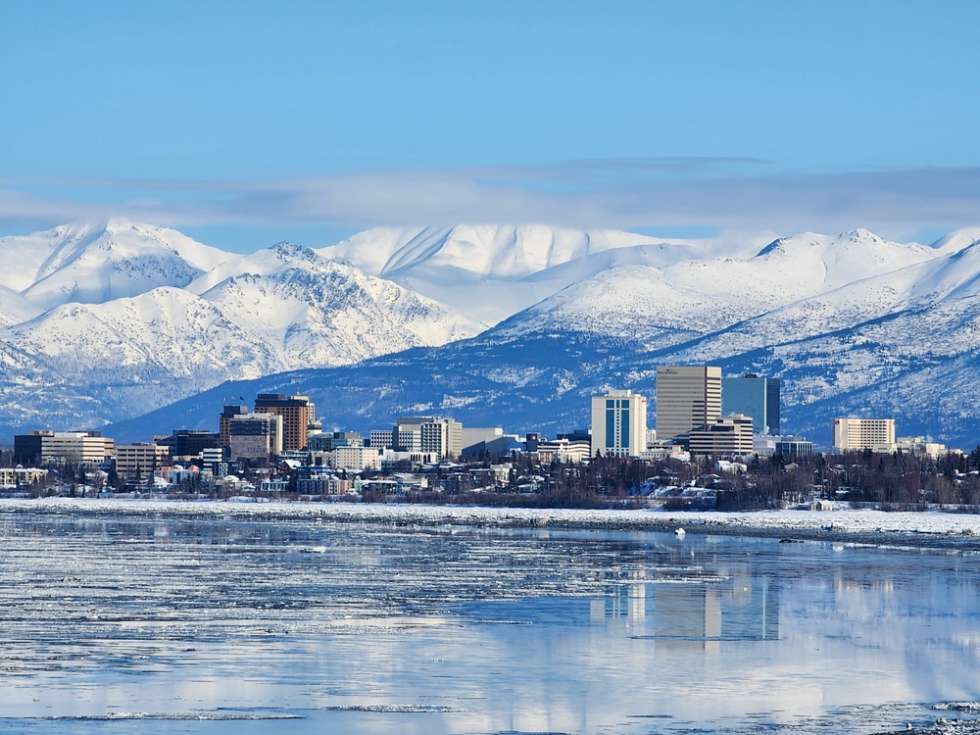
The undisputed largest city in Alaska by population is Anchorage. With a population that consistently hovers around 290,000 residents, Anchorage is home to roughly 40% of the state’s total population. This makes it a significant metropolitan area, not just within Alaska, but also when compared to other cities in the Pacific Northwest. Its strategic location, nestled between the Chugach Mountains and Knik Arm, has played a crucial role in its development as the state’s primary economic, transportation, and cultural center.

A Hub of Commerce and Connectivity
Anchorage’s status as the largest city is a testament to its role as the state’s primary gateway. Ted Stevens Anchorage International Airport is one of the busiest cargo airports in the world and a vital transit point for passengers traveling to, from, and within Alaska. This connectivity has fostered a diverse economy, with sectors ranging from aviation and transportation to oil and gas, tourism, and retail thriving within the city limits. For many visitors embarking on an Alaskan adventure, Anchorage is their first point of entry and a crucial base for planning further explorations.
Beyond the City Limits: Gateway to Adventure
While Anchorage itself boasts a surprising array of urban amenities, its true allure for many travelers lies in its proximity to the breathtaking natural wonders that define Alaska. From Anchorage, it’s a relatively short drive or flight to some of the state’s most iconic destinations.
Exploring the Surrounding Natural Beauty
- Denali National Park and Preserve: Approximately a three-hour drive north of Anchorage, Denali National Park and Preserve is home to North America’s tallest peak, Denali (formerly Mount McKinley). This vast wilderness area offers unparalleled opportunities for wildlife viewing, hiking, and experiencing the raw, untamed beauty of the Alaskan interior.
- Chugach State Park: Bordering Anchorage to the east, Chugach State Park is one of the largest state parks in the United States. It provides residents and visitors with immediate access to glaciers, alpine meadows, and abundant wildlife, making it a prime destination for day trips and backcountry adventures.
- Kenai Peninsula: A scenic drive south from Anchorage leads to the Kenai Peninsula, often referred to as “Alaska’s Playground.” This region is renowned for its dramatic fjords, active glaciers (such as those found in Kenai Fjords National Park), abundant marine life, and world-class fishing opportunities in towns like Homer and Seward.
The Unique Landscape of Alaskan Cities
Understanding why Anchorage is the largest city requires an appreciation for Alaska’s distinctive development. Unlike the contiguous United States, where urbanization often occurred gradually over centuries, Alaska experienced a more rapid and concentrated growth, driven by resource extraction, military presence, and strategic importance.
Historical Influences on Urbanization
The discovery of gold in the late 19th and early 20th centuries led to the establishment of boomtowns, many of which have since declined or remained relatively small. The establishment of major military bases during World War II and the Cold War significantly boosted the population of certain areas, with Anchorage being a prime beneficiary due to its central location and port facilities. The construction of the Alaska Pipeline in the 1970s further cemented Anchorage’s role as a logistical and economic hub, attracting a diverse workforce and supporting industries.

Population Distribution and Challenges
The vast majority of Alaska’s population is concentrated in a few key urban areas, with Anchorage leading the way. Other significant population centers include Fairbanks in the interior, and Juneau, the state capital, located in the panhandle. However, the sheer size of Alaska means that even these cities are relatively spread out, and vast tracts of land remain sparsely populated or completely uninhabited. This unique demographic pattern shapes the logistical challenges and opportunities for tourism and travel within the state.
Beyond Anchorage: Other Notable Alaskan Cities
While Anchorage holds the title of the biggest city, Alaska is home to other cities that offer unique experiences and serve as vital gateways to different regions of the state.
Fairbanks: Gateway to the Arctic
Located in the heart of Alaska, Fairbanks is the second-largest city and is often referred to as the “Golden Heart City.” It’s a key destination for those seeking to experience the magic of the Aurora Borealis, particularly during the winter months. Fairbanks also serves as a launching point for adventures further north, including trips to the Arctic Circle and the remote town of Barrow (now known as Utqiagvik). The city’s proximity to the University of Alaska Fairbanks also contributes to a vibrant cultural scene.
Juneau: The Capital City
Juneau, the state capital, is unique in that it is not accessible by road, requiring visitors to arrive by air or sea. Nestled in the Tongass National Forest, the largest national forest in the United States, Juneau is renowned for its stunning natural beauty, including the majestic Mendenhall Glacier. It’s a popular cruise ship destination, offering visitors opportunities for whale watching, glacier viewing, and exploring the charming downtown area.
Planning Your Alaskan Adventure
When planning a trip to Alaska, understanding the size and distribution of its cities is crucial for crafting an efficient and rewarding itinerary. Anchorage serves as the most logical starting point for many, offering a wide range of accommodations, dining, and transportation options. From there, the possibilities for exploration are virtually endless, whether your interests lie in wildlife safaris, glacier cruises, hiking in pristine wilderness, or immersing yourself in the local culture.
Accommodation and Logistics
Anchorage offers a diverse array of lodging, from large hotel chains like the Captain Cook Hotel to boutique inns and vacation rentals. The city’s infrastructure supports various travel styles, making it accessible for both independent explorers and those opting for guided tours. For those venturing to other parts of the state, smaller towns and villages offer more intimate lodging experiences, often emphasizing a connection with the local environment and community.
Experiencing Alaskan Culture and Cuisine
While Anchorage is the largest city, it is far from the only place to experience Alaska’s unique culture. Even in Anchorage, you can find opportunities to learn about the rich heritage of the indigenous peoples of Alaska, sample fresh Alaskan seafood, and witness the resilience and spirit of those who call this incredible state home. Exploring the smaller communities further enriches this experience, offering a more intimate glimpse into the diverse tapestry of Alaskan life.
In conclusion, while the concept of “biggest city” in Alaska might evoke different images than in the lower 48, Anchorage stands as a testament to the state’s growth and development. It is more than just a city; it is the vibrant heart of Alaska, a critical nexus for travel, and an essential gateway to the unparalleled adventures that await in the Last Frontier.
LifeOutOfTheBox is a participant in the Amazon Services LLC Associates Program, an affiliate advertising program designed to provide a means for sites to earn advertising fees by advertising and linking to Amazon.com. Amazon, the Amazon logo, AmazonSupply, and the AmazonSupply logo are trademarks of Amazon.com, Inc. or its affiliates. As an Amazon Associate we earn affiliate commissions from qualifying purchases.