
The allure of the Aurora Borealis, or Northern Lights, is a powerful draw for travelers seeking a truly unique and unforgettable experience. Alaska, with its vast wilderness and high latitude, stands as one of the premier destinations in the world to witness this celestial spectacle. Understanding the optimal times to visit is crucial for maximizing your chances of seeing the vibrant ribbons of light dance across the night sky. While the aurora can technically be seen year-round, the conditions for optimal viewing are specific, primarily revolving around darkness and clear skies.
Understanding the Aurora Borealis in Alaska
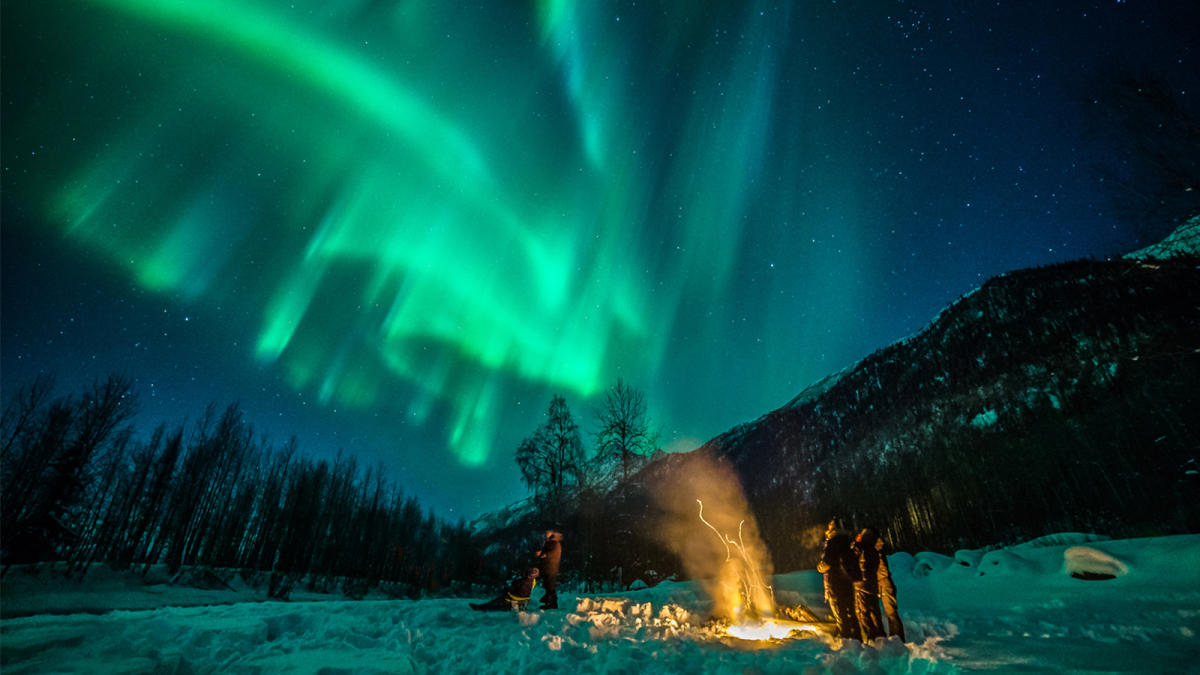
The Northern Lights are a natural phenomenon caused by charged particles from the sun (the solar wind) colliding with gases in the Earth’s upper atmosphere. These collisions excite the gas molecules, causing them to emit light in a variety of colors. In Alaska, the geomagnetic activity often aligns with the Earth’s magnetic field, directing these charged particles towards the polar regions, making it a prime viewing location. The intensity and frequency of the aurora are influenced by solar activity, particularly the sunspot cycle, which has an approximately 11-year period of increasing and decreasing activity. Periods of high solar activity, like solar maximums, tend to produce more frequent and spectacular displays.
The Importance of Darkness
The single most critical factor for observing the Aurora Borealis is darkness. During Alaska’s long summer months, from late May through July, the state experiences the phenomenon of the midnight sun. Daylight hours extend for nearly 24 hours in many northern regions, making it impossible to see the aurora even if it is actively occurring. Therefore, the aurora viewing season effectively begins when the nights start to lengthen and darkness returns.
Solar Activity and Aurora Intensity
While darkness is a prerequisite, the intensity of the aurora is directly linked to solar activity. Geomagnetic storms, often triggered by coronal mass ejections (CMEs) or solar flares from the sun, can significantly enhance the likelihood and brilliance of the Northern Lights. The National Oceanic and Atmospheric Administration (NOAA) Space Weather Prediction Center provides forecasts for geomagnetic activity, which can be a valuable tool for aurora hunters planning their trips. Observing aurora forecasts alongside weather forecasts can help in timing your visit for the best possible viewing opportunities.
The Prime Aurora Viewing Season in Alaska
The optimal period for experiencing the Northern Lights in Alaska spans from late August to April. This window is dictated by the presence of sufficient darkness and the potential for clear skies. Within this broad season, there are nuances that can further refine your planning.
Early Season: Late August to September
As the summer light begins to recede, late August and September offer the first real opportunity to witness the aurora. The nights are becoming noticeably longer, and while the temperatures are still relatively mild compared to mid-winter, the darkness is sufficient for viewing. This period can be particularly appealing for those who wish to combine aurora hunting with late-season outdoor activities like hiking or fishing. The autumn colors in Alaska during this time also add to the scenic beauty of the landscape.
The Darkest Months: October to March
The period from October through March represents the heart of the aurora season. During these months, Alaska experiences its longest and darkest nights. This extended period of darkness significantly increases your chances of catching a display.
October and November: Transition to Winter
These months mark a distinct transition into winter. Daylight hours are significantly reduced, and the landscapes begin to transform with the first snowfalls. While it can be colder, the darker skies are excellent for aurora viewing. Many lodges and tour operators begin their winter operations during this time, offering dedicated aurora-focused experiences.
December, January, and February: Deep Winter and Peak Darkness
These are the months with the shortest days and longest nights in Alaska, offering the most consistent darkness. This is often considered the peak of the aurora season. While temperatures can be extremely cold, making warm clothing essential, the prolonged darkness provides the longest possible viewing windows. The crisp, cold air often leads to clearer skies, further enhancing the viewing experience. Popular locations like Fairbanks are particularly well-situated to capitalize on these conditions, being located directly under the auroral oval.
March: A Lingering Opportunity
March still offers excellent opportunities for aurora viewing as the nights remain dark enough, though they gradually begin to lengthen. The snowpack is generally still substantial, creating a beautiful winter wonderland. The increasing daylight hours in March can also mean more daylight for exploring Alaska’s winter activities before the evening aurora hunt.
Late Season: April
While the aurora can still be seen in April, it becomes increasingly challenging as daylight hours rapidly increase. By the end of April, the midnight sun phenomenon begins to return to many parts of Alaska, rendering aurora viewing impossible. Therefore, early to mid-April is the absolute latest one can realistically hope to see the Northern Lights.
Factors Influencing Aurora Visibility
Beyond the season, several other factors play a significant role in whether you’ll see the aurora on any given night. Understanding these can help manage expectations and improve your chances.
Weather Conditions: The Crucial Element

Even with strong auroral activity, clouds are the ultimate enemy of the aurora viewer. Clear skies are paramount. Alaska’s weather can be unpredictable, and mountainous regions or coastal areas can experience more cloud cover than interior locations. Checking detailed local weather forecasts, especially for cloud cover and visibility, is as important as checking aurora forecasts. Being flexible with your plans and having a few nights dedicated to aurora viewing can increase your odds, allowing you to capitalize on clearer periods.
Moon Phase: A Subtle Influence
The moon can have a subtle but noticeable impact on aurora viewing. During a full moon, its bright light can wash out fainter aurora displays, making them harder to discern. For the best viewing experience, especially for capturing photography, a new moon or a crescent moon phase is ideal, as it minimizes ambient light pollution from the moon.
Light Pollution: Seeking True Darkness
The intensity of the aurora can be diminished by artificial light sources. Therefore, getting away from city lights and into remote, dark areas is essential for the most dramatic views. Many lodges and tour operators in Alaska are specifically located in areas with minimal light pollution to offer optimal viewing conditions. Destinations like Denali National Park and Preserve or the area around Talkeetna offer great opportunities to escape light pollution.
Best Locations in Alaska for Aurora Viewing
Alaska offers a variety of locations, each providing a unique backdrop for the Northern Lights. Choosing the right spot can enhance your overall experience.
Fairbanks: The Aurora Capital
Fairbanks is often dubbed the “Aurora Capital of Alaska” for good reason. Its location directly under the auroral oval, combined with a relatively dry climate and inland position that experiences less cloud cover than coastal areas, makes it a premier destination. The city is also home to numerous aurora viewing lodges and tour operators, providing convenient access to dark skies.
Anchorage and Surrounding Areas
While Anchorage itself has light pollution, venturing just a short distance outside the city can offer good viewing opportunities. Areas like those near Port Alsworth on Lake Clark or heading north towards Palmer or Wasilla can provide darker skies. The advantage here is the accessibility from Alaska’s largest city, offering a blend of urban amenities and natural beauty.
Interior Alaska: Remote Wilderness
For those seeking true wilderness and unparalleled darkness, the interior of Alaska offers incredible opportunities. Areas like Tok or the vast expanses around Coldfoot (accessible via the Dalton Highway) provide exceptionally dark skies. These locations often require more adventurous travel planning, including potential for extreme cold and remoteness, but reward visitors with an immersive and breathtaking aurora experience.
Coastal Regions: A Different Perspective
While interior Alaska is generally favored for its drier climate and less cloud cover, coastal areas like Juneau can also offer aurora viewing opportunities, particularly during periods of strong auroral activity. However, cloud cover is a more significant factor here. When the skies do clear, the dramatic coastal scenery can provide a unique backdrop.
Maximizing Your Aurora Experience
A successful aurora viewing trip involves more than just showing up during the right season. Proactive planning and embracing the Alaskan environment will significantly enhance your chances and overall enjoyment.
Booking Accommodation and Tours
When planning your trip, consider booking accommodation and any desired tours well in advance, especially if you are traveling during peak season (November to February). Many lodges offer aurora wake-up calls, guiding services, and warm viewing facilities. Popular options include Aurora Borealis Lodge near Fairbanks or unique stays in more remote locations.
Packing for the Cold
Alaska’s winter weather is no joke. Proper layering is key to staying warm and comfortable while aurora viewing. Essential items include thermal base layers, insulated mid-layers (fleece or down), and a waterproof and windproof outer shell. Don’t forget warm socks, insulated boots, gloves or mittens, a warm hat that covers your ears, and a scarf or neck gaiter. Hand and foot warmers can also be a lifesaver.
Photography Tips
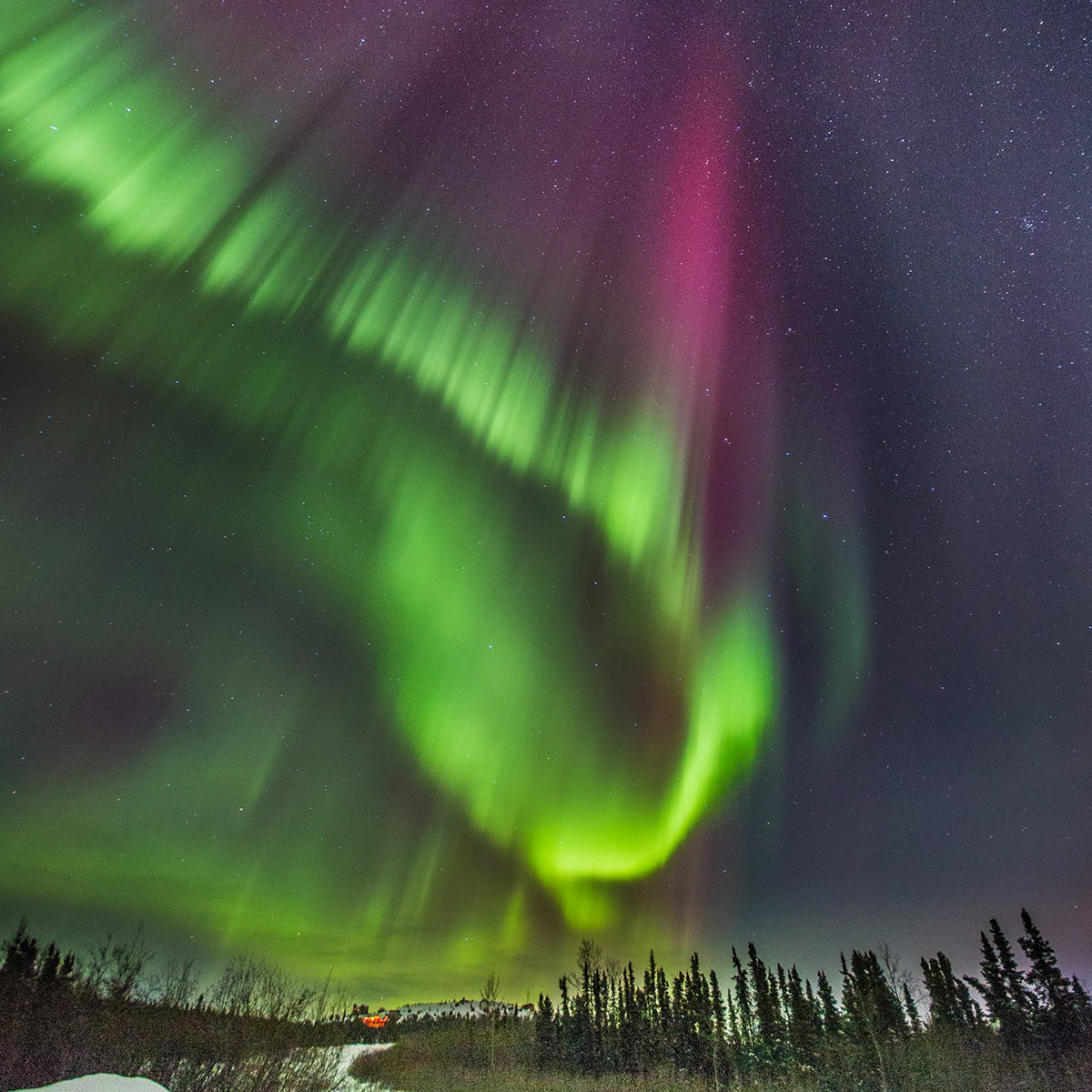
Capturing the aurora can be a rewarding challenge. A tripod is essential for steady shots in low light. A camera with manual settings that allow for control over ISO, aperture, and shutter speed is highly recommended. Wide-angle lenses are ideal for capturing expansive night sky views. Experiment with settings like ISO 800-3200, an aperture of f/2.8 or wider, and shutter speeds of 5-20 seconds, adjusting based on aurora brightness and desired motion blur.
Patience and Flexibility
The aurora is a natural phenomenon, and sightings are never guaranteed. It requires patience and a bit of luck. Be prepared for cold nights spent waiting, and embrace the possibility of clear skies and faint displays, as well as spectacular, vibrant shows. Flexibility in your itinerary, allowing for changes based on weather and aurora forecasts, will greatly improve your chances of a memorable experience. Viewing the aurora is an adventure in itself, offering a profound connection with the natural world and the cosmos.
LifeOutOfTheBox is a participant in the Amazon Services LLC Associates Program, an affiliate advertising program designed to provide a means for sites to earn advertising fees by advertising and linking to Amazon.com. Amazon, the Amazon logo, AmazonSupply, and the AmazonSupply logo are trademarks of Amazon.com, Inc. or its affiliates. As an Amazon Associate we earn affiliate commissions from qualifying purchases.