
Navigating the Golden State: Essential Licenses for Newcomers
Establishing roots or even a temporary extended stay in California often involves more than just finding a place to live; it requires navigating a labyrinth of licensing and regulatory requirements. From driving its iconic highways to practicing a profession or launching a business, securing the correct licenses is paramount for anyone looking to truly experience and engage with the Golden State. This comprehensive guide is designed to demystify the process, offering insights into the most common types of licenses you might need, ensuring a smoother transition and a legally compliant stay. Whether you’re a long-term traveler, a new resident, or an aspiring entrepreneur, understanding these steps is your first move toward unlocking the full potential of life in California.
The California Driver’s License: Your Key to Mobility
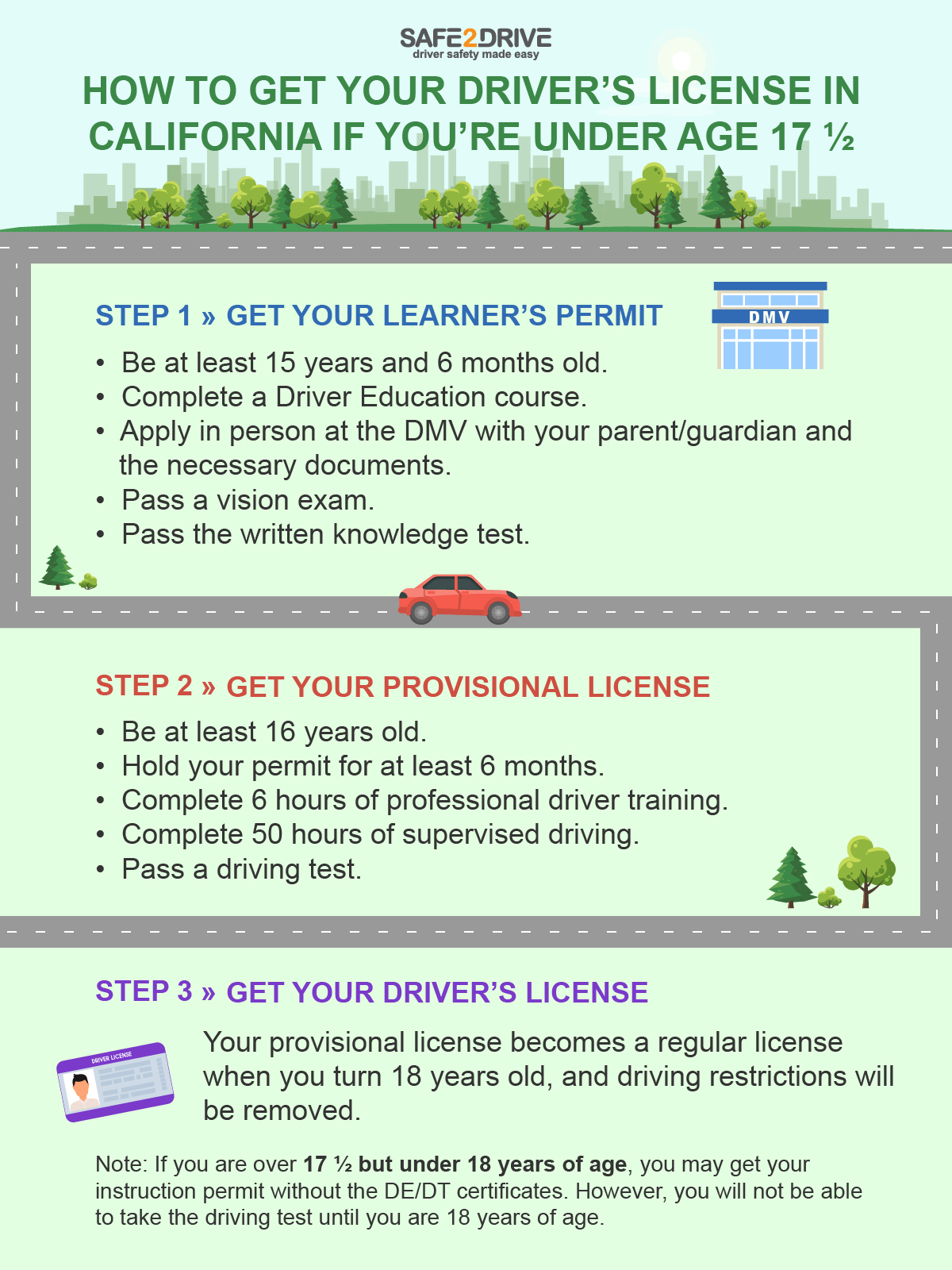
For many, the most immediate and critical license to obtain in California is a driver’s license. Given the state’s vast expanse and reliance on personal transportation, having a valid California driver’s license is essential for independence and mobility. The process, managed by the Department of Motor Vehicles (DMV), is meticulous but straightforward once understood.
Eligibility and Requirements
To apply for a standard Class C non-commercial driver’s license, you generally need to be a California resident and be at least 18 years old. Minors have specific requirements, including completing driver education and training. For all applicants, proof of identity, residency, and a Social Security number (SSN) or a sworn statement of ineligibility is required. Acceptable identity documents include a U.S. birth certificate, passport, or permanent resident card. Proof of residency typically involves two documents such as a utility bill, rental agreement, or bank statement displaying your California address. If you do not have an SSN, you may still be eligible to apply for a driver’s license under AB 60, which allows undocumented immigrants to apply, provided they meet all other requirements.
The Application Process: DMV Appointments to Behind-the-Wheel
The application process begins online by filling out the Driver’s License and ID Card Application. While an appointment is not strictly necessary, it is highly recommended, especially for visits to bustling DMV offices in major cities like Los Angeles, San Francisco, or San Diego, to minimize wait times.
- Visit a DMV Office: Bring all required documents to your scheduled appointment.
- Application Fee: Pay the non-refundable application fee.
- Thumbprint and Photo: Provide a thumbprint and have your photo taken.
- Vision Test: Pass a vision test.
- Knowledge Test: Pass a written knowledge test covering traffic laws and signs. Study the California Driver Handbook thoroughly. This test can be taken in multiple languages.
- Behind-the-Wheel Test: Once you pass the knowledge test, you’ll receive a provisional permit. You must hold this permit for a certain period (if under 18) and practice driving with a licensed adult. Schedule a separate appointment for the behind-the-wheel driving test. This test assesses your ability to safely operate a vehicle and obey traffic laws.
Upon successful completion of all tests, you will receive a temporary license, with your permanent driver’s license mailed to you within a few weeks.
Special Considerations for International Drivers
Visitors from other countries may use their foreign driver’s license for up to one year. However, if you become a California resident (e.g., through employment, establishing residency), you are generally expected to obtain a California driver’s license promptly. An International Driving Permit (IDP) is recommended but not required for foreign drivers; it serves as a translation of your foreign license. It is crucial to remember that the IDP alone is not valid without your original foreign license. For those on non-immigrant visas, specific rules apply, often requiring proof of legal presence in the United States from the U.S. Citizenship and Immigration Services.
Professional Licensing: Building Your Career in California
For professionals relocating to California or those aspiring to work within the state, securing the appropriate professional license is a critical step. California has rigorous standards for many regulated professions, ensuring public safety and professional competence. The regulatory landscape is complex, with numerous boards and agencies overseeing different fields.
Understanding State Board Requirements
Most professions in California are regulated by specific state boards or bureaus under the umbrella of the Department of Consumer Affairs (DCA). Each board sets its own unique requirements for education, experience, examination, and continuing education. For example, a doctor will apply to the Medical Board of California, an architect to the California Architects Board, and a real estate agent to the California Department of Real Estate.
The first step is always to identify the specific state board or agency that regulates your profession. Their official website will provide detailed information on eligibility criteria, application forms, examination schedules, and any necessary prerequisites. This often involves submitting academic transcripts, verification of past employment, and passing one or more examinations.
Common Licensed Professions
A wide array of professions requires state licensure in California. Some of the most common include:
- Healthcare: Doctors, nurses, dentists, therapists, pharmacists, and medical technicians all require specific licenses. The requirements are extensive, often involving national exams and state-specific jurisprudence exams.
- Legal: Attorneys must pass the California Bar Examination and meet moral character requirements.
- Education: Teachers, administrators, and other school personnel are licensed by the California Commission on Teacher Credentialing.
- Finance & Real Estate: Real estate agents, brokers, appraisers, and insurance agents need licenses from their respective state departments.
- Construction & Trades: Contractors, electricians, plumbers, and barbers/cosmetologists are also licensed to ensure safety and quality standards.
The application process can be lengthy, often taking several months, so it’s advisable to start well in advance of your intended practice date. Many boards also require fingerprinting for a background check through the Department of Justice and the Federal Bureau of Investigation.
Reciprocity and Endorsement for Out-of-State Professionals
For professionals already licensed in another state, California offers pathways for reciprocity or endorsement in some professions, though it is not universal. This means that while your out-of-state license may be recognized, you will still need to apply for a California license and typically meet certain additional requirements. These often include:
- Substantial Equivalence: Demonstrating that your out-of-state education and experience are substantially equivalent to California’s standards.
- Jurisprudence Exam: Passing a specific exam on California laws and regulations relevant to your profession.
- Background Check: Completing a new background check.
- Continuing Education: Meeting any California-specific continuing education requirements.
It is crucial to contact the specific California licensing board for your profession to understand their exact reciprocity policies, as they vary significantly. Some boards may require you to take the full California examination, while others may waive certain components.
Entrepreneurial Ventures: Obtaining a Business License
For those looking to launch a business in California, whether a small startup in Sacramento, a boutique in Napa Valley, or a tech enterprise in Silicon Valley, obtaining the necessary business licenses and permits is a fundamental legal requirement. This process ensures your business operates compliantly at both local and state levels.
Local vs. State-Level Licensing
Business licensing in California operates on multiple tiers:
- Local (City/County) Licenses: Almost every business operating in California will need a local business license or tax certificate from the city or county where it is physically located. This is typically obtained from the city clerk’s office or county business license division. The fees and requirements vary widely depending on the municipality and the type of business. For example, a restaurant in San Francisco will have different local permits than a consulting firm in Irvine. These local licenses are essential for your business to be recognized and to pay local taxes.
- State-Level Permits and Registrations: Beyond local requirements, many businesses need specific state permits or registrations. This depends heavily on the industry. For instance, if you sell tangible goods, you will need a seller’s permit from the California Department of Tax and Fee Administration (CDTFA) to collect and remit sales tax. If you operate a food service establishment, you’ll need health permits from the county health department. Businesses with employees will need to register with the Employment Development Department (EDD) for payroll tax purposes. If your business structure is a corporation or LLC, you will also need to register with the California Secretary of State.
Common Business Licenses and Registrations
Here’s a breakdown of common licenses and registrations a new business in California might encounter:
- Business License/Tax Certificate: The foundational permit required by your city or county to operate legally within their jurisdiction.
- Fictitious Business Name (FBN) Statement: If your business operates under a name different from your personal legal name (for sole proprietorships/partnerships) or the registered corporate/LLC name, you must file an FBN statement with the county clerk and publish it in a local newspaper.
- Seller’s Permit: Required by the CDTFA if you sell or lease tangible personal property in California. This allows you to collect sales tax.
- Employer Identification Number (EIN): Also known as a Federal Tax Identification Number, this is issued by the Internal Revenue Service (IRS) and is required for most businesses, especially those with employees or those structured as corporations or LLCs.
- Environmental Permits: Businesses involved in manufacturing, food processing, or certain types of waste management may need permits from the California Environmental Protection Agency (CalEPA) or local air/water quality boards.
- Professional/Occupational Licenses: As mentioned above, some businesses themselves, or their owners/operators, require specific professional licenses (e.g., a contractor’s license for a construction business, a real estate broker’s license for a real estate firm).
Resources for Small Businesses in California
Navigating business licensing can be complex, but numerous resources are available:
- CalGold: The Governor’s Office of Business and Economic Development (GO-Biz) offers the CalGold website, a valuable tool that helps businesses identify the specific state, regional, and local permits and licenses needed based on location and business type.
- Small Business Development Centers (SBDCs): California SBDCs provide free, confidential business advising and training to help entrepreneurs launch, manage, and grow their businesses, including guidance on licensing.
- Chambers of Commerce: Local Chambers of Commerce can offer insights into local requirements and connect you with relevant city or county departments.
- Legal Counsel: For complex business structures or highly regulated industries, consulting with a business attorney is highly advisable to ensure full compliance and avoid potential legal pitfalls.
By diligently addressing these licensing requirements, individuals and entrepreneurs can confidently establish their presence in California, whether for personal mobility, career advancement, or successful business operations, truly embracing the diverse opportunities the state offers.
LifeOutOfTheBox is a participant in the Amazon Services LLC Associates Program, an affiliate advertising program designed to provide a means for sites to earn advertising fees by advertising and linking to Amazon.com. Amazon, the Amazon logo, AmazonSupply, and the AmazonSupply logo are trademarks of Amazon.com, Inc. or its affiliates. As an Amazon Associate we earn affiliate commissions from qualifying purchases.