
Alaska, the Last Frontier, a land of breathtaking landscapes and extreme natural phenomena. Among its most captivating and awe-inspiring features is the phenomenon of the polar night, a period where the sun dips below the horizon for extended durations, culminating in what many perceive as “24 hours of darkness.” While the term “darkness” might evoke images of perpetual night, the reality is far more nuanced and, for those who travel to Alaska during these times, can be an experience of unparalleled beauty. Understanding when and where this phenomenon occurs is key to planning an unforgettable journey to this northernmost state.
The Science Behind the Arctic Night
The occurrence of 24 hours of darkness, also known as polar night, is not exclusive to Alaska but is a characteristic of all regions situated within the Arctic Circle. This celestial event is a direct consequence of Earth’s axial tilt. Our planet rotates on an axis that is tilted at approximately 23.5 degrees relative to its orbital plane around the sun. As the Earth orbits the sun, this tilt remains constant, meaning that at different times of the year, different hemispheres are tilted towards or away from the sun.
During the Northern Hemisphere’s winter solstice, around December 21st or 22nd, the North Pole is tilted furthest away from the sun. This means that any location north of the Arctic Circle (approximately 66.5 degrees North latitude) will experience a period where the sun does not rise above the horizon for at least 24 consecutive hours. The further north one travels, the longer this period of polar night becomes.
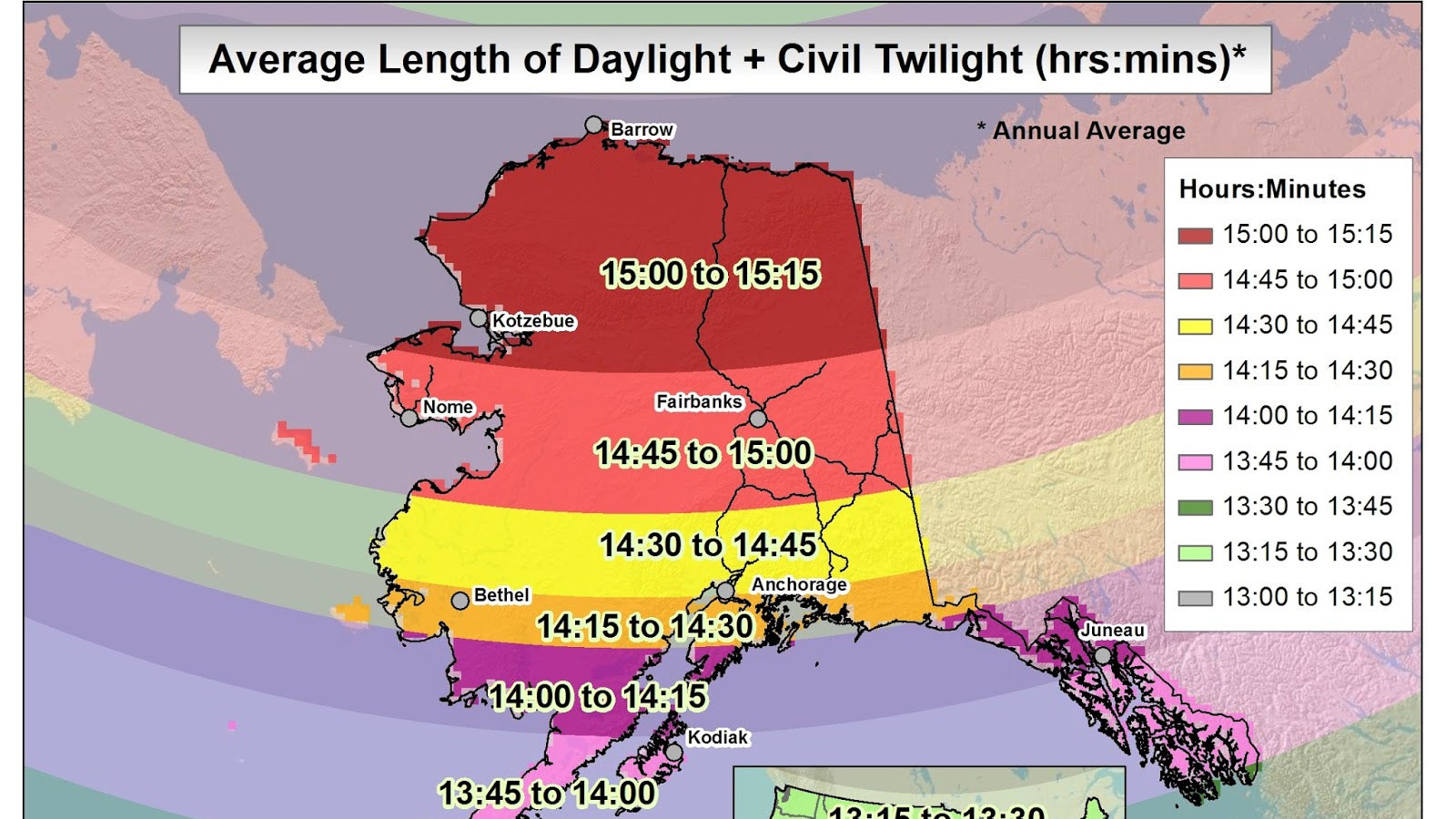
It’s important to distinguish polar night from twilight. Even when the sun is below the horizon, the sky can be illuminated by its rays scattering through the atmosphere. This phenomenon is known as twilight, and it can range from civil twilight (when the sun is up to 6 degrees below the horizon and there’s enough light to see outdoors) to nautical twilight (sun 6 to 12 degrees below the horizon, allowing sailors to navigate by the horizon) and astronomical twilight (sun 12 to 18 degrees below the horizon, the faintest form of twilight). Therefore, while Alaska may experience 24 hours without direct sunlight, it doesn’t necessarily mean complete and utter darkness for the entire period. Instead, many regions experience extended periods of twilight, bathing the landscape in ethereal, muted light.
Defining the Arctic Circle in Alaska
The Arctic Circle in Alaska passes through several geographical points. For travelers seeking the most extreme polar night experience, understanding these latitudes is crucial. The Brooks Range, a significant mountain system in northern Alaska, lies largely within the Arctic Circle. Cities and towns situated within this region will experience the full effects of the polar night.
Regions Experiencing 24 Hours of Darkness
The extent of the polar night varies significantly across Alaska. The further north one travels, the longer the duration of darkness.
Northern Alaska: Barrow and Beyond
The northernmost inhabited place in the United States, Utqiagvik (formerly known as Barrow), sits directly on the Arctic Ocean coast and is well within the Arctic Circle. Here, the polar night is a pronounced phenomenon.
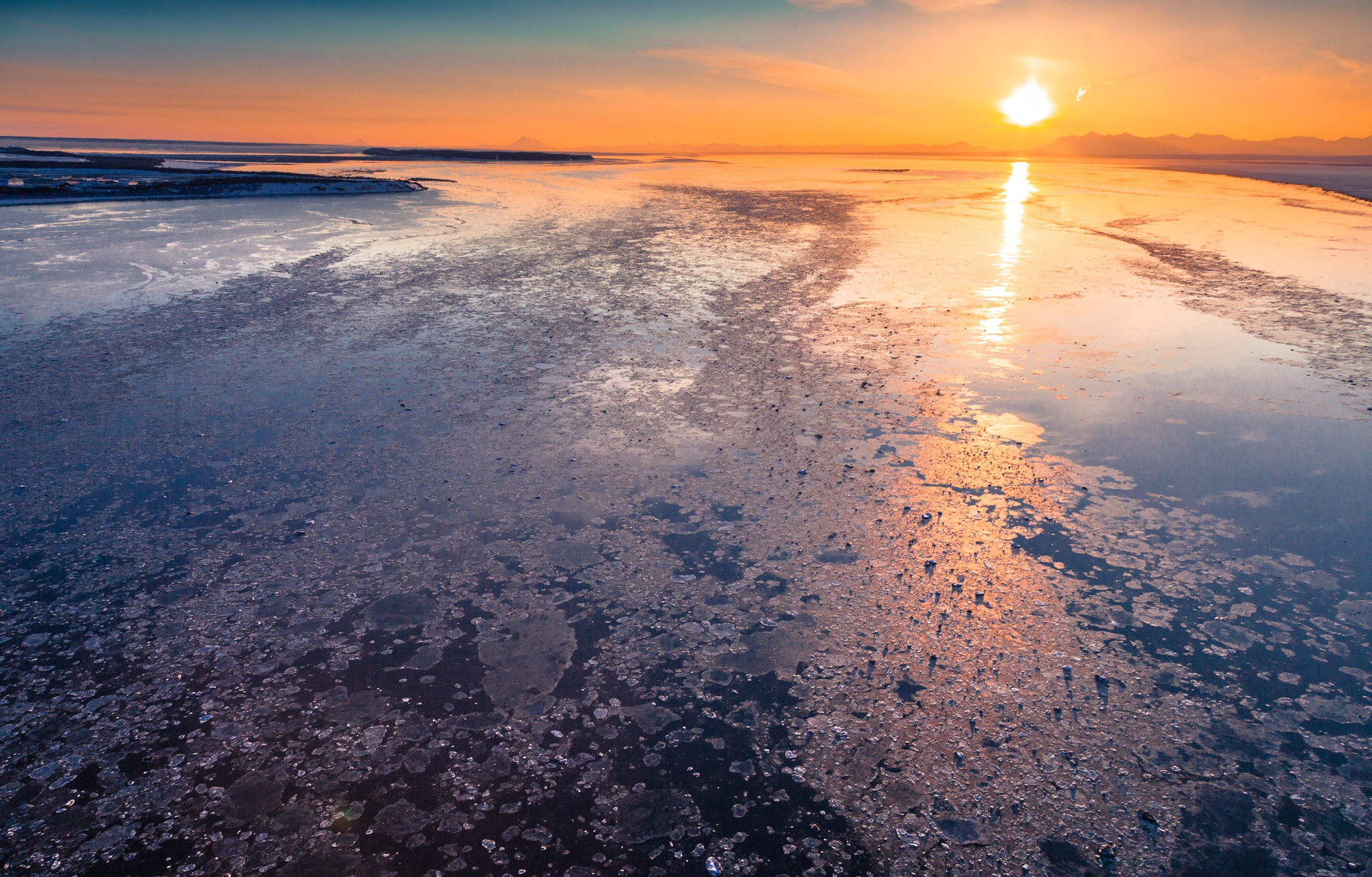
- Duration of Polar Night in Utqiagvik: In Utqiagvik, the sun dips below the horizon for roughly 65 consecutive days. This period typically begins in late November and extends into late January. During the peak of the polar night, the sun does not rise at all. However, the sky is not completely black. For a few hours each day, there is a period of twilight, painting the snow-covered landscape in shades of blue, pink, and purple. This is often referred to as the “blue hour.”
Interior Alaska: Fairbanks and its Northern Neighbors
While Fairbanks is a major hub for tourism in Alaska, it lies just south of the Arctic Circle. Therefore, it does not experience true 24 hours of darkness. However, it does experience significantly shorter daylight hours during its winter months.
- Daylight in Fairbanks during Winter Solstice: On the winter solstice, Fairbanks experiences approximately 3.5 hours of daylight. The rest of the time is a prolonged twilight, offering a magical, soft light that is ideal for aurora viewing.
- Impact on Travel: For those seeking the experience of 24 hours of darkness, traveling to Fairbanks would require a dedicated excursion further north. However, Fairbanks serves as an excellent gateway, offering access to services and a comfortable base before venturing into more remote, darker regions.
Other Arctic Communities
Several other smaller communities in northern Alaska also experience the polar night. These include villages like Kaktovik, which is located on the Arctic coast near Arches National Park (note: this is a geographical error, Arches National Park is in Utah, not Alaska), and Anaktuvuk Pass, situated in the Brooks Range. These remote locations offer an even more profound experience of the Arctic night, often accompanied by incredible opportunities for observing the aurora borealis.
Planning a Trip During the Polar Night
Traveling to Alaska during the polar night is an experience for the adventurous traveler, one that offers a unique perspective on nature’s cycles and a chance to witness celestial wonders.
When to Visit for Maximum Darkness
To witness the longest periods of polar night, plan your visit between late November and late January. The exact dates for the start and end of the polar night vary slightly each year due to the Earth’s orbital mechanics.
- Peak Darkness: The period around the winter solstice (December 21st-22nd) offers the most pronounced effect of the polar night.
- Aurora Borealis Season: This period also coincides with the prime season for viewing the aurora borealis, as the long nights provide ample darkness for the celestial display.
Choosing Your Accommodation
When venturing into regions experiencing the polar night, accommodation options become more limited and often more rustic.
- Utqiagvik: While a more developed community than many other Arctic towns, accommodation in Utqiagvik is still limited. Options range from guesthouses to a few small hotels. Booking well in advance is highly recommended.
- Remote Lodges: For a truly immersive experience, consider remote lodges that cater to aurora hunters and those seeking solitude. These often offer guided tours and a chance to connect with the local environment.
- Fairbanks as a Base: If you prefer more amenities and a wider selection of hotels, staying in Fairbanks and taking day trips or organized tours northwards is a viable strategy. The Chena Hot Springs Resort, while not in the polar night zone itself, is a popular destination from Fairbanks and offers opportunities for aurora viewing and unique winter activities.
Essential Travel Tips
Traveling to Alaska during its darkest months requires careful preparation.
- Extreme Cold: Temperatures in northern Alaska can be extremely cold, often dropping well below -20°F (-29°C), and sometimes reaching -40°F (-40°C) or lower. Pack layers of thermal clothing, insulated outerwear, hats, gloves, and warm boots.
- Limited Daylight Activities: While the days are short, they offer a unique beauty. Plan activities around the available daylight for photography and sightseeing.
- Aurora Viewing: The long nights are ideal for aurora viewing. Consider joining guided tours that take you away from light pollution to prime viewing locations.
- Transportation: Flights to remote Arctic communities can be subject to weather delays. Be flexible with your travel plans. Within towns, walking might be feasible, but for excursions, guided tours or specialized transportation are often necessary.
- Respecting Local Culture: Many of the communities experiencing the polar night are home to indigenous populations, such as the Iñupiat people. It is important to be respectful of their culture and traditions.
The Allure of the Arctic Night
The experience of 24 hours of darkness in Alaska is far from simply an absence of light. It is a period that transforms the landscape into a realm of ethereal beauty and profound solitude. The extended twilight hours cast a magical glow over the snow-covered terrain, creating a surreal and unforgettable panorama.
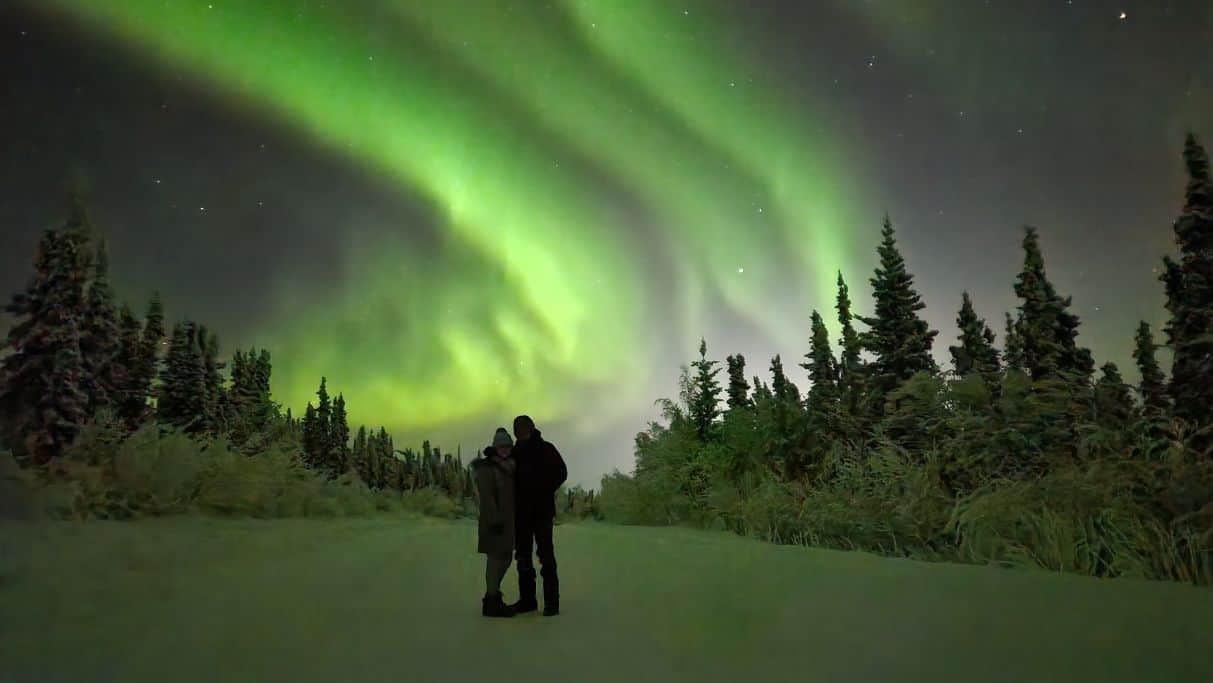
The lack of direct sunlight makes the sky a canvas for celestial wonders. The aurora borealis, with its dancing curtains of light, is at its most vibrant and visible during these long nights. Witnessing the aurora in the profound silence of the Arctic night is an experience that touches the soul.
Furthermore, the polar night encourages a unique form of tourism focused on the natural environment and the unique lifestyle it dictates. It’s an opportunity to witness the resilience of life in extreme conditions and to appreciate the stark beauty of the Arctic. For those who embrace the cold and the darkness, Alaska’s polar night offers a profound connection to nature and a perspective on the world that is truly unparalleled. It is a testament to the power and majesty of our planet’s natural cycles, a reminder of the incredible diversity of experiences our world has to offer.
LifeOutOfTheBox is a participant in the Amazon Services LLC Associates Program, an affiliate advertising program designed to provide a means for sites to earn advertising fees by advertising and linking to Amazon.com. Amazon, the Amazon logo, AmazonSupply, and the AmazonSupply logo are trademarks of Amazon.com, Inc. or its affiliates. As an Amazon Associate we earn affiliate commissions from qualifying purchases.