
Arizona, a state synonymous with rugged desert landscapes, iconic cacti, and sun-drenched vistas, often conjures images of a place teeming with wildlife. Among the creatures that call this arid paradise home, scorpions are a frequent topic of curiosity, and sometimes concern, for both residents and visitors. The question “Are there scorpions in Arizona?” is not a simple yes or no; it’s an invitation to explore the fascinating reality of these ancient arachnids and their place within the state’s diverse ecosystems.
The Abundant Presence of Scorpions in Arizona
The answer is unequivocally yes; scorpions are native to and abundant throughout Arizona. Their presence is a testament to their remarkable adaptability, thriving in the diverse climates and habitats the state offers, from the scorching deserts of Sonoran Desert and Mojave Desert to the cooler pine forests of northern Arizona. These nocturnal hunters have evolved to survive in extreme conditions, finding shelter during the day and emerging at night to forage for prey.
Arizona’s Scorpion Species
Arizona is home to a variety of scorpion species, each with its own characteristics and distribution. While many are harmless to humans, the presence of a few venomous species warrants awareness.
The Bark Scorpion: A Notable Resident
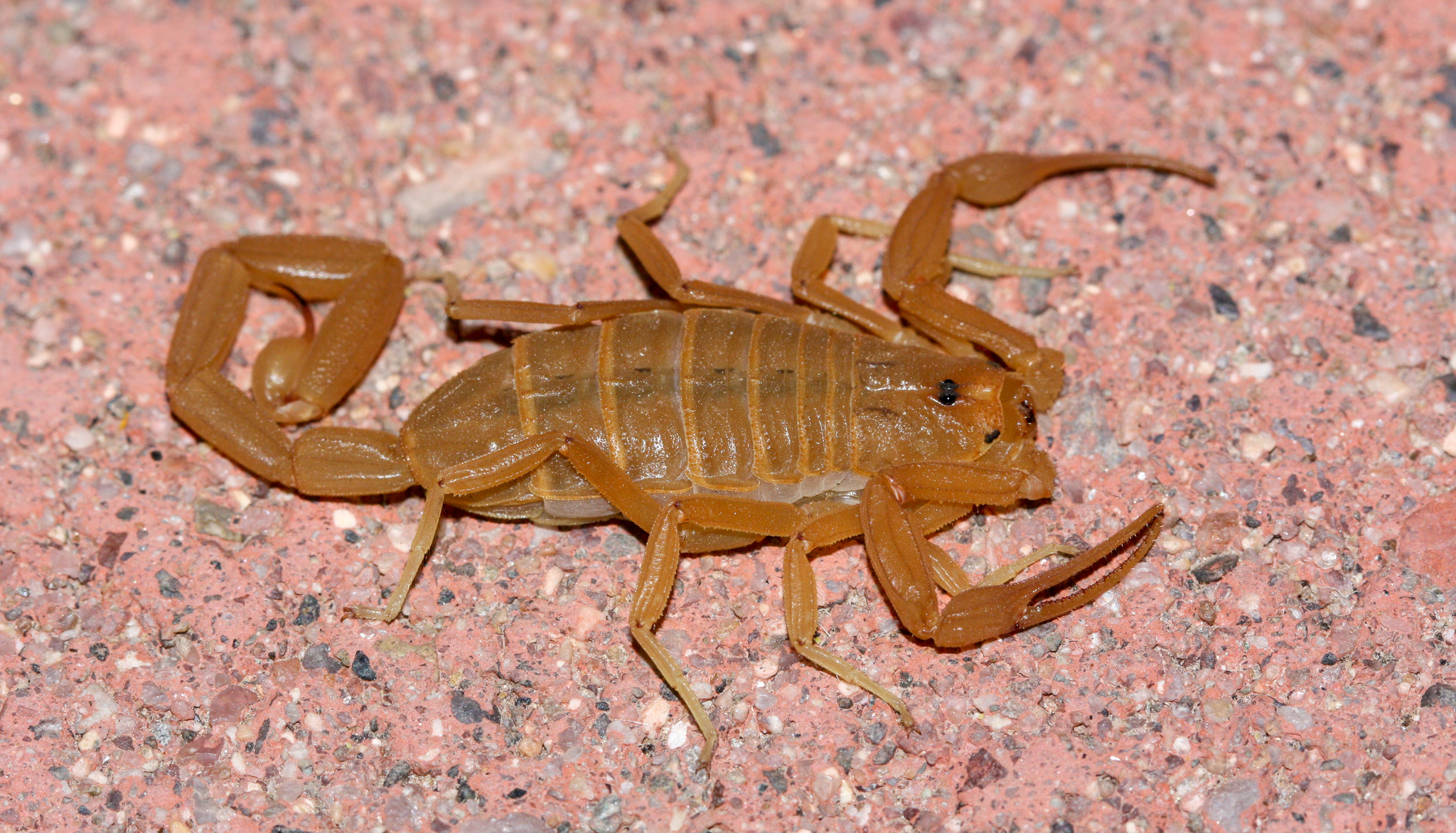
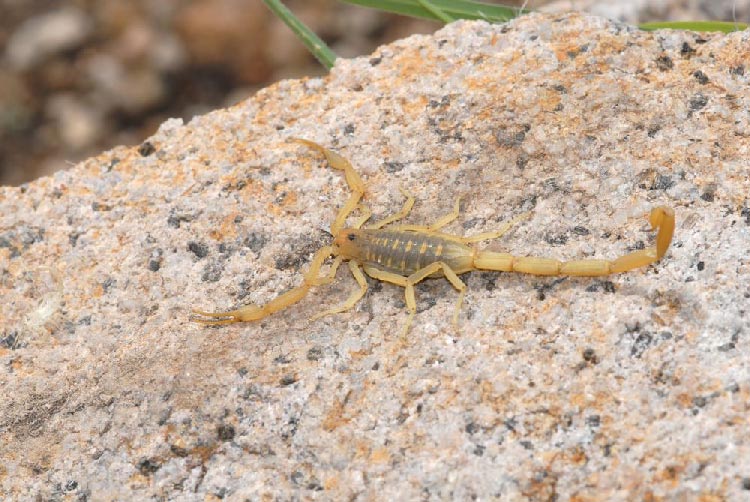
The most well-known, and perhaps most infamous, scorpion in Arizona is the Arizona Bark Scorpion (Centruroides sculpturatus). This species is distinguished by its slender body, relatively long tail, and the characteristic sting that, while painful, is rarely life-threatening to healthy adults. Its venom contains neurotoxins that can cause symptoms ranging from localized pain and swelling to numbness, tingling, and, in rare cases, more severe systemic reactions. The Arizona Bark Scorpion is found statewide, often in rocky areas, under bark, in crevices, and unfortunately, sometimes making their way into homes and buildings.
Other Common Species
Beyond the bark scorpion, Arizona hosts several other scorpion species, many of which are less common or less medically significant. These include:
- Desert Hairy Scorpion (Hadrurus arizonensis): The largest scorpion in North America, easily recognizable by its hairy appearance and often dark coloration. While its sting is painful, it is not considered dangerous to humans.
- Striped-Tailed Scorpion (Vejovis spinigerus): A smaller species with distinct dark bands on its tail. Its venom is generally mild.
- Blunt-Tailed Scorpion (Vaejovis crassimanus): Another relatively small scorpion found in the region, with a mild venom.
Understanding the different species can help dispel myths and foster a more informed perspective on their role in the desert ecosystem.
Scorpions in Their Natural Habitat
Arizona’s diverse geography provides ideal environments for scorpions to flourish. Their presence is a vital part of the food web, and understanding their habitat can offer insights into their behavior and how to coexist with them.
Desert Dwellers
The iconic deserts of Arizona, such as the Sonoran Desert, are prime scorpion territory. Here, they are masters of survival, utilizing the harsh conditions to their advantage.
Desert Adaptations
Scorpions possess remarkable adaptations for desert life:
- Nocturnal Activity: They are primarily active at night, avoiding the extreme heat of the day. This also allows them to hunt insects and other small invertebrates that are also active after dark.
- Burrowing Behavior: Many species dig shallow burrows or utilize existing crevices under rocks, logs, or debris to escape the sun and predators.
- Water Conservation: Scorpions have efficient metabolisms that minimize water loss. They can obtain much of their needed water from their prey.
- Camouflage: Their coloration often blends seamlessly with the desert floor, providing excellent camouflage from both prey and predators.
Beyond the Desert Floor
While deserts are their most recognized habitat, scorpions can also be found in other Arizona environments.
Mountain and Forest Regions
In the higher elevations of Arizona, such as the Mogollon Rim and the White Mountains, cooler temperatures prevail. Here, scorpions may still be present, often found in areas with rocky outcrops, fallen logs, and leaf litter, taking advantage of microclimates that suit their needs. Species in these cooler regions might differ from their desert counterparts, demonstrating the adaptability of these creatures across varied terrains.
Coexisting with Scorpions in Arizona
The presence of scorpions in Arizona is a natural phenomenon, but for those unfamiliar with them, it can be a source of anxiety. Understanding their behavior and taking simple precautions can significantly reduce the risk of unwanted encounters.
Understanding Scorpion Behavior
Scorpions are not aggressive by nature. They generally sting only when they feel threatened or are accidentally disturbed. Their primary motivation is survival, which involves hunting for food and seeking shelter.
Nocturnal Foraging
As nocturnal creatures, scorpions are most active from dusk until dawn. This is when they hunt for insects, spiders, and other small invertebrates. During the day, they remain hidden, conserving energy and avoiding extreme temperatures.
Defensive Mechanisms
When threatened, a scorpion will typically try to escape. If cornered, it may raise its claws in a defensive posture, and if the threat persists, it will use its stinger. The sting is a last resort, meant to deter predators or subdue prey.
Practical Tips for Travelers and Residents
Whether you are visiting Arizona for a vacation or are a long-term resident, adopting a few simple practices can ensure a safe and comfortable experience.
At Home and in Lodging
- Seal Entry Points: Ensure screens on windows and doors are intact. Seal any cracks or gaps where scorpions might enter.
- Reduce Outdoor Lighting: Bright outdoor lights can attract insects, which in turn attract scorpions. Consider using yellow “bug lights.”
- Keep Yards Tidy: Remove piles of wood, rocks, and debris where scorpions can hide. Mow lawns regularly.
- Shake Out Shoes and Clothing: Before putting on shoes or clothes that have been left outside or stored for a while, give them a good shake.
- Inspect Bedding: In hotels or rentals, it’s a good practice to shake out bedding before going to sleep.
While Exploring Arizona’s Outdoors
- Wear Appropriate Footwear: When hiking or exploring natural areas, wear sturdy closed-toe shoes and long pants.
- Be Cautious When Handling Rocks or Debris: Always be mindful of where you place your hands and feet, especially when moving rocks or logs.
- Use a Flashlight at Night: If you are out after dark, a flashlight can help you spot scorpions and avoid stepping on them.
- Educate Children: Teach children about scorpions and the importance of not touching them.
When to Seek Medical Attention
While most scorpion stings in Arizona are not life-threatening, prompt medical attention is advised, especially for children, the elderly, or individuals with compromised immune systems. Symptoms of a more severe reaction can include:
- Difficulty breathing
- Nausea and vomiting
- Muscle twitching or spasms
- Numbness or tingling spreading beyond the sting site
- Excessive sweating or salivation
If you experience any of these symptoms after a scorpion sting, contact emergency services or seek immediate medical care at the nearest hospital.
The Ecological Role of Scorpions in Arizona
Scorpions are an integral part of the desert ecosystem. Their presence, far from being solely a nuisance, plays a significant role in maintaining the delicate balance of nature in Arizona.
Predators and Prey
Scorpions are opportunistic predators, primarily feeding on insects, spiders, centipedes, and other small invertebrates. By controlling populations of these creatures, they help prevent outbreaks that could damage vegetation or become a nuisance to humans.
Impact on Insect Populations
Their hunting prowess contributes to a healthier ecosystem by keeping insect populations in check. This is particularly important in arid environments where resources are scarce and ecological relationships are finely tuned.
Prey for Other Wildlife
Scorpions are also a food source for various predators in Arizona. Birds of prey, small mammals like foxes and coyotes, and even other reptiles, such as some species of lizards and snakes, will prey on scorpions. This makes them an important link in the food chain, supporting a diverse array of wildlife.
Natural Control Mechanisms
This natural predation acts as a form of population control for scorpions themselves, preventing any single species from becoming overly dominant. It highlights the interconnectedness of the desert environment.
Dispelling Myths and Appreciating Arizona’s Arachnids
The fear surrounding scorpions often stems from misinformation and a lack of understanding. By dispelling common myths, we can foster a greater appreciation for these ancient and resilient creatures.
Common Misconceptions
Several myths surround scorpions, contributing to unnecessary fear:
- “All Scorpions in Arizona are Deadly”: This is false. While the Arizona Bark Scorpion can deliver a medically significant sting, most other species are harmless or cause only mild discomfort.
- “Scorpions Actively Hunt Humans”: Scorpions do not hunt humans. They are defensive and will only sting if they feel threatened.
- “Scorpions Jump”: Scorpions cannot jump. Their movements are primarily crawling.
An Ancient and Fascinating Lineage
Scorpions have a lineage stretching back over 400 million years, predating dinosaurs. They have survived mass extinctions and adapted to a wide range of environments across the globe. Their resilience and ancient lineage are remarkable from a biological perspective.

Evolutionary Marvels
Their unique physiology, including their ability to glow under ultraviolet light, their complex mating rituals, and their ability to survive long periods without food, makes them subjects of great scientific interest.
Arizona’s landscapes, from the vibrant city of Phoenix to the vast expanses of the Grand Canyon National Park, are all part of a living tapestry where scorpions play their part. By understanding their habitat, behavior, and ecological significance, travelers and residents alike can navigate the beauty of Arizona with greater knowledge and confidence, appreciating the wild inhabitants that make this state so unique.
LifeOutOfTheBox is a participant in the Amazon Services LLC Associates Program, an affiliate advertising program designed to provide a means for sites to earn advertising fees by advertising and linking to Amazon.com. Amazon, the Amazon logo, AmazonSupply, and the AmazonSupply logo are trademarks of Amazon.com, Inc. or its affiliates. As an Amazon Associate we earn affiliate commissions from qualifying purchases.