
Arizona’s relationship with daylight saving time is a topic that frequently sparks conversation, especially as the warmer months approach and the rest of the nation prepares to spring forward. For travelers planning a visit to the Grand Canyon State, understanding these timekeeping nuances is crucial for seamless itinerary planning, from booking flights to scheduling tours and making dining reservations. This exploration delves into Arizona’s unique stance on daylight saving time, its historical context, and what it means for those experiencing its diverse landscapes and attractions.
The Peculiar Case of Arizona and Daylight Saving Time
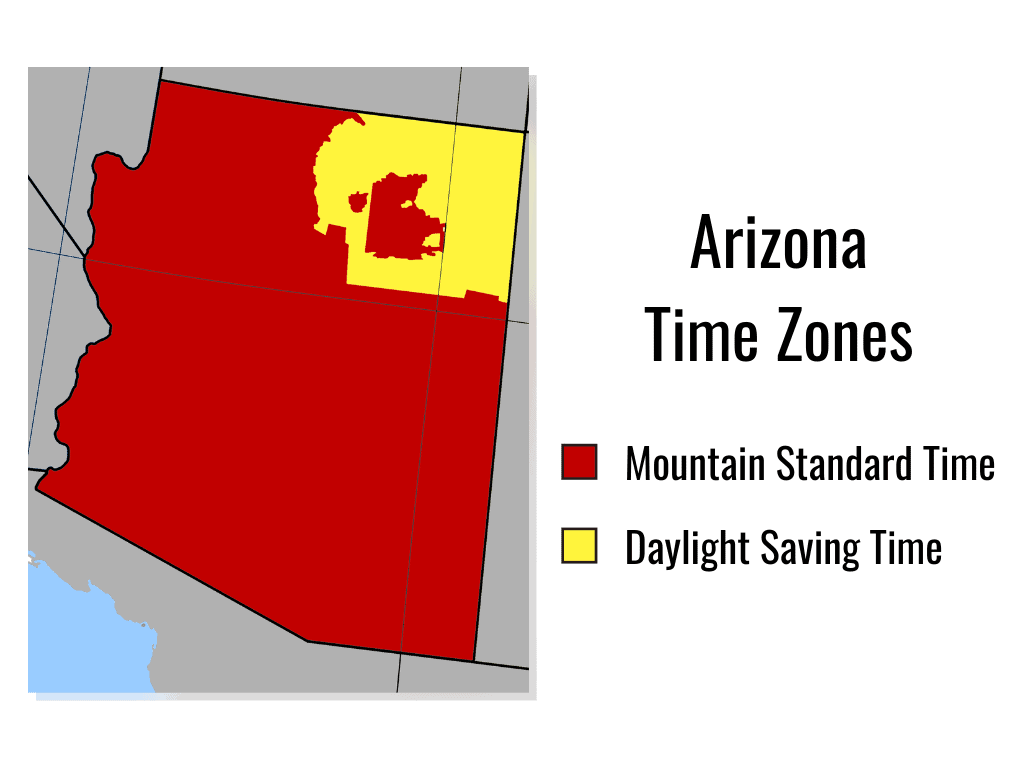
Unlike most of the United States, a significant portion of Arizona does not observe daylight saving time (DST). This decision, made decades ago, sets the state apart and can lead to some interesting temporal discrepancies, particularly for neighboring states that do adhere to the practice. The most prominent exception within Arizona is the Navajo Nation, which does participate in DST, creating a fascinating temporal pocket within the state’s borders.
Historical Roots of Arizona’s Stance
The decision for Arizona to opt out of daylight saving time has deep historical roots, dating back to the mid-20th century. The primary rationale behind this choice was the state’s intense summer heat. Proponents argued that extending daylight hours into the evening would only exacerbate the already sweltering temperatures, making outdoor activities and even indoor comfort more challenging. The agricultural sector also voiced concerns, suggesting that the shift would disrupt farming schedules and potentially impact crop yields. In 1967, Arizona officially opted out of DST, a decision reaffirmed by state law. This deliberate choice was made to better suit the climate and lifestyle of its residents and visitors.
The Impact on Travelers
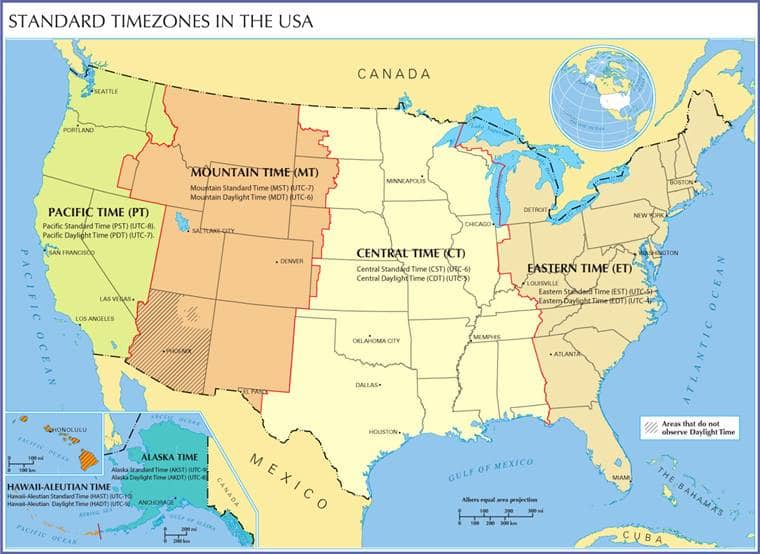
For visitors, understanding Arizona’s DST policy is essential for accurate timekeeping. When most of the United States springs forward by an hour in March, Arizona (excluding the Navajo Nation) remains on Mountain Standard Time (MST). This means that during the DST period, Arizona is effectively one hour behind states like California and Nevada (which are on Pacific Daylight Time, PDT) and two hours behind states in the Eastern Time Zone that are observing EDT. Conversely, Arizona is on the same time as Colorado, Utah, and New Mexico during the summer months.
This time difference can influence travel plans in several ways:
- Flight Schedules: Booking flights requires careful attention to ensure you’re aware of arrival and departure times in local Arizona time versus the departure city’s time.
- Tour Bookings: Many tours and activities operate on a strict schedule. Confirming booking times in Arizona’s local time is paramount to avoid missing out on experiences.
- Connectivity with Home: Staying in touch with family and friends in other time zones requires an understanding of the one-to-two-hour difference, impacting when is a convenient time to call or video chat.
- Business Meetings: For those traveling for business, coordinating meetings with counterparts in other states necessitates a clear grasp of the time zone disparities.
Navigating Time Zones in Arizona
The temporal landscape within Arizona is not entirely uniform, adding another layer of complexity for travelers. While most of the state operates on a fixed time, the Navajo Nation, which spans parts of Arizona, New Mexico, and Utah, does observe DST. This creates a unique situation where traveling from a non-DST area of Arizona into the Navajo Nation during DST months results in a one-hour jump.
The Navajo Nation Exception
The Navajo Nation chose to observe DST to align its time with surrounding areas that also observe it, primarily for economic and social convenience. This means that towns and attractions within the Navajo Nation, such as Monument Valley and parts of Canyon de Chelly National Monument, will be on Navajo Standard Time (NS T) which is equivalent to Mountain Daylight Time (MDT) during the DST period, while the rest of Arizona remains on MST.
Practical Implications for Siteseeing
This temporal divide is particularly relevant for visitors planning to explore the northeastern part of Arizona. For instance, if you are staying in Flagstaff (which does not observe DST) and plan to visit Monument Valley (which does), you will need to adjust your watch by an hour as you enter the Navajo Nation during DST. This distinction is crucial for adhering to tour schedules, photography opportunities, and even simple meal reservations in these areas. It’s always advisable to confirm the local time with your accommodation or tour operator upon arrival in any new location within Arizona.
Arizona’s Appeal Beyond Time Zones
Despite the minor temporal complexities, Arizona’s allure for travelers remains undiminished. The state offers an unparalleled array of natural wonders, cultural experiences, and vibrant cities that draw millions of visitors each year. Understanding the time difference is merely a small detail in the grand tapestry of what makes a trip to Arizona so memorable.
Natural Wonders
The undisputed crown jewel of Arizona’s natural attractions is the Grand Canyon National Park. This colossal chasm carved by the Colorado River offers breathtaking vistas, challenging hiking trails, and opportunities for mule rides and helicopter tours. The sheer scale and geological significance of the Grand Canyon are awe-inspiring.
Beyond the Grand Canyon, Arizona boasts other spectacular natural landscapes:
- Sedona: Renowned for its vibrant red rock formations, spiritual vortexes, and extensive hiking and biking trails, Sedona is a magnet for outdoor enthusiasts and those seeking tranquility.
- Antelope Canyon: Located on the Navajo Nation, this slot canyon is famous for its sculpted sandstone walls and the ethereal light beams that filter down from above, creating a photographer’s paradise.
- Petrified Forest National Park: This unique park showcases a landscape dotted with colorful petrified wood, ancient petroglyphs, and the Painted Desert, offering a glimpse into prehistoric times.
- Saguaro National Park: Home to the iconic giant saguaro cactus, this park protects a remarkable desert ecosystem in the Tucson area.
Cultural and Historical Sites
Arizona’s rich history and diverse cultural tapestry are evident in its numerous historical sites and cultural attractions.
- Mesa Verde National Park (though primarily in Colorado, its influence and proximity make it relevant for cross-border exploration): While not in Arizona, its proximity to the Four Corners region offers a connection to ancient Puebloan cliff dwellings.
- Tombstone: This historic Old West town allows visitors to step back in time with reenactments of gunfights, historic saloons, and the famous OK Corral.
- Mission San Xavier del Bac: Located near Tucson, this exquisite Spanish Catholic mission, known as the “White Dove of the Desert,” is a stunning example of Baroque architecture and a significant cultural landmark.
- Heard Museum: In Phoenix, the Heard Museum is dedicated to the art and culture of the American Indians of the Southwest, offering extensive collections and informative exhibits.
Vibrant Cities and Culinary Delights
Arizona’s urban centers offer a blend of modern amenities, cultural attractions, and burgeoning culinary scenes.
- Phoenix: The state capital is a sprawling metropolis offering world-class resorts, a vibrant arts district, professional sports teams, and a diverse dining landscape.
- Scottsdale: Known for its upscale resorts, art galleries, and luxurious shopping, Scottsdale is a popular destination for those seeking relaxation and refinement.
- Tucson: A UNESCO City of Gastronomy, Tucson is celebrated for its authentic Sonoran Mexican cuisine, vibrant downtown, and rich cultural heritage.

Planning Your Arizona Adventure
When planning your trip, remember to factor in Arizona’s unique timekeeping. Regardless of whether you’re visiting during DST or not, the state’s unparalleled natural beauty, rich history, and vibrant culture promise an unforgettable travel experience. A little awareness of the clock can ensure your journey through the Grand Canyon State is as smooth and enjoyable as its majestic landscapes.
LifeOutOfTheBox is a participant in the Amazon Services LLC Associates Program, an affiliate advertising program designed to provide a means for sites to earn advertising fees by advertising and linking to Amazon.com. Amazon, the Amazon logo, AmazonSupply, and the AmazonSupply logo are trademarks of Amazon.com, Inc. or its affiliates. As an Amazon Associate we earn affiliate commissions from qualifying purchases.