
Understanding the flight distance from your current location to Phoenix, Arizona is a crucial first step in planning any trip to this vibrant Southwestern city. Whether you’re dreaming of exploring the majestic Grand Canyon, experiencing the lively arts scene, or simply escaping to a warmer climate, knowing the aerial mileage and flight duration helps in budgeting, scheduling, and setting expectations for your journey. This guide will delve into the typical flight distances and times from major global hubs to Phoenix Sky Harbor International Airport (PHX), offering insights into what to anticipate for your travel.
Understanding Flight Distances and Their Implications
The “distance by plane” isn’t a straight line; it’s the actual path an aircraft takes, influenced by air traffic control routes, weather patterns, and geographical barriers. For Phoenix, its strategic location in the American Southwest means it’s accessible from a wide range of domestic and international origins. The time spent in the air is directly proportional to this distance, but also affected by factors like wind speed, aircraft type, and the efficiency of air traffic management.
Domestic Flight Distances to Phoenix
For travelers within the United States, Phoenix is a relatively accessible destination. Its status as a major hub means numerous direct flights operate daily from coast to coast.
- West Coast Cities: From cities like Los Angeles or San Francisco in California, the flight to Phoenix is quite short, typically ranging from 1.5 to 2 hours. This makes it an easy weekend getaway or even a day trip for those living within a few hours’ drive of a major airport. The distance is approximately 400-500 miles.
- Mountain Time Zone Neighbors: For travelers in states like Colorado or Utah, the flight is even shorter, often under 1.5 hours. These states share a time zone with Phoenix, minimizing jet lag and making the transition seamless. The distance is around 300-400 miles.
- Central Time Zone Cities: From hubs like Dallas, Houston, or Chicago, flights to Phoenix are generally between 2.5 and 4 hours. This covers a distance of approximately 800-1200 miles. These routes are heavily trafficked due to business and leisure travel.
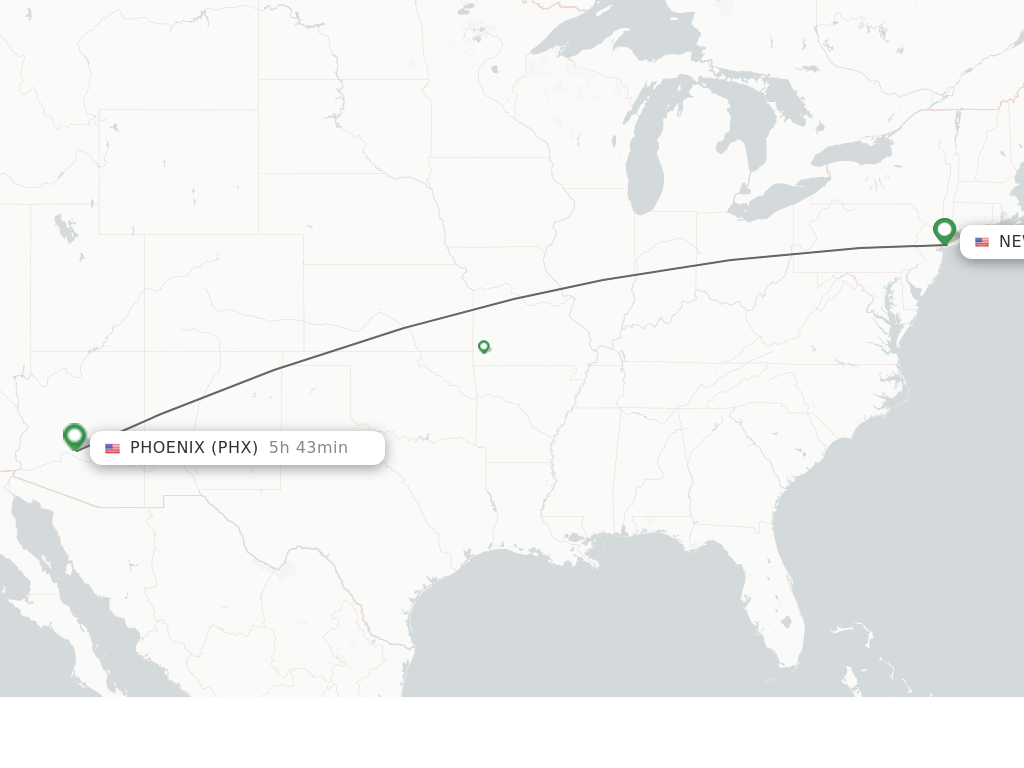
- East Coast Cities: For those originating on the East Coast, such as from New York City or Miami, the flight duration to Phoenix typically falls between 4.5 and 6 hours. This represents a significant distance, often exceeding 2000 miles. Planning for a longer travel day is advisable, accounting for potential delays and the need for in-flight entertainment or rest.
International Flight Distances to Phoenix
Phoenix is a gateway to the American Southwest for international visitors, with connections from various continents.
- Mexico: Given its proximity, flights from major Mexican cities like Mexico City or Guadalajara are relatively short, usually ranging from 2.5 to 4 hours. The distances are typically between 700 and 1000 miles.
- Canada: From cities like Toronto or Vancouver, flights to Phoenix can vary. Flights from western Canada, such as Vancouver, might be around 3-4 hours (approx. 800-1000 miles). From eastern Canada, like Toronto, the flight is longer, often 4.5 to 5.5 hours (approx. 1800-2000 miles).
- Europe: For travelers from Europe, reaching Phoenix usually involves a connecting flight, often through major East Coast or Midwest hubs. The direct flight distance from a European capital like London to a US gateway could be around 3500-4000 miles, taking roughly 7-8 hours. The subsequent flight to Phoenix would add another 4-6 hours, making the total travel time, including layovers, potentially 12-18 hours or more.
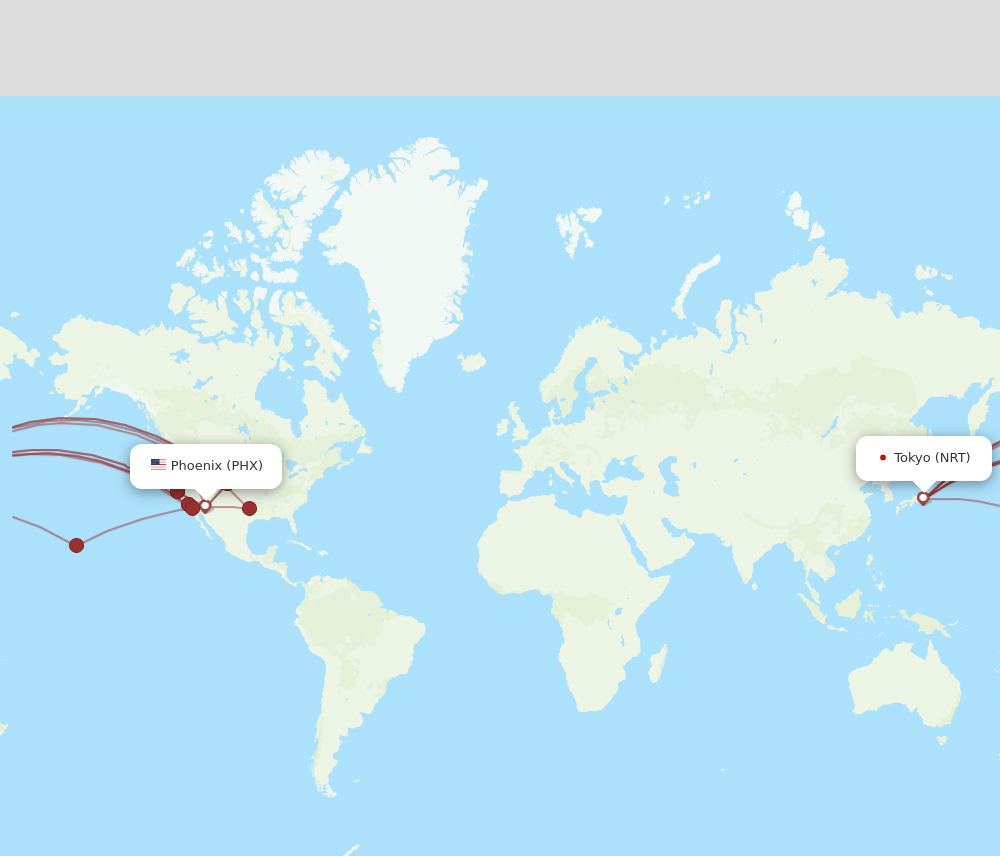
- Asia: Flights from Asia, such as from Tokyo or Beijing, are the longest. These journeys invariably involve multiple connections and can span over 20-30 hours of total travel time, covering distances of 6000 miles or more.
Factors Influencing Actual Flight Time
While distance is a primary determinant, several other factors can influence your actual flight time to Phoenix.
Air Traffic and Airport Operations
Phoenix Sky Harbor International Airport is one of the busiest airports in the United States. High traffic volume can lead to delays in taxiing, take-off, and landing, especially during peak travel seasons or adverse weather conditions. Understanding the airport’s operational capacity and potential bottlenecks can help manage travel expectations.
Weather Conditions
The weather in both your departure city and along the flight path can significantly impact flight duration. Strong headwinds can slow down an aircraft, increasing flight time, while tailwinds can shorten it. Thunderstorms, snow, or fog can cause rerouting or delays. Phoenix itself experiences extreme heat in the summer, which can occasionally affect flight operations due to its impact on aircraft performance and potential for afternoon monsoonal thunderstorms.
Aircraft Type and Airline Efficiency
Different aircraft have varying cruising speeds. Modern, larger jets often fly faster and more efficiently than older models. The specific routing chosen by an airline, optimized for fuel efficiency and air traffic, also plays a role. Airlines continuously update their fleets and optimize their flight paths to reduce travel times and operational costs.
Planning Your Trip to Phoenix
Knowing the approximate flight distance and duration is the first step in effectively planning your journey to Phoenix. This information is vital for several aspects of travel planning.
Booking Flights and Managing Time
When booking your flights, compare the estimated flight times offered by different airlines. Websites and apps that provide real-time flight tracking can be invaluable for monitoring your flight’s progress. For longer international flights, consider booking flights with ample layover times to avoid the stress of missed connections. For domestic travel, a shorter flight means more time to explore Phoenix upon arrival.
Budgeting for Travel
Flight distance is a key component in determining airfare. Longer flights, especially those involving international travel or multiple stops, generally command higher prices. Understanding the distance from your origin to Phoenix can help you budget more accurately for your air travel expenses. Look for deals and promotions, particularly for longer-haul flights, by booking in advance or during off-peak seasons.
Packing and In-Flight Comfort
For shorter flights, packing light and bringing essentials for the flight is usually sufficient. For longer journeys, packing comfort items like neck pillows, eye masks, headphones, and snacks becomes essential for ensuring a more pleasant experience. Knowing the expected flight time allows you to prepare accordingly for the duration you’ll spend in the air.
Considering Alternatives and Connections
If direct flights are scarce or prohibitively expensive from your location, exploring connecting flights is necessary. The total travel time will then include the layover duration. For instance, if you’re traveling from Europe, a common connection point might be in a city like Chicago or Denver. The distance to these hubs from Europe is one aspect, and the subsequent distance to Phoenix is another. Understanding these segments helps in evaluating the overall feasibility and comfort of the journey. Many travelers might opt for a brief stopover in a connecting city to break up a long international journey, turning a transit point into a mini-destination before continuing to Phoenix.
Navigating Phoenix Sky Harbor International Airport (PHX)
Once you know how far you’re flying, familiarizing yourself with Phoenix Sky Harbor International Airport will enhance your arrival and departure experience. PHX is divided into three main terminals: Terminal 2 (primarily serving United Airlines and some regional carriers), Terminal 3 (serving most domestic and international airlines, including American Airlines, Delta Air Lines, and Southwest Airlines), and Terminal 4 (serving Southwest Airlines and international flights).
Transportation from the Airport
Upon arrival, numerous transportation options are available to take you to your accommodation or next destination. The Valley Metro Rail connects directly to the airport, offering an efficient and affordable way to reach downtown Phoenix and surrounding areas. Rental car services are readily available, providing flexibility for exploring the vast region. Ride-sharing services and taxis are also conveniently located. Knowing the distance to your final destination from PHX can help you choose the most suitable and cost-effective transport.
Airport Amenities and Services
PHX offers a range of amenities to make your travel smoother. These include numerous dining options, retail stores, free Wi-Fi, charging stations, and art installations that reflect the local culture. Familiarizing yourself with the airport layout and available services can reduce stress during transit, whether you’re arriving after a long international flight or embarking on a short domestic hop. For those with longer layovers, the airport provides comfortable waiting areas and even quiet zones.
Conclusion: Charting Your Course to the Valley of the Sun
The question of “How far is Phoenix, Arizona from me by plane?” is more than a simple mileage query; it’s a gateway to informed travel planning. Whether you’re journeying from a neighboring American state or an international continent, understanding the aerial distance and its implications for flight duration, cost, and comfort is paramount. By considering domestic and international flight lengths, factoring in variables like weather and air traffic, and preparing for your arrival at Phoenix Sky Harbor International Airport, you can ensure a seamless and enjoyable transition into the captivating landscapes and vibrant culture of the Valley of the Sun. Safe travels!
LifeOutOfTheBox is a participant in the Amazon Services LLC Associates Program, an affiliate advertising program designed to provide a means for sites to earn advertising fees by advertising and linking to Amazon.com. Amazon, the Amazon logo, AmazonSupply, and the AmazonSupply logo are trademarks of Amazon.com, Inc. or its affiliates. As an Amazon Associate we earn affiliate commissions from qualifying purchases.