
Planning a road trip between two of the American Southwest’s most vibrant cities, San Diego and Phoenix, offers an exciting opportunity to experience diverse landscapes and cultures. Understanding the distance and travel time is crucial for efficient planning, whether you’re seeking a quick getaway or a more leisurely exploration. This journey, traversing approximately 350 miles (563 kilometers) of diverse terrain, promises a blend of coastal charm giving way to desert grandeur.
The Direct Driving Route: A Straight Shot Through the Desert
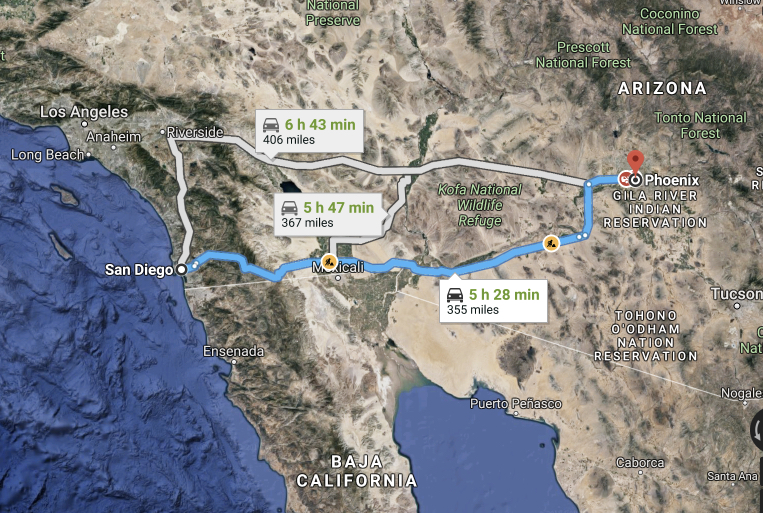
The most common and straightforward route from San Diego to Phoenix primarily utilizes Interstate 8 East. This highway offers a direct path through Southern California’s inland empire and into Arizona’s Sonoran Desert.
Understanding the Mileage and Time Investment
The direct driving distance between San Diego and Phoenix is typically measured at around 350 miles. This figure can fluctuate slightly depending on your exact starting point in San Diego and your final destination within the sprawling Phoenix metropolitan area.
The estimated driving time, assuming ideal conditions and no significant stops, is generally between 5 to 6 hours. However, it’s essential to factor in several variables that can influence this duration:
- Traffic: Both San Diego and Phoenix are major metropolitan hubs. Navigating out of San Diego during peak morning or evening commute hours can add considerable time. Similarly, entering Phoenix can involve congestion, especially on weekdays.
- Road Conditions and Construction: While I-8 is generally well-maintained, unexpected construction zones or road closures can cause delays. It’s always advisable to check real-time traffic updates before and during your trip.
- Weather: The desert climate can experience extreme heat, especially during summer months. While this may not directly impact speed limits, it can influence driver comfort and the need for more frequent breaks. Dust storms, though less common, can also create hazardous driving conditions, reducing visibility and potentially necessitating temporary stops.
- Stops and Breaks: A 350-mile journey requires at least one or two stops for fuel, rest, and refreshments. These breaks, while necessary, will extend your overall travel time.
Key Points Along the I-8 Corridor
As you embark on your drive along I-8 East, you’ll pass through several notable areas that offer potential stops or a glimpse into the region’s character.
- El Cajon and Lakeside: These communities east of San Diego mark the initial ascent into the foothills. You’ll find ample opportunities for quick stops and fuel.
- Julian: While a slight detour off I-8, the charming mountain town of Julian is famous for its apple pie and historic gold-mining roots. If you have a bit of extra time and are seeking a unique roadside experience, this is a worthy diversion.
- Imperial Valley: As you descend into the desert, you’ll pass through the fertile Imperial Valley, a significant agricultural region in Southern California. Towns like El Centro offer essential services and a change of scenery from the more urbanized areas.
- Yuma, Arizona: Located just across the border from California, Yuma is a significant stopping point. It offers a variety of restaurants, hotels, and gas stations. Yuma is also historically notable as the site of Fort Yuma, a historic military post.
Alternative Routes and Considerations for the Adventurous Traveler
While I-8 East is the most direct path, alternative routes exist, offering different scenic vistas and potential points of interest. These may add time but can enhance the overall travel experience for those with more flexibility.
The Northern Detour: I-10 East via Palm Springs
An alternative, though generally longer, route involves heading north from San Diego towards the desert resort towns before merging onto Interstate 10 East towards Phoenix.
- The Route: This typically involves taking I-15 North briefly, then transitioning to CA-78 East or similar routes to reach cities like Palm Springs. From Palm Springs, you would then connect to I-10 East, which directly leads to Phoenix.
- Distance and Time: This route can add approximately 50-75 miles to your journey, increasing the total driving time to around 6.5 to 8 hours, depending on traffic and your chosen detours.
- Attractions: This path is ideal for travelers interested in experiencing the unique desert landscapes and stylish resorts of the Coachella Valley. You can explore Palm Springs itself, visit the Joshua Tree National Park (though this requires a more significant detour), or enjoy the retro-chic vibe of towns like Indio.

The Southern Excursion: I-10 West and then South
Another less common but viable option involves heading west from San Diego towards the coast, then taking I-10 East through Southern California’s inland areas before eventually heading south towards Phoenix. This route is generally less efficient for reaching Phoenix directly but might be chosen if specific attractions in that corridor are of interest.
- The Route: This would involve taking I-5 North briefly, then transitioning to I-10 East. The challenge here is that I-10 East travels further north than necessary for a direct San Diego to Phoenix connection. You would then need to find a route south from I-10 to I-8 or other connectors to reach Phoenix.
- Distance and Time: This route is significantly longer and more convoluted, likely adding several hours to the total travel time and increasing mileage considerably. It is not recommended for efficiency but might be considered for an extended exploration of Southern California’s diverse geography.
Preparing for Your Journey: Essential Travel Tips
Regardless of the route you choose, proper preparation is key to a smooth and enjoyable road trip from San Diego to Phoenix.
Vehicle Readiness and Safety
- Vehicle Check: Before departing, ensure your vehicle is in good working condition. Check tire pressure, fluid levels (oil, coolant, windshield washer fluid), brakes, and lights. A pre-trip inspection by a mechanic is always a wise precaution for longer journeys.
- Emergency Kit: Pack an emergency roadside kit. This should include jumper cables, a first-aid kit, a flashlight with extra batteries, basic tools, a tire pressure gauge, and a blanket. In the desert, it’s also wise to have extra water and non-perishable snacks.
- Navigation: While GPS devices and smartphone navigation apps are indispensable, it’s prudent to have a physical map as a backup, especially in areas with limited cell service. Download offline maps for the entire route.
Packing for the Climate
The transition from the coastal climate of San Diego to the arid desert of Phoenix necessitates careful packing.
- Hydration: The desert heat can be intense. Carry plenty of water. Consider a reusable water bottle or cooler filled with ice.
- Sun Protection: Pack sunscreen with a high SPF, sunglasses, and a wide-brimmed hat. Light, long-sleeved clothing can also offer protection from the sun.
- Layering: While Phoenix can be very hot, desert evenings can cool down significantly. Pack layers of clothing to adapt to temperature fluctuations.
- Comfortable Footwear: You’ll be doing a lot of driving, and potentially some exploring at your destination. Comfortable shoes are a must.
Accommodation and Dining Along the Way
- Mid-point Stops: If you prefer to break up the drive, Yuma is a natural halfway point with numerous hotel options. Other towns along I-8 also offer basic accommodations.
- Dining: Roadside diners and fast-food chains are plentiful along the major interstates. For more unique culinary experiences, consider planning stops in towns like Julian for its famous apple pie or exploring the diverse offerings in Yuma or the towns within the Coachella Valley if taking the I-10 route.
- Booking Ahead: Especially during peak travel seasons or holidays, it’s advisable to book accommodations in advance, particularly in smaller towns or popular tourist areas.
Experiencing the Transition: From Coast to Desert
The drive from San Diego to Phoenix is more than just a measure of distance; it’s a journey through vastly different ecosystems and cultural landscapes. As you leave the Pacific coastline behind, you’ll witness a dramatic transformation.
- Coastal Influence to Inland Valleys: Initially, you’ll experience the Mediterranean climate of Southern California, characterized by rolling hills and coastal chaparral. As you head east, the landscape begins to dry, transitioning into chaparral and then into more arid vegetation.
- The Sonoran Desert’s Majesty: Upon entering Arizona, you’ll be greeted by the iconic beauty of the Sonoran Desert. Towering saguaro cacti, creosote bushes, and a stunning array of desert flora define this unique environment. The landscape becomes more open, with vast vistas stretching towards the horizon, often punctuated by dramatic mountain ranges.
- Arrival in Phoenix: Phoenix, the “Valley of the Sun,” is a sprawling metropolis set against this rugged desert backdrop. The contrast between the natural desert environment and the vibrant urban landscape is striking.

Embracing the Journey
The approximate 350-mile drive between San Diego and Phoenix is a manageable road trip for most travelers. By understanding the distances, potential routes, and essential preparation tips, you can transform this journey into an integral and enjoyable part of your Southwestern adventure. Whether you opt for the direct I-8 route or a more scenic detour, the transition from the coastal charm of San Diego to the sun-drenched desert of Phoenix offers a rewarding travel experience.
LifeOutOfTheBox is a participant in the Amazon Services LLC Associates Program, an affiliate advertising program designed to provide a means for sites to earn advertising fees by advertising and linking to Amazon.com. Amazon, the Amazon logo, AmazonSupply, and the AmazonSupply logo are trademarks of Amazon.com, Inc. or its affiliates. As an Amazon Associate we earn affiliate commissions from qualifying purchases.