
The question of how many counties exist within the sprawling landscapes of Arizona might seem straightforward, but understanding this administrative division is key to appreciating the state’s diverse geography, rich history, and unique local cultures. As a cornerstone of regional identity and governance, each county in Arizona plays a vital role in shaping the visitor experience, from the vibrant urban centers to the remote natural wonders. This exploration delves into the structure of Arizona’s counties, highlighting their significance for travelers seeking authentic experiences and deeper connections with the Grand Canyon State.
The Administrative Framework of Arizona’s Counties
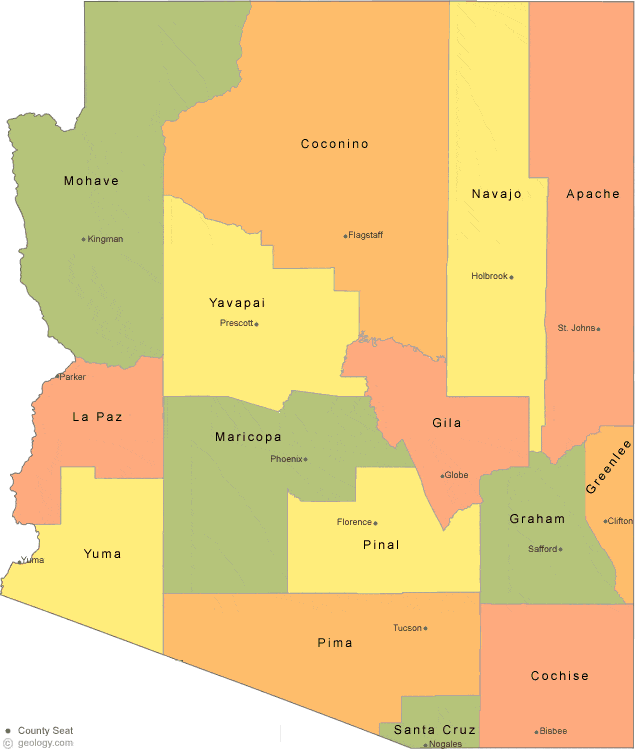
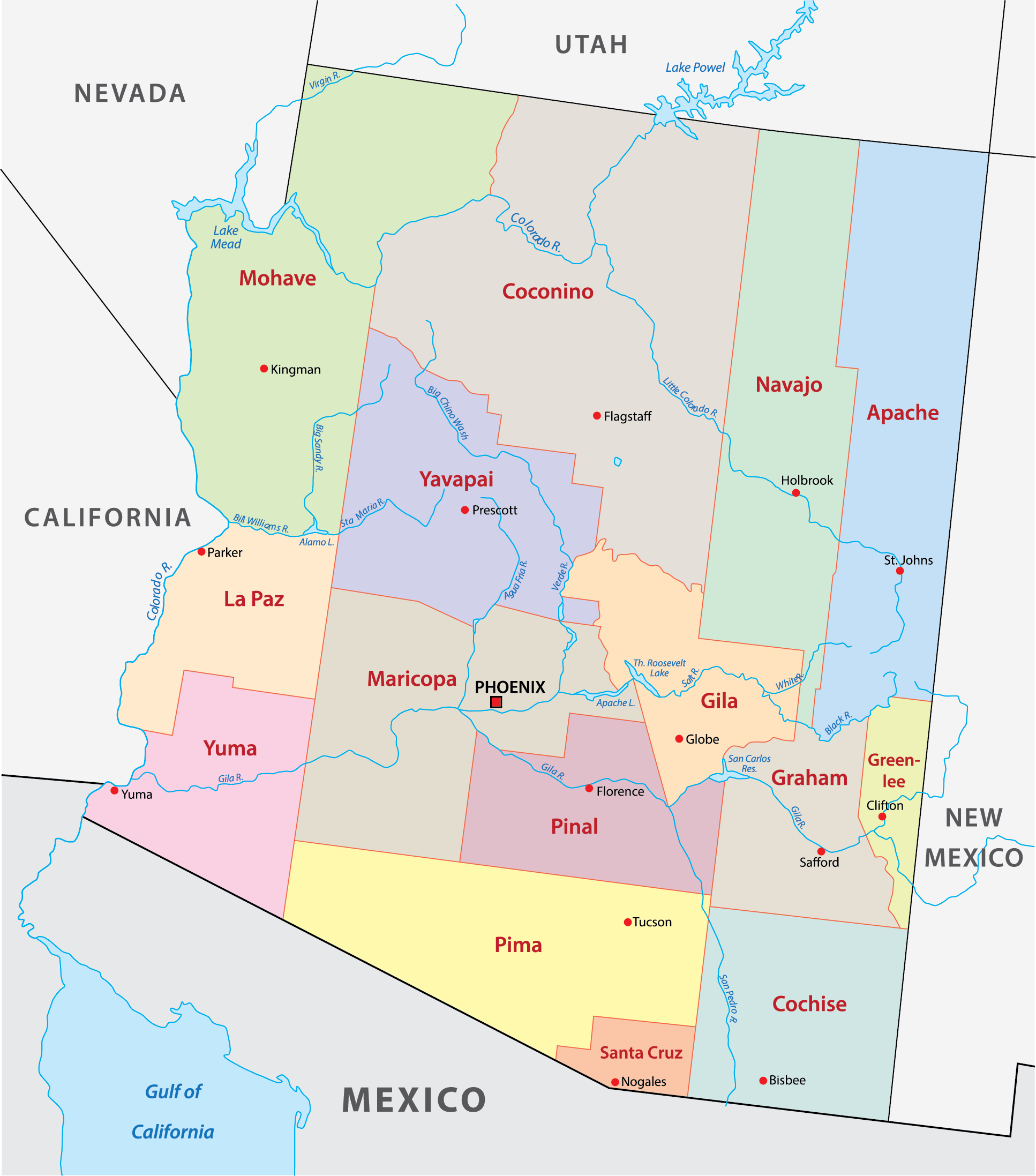
Arizona is divided into fifteen counties, each with its own distinct characteristics, history, and administrative seat. These divisions are not merely lines on a map; they represent historical boundaries, the development of communities, and the distribution of resources across the state. For travelers, recognizing these county lines can offer a more nuanced understanding of the places they visit, providing context for local attractions, regional cuisines, and the distinct cultural flavors that emerge from different parts of Arizona.

A Brief Overview of Arizona’s Fifteen Counties
Each of Arizona’s fifteen counties offers a unique slice of the state’s diverse appeal. From the bustling metropolises to the serene desert expanses, understanding the geography of these counties can enhance any travel itinerary.
-
Apache County: Known for its Native American heritage and the stunning Petrified Forest National Park, Apache County is a gateway to the colorful badlands and ancient cultures of northeastern Arizona. Its landscape is dominated by mesas, canyons, and the Navajo Nation.
-
Cochise County: In the southeastern corner of Arizona, Cochise County is steeped in Wild West history, home to iconic towns like Tombstone and Bisbee, and the majestic Chiricahua National Monument. This county offers a blend of frontier lore and dramatic geological formations.
-
Coconino County: The largest county in Arizona by area, Coconino County encompasses the breathtaking Grand Canyon National Park, the high-altitude forests of Flagstaff, and the ancient cliff dwellings of Montezuma Castle National Monument. It’s a prime destination for outdoor adventure and natural beauty.
-
Gila County: Nestled in central Arizona, Gila County is characterized by its rugged mountain ranges, historic mining towns like Globe, and the serene beauty of the Salt River watershed. It offers opportunities for hiking, fishing, and exploring its rich mining past.
-
Graham County: Located in southeastern Arizona, Graham County is known for its agricultural heritage, the historic Fort Grant, and proximity to the Pinal Mountains. The Gila River flows through this county, supporting fertile valleys.
-
Greenlee County: The easternmost county in Arizona, Greenlee County is largely defined by its mining industry, particularly copper. The San Francisco River flows through its scenic, mountainous terrain.
-
La Paz County: Situated in western Arizona along the Colorado River, La Paz County is a popular destination for water sports, desert exploration, and historic sites like Parker. It borders California and offers a distinct desert-river environment.
-
Maricopa County: This is Arizona’s most populous county and home to the state capital, Phoenix, as well as other major cities like Scottsdale and Mesa. It is the economic and cultural heart of Arizona, boasting world-class resorts, dining, and entertainment.
-
Mohave County: Extending across northwestern Arizona, Mohave County is famed for Lake Mead, Lake Havasu City with its famous London Bridge, and the historic Route 66 towns. The Colorado River forms a significant part of its western border.
-
Navajo County: Sharing its name with the largest Native American tribe in the United States, Navajo County in northeastern Arizona is home to Holbrook, the gateway to the Petrified Forest National Park, and the Wupatki National Monument. It offers a deep dive into ancestral Native American history and landscapes.
-
Pima County: This southern Arizona county is centered around the vibrant city of Tucson. It is renowned for its rich cultural heritage, the stunning desert landscapes of the Sonoran Desert, and the Saguaro National Park. The county also boasts significant archaeological sites and a thriving arts scene.
-
Pinal County: Located in central Arizona between Phoenix and Tucson, Pinal County is a region of agricultural significance and growing communities. It includes areas like Florence and Casa Grande, offering a blend of desert scenery and developing urban centers.
-
Santa Cruz County: The smallest county in Arizona by area, Santa Cruz County in the south is a region of immense historical and cultural significance, bordering Mexico. Its county seat is Nogales, a bustling border town known for its vibrant markets and Mexican influence.
-
Yavapai County: Occupying the geographical heart of Arizona, Yavapai County is a diverse region featuring the historic city of Prescott, the stunning red rocks of Sedona, and the cool ponderosa pine forests of the Bradshaw Mountains. It offers a compelling mix of history, natural beauty, and outdoor recreation.
-
Yuma County: Located in southwestern Arizona, Yuma County is known as the “Sand Dune Capital of the World” and is a significant agricultural producer, particularly of lettuce and dates. The Colorado River forms its western boundary with California.
Navigating Arizona Through Its Counties: A Traveler’s Perspective
Understanding Arizona’s county structure is more than just an exercise in geography; it’s a valuable tool for planning your travels and uncovering the authentic essence of each region. By recognizing which county you’re exploring, you gain immediate insights into the types of attractions, the local culture, and the historical narratives that define that specific area.
How County Divisions Enhance Travel Planning
When you are planning a trip to Arizona, knowing the county can help you pinpoint your destination more effectively. For instance, if you’re drawn to the dramatic landscapes of the Grand Canyon, you’ll know you’re heading to Coconino County. If your interest lies in the Wild West history of Tombstone, that places you squarely in Cochise County. This geographical awareness allows for more focused research into local accommodations, dining options, and unique activities specific to that county.
Beyond major attractions, county divisions can also guide you towards hidden gems. A quick search for “things to do in Pima County” might reveal lesser-known trails in the Sonoran Desert or intimate art galleries in Tucson that you might otherwise miss. Similarly, exploring “events in Maricopa County” will direct you to the vast array of cultural festivals, sporting events, and concerts happening in the Phoenix metropolitan area.
Experiencing Regional Flavors and Cultures by County
Arizona’s diverse geography, from the high desert to the mountain forests, has fostered distinct regional cultures and culinary traditions, often delineated by county lines. Traveling through Apache County, for instance, offers an immersion into the rich heritage of the Navajo people, with opportunities to experience traditional crafts, art, and cuisine. In contrast, a journey through Pima County will introduce you to the vibrant flavors of Tucson, celebrated for its authentic Mexican and Southwestern culinary scene, recognized by UNESCO as a City of Gastronomy.
The historical development of Arizona is also closely tied to its county structure. Mining towns in counties like Gila and Greenlee retain a distinct frontier spirit and architecture. Historic Route 66 towns in Mohave County offer a nostalgic glimpse into mid-20th-century Americana. Understanding these historical contexts, often county-specific, adds depth to your exploration and allows for a more profound appreciation of the state’s past.
Beyond the Numbers: The Significance of Each Arizona County
Each of Arizona’s fifteen counties is a unique destination in itself, offering a tapestry of experiences for every type of traveler. Whether you are seeking adventure in the rugged wilderness, cultural immersion in historic towns, or relaxation in luxurious resorts, understanding the county you are visiting will unlock a richer and more personalized journey.
Discovering Attractions by County
When planning your next adventure in Arizona, consider using county designations as a guide to discover specific attractions. For example, if you’re a nature enthusiast, research the national parks and monuments within Coconino County (like the Grand Canyon and Wupatki National Monument) or the geological wonders of Cochise County (such as Chiricahua National Monument).
For history buffs, exploring the ghost towns and frontier settlements in counties like Yavapai (with Prescott and its historic Whiskey Row) or Cochise (with Tombstone) will offer a captivating glimpse into Arizona’s past. If urban exploration is more your style, Maricopa County provides a wealth of museums, art galleries, and entertainment venues in and around Phoenix.
Planning Your Itinerary Through County Landscapes
To truly appreciate Arizona’s diversity, consider an itinerary that traverses multiple counties. You could begin in the vast desert landscapes of Pima County, marveling at the saguaros in Saguaro National Park, then journey north to the cooler pine forests of Yavapai County for hiking and exploring Sedona’s red rock country.
A cross-state exploration could take you from the historic border town of Nogales in Santa Cruz County to the lakeside recreation of Lake Havasu City in Mohave County. Each transition between counties offers a noticeable shift in scenery, climate, and local character, making for a dynamic and rewarding travel experience. By acknowledging and leveraging the administrative divisions of Arizona’s counties, travelers can unlock a more comprehensive and deeply engaging understanding of this remarkable state.
LifeOutOfTheBox is a participant in the Amazon Services LLC Associates Program, an affiliate advertising program designed to provide a means for sites to earn advertising fees by advertising and linking to Amazon.com. Amazon, the Amazon logo, AmazonSupply, and the AmazonSupply logo are trademarks of Amazon.com, Inc. or its affiliates. As an Amazon Associate we earn affiliate commissions from qualifying purchases.