
Texas, a state that has long been a Republican stronghold, presents a compelling case study in American political dynamics. The question of whether Donald Trump will win Texas in a future election is multifaceted, influenced by demographic shifts, evolving political landscapes, and the enduring appeal of his populist message within the state. This analysis delves into the key factors shaping the electoral calculus in the Lone Star State, examining historical trends, contemporary challenges, and the potential pathways to victory or vulnerability for any Republican candidate, particularly one with Trump’s distinctive brand of politics.
The Enduring Republican Dominance in Texas
For decades, Texas has reliably voted Republican in presidential elections. This dominance is rooted in a confluence of historical, cultural, and economic factors. The state’s conservative ethos, often associated with individual liberty, lower taxes, and a strong emphasis on law and order, resonates deeply with a significant portion of the electorate. This has been particularly true for the white working class and rural communities, who have historically formed the bedrock of the Republican base.
Historical Electoral Trends
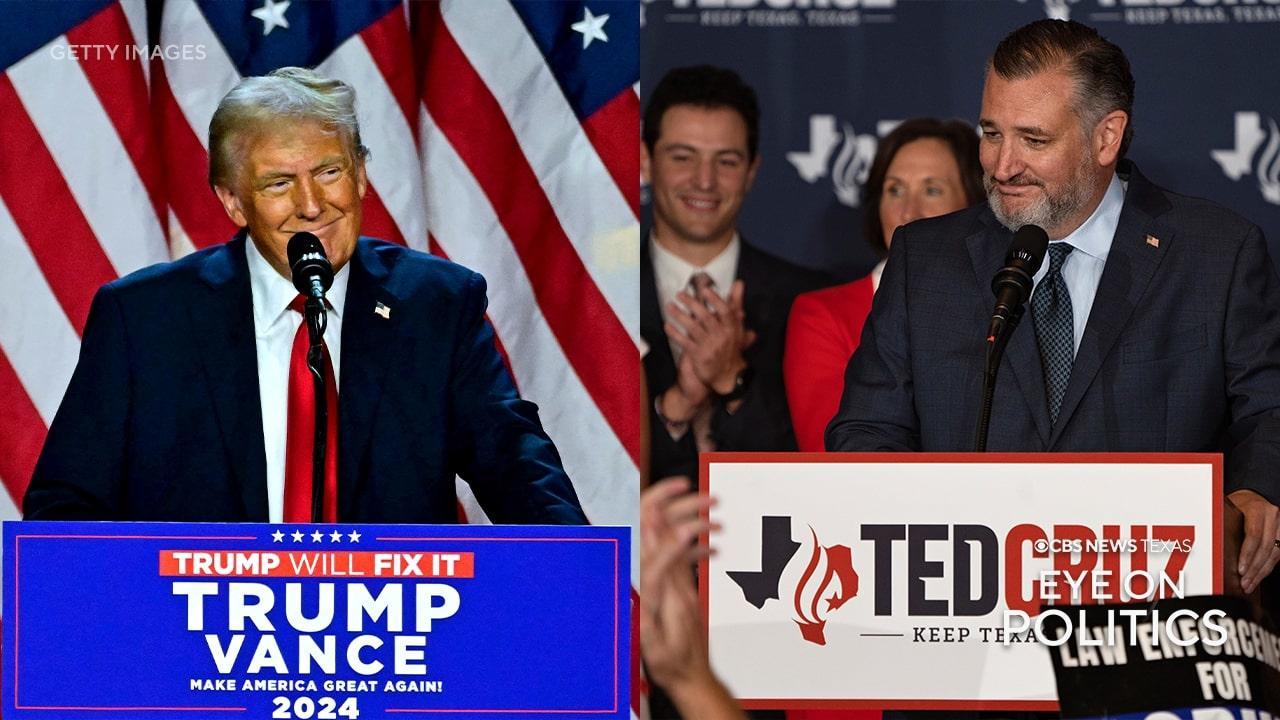
Since Ronald Reagan in 1980, no Democratic presidential candidate has carried Texas. This streak underscores the state’s steadfast allegiance to the Republican Party. Even in years when Democrats have achieved national success, Texas has remained red. This is not to say that the state is monolithic. Urban centers like Houston, Dallas, and Austin have increasingly trended Democratic, reflecting the growing diversity and more liberal political leanings of their populations. However, the sheer size and conservative nature of the state’s exurban and rural areas have historically offset these urban shifts, ensuring Republican victories.
The Role of Conservative Ideology
The prevailing political ideology in Texas often aligns with the tenets of conservatism. This includes a strong belief in free markets, limited government intervention, and traditional values. These principles are deeply embedded in the state’s identity and are actively promoted by influential conservative media outlets and political organizations. For a candidate like Donald Trump, whose political platform often champions deregulation, border security, and a rejection of what he terms “liberal elites,” these conservative ideals provide fertile ground. His rallies in Texas have consistently drawn large, enthusiastic crowds, demonstrating a tangible connection with a segment of the electorate that feels their values are under threat from national progressive movements.
Demographic Shifts and Their Electoral Impact
While Texas has been reliably Republican, its demographic profile is undergoing significant transformations. These changes are beginning to reshape the political landscape and present both opportunities and challenges for the Republican Party, and specifically for a figure like Donald Trump.
The Growing Hispanic Electorate
One of the most significant demographic trends in Texas is the rapid growth of the Hispanic population. This group is a crucial swing demographic, and their increasing numbers mean that their voting patterns will have an outsized impact on future elections. Historically, many Hispanic voters have leaned Democratic. However, recent trends suggest a growing segment of this population is becoming more receptive to Republican messaging, particularly on issues such as economic opportunity, religious freedom, and border security. Donald Trump has made efforts to court this demographic, focusing on themes of job creation and a strong national identity. The success of these efforts will be a key determinant of his electoral prospects in Texas.
Urbanization and Suburban Evolution
The ongoing urbanization of Texas and the political evolution of its suburbs are also critical factors. As major metropolitan areas continue to expand, they attract a more diverse and often more liberal populace. Simultaneously, the suburbs, once a reliably Republican territory, are becoming more competitive. In Texas, suburbs surrounding cities like Dallas, Houston, and San Antonio have seen an influx of new residents, many of whom do not share the traditional conservative values that have long defined the state. This shift could make it more challenging for a Republican candidate to maintain the broad coalition of support needed to win statewide, even in a state accustomed to Republican victories.
The Youth Vote and Educational Attainment
Another demographic trend to consider is the growing influence of younger voters and those with higher educational attainment. These groups tend to be more progressive and are often more engaged with issues such as climate change, social justice, and economic inequality. As Texas becomes younger and more educated, particularly in its urban and suburban cores, the traditional Republican appeal might face headwinds. Donald Trump’s political style and policy proposals may not resonate as strongly with these emerging voter blocs, potentially leading to a more fractured electorate.
Donald Trump’s Appeal and Challenges in Texas
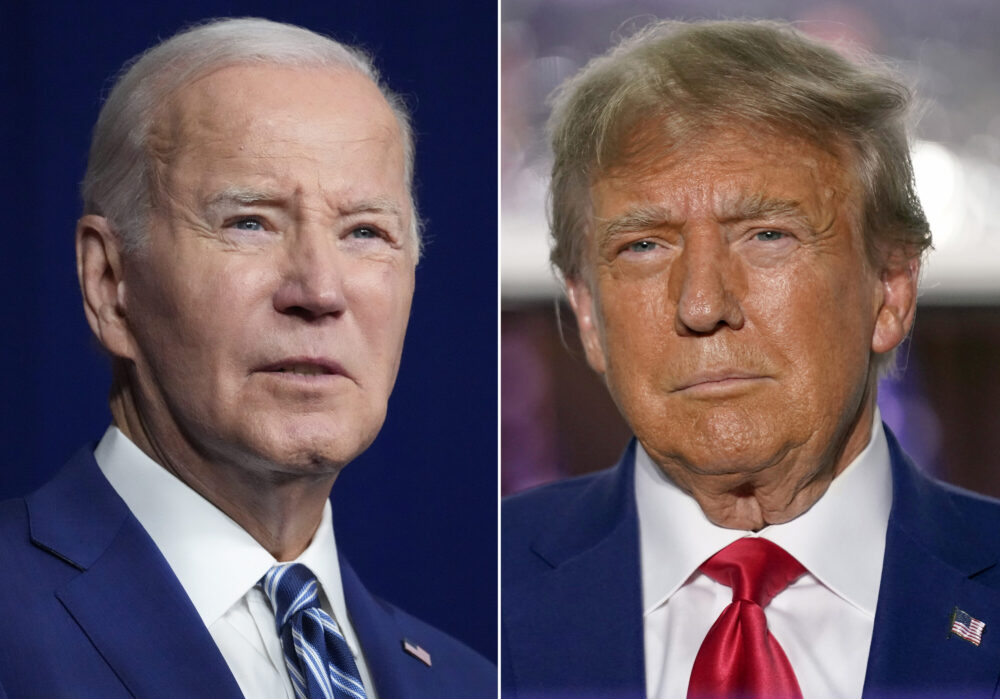
Donald Trump possesses a unique political brand that elicits strong reactions, both positive and negative, across the American political spectrum. In Texas, his appeal is rooted in a potent combination of factors, but he also faces distinct challenges.
The “America First” Message and Populist Resonance
Trump’s “America First” platform, with its emphasis on economic nationalism, stricter immigration policies, and a challenge to established political norms, has found a receptive audience in Texas. His populist appeal, which positions him as an outsider fighting for the forgotten men and women of America, resonates with many Texans who feel left behind by globalization and economic shifts. His direct communication style and willingness to confront political correctness have also endeared him to a segment of the electorate that craves authenticity and a departure from traditional political discourse. The energy at his rallies, often held in smaller towns or rural areas, demonstrates his ability to mobilize a dedicated base of supporters.
Key Issues for Texas Voters
Several key issues are paramount for Texas voters, and Trump’s positioning on these issues will be critical.
Border Security
Given Texas’s long border with Mexico, border security is a perennially important issue. Donald Trump’s signature promise to build a wall and his tough stance on immigration have historically appealed to a significant portion of the Texas electorate. This issue often unites conservative voters and provides a strong rallying point for Republican candidates.
Economic Policy and Energy
Texas is an economic powerhouse, heavily reliant on its energy sector. Trump’s pro-fossil fuel policies and his promises to deregulate industries align well with the economic priorities of many in the state. His focus on job creation and bringing back manufacturing also taps into a desire for economic prosperity.
Cultural Conservatism and Social Issues
For many Texas voters, cultural and social issues remain important. Trump’s alignment with conservative positions on issues such as abortion, religious freedom, and gun rights often solidifies his support among evangelical Christians and other socially conservative groups who form a crucial part of the Republican coalition.
Potential Vulnerabilities
Despite his strong base, Donald Trump is not without vulnerabilities in Texas. His polarizing rhetoric and past controversies have alienated some voters, including moderate Republicans and independents. The increasing diversity of the state means that a strategy solely reliant on energizing the traditional Republican base may not be sufficient. Furthermore, a significant portion of the electorate, particularly in urban and suburban areas, may be looking for a less divisive figure or a different policy approach. The sheer scale of Texas also means that mobilizing voters effectively across such a vast and varied state requires sophisticated campaign operations, which can be a challenge for any candidate.
Conclusion: A Contested but Potentially Winnable Landscape
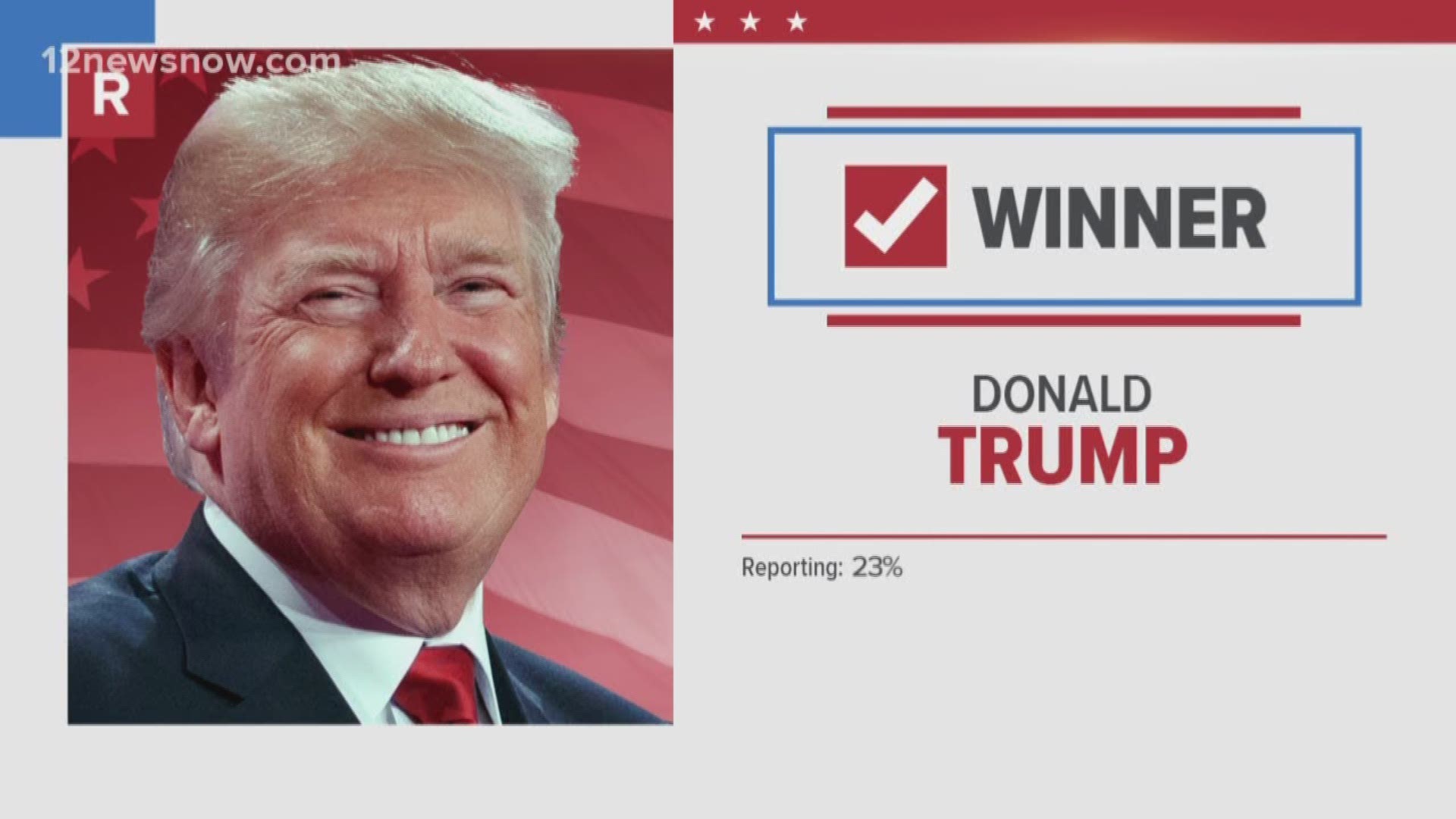
The question of whether Donald Trump will win Texas in a future election is not a simple yes or no. The state remains a Republican stronghold, and Trump’s populist appeal and strong base of support give him a significant advantage. However, the demographic shifts, particularly the growing Hispanic electorate and the evolving nature of suburban communities, present undeniable challenges.
Ultimately, the outcome will likely depend on a complex interplay of factors: the strength of his opponent, the effectiveness of his campaign’s mobilization efforts, and his ability to appeal beyond his core base to a broader coalition of Texas voters. While historical precedent suggests a Republican victory is probable, the changing face of Texas ensures that no electoral outcome can be taken for granted. The state’s political future, and therefore the question of whether Trump can win it, remains a dynamic and closely watched phenomenon.
LifeOutOfTheBox is a participant in the Amazon Services LLC Associates Program, an affiliate advertising program designed to provide a means for sites to earn advertising fees by advertising and linking to Amazon.com. Amazon, the Amazon logo, AmazonSupply, and the AmazonSupply logo are trademarks of Amazon.com, Inc. or its affiliates. As an Amazon Associate we earn affiliate commissions from qualifying purchases.