
Navigating the compensation landscape for registered nurses (RNs) in Arizona is a crucial endeavor for both aspiring and established professionals. The Grand Canyon State offers a diverse range of healthcare settings, from bustling urban centers like Phoenix and Tucson to more remote communities, each with its own economic drivers and salary expectations. Understanding the factors that influence an RN’s earning potential is key to career planning and negotiation. This article delves into the average salaries, influential variables, and future outlook for registered nurses practicing in Arizona.
Understanding Registered Nurse Salaries in Arizona
The base salary for a registered nurse in Arizona is influenced by a multitude of factors, including experience, education, specialty, and geographical location within the state. While national averages provide a benchmark, the cost of living and the demand for specific nursing skills in different Arizona regions play a significant role in determining actual compensation.

Average Salary Benchmarks
On average, registered nurses in Arizona can expect to earn a competitive salary. According to various industry surveys and data aggregators, the mean annual wage for RNs in Arizona typically falls within a range that reflects the state’s economic standing and healthcare industry growth. This average often hovers around the mid-$70,000s to low-$80,000s annually. However, it is vital to recognize that this is a broad average, and individual salaries can deviate substantially. For instance, an entry-level RN with an Associate’s Degree in Nursing (ADN) will likely earn less than an experienced RN with a Bachelor of Science in Nursing (BSN) and a specialized certification.
Factors Influencing RN Compensation
Several key elements directly impact how much a registered nurse makes in Arizona:
- Experience Level: This is arguably the most significant determinant of salary. RNs with extensive experience, often exceeding 10 years, command higher salaries due to their accumulated knowledge, advanced clinical skills, and proven track record. Entry-level nurses, while valuable, typically start at a lower pay scale and see incremental increases with each year of service.
- Education and Certifications: While an ADN is sufficient to become licensed as an RN in Arizona, many employers increasingly prefer or require a BSN for advanced roles or higher compensation. Furthermore, specialized certifications in areas such as critical care, oncology, or emergency nursing can significantly boost earning potential. These certifications demonstrate a commitment to specialized knowledge and patient care excellence.
- Specialty and Practice Area: The demand for nurses in specific specialties directly correlates with salary. High-demand areas like intensive care units (ICUs), operating rooms (ORs), emergency departments (EDs), and specialized surgical units often offer higher pay rates than general medical-surgical floors. Nurses with skills in critical care, neonatology, or trauma response are particularly sought after.
- Geographic Location: Salaries can vary considerably between major metropolitan areas and rural parts of Arizona. For example, RNs working in Phoenix, Scottsdale, or Tucson might see higher average salaries due to a greater concentration of large hospitals and a higher cost of living. Conversely, salaries in smaller towns or more remote regions of Arizona might be slightly lower, although this can sometimes be offset by signing bonuses or relocation assistance.
- Type of Healthcare Facility: The setting in which an RN practices also influences pay. Large, non-profit hospital systems, such as those affiliated with Banner Health or Mayo Clinic, may offer different compensation packages compared to smaller community hospitals, private physician practices, or long-term care facilities. For-profit hospitals might also have different pay structures.
- Shift Differentials and Overtime: Many healthcare facilities offer shift differentials for nurses working less desirable hours, such as nights, weekends, or holidays. Overtime pay, often at time-and-a-half the regular rate, can also substantially increase an RN’s overall annual income.
Salary Ranges by Experience and Specialty
To provide a more granular view, consider these illustrative salary ranges for RNs in Arizona:
- Entry-Level RNs (0-2 years experience): Typically earn between $60,000 and $70,000 annually.
- Mid-Level RNs (3-7 years experience): Can expect salaries in the $70,000 to $85,000 range.
- Experienced RNs (8+ years experience): Salaries can often exceed $85,000, with highly specialized and experienced nurses potentially earning well over $100,000 annually.
Specialty pay can add an additional layer to these figures. For instance, a Certified Registered Nurse Anesthetist (CRNA) or a Nurse Practitioner (NP) in Arizona, while often requiring advanced degrees beyond a basic RN license, can earn significantly more, often in the six-figure range. Even within the RN scope, specialized roles like a Neonatal Intensive Care Unit (NICU) nurse or a Cardiovascular Intensive Care Unit (CVICU) nurse are likely to be compensated at the higher end of the spectrum.
The Economic Landscape of Nursing in Arizona
The demand for registered nurses in Arizona remains robust, driven by a growing population, an aging demographic, and advancements in medical technology. This sustained demand creates a favorable employment market for RNs and contributes to competitive salary offerings.
Demand and Job Outlook
Arizona is experiencing significant population growth, which directly translates to increased demand for healthcare services. As the Grand Canyon State’s population expands, so does the need for qualified healthcare professionals, including registered nurses. Furthermore, the aging baby boomer generation requires more healthcare interventions, further fueling the need for RNs across various specialties. Projections from the U.S. Bureau of Labor Statistics and state-level labor departments indicate that nursing is a consistently growing field, with Arizona anticipated to see a healthy job growth rate for RNs in the coming years. This favorable outlook suggests that RNs will continue to have ample employment opportunities and strong negotiating power regarding their compensation.
Cost of Living Considerations
While salaries in Arizona are competitive, it’s essential to consider the cost of living when evaluating earning potential. Major metropolitan areas like Phoenix and its surrounding suburbs, including Scottsdale, have a higher cost of living, particularly regarding housing, compared to more rural areas. However, these areas also tend to offer higher salaries to compensate for these expenses. It is advisable for nurses to research the specific cost of living in their desired Arizona location to accurately gauge the purchasing power of their salary. For example, a salary of $80,000 in Phoenix might feel comparable in real terms to $70,000 in a smaller town with a lower cost of living.
Benefits and Additional Compensation
Beyond the base salary, registered nurses in Arizona often receive a comprehensive benefits package that adds significant value to their overall compensation. These benefits can include:
- Health Insurance: Comprehensive medical, dental, and vision coverage for the nurse and often their dependents.
- Retirement Plans: 401(k) or 403(b) plans, often with employer matching contributions.
- Paid Time Off (PTO): Generous vacation days, sick leave, and paid holidays.
- Continuing Education Support: Reimbursement for tuition, professional development courses, or conference attendance.
- Life and Disability Insurance: Policies to protect the nurse and their family.
- Signing Bonuses and Relocation Assistance: Often offered for hard-to-fill positions or to attract nurses to specific locations.
- Loan Repayment Programs: Some employers or government initiatives may offer programs to assist with student loan debt.
When evaluating job offers, it is crucial for RNs to consider the total compensation package, including the value of these benefits, not just the base salary.
Career Advancement and Earning Potential
The nursing profession offers numerous pathways for career advancement, each of which can lead to increased earning potential in Arizona.
Pathways to Higher Salaries
Registered nurses in Arizona can enhance their earning capacity through several strategic career moves:
- Pursuing Advanced Degrees: Obtaining a Master of Science in Nursing (MSN) or a Doctor of Nursing Practice (DNP) can open doors to advanced practice roles such as Nurse Practitioner (NP), Certified Nurse Midwife (CNM), Clinical Nurse Specialist (CNS), or Certified Registered Nurse Anesthetist (CRNA). These roles typically come with significantly higher salaries.
- Specialization and Certifications: As mentioned earlier, acquiring certifications in high-demand specialties is a direct route to higher pay. Maintaining these certifications and actively seeking new ones demonstrates a commitment to professional growth and specialization.
- Management and Leadership Roles: With experience, RNs can transition into roles such as Nurse Manager, Director of Nursing, or Chief Nursing Officer. These positions involve greater responsibility, including staff supervision, budget management, and strategic planning, and are compensated accordingly.
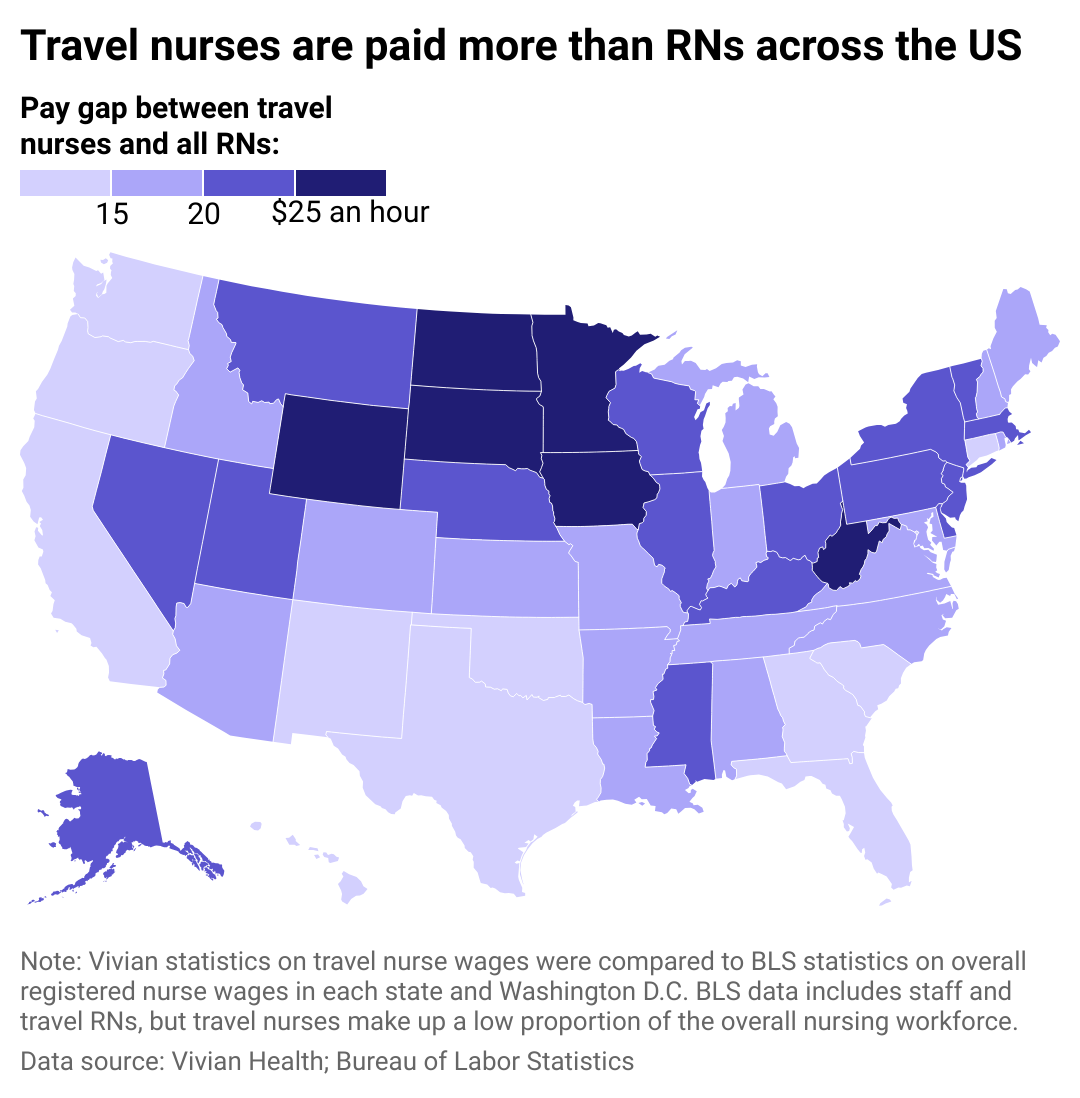
- Travel Nursing: Arizona is a popular destination for travel nurses, who often command higher hourly rates and receive stipends for housing and living expenses. While the assignments are temporary, travel nursing can be a lucrative way to gain diverse experience and earn substantial income.
- Per Diem and Agency Nursing: Working on a per diem (as-needed) basis or through a nursing agency can offer flexibility and higher hourly rates compared to traditional full-time employment, particularly during periods of high demand.

Future Trends and Salary Projections
The future of nursing salaries in Arizona appears promising. The ongoing demand for healthcare services, coupled with a recognized shortage of nurses in certain areas, is likely to keep salaries competitive and potentially drive them higher. Technological advancements, such as telemedicine and electronic health records, are also reshaping the nursing landscape and may create new roles or require nurses to acquire new skills, which could be reflected in compensation. Furthermore, legislative efforts aimed at addressing nurse staffing ratios and improving working conditions could indirectly influence salary structures. As Arizona continues to grow and its healthcare system evolves, the earning potential for dedicated and skilled registered nurses is expected to remain strong.
In conclusion, registered nurses in Arizona have a strong earning potential that is shaped by a combination of personal qualifications, career choices, and market dynamics. By understanding these factors and strategically planning their career paths, RNs can maximize their income and achieve their professional and financial goals within the vibrant healthcare environment of the Grand Canyon State.
LifeOutOfTheBox is a participant in the Amazon Services LLC Associates Program, an affiliate advertising program designed to provide a means for sites to earn advertising fees by advertising and linking to Amazon.com. Amazon, the Amazon logo, AmazonSupply, and the AmazonSupply logo are trademarks of Amazon.com, Inc. or its affiliates. As an Amazon Associate we earn affiliate commissions from qualifying purchases.