
When travelers ask about the current temperature in Hawaii, they are often seeking more than just a number on a thermometer. They are looking for the promise of the “Endless Summer,” a climate where the trade winds provide a cooling breeze against the tropical sun. Generally, the temperature in the United States youngest state remains remarkably consistent, hovering between the mid-70s and mid-80s Fahrenheit year-round. However, because of the archipelago’s unique geography, the answer to “what is the temperature?” can vary significantly depending on whether you are standing on a sun-drenched beach in Waikiki or trekking through the sub-arctic heights of Mauna Kea.
Understanding the Hawaiian climate requires a look at its two primary seasons, its diverse microclimates, and the powerful influence of the Pacific Ocean. Whether you are planning a trip to Oahu, Maui, Kauai, or the Big Island, knowing what to expect from the mercury is essential for a seamless travel experience.
Seasonal Variations and the Two Hawaiian Seasons
While most of the world operates on a four-season calendar, Hawaii recognizes only two: Kau (summer) and Hooilo (winter). Kau typically runs from May to October, while Hooilo spans from November to April. Despite these distinctions, the temperature shift between the two is relatively minor compared to the continental United States.
The Warmth of Kau (Summer)
During the summer months, the average daytime temperature at sea level is approximately 85°F (29.4°C). The sun is direct, and the humidity can rise, but the consistent northeasterly trade winds act as nature’s air conditioning. These winds are crucial; without them, the tropical heat can feel oppressive. In the summer, the “right now” temperature in popular coastal hubs like Honolulu or Kona rarely fluctuates more than a few degrees, providing perfect conditions for beach activities and water sports.
The Mildness of Hooilo (Winter)
Winter in the islands is hardly “cold” by any standard. The average daytime temperature drops to about 78°F (25.5°C). The evenings are where the difference is most felt, as temperatures can dip into the upper 60s. This season also brings more frequent rainfall, particularly on the windward (northeast) sides of the islands. However, even during the rainy season, storms are often localized and brief. If it is raining “right now” in one spot, a ten-minute drive usually reveals clear blue skies.
The Impact of Trade Winds
The trade winds are a defining feature of the Hawaiian climate. These winds blow from the northeast and are responsible for keeping the air fresh and the temperatures manageable. When the trade winds die down—a phenomenon often associated with “Kona Weather”—the humidity rises, and the air becomes still and heavy. This is also when volcanic smog, or “vog,” from the volcanoes on the Big Island can drift toward the other islands, slightly raising the perceived temperature.
Island-by-Island Temperature Guide
Each island in the chain has its own personality and, consequently, its own weather patterns. When checking the temperature “right now,” it is vital to specify your destination, as the conditions in Lihue might be entirely different from those in Hilo.
Oahu: The Gathering Place
On Oahu, most visitors congregate on the leeward side in Honolulu. This area is protected by the mountain ranges, making it one of the driest and warmest spots on the island. If you are visiting landmarks like Pearl Harbor or hiking Diamond Head, expect plenty of sunshine and temperatures near the daily high. The North Shore, famous for its massive winter swells, can be slightly cooler and windier, especially during the peak surf months of December and January.
Maui: The Valley Isle
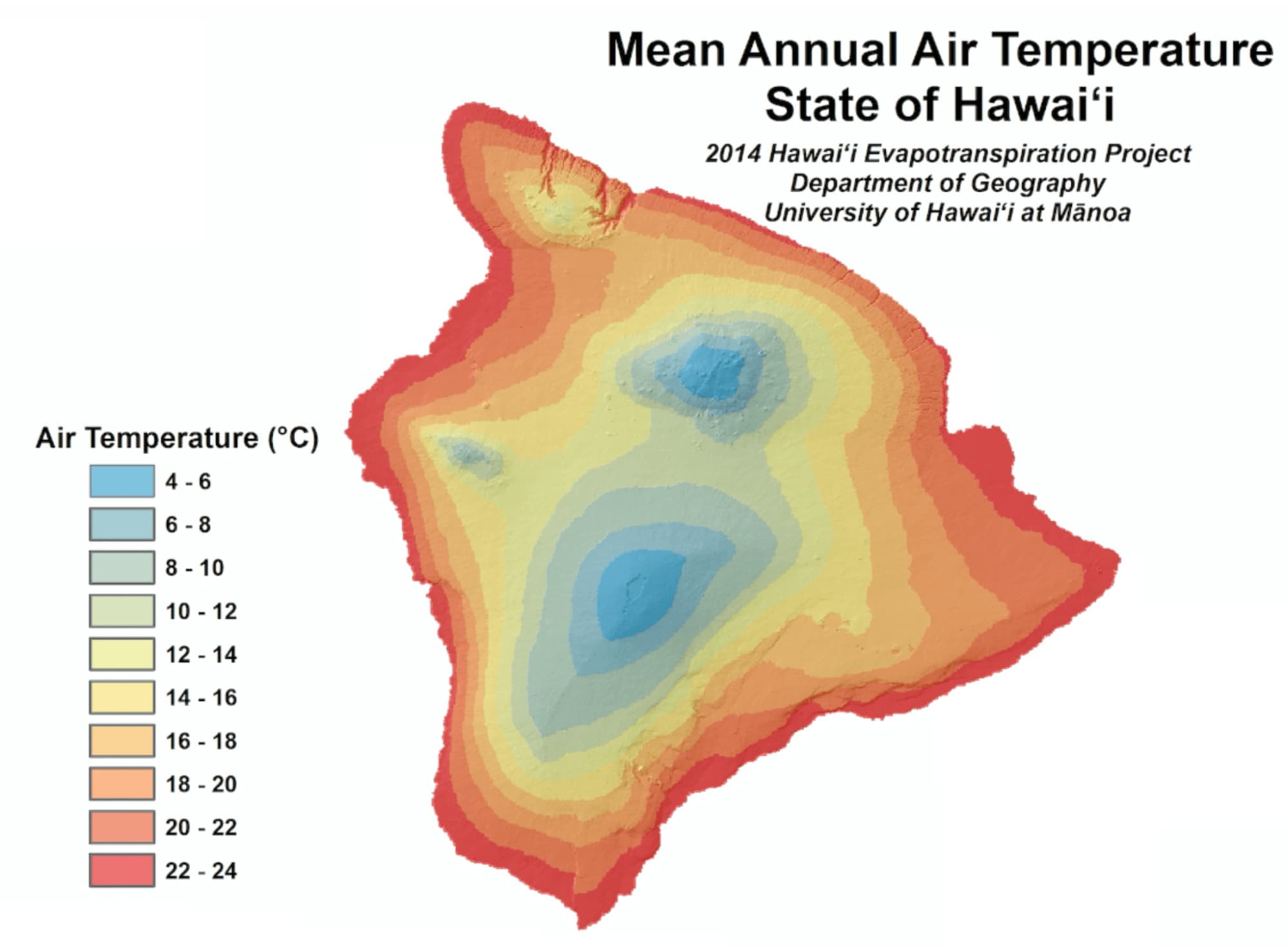
Maui offers some of the most dramatic temperature shifts. While the coastal resorts in Kaanapali and Wailea enjoy standard tropical warmth, the interior of the island tells a different story. If you plan to visit Haleakala National Park to catch the sunrise, the temperature at the summit can be 30 to 40 degrees colder than at sea level. It is not uncommon for the summit to reach freezing temperatures while people are swimming in the ocean just a few miles away. Meanwhile, the lush Road to Hana on the eastern side stays humid and warm, often accompanied by passing tropical showers.

Kauai: The Garden Isle
As the oldest and northernmost of the main islands, Kauai is famously lush. This greenery is fueled by rain, particularly in the interior mountains like Mount Waialeale. Coastal areas like Poipu on the south shore remain sunny and warm, while Princeville on the north shore tends to be slightly cooler and more prone to rain. The temperature on Kauai is often moderated by its heavy vegetation, making it feel slightly fresher than the more urbanized parts of Oahu.
The Big Island: A Continent in Miniature
The Big Island contains 4 out of the 5 major climate zones found on Earth. This means the temperature “right now” depends entirely on your coordinates. Kona is typically hot and dry, perfect for coffee plantations and beach days. Conversely, Hilo is one of the wettest cities in the United States, keeping the air moist and the temperatures slightly lower. For the ultimate contrast, the peaks of Mauna Kea and Mauna Loa frequently see snow during the winter months, offering the rare opportunity to see snow in the tropics.
Water Temperatures and Ocean Conditions
For many travelers, the “temperature” that matters most is that of the ocean. Unlike the Atlantic or the northern Pacific coasts, Hawaii enjoys warm water year-round.
Swimming and Snorkeling
The average ocean temperature in Hawaii stays between 76°F (24.4°C) and 80°F (26.6°C). In the summer, the water is calm and warm, making it ideal for snorkeling at spots like Hanauma Bay or Molokini Crater. The water temperature is so stable that most swimmers do not need a wetsuit for casual activities.
Seasonal Surf Impacts
While the water temperature remains relatively constant, the “feel” of the water changes with the seasons. In the winter, large swells generated by storms in the North Pacific hit the northern shores. While the water isn’t necessarily colder, the increased movement and spray can make the coastal air feel brisker. If you are heading to the Banzai Pipeline to watch the surfers, you might want a light windbreaker despite the “warm” water temperature.
Packing and Preparation for Hawaii’s Climate
Because the temperature in Hawaii is so consistent, packing is generally straightforward, but there are nuances that many travelers overlook. The key to navigating the islands’ weather is layering.
Daytime Essentials
For a typical day at the beach or exploring a town like Lahaina, lightweight, breathable fabrics are essential. Linen and cotton are preferred over synthetics that can trap heat. Since the sun is exceptionally strong due to Hawaii proximity to the equator, UV-protective clothing and high-SPF sunscreen are more than just suggestions—they are necessities.
Elevation and Evening Wear
If your itinerary includes a trip to the Waimea Canyon or any of the mountain summits, you must pack for much colder temperatures. A fleece or a light puffer jacket is essential for high-altitude excursions. For evening dining at resorts in Kapalua or Princeville, a light sweater or pashmina is often needed as the trade winds can feel quite cool after the sun goes down.
Rain Protection
Rain in Hawaii is often seen as a blessing (it’s why there are so many rainbows!), but it can catch a traveler off guard. A compact, breathable rain shell is useful if you are hiking in the Manoa Valley or visiting the Akaka Falls State Park. Most “right now” rain showers in Hawaii pass within minutes, so heavy-duty waterproof gear is rarely necessary unless you are doing multi-day treks.
Conclusion: Finding Your Perfect Temperature
Whether it is 82°F and sunny in Honolulu or a crisp 50°F on the slopes of Haleakala National Park, the temperature in Hawaii is almost always conducive to adventure. The “right now” temperature is less about the season and more about your location on the island. By understanding the interplay between the trade winds, the mountains, and the sea, you can find your own perfect slice of paradise. Hawaii remains one of the few places on earth where the weather is a constant invitation to step outside and explore the natural world. Regardless of when you visit, the warmth of the islands—both in climate and in the “Aloha Spirit”—is guaranteed to be waiting for you.
LifeOutOfTheBox is a participant in the Amazon Services LLC Associates Program, an affiliate advertising program designed to provide a means for sites to earn advertising fees by advertising and linking to Amazon.com. Amazon, the Amazon logo, AmazonSupply, and the AmazonSupply logo are trademarks of Amazon.com, Inc. or its affiliates. As an Amazon Associate we earn affiliate commissions from qualifying purchases.