
Understanding the minimum wage in Arizona is crucial for both employees and employers, impacting everything from personal budgeting for residents to operational costs for businesses throughout the state. This fundamental economic indicator shapes the landscape of work and compensation for a significant portion of the Grand Canyon State‘s workforce.
The Current Arizona Minimum Wage Landscape
Arizona has its own minimum wage law, which is separate from the federal minimum wage. This means that the state rate can be higher than the federal rate, and employers must adhere to the higher of the two. For many years, Arizona has been proactive in raising its minimum wage, often outpacing federal adjustments.

State vs. Federal Minimum Wage
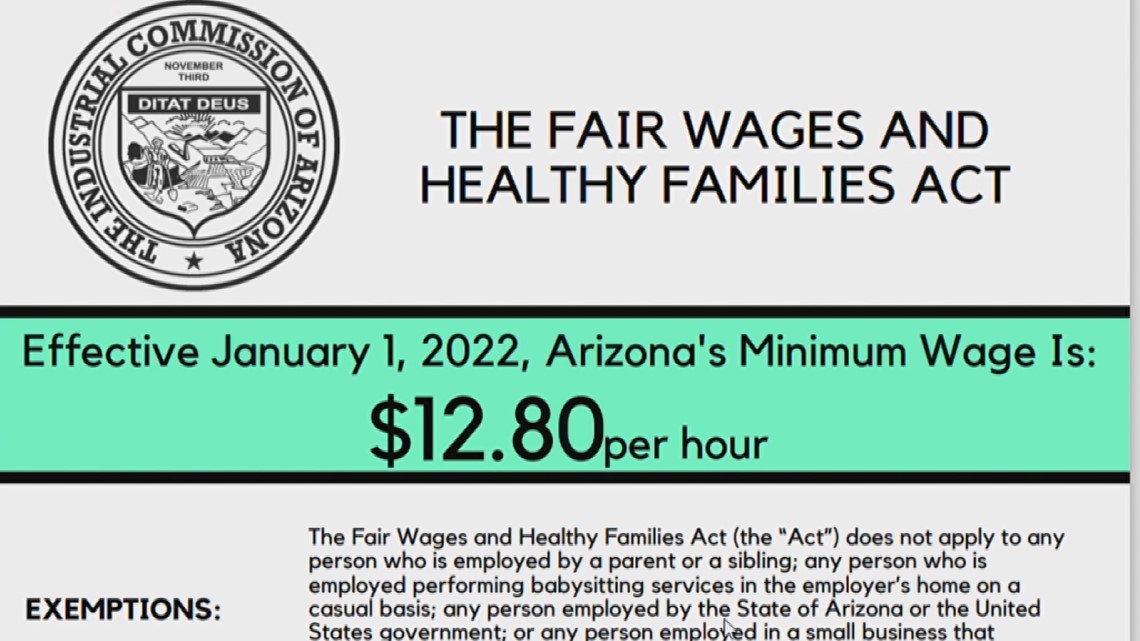
The federal minimum wage currently stands at $7.25 per hour. However, Arizona has established its own minimum wage, which has been progressively increasing. As of January 1, 2023, the minimum wage in Arizona is set at $13.85 per hour for all employers. This rate applies across the state, with no differentiation based on the size of the business, unlike some other states that have different rates for large and small employers.
It’s important to note that this rate is subject to annual adjustments based on inflation. This means that the minimum wage in Arizona is not static and is likely to see incremental increases in future years, aiming to keep pace with the rising cost of living. These adjustments are typically announced and implemented at the beginning of each calendar year.
Minimum Wage for Tipped Employees
A distinct category for minimum wage applies to employees who customarily and regularly receive more than $30 per month in tips. For these tipped employees, Arizona has a lower base wage, with the expectation that tips will bring their total earnings up to at least the standard minimum wage.
As of January 1, 2023, the minimum wage for tipped employees in Arizona is $10.85 per hour. This is a cash wage, and employers can only pay this lower rate if the employee’s tips, when added to the cash wage, equal or exceed the standard minimum wage of $13.85 per hour. If an employee’s tips combined with the cash wage do not reach the standard minimum wage, the employer is obligated to make up the difference. This provision ensures that tipped workers in Arizona are guaranteed to earn at least the full minimum wage for all hours worked.
Historical Trends and Future Projections
The minimum wage in Arizona has seen significant growth over the past decade. This upward trend is largely a result of voter-approved initiatives and legislative actions aimed at providing a living wage for more residents. Understanding these historical movements provides context for the current rates and helps in anticipating future changes.
The Path to Higher Wages
In 2006, Arizona voters approved Proposition 202, which established a statewide minimum wage and a mechanism for annual adjustments. This initiative marked a significant step towards increasing the baseline earnings for many workers. Since then, the minimum wage has been raised incrementally. For instance, it rose from $7.30 in 2007 to $7.60 in 2008, and continued its upward trajectory.
More recently, ballot measures have continued to push the minimum wage higher. For example, voters approved Proposition 205 in 2016, which called for a phased increase in the minimum wage, reaching $12 per hour by 2020 and then continuing to rise with inflation. This has been a key driver behind the current rates.
Inflation Adjustments and Their Impact
The inclusion of inflation adjustments in Arizona’s minimum wage law is a critical component. This mechanism, often tied to the Consumer Price Index (CPI), ensures that the purchasing power of the minimum wage does not erode over time due to inflation. As the cost of goods and services increases, the minimum wage also rises, helping to maintain a more stable standard of living for low-wage workers.
For example, if inflation in a given year is 3%, the minimum wage will likely increase by a similar percentage the following year. This dynamic adjustment process is designed to provide a more equitable and sustainable wage floor. The exact percentage of increase is determined by the U.S. Bureau of Labor Statistics’ CPI data for the relevant period.
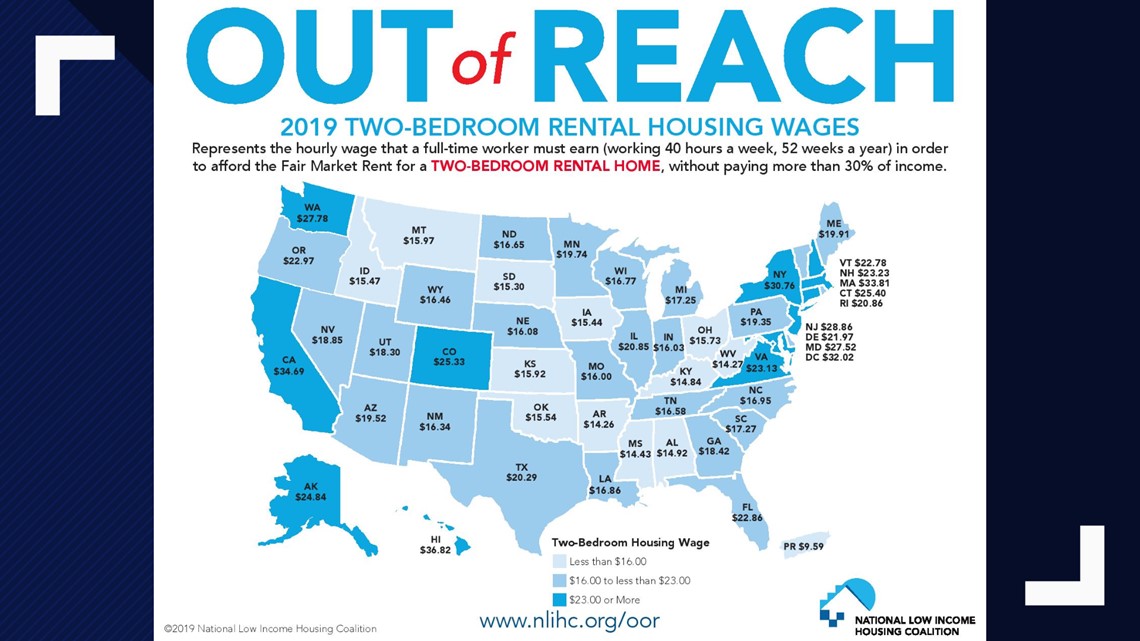
Local Variations: Minimum Wage in Arizona Cities
While Arizona has a statewide minimum wage, some of its larger cities have, in the past, enacted ordinances that established a higher minimum wage within their municipal boundaries. This created a patchwork of minimum wage requirements across the state, with employers in certain cities needing to comply with a rate higher than the state minimum.
The Impact of Home Rule on Local Wages
The concept of “home rule” in Arizona grants cities the authority to manage their own affairs, including the ability to set their own minimum wage. This has led to cities like Flagstaff, Tucson, and others to implement minimum wage rates that were higher than the statewide standard. For instance, Flagstaff had one of the highest municipal minimum wages in the state, with rates that progressively increased based on the size of the employer.
However, it is crucial to note that there have been legal challenges and legislative actions at the state level that have sought to preempt or limit the ability of cities to set their own minimum wages. In 2019, Governor Doug Ducey signed a bill that prevented cities and counties from establishing their own minimum wage rates that were higher than the state minimum wage. This preemptive legislation effectively standardized the minimum wage across Arizona, overriding any existing or future higher municipal rates. Therefore, as of the current regulations, the statewide minimum wage applies to all employers in Arizona, regardless of the city or county in which they operate. This simplifies compliance for businesses operating in multiple municipalities within the state.
Considerations for Employers and Employees
Understanding the minimum wage is not just about knowing the dollar amount; it involves recognizing its implications for various stakeholders in the Arizona economy.
Employer Responsibilities and Compliance
Businesses operating in Arizona are legally obligated to pay their employees at least the minimum wage. This includes accurately tracking hours worked and ensuring that the total compensation, including any applicable tips for tipped employees, meets the statutory requirements. Employers must also be aware of any state or federal laws that might mandate higher wages for specific occupations or under certain contracts.
Failure to comply with minimum wage laws can result in significant penalties, including back pay, fines, and legal fees. It is advisable for employers to stay informed about any changes to minimum wage laws and to consult with legal counsel or HR professionals to ensure full compliance. Posting the official minimum wage poster in a conspicuous place where employees can see it is also a requirement.
Employee Rights and Resources
For employees, knowing the minimum wage is a fundamental aspect of understanding their rights and ensuring they are being fairly compensated. If an employee believes they are not being paid the correct minimum wage, they have avenues for seeking recourse.
The Arizona Attorney General’s Office, specifically the Civil Rights Division or the Wage and Hour Unit, is typically the state agency responsible for enforcing wage and hour laws. Employees can file complaints with this office, which will then investigate the alleged violations. Additionally, employees may have the right to pursue private legal action to recover unpaid wages. Resources are available to help employees understand their rights, including fact sheets and contact information on the official Arizona government websites.
The Broader Economic Impact
The minimum wage is more than just a number; it’s a policy tool that has far-reaching consequences for the Arizona economy, affecting poverty rates, consumer spending, and business competitiveness.
Poverty Reduction and Consumer Spending
Raising the minimum wage is often seen as a strategy to reduce poverty and income inequality. By increasing the earnings of low-wage workers, it can provide them with greater financial stability, enabling them to meet basic needs and improve their quality of life. This increased disposable income can also lead to higher consumer spending, which can stimulate economic growth within the state. When more people have more money to spend on goods and services, businesses can see increased demand, potentially leading to job creation.
Business Costs and Employment Levels
Conversely, an increase in the minimum wage directly raises labor costs for businesses, particularly those that employ a large number of low-wage workers. Businesses may respond to these increased costs in various ways, such as by raising prices for consumers, reducing staff hours, automating tasks, or, in some cases, reducing their workforce. The extent to which minimum wage hikes impact employment levels is a subject of ongoing economic debate and research, with studies yielding varying conclusions depending on the specific context and methodology. For a state like Arizona, with a diverse economy ranging from tourism in cities like Phoenix and Scottsdale to agriculture and technology, the impact can vary across different sectors and regions.
LifeOutOfTheBox is a participant in the Amazon Services LLC Associates Program, an affiliate advertising program designed to provide a means for sites to earn advertising fees by advertising and linking to Amazon.com. Amazon, the Amazon logo, AmazonSupply, and the AmazonSupply logo are trademarks of Amazon.com, Inc. or its affiliates. As an Amazon Associate we earn affiliate commissions from qualifying purchases.