
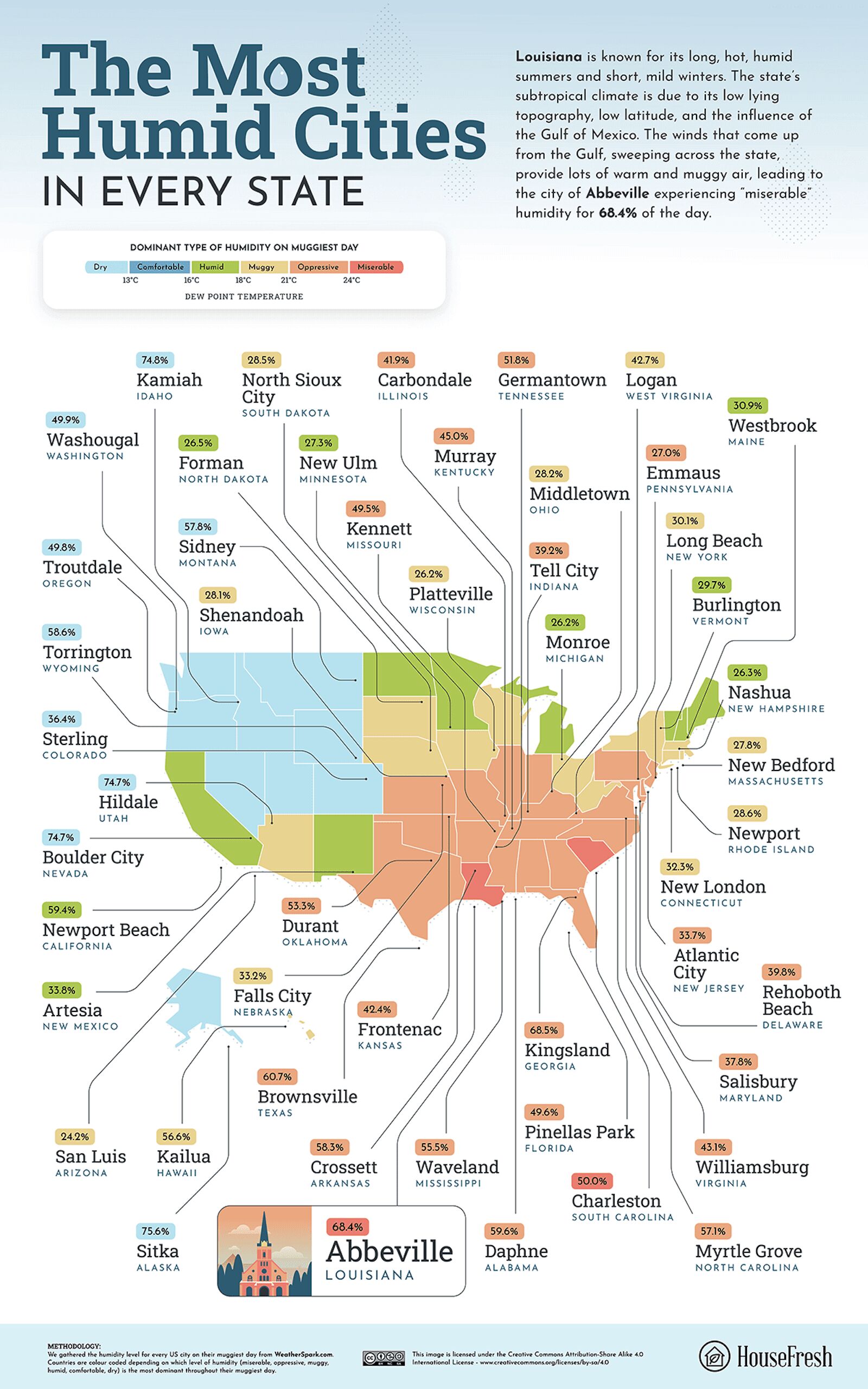
Arizona, a state renowned for its sun-drenched landscapes, vast deserts, and iconic red rocks, is often perceived as synonymous with dryness. However, the question of humidity in Arizona is more nuanced than a simple yes or no. Understanding the state’s diverse microclimates and seasonal variations is key to appreciating its atmospheric conditions, particularly for travelers planning a visit. This exploration delves into the reality of humidity across Arizona, offering insights for those seeking to make informed travel decisions.
Understanding Arizona’s Arid Climate
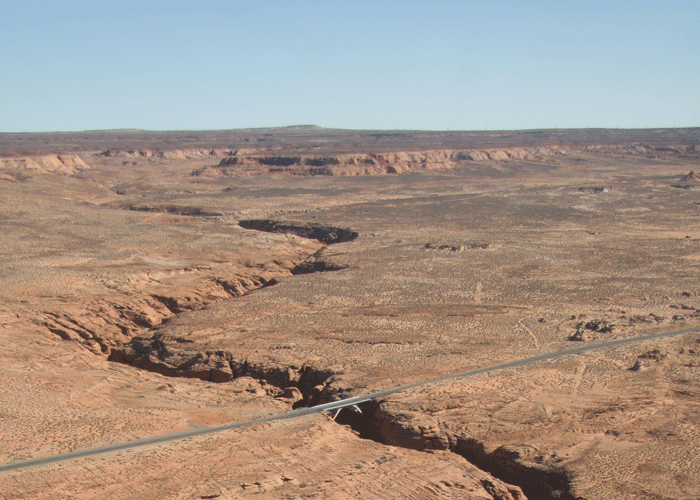
Arizona’s geographical location and topography contribute significantly to its characteristically dry climate. Situated in the southwestern United States, much of the state falls within the Sonoran Desert, one of North America’s most iconic arid regions. Deserts are defined by their low precipitation and consequently, low humidity. The intense solar radiation heats the land surface, causing rapid evaporation of any available moisture, which then rises and often dissipates before it can contribute to significant humidity.
The Role of Elevation and Topography
While the deserts dominate the popular image of Arizona, the state’s landscape is far from uniform. Elevation plays a critical role in moderating temperature and humidity. The northern and eastern parts of Arizona feature high-elevation plateaus and mountain ranges, such as the White Mountains and the Mogollon Rim. These cooler, higher areas can experience more moisture in the air compared to the scorching desert valleys. Furthermore, the presence of large bodies of water, though scarce, can create localized pockets of increased humidity.
Seasonal Shifts in Humidity
Arizona’s humidity levels are not static; they fluctuate considerably with the seasons. The driest periods typically coincide with spring and early summer, before the onset of the monsoon season. During these months, the relative humidity can plummet, leading to conditions that are ideal for outdoor activities but can also exacerbate dryness-related discomforts.
The Monsoons: Arizona’s Humid Season
Perhaps the most significant factor influencing humidity in Arizona is the annual North American Monsoon. Typically occurring from July through September, this weather phenomenon brings a dramatic shift in atmospheric conditions.
What is the Monsoon?
The North American Monsoon is characterized by a seasonal reversal of wind patterns, drawing moisture from the Gulf of California and the Pacific Ocean inland. This influx of humid air coll d with the hot desert air to create the conditions necessary for thunderstorms. These storms are a hallmark of the Arizona summer, often bringing dramatic lightning displays, heavy rainfall, and, importantly, a noticeable increase in humidity.
Humidity During Monsoon Season
During the monsoon, relative humidity levels can soar, especially in the afternoons and evenings. While the temperatures remain high, the increased moisture in the air can make the heat feel more oppressive, a phenomenon often described as “muggy.” This can be a stark contrast to the dry heat experienced during other times of the year. For visitors, this shift can be a significant factor in planning their activities and packing appropriately. Cities like Phoenix and Tucson, though desert cities, experience a palpable rise in humidity during this period.
Humidity Levels Across Arizona’s Regions
Arizona’s diverse geography means that humidity levels vary significantly from one region to another. Understanding these regional differences can be crucial for travelers.
Desert Regions: Phoenix, Tucson, and Yuma

In the southern and western desert regions, such as the areas around Phoenix, Tucson, and Yuma, humidity is generally very low for most of the year. Average relative humidity in the summer, outside of the monsoon, can be as low as 10-20% during the day. However, during the monsoon, these figures can spike to 50-70% or even higher during rainfall events. This contrast is significant; while the heat remains intense, the air’s moisture content changes dramatically.
High Desert and Plateau Regions: Flagstaff and Sedona
Higher elevation areas, such as Flagstaff and the red rock country of Sedona, experience different humidity patterns. While still considered arid to semi-arid, these regions benefit from cooler temperatures and can retain more moisture in the air, especially at higher altitudes. Even during the driest parts of the year, humidity in places like Flagstaff might be slightly higher than in the desert floor. During the monsoon, these areas also see an increase in humidity, though the overall temperatures are considerably cooler than in the southern deserts.
Mountainous Regions: White Mountains
The White Mountains in eastern Arizona, with their alpine forests and higher elevations, are the most likely places in the state to experience consistently higher humidity levels. These areas receive more precipitation overall and the cooler temperatures help to retain atmospheric moisture. While still not comparable to tropical climates, these regions offer a more temperate and less arid experience within Arizona.
Impact on Travel and Activities
The varying humidity levels in Arizona have a direct impact on the travel experience, influencing comfort, health, and the types of activities that are most enjoyable.
Comfort and Health Considerations
For visitors accustomed to more humid climates, the dry heat of Arizona, especially during the non-monsoon months, can be a pleasant surprise. However, extreme dryness can lead to dehydration, chapped lips, dry skin, and eye irritation. Staying hydrated by drinking plenty of water is paramount, regardless of the humidity level.
During the monsoon season, the increased humidity, combined with high temperatures, can lead to a sensation of oppressive heat. This can make strenuous outdoor activities less comfortable and increase the risk of heat-related illnesses. Travelers visiting during this period should adjust their schedules, focusing on indoor activities or early morning/late evening excursions.
Outdoor Recreation and Humidity
Arizona offers a wealth of outdoor activities, from hiking in Grand Canyon National Park to exploring the vibrant cityscapes of Phoenix.
-
Hiking and Camping: In the dry season, hiking in the desert can be very rewarding due to clear skies and manageable temperatures (outside of peak summer). However, the lack of humidity means that sweat evaporates quickly, making it harder to gauge hydration levels. In the monsoon season, hiking can be interrupted by sudden thunderstorms, which can pose a lightning hazard and make trails slick.
-
Water Activities: While Arizona is not known for its abundant lakes, places like Lake Powell and Lake Havasu offer opportunities for water sports. Humidity around these bodies of water might be slightly elevated compared to the surrounding arid land, but the primary experience is still dictated by the overall climate.
-
Sightseeing: The iconic sights of Arizona, such as the Grand Canyon, Antelope Canyon, and Monument Valley, are generally accessible year-round. However, the atmospheric conditions, influenced by humidity, can affect visibility. Dust storms, which are more common in dry conditions, can sometimes obscure distant views, while monsoon rains can lead to clearer, more vibrant skies after the storm passes.
Conclusion: A Diverse Climatic Tapestry
In conclusion, the question “Is Arizona Humid?” does not have a simple answer. While large swathes of the state, particularly its iconic desert regions, are characterized by very low humidity for much of the year, Arizona’s climate is far from monolithic. The dramatic arrival of the North American Monsoon transforms the atmospheric conditions, bringing a distinct period of elevated humidity from July to September. Furthermore, the state’s varied topography, from the scorching desert floor to the cooler, higher elevations of its mountains, creates a complex tapestry of humidity levels.
For travelers, understanding these variations is key to planning a comfortable and enjoyable trip. Whether seeking the dry, sunny allure of a desert spring or experiencing the dramatic thunderstorms of a monsoon summer, Arizona offers a dynamic climate that is as captivating as its landscapes. By being aware of the prevailing humidity and its seasonal shifts, visitors can better prepare themselves, ensuring that their Arizona adventure is a refreshing and memorable experience.
LifeOutOfTheBox is a participant in the Amazon Services LLC Associates Program, an affiliate advertising program designed to provide a means for sites to earn advertising fees by advertising and linking to Amazon.com. Amazon, the Amazon logo, AmazonSupply, and the AmazonSupply logo are trademarks of Amazon.com, Inc. or its affiliates. As an Amazon Associate we earn affiliate commissions from qualifying purchases.