
Florida, often lauded as the “Fishing Capital of the World,” offers unparalleled opportunities for anglers of all skill levels, from serene freshwater lakes to the vibrant saltwater ecosystems of its extensive coastline. Before casting your line into the abundant waters, understanding the process of acquiring a Florida fishing license is paramount. This guide provides a comprehensive overview, ensuring you’re legally prepared for your angling adventure in the Sunshine State.
Understanding Florida’s Fishing Regulations
Navigating the regulations is the first step toward responsible and legal fishing in Florida. The Florida Fish and Wildlife Conservation Commission (FWC) is the primary authority governing fishing licenses and rules across the state. Their regulations are designed to conserve aquatic resources while providing ample recreational opportunities.
Who Needs a License?
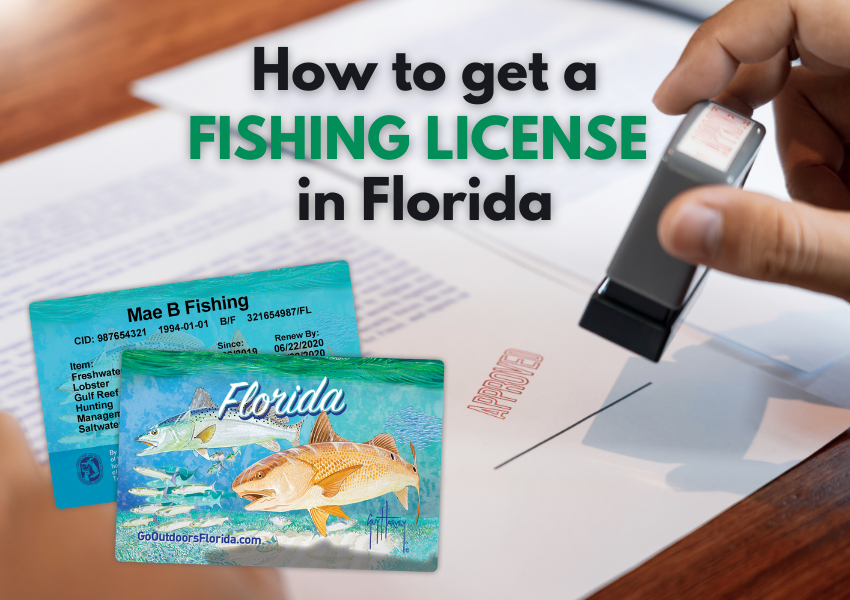
Generally, anyone aged 16 or older who intends to capture or attempt to capture freshwater or saltwater fish must possess a valid Florida fishing license. This applies whether you’re a resident or a non-resident. The license is personal and non-transferable. It’s crucial to understand that even if you’re not actively fishing but are assisting someone else, you may still need a license depending on the context. For instance, if you’re baiting a hook, netting a fish, or otherwise participating in the act of fishing, a license is likely required.
License Exemptions
While most anglers require a license, there are specific exemptions. Understanding these can save you time and money. Some common exemptions include:
- Children under 16 years of age: Individuals under this age are generally exempt from needing a license.
- Florida residents who are 65 or older: Residents born before June 1, 1931, are exempt. Residents 65 years or older can obtain a free Resident 65+ Hunt/Fish License, which serves as proof of exemption.
- Anglers fishing from a licensed pier: If you are fishing from a pier that has a valid pier saltwater fishing license, you are generally covered by that license. However, always confirm with the pier operator.
- People fishing on a for-hire vessel with a valid fishing license: If you charter a fishing boat or go on a party boat that possesses a valid vessel fishing license, you are typically covered while on that specific trip.
- Florida residents fishing in freshwater with certain gear: Residents using cane poles or similar passive gear in their home county may be exempt, but it’s always best to verify specific regulations for your area and gear type.
- Disabled Florida residents: Specific provisions exist for disabled residents; details can be found on the FWC website.
Freshwater vs. Saltwater
Florida distinguishes between freshwater and saltwater fishing. You will need separate licenses or a combination license that covers both.
- Freshwater Fishing License: Required for fishing in inland waters, including lakes, rivers, and ponds. This covers species like largemouth bass, panfish, and freshwater trout.
- Saltwater Fishing License: Required for fishing in coastal waters, bays, estuaries, and the Atlantic Ocean or Gulf of Mexico. This covers species such as snook, redfish, mahi-mahi, and snapper.
If you plan to fish in both environments, a “Saltwater/Freshwater Combination” license is usually the most convenient and cost-effective option.
Types of Florida Fishing Licenses
The FWC offers various license types tailored to residents and non-residents, with different validity periods and scope.
Resident Licenses
To qualify as a Florida resident for licensing purposes, you must be a U.S. citizen or legal alien who has resided in Florida for six continuous months prior to applying for a license and declare Florida as your primary state of residence.
Resident options often include:
- Annual Freshwater Fishing License: Valid for one year from the date of purchase.
- Annual Saltwater Fishing License: Valid for one year from the date of purchase.
- Annual Combination Freshwater/Saltwater Fishing License: Covers both for one year.
- Five-Year Freshwater or Saltwater Fishing Licenses: Available for a longer duration, often at a discounted cumulative rate.
- Lifetime Fishing Licenses: Available for residents, these cover fishing for the individual’s entire life and are a popular option for those committed to fishing in Florida long-term.
- Military Gold Sportsman’s License: Offered at a reduced rate to active duty and retired military residents.
Non-Resident Licenses
For visitors to Florida looking to enjoy its fishing opportunities, several non-resident license options are available:
- 3-Day Freshwater or Saltwater Fishing License: Ideal for short trips.
- 7-Day Freshwater or Saltwater Fishing License: Suitable for week-long vacations.
- Annual Freshwater or Saltwater Fishing License: For non-residents who visit Florida frequently or for extended periods.
- Annual Combination Freshwater/Saltwater Fishing License: The most comprehensive option for non-residents planning to fish in both types of waters for a year.
Special Permits and Endorsements
Beyond the basic fishing license, certain species or fishing methods require additional permits or endorsements:
- Snook Permit: Required to harvest snook in saltwater. This is an add-on to your saltwater license.
- Lobster Permit: Necessary for harvesting spiny lobster during the recreational season.
- Tarpon Tag: Required if you plan to keep a tarpon (catch and release is common and does not require a tag).
- Federal Atlantic Ocean recreational permits: For certain species in federal waters, additional federal permits may be necessary. Always check specific regulations for offshore fishing.
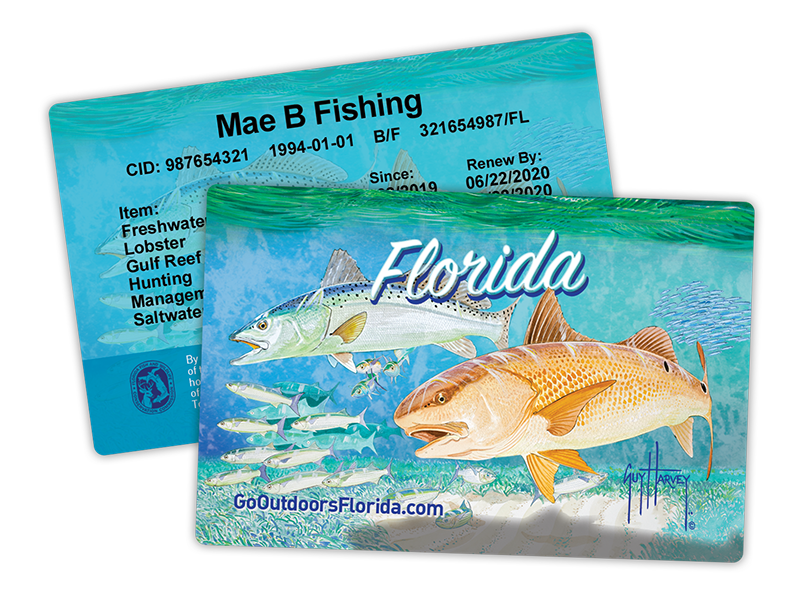
It is critical to research these endorsements based on the specific species you target and where you plan to fish. The FWC website is the definitive source for this information.
Where to Purchase Your License
Acquiring a Florida fishing license is a straightforward process, offering several convenient avenues.
Online
The easiest and most common method for purchasing a license is online through the official FWC licensing system.
- Visit the official GoOutdoorsFlorida.com website.
- You will need to create an account if you don’t already have one.
- Follow the prompts to select the desired license type (resident/non-resident, freshwater/saltwater, duration, and any required endorsements).
- Complete the purchase using a credit or debit card.
- Once purchased, you can print a copy of your license or store it digitally on your mobile device. You must have proof of your license while fishing.
In-Person Retailers
Many sporting goods stores, bait and tackle shops, and local tax collector’s offices across Florida are authorized to sell fishing licenses. This option is beneficial if you prefer face-to-face assistance or if you’re already at a fishing outfitter.
- Look for retailers displaying the “GoOutdoorsFlorida” logo or signage indicating they sell FWC licenses.
- Be prepared to provide identification and your residency details.
Over the Phone
You can also purchase a license by calling the FWC at their toll-free number. This is a good option if you have questions or prefer speaking to a representative directly.
- The number is typically available on the FWC website.
- Have your personal information and payment details ready.
Essential Information for Application
Regardless of how you choose to purchase your license, certain information and an understanding of fees are required.
Required Documentation
- Identification: A valid form of government-issued identification (e.g., driver’s license, state ID card, passport) will be needed.
- Proof of Residency: If applying for a resident license, you may need to provide proof of Florida residency. This could be your Florida driver’s license, a Florida voter registration card, or a utility bill with a Florida address, among others. The specific requirements are listed on the FWC website.
- Social Security Number: Your Social Security Number (SSN) is generally required for license purchases in accordance with state and federal laws related to child support enforcement.
Understanding Fees and Validity Periods
License fees vary significantly based on residency, license type (freshwater, saltwater, combination), duration (3-day, 7-day, annual, 5-year, lifetime), and any special endorsements. The FWC website provides a detailed fee schedule.
- Annual licenses are valid for 12 months from the date of purchase, not necessarily coinciding with the calendar year.
- Short-term licenses (3-day, 7-day) are valid for the specified number of consecutive days starting from the chosen effective date.
- Always check the current fee schedule as prices can be subject to change. Some vendors may also charge a small transaction fee.
Beyond the License: Responsible Florida Fishing
Obtaining your license is just the first step. Responsible angling practices ensure the sustainability of Florida’s incredible fisheries for generations to come.
Catch and Release Practices
Many anglers in Florida practice catch and release, especially for certain species or when limits are met. To maximize the survival rate of released fish:
- Minimize handling: Use wet hands or gloves to avoid removing the fish’s protective slime layer.
- Use appropriate gear: Circle hooks are highly recommended in saltwater as they typically hook fish in the jaw, reducing gut-hooking.
- Quick release: Unhook the fish quickly and release it gently back into the water.
- Revive tired fish: If a fish appears stressed, hold it gently in the water, facing into the current, until it swims away under its own power.
Size and Bag Limits
Florida has strict size and bag limits for most recreational fish species, both freshwater and saltwater. These limits are crucial for population management.
- Size limits: Ensure fish are mature enough to reproduce before being harvested.
- Bag limits: Restrict the number of fish an angler can keep per day.
- Possession limits: Often apply to the total number of fish an angler can possess, including those at home or in transit.
These limits can change seasonally and vary by region, especially for saltwater species. Always consult the most current regulations published by the FWC before each fishing trip. A downloadable version of the regulations is typically available, or you can pick up a physical copy at bait and tackle shops.
Conservation Efforts
Florida’s fishing future depends on the collective efforts of all anglers. By following regulations, participating in clean-up efforts, reporting violations, and supporting conservation initiatives, you contribute to preserving the state’s natural beauty and its rich aquatic biodiversity. Enjoy your time on the water, and fish responsibly!
LifeOutOfTheBox is a participant in the Amazon Services LLC Associates Program, an affiliate advertising program designed to provide a means for sites to earn advertising fees by advertising and linking to Amazon.com. Amazon, the Amazon logo, AmazonSupply, and the AmazonSupply logo are trademarks of Amazon.com, Inc. or its affiliates. As an Amazon Associate we earn affiliate commissions from qualifying purchases.