
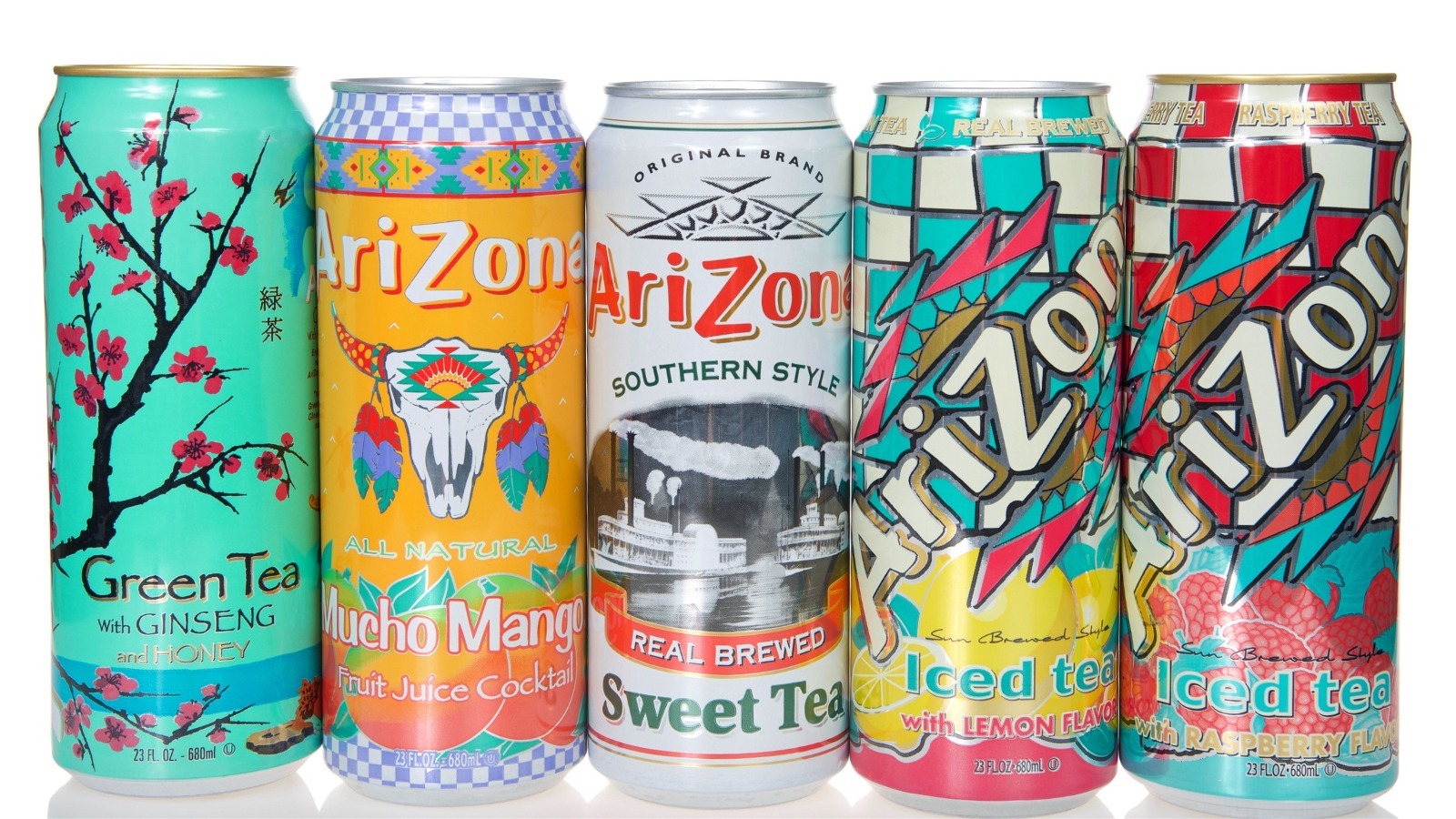
The iconic, brightly colored cans of Arizona Tea are a familiar sight, often found gracing convenience store shelves and picnic coolers across the globe. Marketed as a refreshing and often fruit-flavored beverage, Arizona Tea has carved out a significant niche in the beverage market, particularly appealing to those seeking a sweet, non-alcoholic option. However, as with many popular consumer products, questions about its healthfulness inevitably arise. This exploration delves into the ingredients, nutritional profile, and potential health implications of Arizona Tea, aiming to provide a comprehensive understanding for consumers.
Unpacking the Ingredients: Sugar, Sweeteners, and Beyond
At the heart of any discussion about the health impact of a beverage lies its ingredient list. Arizona Tea offers a diverse range of products, from classic iced teas to more elaborate blends featuring juices and exotic fruit flavors. While the exact composition varies by product, several common threads emerge, with sugar and artificial sweeteners being prominent.

The Sweetener Spectrum
Many Arizona Tea varieties are sweetened with high fructose corn syrup (HFCS) or granulated sugar. These caloric sweeteners contribute significantly to the beverage’s taste but also its calorie count and potential health drawbacks when consumed in excess. The body metabolizes these sugars, and a high intake can lead to weight gain, increased risk of type 2 diabetes, cardiovascular issues, and other metabolic disorders.
Beyond traditional sugars, some Arizona Tea products utilize artificial sweeteners. These non-caloric or low-calorie alternatives, such as sucralose or acesulfame potassium, offer sweetness without the added calories. While they can be a tool for reducing sugar intake, the long-term health effects and potential impact on gut microbiome diversity are subjects of ongoing scientific research and debate. Some studies suggest that artificial sweeteners may alter taste preferences, leading to increased cravings for sweet foods, while others have found no significant adverse effects when consumed in moderation.
Beyond the Sweetener: Other Key Components
Besides sweeteners, Arizona Tea formulations often include citric acid, which acts as a flavoring agent and preservative. While generally recognized as safe, excessive consumption of acidic beverages can potentially erode tooth enamel over time. Natural and artificial flavors are also standard, contributing to the wide array of taste profiles available. Depending on the specific product, consumers might find real fruit juices, herbal extracts, or other botanical ingredients, which can add certain micronutrients or antioxidants, though their contribution to the overall nutritional value is often minimal due to processing and the overwhelming presence of sugar.
Nutritional Breakdown: Calories, Sugar Content, and Micronutrients
A critical aspect of evaluating whether a beverage is “bad for you” involves examining its nutritional information. For Arizona Tea, the nutritional profile is largely dictated by its sweetener content and serving size.
Calorie Count and Sugar Load
A standard 23-ounce can of Arizona Green Tea with Ginseng and Honey, for instance, contains a substantial amount of sugar and calories. While the exact figures can fluctuate, it’s common to find upwards of 200-300 calories and 50-70 grams of sugar in a single serving. To put this into perspective, the American Heart Association recommends that men consume no more than 36 grams (9 teaspoons) of added sugar per day, and women no more than 25 grams (6 teaspoons). Consuming just one can of some Arizona Tea varieties can easily exceed these recommended daily limits, contributing significantly to daily caloric intake and sugar consumption. This high sugar load is a primary concern for health professionals.

Micronutrients and Antioxidants: A Secondary Benefit?
Many Arizona Tea products highlight ingredients like green tea, ginseng, or various fruit extracts, often implying health benefits due to antioxidants or vitamins. Green tea, for example, is known for its catechin content, which are powerful antioxidants. Ginseng is traditionally associated with boosting energy and cognitive function. However, the reality of these potential benefits within the context of a sugary beverage needs careful consideration.
While the presence of these ingredients is undeniable, their concentration and bioavailability in a highly processed and sweetened drink may be significantly diminished. Furthermore, the potential positive effects of these components are often counteracted by the negative impacts of high sugar and calorie content. For individuals seeking the pure health benefits of green tea or ginseng, consuming them in their less processed forms, such as brewed tea without added sugar or as supplements, is generally considered more effective and healthier. The “health halo” effect sometimes associated with these ingredients in sweetened beverages can be misleading, prompting consumers to believe they are making a healthier choice than they actually are.
Potential Health Implications: When Moderation is Key
The question of whether Arizona Tea is “bad for you” is not a simple yes or no answer. Like many food and beverage products, its impact on health is largely dependent on consumption patterns, individual health status, and the specific product chosen.
The Risks of Excessive Sugar Consumption
As previously highlighted, the most significant health concern associated with many Arizona Tea varieties is their high sugar content. Regular, excessive consumption of sugary beverages is consistently linked to a range of adverse health outcomes.
- Weight Gain and Obesity: The empty calories from sugary drinks contribute to a caloric surplus, promoting weight gain and increasing the risk of obesity, a gateway to numerous other health problems.
- Type 2 Diabetes: High sugar intake can lead to insulin resistance, a precursor to type 2 diabetes. The constant influx of sugar forces the pancreas to work overtime producing insulin, which can eventually lead to its depletion or reduced effectiveness.
- Cardiovascular Disease: Research indicates a correlation between high sugar consumption and increased risk factors for heart disease, including elevated blood pressure, unhealthy cholesterol levels, and inflammation.
- Non-Alcoholic Fatty Liver Disease (NAFLD): The liver metabolizes fructose, and excessive intake from sugary drinks can overwhelm this process, leading to fat accumulation in the liver.
- Dental Problems: The sugars in these beverages feed oral bacteria, which produce acids that erode tooth enamel, leading to cavities and other dental issues.
Navigating Artificial Sweeteners and Their Controversies
For those opting for Arizona Tea varieties sweetened with artificial sweeteners, the health conversation shifts. While these offer a way to reduce sugar and calorie intake, they are not without their own ongoing scientific scrutiny. Concerns include potential impacts on gut health, the alteration of sweetness perception, and the possibility of contributing to metabolic dysregulation in some individuals, despite being calorie-free. The long-term health implications of regular, high consumption of artificial sweeteners are still being actively researched, and varying individual responses are expected.
The Role of Portion Size and Frequency
It is crucial to consider not only what is in the beverage but also how much and how often it is consumed. A single can of Arizona Tea consumed occasionally as a treat is unlikely to have a significant detrimental impact on an otherwise healthy diet. However, for individuals who regularly consume multiple cans per day, or as their primary source of hydration, the cumulative effect of high sugar or artificial sweetener intake can be substantial.
For those who enjoy the taste and convenience of Arizona Tea, making informed choices and practicing moderation are key. Opting for “diet” or “zero sugar” varieties, while keeping the controversies surrounding artificial sweeteners in mind, can reduce sugar and calorie intake. Alternatively, exploring unsweetened versions or brewing one’s own iced tea at home, with the option to control the sweetness level, offers a healthier alternative for regular consumption. Ultimately, understanding the ingredients and nutritional content allows consumers to make more mindful decisions about incorporating such beverages into their diet.
LifeOutOfTheBox is a participant in the Amazon Services LLC Associates Program, an affiliate advertising program designed to provide a means for sites to earn advertising fees by advertising and linking to Amazon.com. Amazon, the Amazon logo, AmazonSupply, and the AmazonSupply logo are trademarks of Amazon.com, Inc. or its affiliates. As an Amazon Associate we earn affiliate commissions from qualifying purchases.