
When planning a trip to the middle of the Pacific Ocean, travelers often ask, “Is today a holiday in Hawaii?” While Hawaii observes all the standard federal holidays celebrated across the United States, the Aloha State also boasts a unique set of state-specific holidays that reflect its rich monarchical history and diverse cultural heritage. Understanding these dates is essential for any visitor, as they can influence everything from business hours and traffic patterns to the availability of vibrant local festivals and parades.
Understanding Hawaii’s Unique Holiday Calendar
For the casual observer, a holiday might simply mean a day off work, but in Hawaii, these dates are deeply rooted in the history of the Hawaiian Kingdom and the transition to statehood. Navigating the calendar requires a look at both the federal dates shared with the mainland and the specific days that belong only to the islands.
Prince Jonah Kuhio Kalanianaole Day
Observed on March 26th, Prince Jonah Kuhio Kalanianaole Day honors the birth of Prince Jonah Kuhio Kalanianaole, a figure of immense importance in local history. Known as the “Citizen Prince,” he served as a territorial delegate to the United States Congress and was instrumental in the passage of the Hawaiian Homes Commission Act.
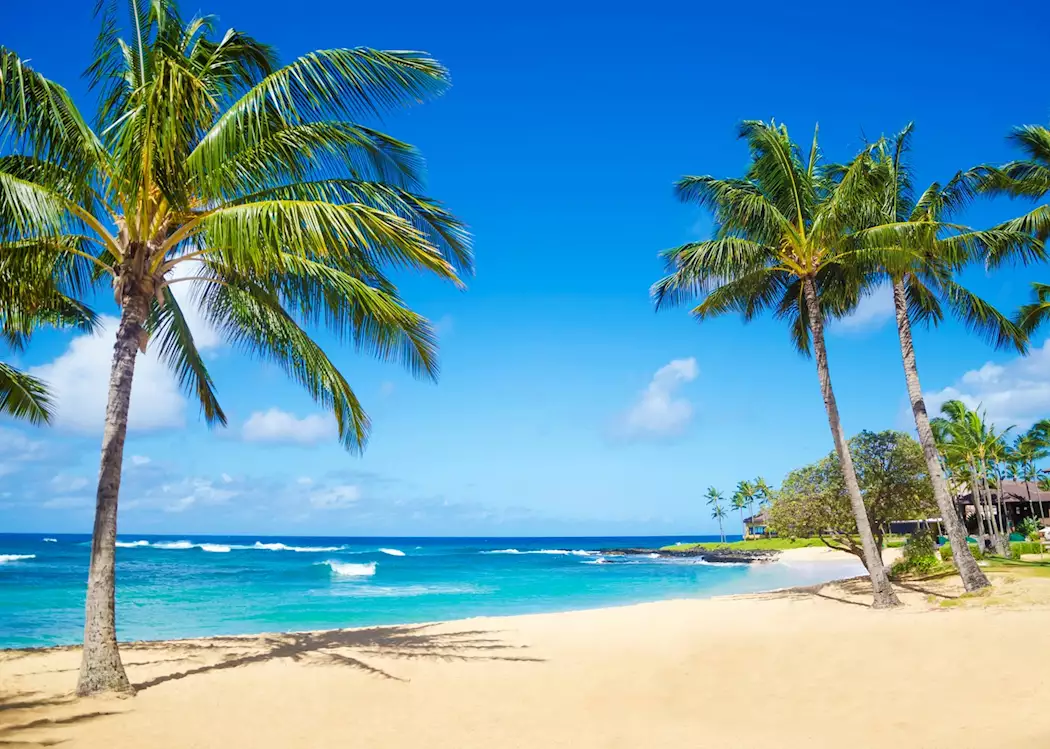
For tourists, this holiday often translates into community festivals, particularly on the island of Kauai, where the Prince was born, and in Honolulu. You may find canoe races, royal balls, and traditional Hawaiian chanting ceremonies. Most state and county offices are closed, but the spirit of the day is best experienced through the cultural displays that emphasize the resilience of the Native Hawaiian people.
King Kamehameha I Day
Perhaps the most visually stunning holiday in the islands is King Kamehameha I Day, celebrated on June 11th. Established by King Kamehameha V in 1871, this day honors King Kamehameha the Great, the monarch who unified the islands into a single kingdom.
The most iconic event associated with this day is the floral parade, which winds through Waikiki and down Kalakaua Avenue. The parade features pau riders—women on horseback wearing traditional long flowing skirts and elaborate flower leis representing each of the islands. Another significant tradition is the draping ceremony at the King Kamehameha Statue in front of Aliiolani Hale, where massive 13-foot-long flower leis are hoisted onto the statue’s arms.
Statehood Day
Observed on the third Friday in August, Statehood Day commemorates the admission of Hawaii as the 50th state of the union in 1959. While it is a state holiday resulting in closures for government buildings and some schools, it is generally quieter in terms of public celebrations compared to the monarchical holidays. For visitors, this is a day where local parks and beaches like Ala Moana Beach Park become hubs for local families enjoying a long weekend, making it a great time to witness modern Hawaii lifestyle.
How Holidays Impact the Local Tourism Experience
While holidays bring celebrations, they also bring logistical shifts that can impact your travel itinerary. Whether you are staying on Oahu, Maui, or the Big Island, knowing what to expect regarding crowds and services is key to a smooth trip.
Crowds and Local Traffic
On major holidays, especially those that create three-day weekends, local residents flock to popular recreation spots. Landmarks like Diamond Head State Monument or the North Shore of Oahu may see significantly higher traffic. If “today” is a holiday, expect the beaches at Waikiki Beach or Hanauma Bay to fill up much earlier than usual.
Traffic patterns also shift. During parades in Honolulu, large sections of Kalakaua Avenue may be blocked off, affecting bus routes and shuttle services. If you have a flight to catch at the Daniel K Inouye International Airport on a holiday, it is wise to add an extra hour of travel time to account for parade-related congestion or holiday road closures.
Business Closures and Operating Hours
Most major tourist attractions, such as the Polynesian Cultural Center or the USS Arizona Memorial at Pearl Harbor, remain open on state holidays, though they may have modified hours on federal holidays like Christmas Day or New Years Day.
However, smaller, family-owned restaurants and local boutiques may close to allow their staff to celebrate with their families. Public transportation, specifically TheBus on Oahu, typically operates on a Sunday or holiday schedule on these dates, meaning fewer frequent pickups. Always check the digital schedules if you are relying on public transit to reach spots like Kapiolani Park.
Event Accessibility
One of the highlights of traveling during a holiday is the access to free cultural events. During King Kamehameha I Day, the grounds of Iolani Palace often host concerts by the Royal Hawaiian Band. These events provide a rare opportunity to see authentic Hawaiian culture without the commercial veneer often found in ticketed tourist shows.

Cultural Significance and Traditional Food During Holidays
In Hawaii, a holiday is rarely just about the event itself; it is about the “ohana” (family) and the “mea ai” (food). Tourism in the islands is deeply intertwined with these local customs, and visitors who embrace the cultural nuances of a holiday will find a much richer experience.
The Spirit of Aloha During Celebrations
Holidays are a time when the “Aloha Spirit” is on full display. This isn’t just a marketing slogan; it is a law in Hawaii and a way of life. During celebrations, you will notice a greater emphasis on community. Whether it is a Fourth of July fireworks show at Ala Moana Center or a local May Day (Lei Day) festival, the atmosphere is inclusive. Visitors are encouraged to watch, learn, and participate respectfully.
Traditional Feasts and Holiday Delicacies
No holiday in Hawaii is complete without food. If you are lucky enough to be invited to a local gathering or a community “luau” during a holiday, you will encounter dishes that are central to the island’s identity.
- Kalua Pig: Often the centerpiece of a feast, slow-cooked in an underground oven called an “imu.”
- Poi: A staple made from mashed taro root, representing the deep connection to the land.
- Haupia: A refreshing coconut milk-based dessert.
- Poke: Fresh raw fish seasoned with sea salt, seaweed, and kukui nut.
During federal holidays like Thanksgiving, many Hawaiian families put a local twist on the traditional meal, serving turkey alongside rice and fried noodles. For the tourist, many restaurants in Waikiki and Lahaina offer special holiday menus that blend traditional mainland dishes with island flavors.
Community Gatherings and Nightlife
Holidays often spark vibrant nightlife and street festivals. In Honolulu, the Chinatown district may host block parties or special events, particularly around Lunar New Year. Even if it is not a “formal” holiday, the weekends surrounding these dates are filled with farmers’ markets, such as the KCC Farmers Market, where you can find holiday-themed treats and handmade crafts.
Practical Tips for Travelers During Hawaiian Holidays
Traveling during a holiday requires a bit more foresight than a standard Tuesday in the middle of October. To ensure your trip is memorable for the right reasons, follow these practical tips tailored to the Hawaii tourism landscape.
Booking and Reservations
If you plan to visit during a major holiday window—such as the “Golden Week” from Japan or the United States winter break—reservations are mandatory. This applies to more than just flights. Popular restaurants like Dukes Waikiki or Mama’s Fish House on Maui can be booked out months in advance for holiday dates.
Similarly, rental cars can become scarce. If you are visiting Lanai or Molokai during a local festival, the limited vehicle fleet may be entirely reserved by returning residents. Always book your transportation as soon as your flights are confirmed.
Respecting Local Customs and “Kapu”
When attending holiday events, it is vital to respect the local culture. Some ceremonies may have “kapu” (taboos or rules) regarding photography or where you can stand. For instance, during a blessing at a sacred site like Puuhonua o Honaunau National Historical Park, it is customary to remain quiet and observant.
If you are attending a parade, remember that these are often tributes to beloved historical figures. Wearing a flower lei is a great way to participate in the spirit of the day, but ensure you understand the etiquette—never refuse a lei if offered, and if you must remove it, do so discreetly and never in front of the person who gave it to you.
Navigating Holiday Pricing
Tourism in Hawaii follows a “high season” and “low season” rhythm. Holidays almost always fall into the high season category. This means “today” might be more expensive than “yesterday” if a holiday period has just begun. Be prepared for higher rates on tours to Haleakala National Park or helicopter rides over the Na Pali Coast.
To save money, look for free holiday events sponsored by the city or local shopping centers. International Market Place and Royal Hawaiian Center often host free hula performances and musical acts during holiday weeks, providing high-quality entertainment without the premium price tag.
Checking the Local News
Finally, the easiest way to answer “Is today a holiday in Hawaii?” is to check local resources. The Honolulu Star-Advertiser or local news stations like Hawaii News Now provide updated lists of closures and event schedules. Many hotels also post “Daily Aloha” boards in their lobbies that list holiday activities, weather forecasts, and ocean conditions.
Whether you are seeking the excitement of a parade on Kalakaua Avenue or the peace of a quiet morning at Tunnels Beach, knowing the holiday schedule allows you to plan your days with intention. By aligning your travel with the local rhythm, you don’t just visit Hawaii; you experience the living culture of the islands.
LifeOutOfTheBox is a participant in the Amazon Services LLC Associates Program, an affiliate advertising program designed to provide a means for sites to earn advertising fees by advertising and linking to Amazon.com. Amazon, the Amazon logo, AmazonSupply, and the AmazonSupply logo are trademarks of Amazon.com, Inc. or its affiliates. As an Amazon Associate we earn affiliate commissions from qualifying purchases.