
California, often lauded as the Golden State, conjures images of sun-kissed beaches, innovation hubs, and a vibrant cultural landscape. Yet, beneath this alluring facade lies a significant challenge for its long-term residents and those aspiring to settle here: the prohibitive cost of living, predominantly driven by sky-high accommodation expenses. Understanding why securing long-term accommodation in California is so expensive requires delving into a complex interplay of economic, geographical, and regulatory factors that collectively inflate property values and rental rates across the state.
The Soaring Cost of Housing and Rent
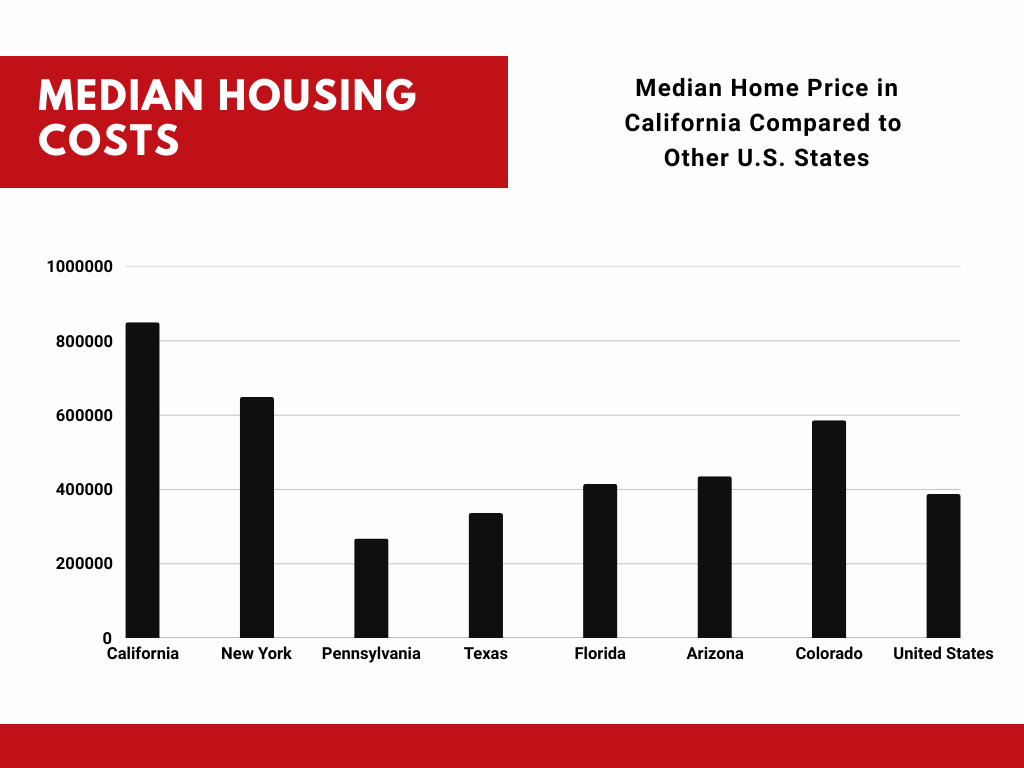
The most significant contributor to California’s high cost of living is undoubtedly its housing market. Both for purchase and rental, accommodation in many parts of the state far exceeds national averages, creating substantial barriers for individuals and families seeking a long-term stay.
Supply and Demand Imbalance
At its core, the exorbitant cost of accommodation in California is a classic case of supply failing to meet demand. The state’s population has consistently grown, fueled by economic opportunities and a desirable climate. However, the construction of new housing units has lagged significantly behind this growth for decades. Various factors contribute to this persistent deficit:
- Geographical Constraints: Much of California’s most desirable land, particularly along the coast and in major metropolitan areas, is geographically limited. The Pacific Ocean borders the west, mountains and national parks define other regions, leaving finite buildable land in high-demand zones like the San Francisco Bay Area and the Los Angeles Basin.
- Infrastructure Strain: Existing infrastructure, including roads, public transit, and utilities, is often already strained in urban centers. Expanding it to support dense new developments is costly and complex, adding another layer of challenge to increasing housing supply.
- Legacy of Underbuilding: For several decades, local governments, influenced by NIMBY (Not In My Backyard) sentiment and concerns about urban sprawl, have often restricted new construction, particularly multi-family housing. This historical underbuilding has created a massive cumulative deficit that is difficult to overcome quickly.
This chronic shortage means that competition for available properties, whether for rent or purchase, is intense, driving prices ever upward.
Desirable Locations and Premium Property Values
California is home to some of the world’s most desirable locations, offering unparalleled access to natural beauty, cultural attractions, and economic hubs. This desirability translates directly into premium property values. Cities like San Francisco, Los Angeles, San Jose, and San Diego consistently rank among the most expensive housing markets globally. The allure of living near the beach, working in Silicon Valley, or enjoying the diverse entertainment options of Hollywood creates an intrinsic value for real estate in these areas. This premium isn’t just for luxury properties; even modest apartments and starter homes carry price tags that would be considered exorbitant in many other states.
Regulatory Hurdles and Development Costs
Beyond simple supply and demand, a significant portion of California’s accommodation expense is baked into the cost of construction itself, heavily influenced by the state’s regulatory environment.
Stringent Zoning Laws and Environmental Regulations
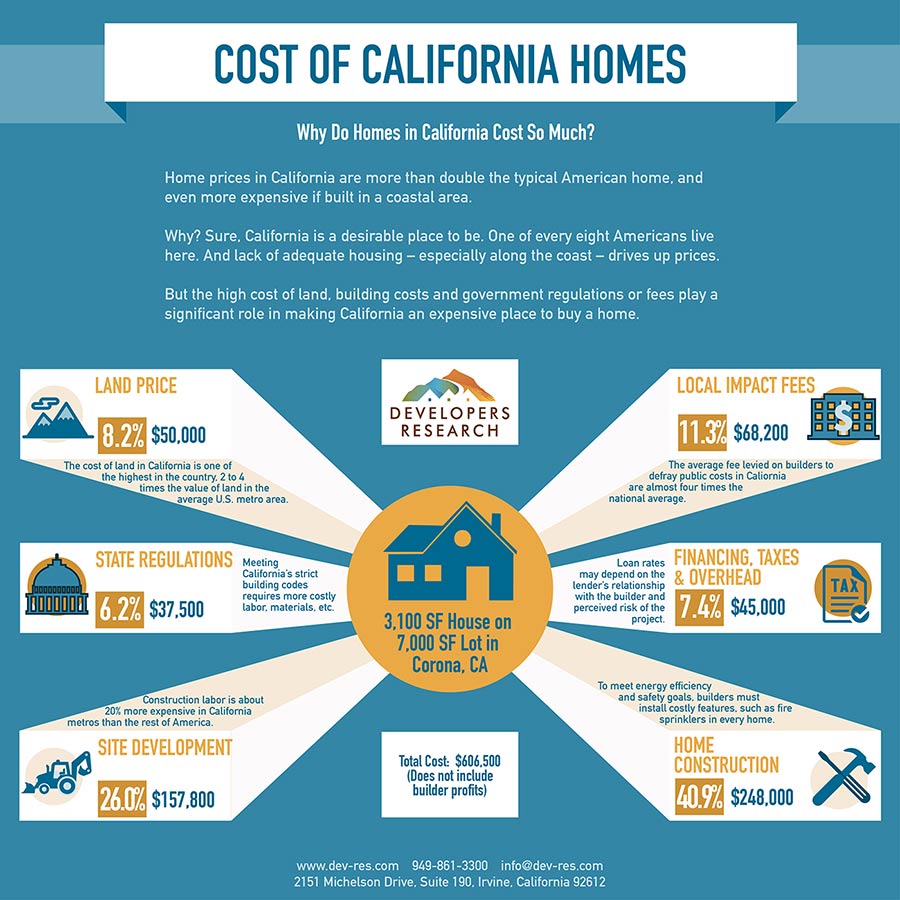
California has some of the nation’s most comprehensive and often complex zoning laws and environmental regulations. While many of these regulations serve vital purposes—protecting natural resources, mitigating seismic risks, and ensuring sustainable development—they inevitably add to the time and expense of building new housing.
- Zoning Restrictions: Many areas are zoned primarily for single-family homes, making it difficult to build denser, more affordable multi-family housing options. Obtaining variances or re-zoning approvals is a lengthy and costly process, often met with local opposition.
- Environmental Impact Reports (EIRs): Projects often require extensive environmental impact reviews under the California Environmental Quality Act (CEQA). These reports can take years to complete and cost hundreds of thousands, if not millions, of dollars, adding significantly to pre-construction expenses.
- Building Codes and Standards: California has rigorous building codes, particularly concerning seismic safety and energy efficiency. While these ensure structural integrity and reduce long-term operating costs, they require more expensive materials and specialized labor during construction.
These regulatory burdens act as a deterrent for developers, making it less attractive to build and more expensive when they do, ultimately passing costs on to the end-user, whether through higher purchase prices or increased rents.
Labor and Material Expenses
The cost of construction labor in California is generally higher than in many other parts of the U.S., reflecting the overall high cost of living in the state. Skilled tradespeople, construction workers, and engineers command higher wages to afford to live in the areas where they work. Additionally, the increasing cost of raw materials, exacerbated by global supply chain issues, further inflates construction budgets. Developers must also account for various fees and taxes levied by local and state governments, all of which contribute to the final price tag of a new home or apartment unit.
Economic Vibrancy and Influx of High-Income Earners
California’s economic prowess, particularly in the tech and innovation sectors, is a double-edged sword when it comes to long-term accommodation.
Tech Boom and Job Market
The rise of Silicon Valley and Hollywood, alongside robust agricultural and manufacturing sectors, has created an incredibly strong job market. This attracts talented individuals from across the globe, many of whom command high salaries. The influx of high-income earners, particularly in tech hubs like San Francisco and San Jose, creates intense competition for accommodation. Landlords and sellers naturally cater to those who can afford higher prices, effectively pushing out lower and middle-income residents. This phenomenon is a primary driver of gentrification and has reshaped the demographics of many California communities.
Income Disparity and Affordability Crisis
While California boasts some of the wealthiest individuals and highest average incomes in the nation, it also faces a significant income disparity. Many essential workers, public servants, and service industry employees earn wages that simply cannot keep pace with the escalating cost of accommodation. This creates an ongoing affordability crisis, forcing many to commute long distances from more affordable areas, live in overcrowded conditions, or leave the state entirely. The struggle to secure safe, stable, and affordable long-term housing is a daily reality for a substantial portion of California’s workforce.
Lifestyle Demands and Regional Variations
The perceived “lifestyle” associated with California also plays a subtle role in its high accommodation costs, along with distinct regional differences.
Urban Amenities and High Demand
Living in California’s major metropolitan areas often means access to world-class dining, entertainment, cultural institutions, and vibrant communities. The desire for this urban lifestyle, coupled with proximity to employment centers, drives up demand for properties in these areas. People are often willing to pay a premium for the convenience, amenities, and opportunities that come with living in a bustling city. This demand extends beyond just housing itself, influencing the cost of everything from property taxes to maintenance services, all of which factor into the true long-term cost of accommodation.
Coastal vs. Inland Costs
While California is expensive overall, it’s crucial to acknowledge the significant regional variations in accommodation costs. Coastal regions, particularly within an hour’s drive of major job centers like San Francisco, Los Angeles, and San Diego, command the highest prices. Moving inland to areas like the Central Valley or more rural counties generally offers more affordable options. However, even these areas have seen significant price increases as people are pushed out of coastal cities, seeking cheaper long-term stays. This means that even if one opts for a more “affordable” region, the cost may still be higher than equivalent areas in other states, and the trade-off often involves longer commutes and fewer local amenities.
In conclusion, the expense of securing long-term accommodation in California is a multifaceted issue rooted in a chronic housing shortage, stringent regulations, high development costs, a thriving but unequal economy, and the sheer desirability of its prime locations. For anyone considering a long-term stay in the Golden State, understanding these underlying factors is crucial for navigating its challenging and often disheartening accommodation landscape.
LifeOutOfTheBox is a participant in the Amazon Services LLC Associates Program, an affiliate advertising program designed to provide a means for sites to earn advertising fees by advertising and linking to Amazon.com. Amazon, the Amazon logo, AmazonSupply, and the AmazonSupply logo are trademarks of Amazon.com, Inc. or its affiliates. As an Amazon Associate we earn affiliate commissions from qualifying purchases.