
Montana, often dubbed “Big Sky Country,” evokes images of sweeping vistas, rugged mountains, and abundant wildlife. But for many potential visitors, a crucial question looms large: “Is Montana cold?” The answer, like the state’s diverse geography, is multifaceted. While Montana certainly experiences a distinct winter season characterized by cold temperatures and snow, its climate is far from monolithic. Understanding the nuances of Montana’s weather patterns, regional variations, and seasonal shifts is key to planning a successful and enjoyable trip to this remarkable state.
Understanding Montana’s Climate
Montana’s climate is broadly classified as a continental climate, meaning it experiences significant temperature variations between seasons and even between day and night. This is primarily due to its inland location, far from the moderating influence of large bodies of water. Factors like elevation, proximity to mountain ranges, and latitude all play a significant role in shaping the weather experienced across the state.
Seasonal Temperature Variations
Summers in Montana are generally warm to hot, with daytime temperatures often reaching into the 70s and 80s Fahrenheit, and sometimes exceeding 90°F, especially in lower elevation areas. Nights, however, tend to cool down considerably, offering a welcome respite from the daytime heat. Spring and autumn are transitional seasons, often marked by unpredictable weather. Early spring can still bring late snowfalls, while autumn can quickly transition from mild, crisp days to frosty mornings.
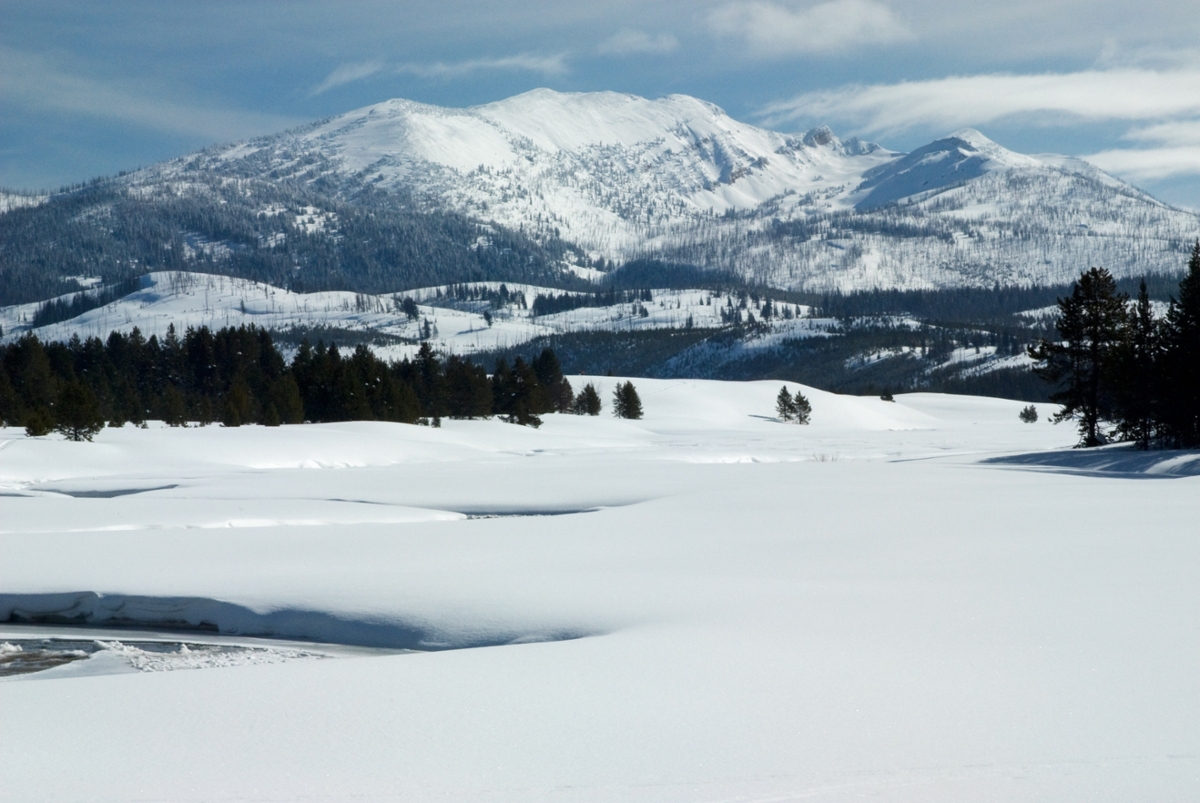
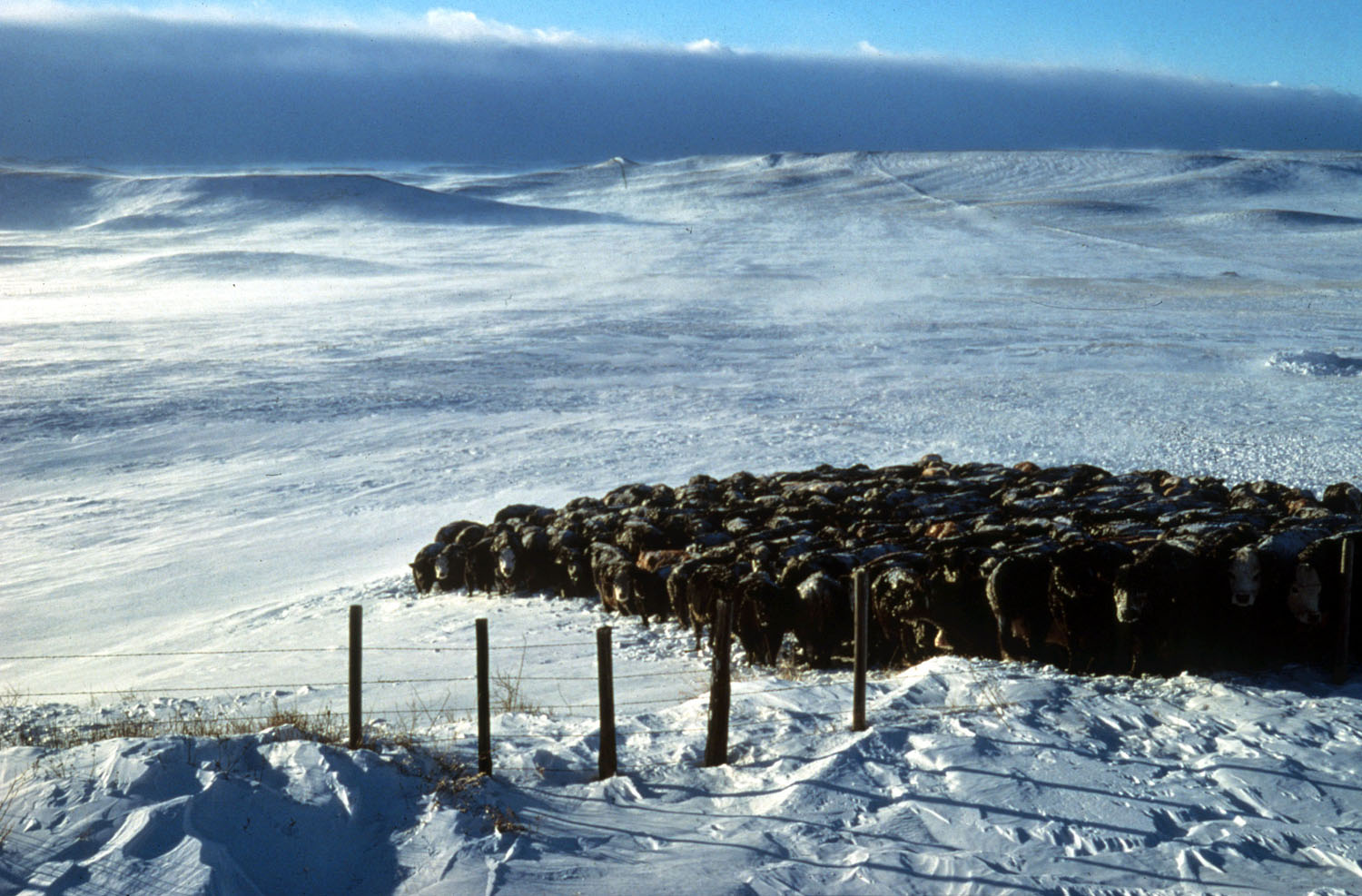
Winter is undeniably the coldest season. Average daily temperatures in January, the coldest month, typically hover between 15°F and 30°F in many populated areas. However, “average” can be misleading. Montana is known for its cold snaps, where temperatures can plummet to -20°F and below, often accompanied by brisk winds that exacerbate the chill. Snowfall is a significant feature of Montana winters, blanketing much of the state and providing a picturesque backdrop for winter activities.
Regional Climate Differences
The vastness of Montana means that weather can vary dramatically from one region to another.
Western Montana
Western Montana, encompassing areas like Glacier National Park and the cities of Missoula and Kalispell, is heavily influenced by the Rocky Mountains. This region generally experiences more snowfall and colder winters due to its higher elevations and mountainous terrain. The moisture carried by Pacific storms often deposits significant snow in the western ranges. Summers here are typically milder than in the eastern parts of the state.
Central Montana
Central Montana, including areas around Great Falls and the Missouri River breaks, tends to have a more classic continental climate. Winters here can be quite cold with considerable snow, while summers are warm. This region can experience Chinook winds, which are warm, dry winds that can cause rapid temperature increases in winter, melting snow and bringing temporary relief from the cold.
Eastern Montana
Eastern Montana, part of the Great Plains, generally experiences colder winters and hotter summers than the western regions. The landscape is more open and rolling, with less mountainous influence. Temperatures can fluctuate more dramatically here, and while snowfall occurs, it may not accumulate as deeply or consistently as in the mountainous west. Cities like Billings and Miles City are in this region.
Preparing for Montana’s Winters
For those planning a visit during the winter months, understanding and preparing for the cold is paramount. The key is layering, quality gear, and a respect for the elements.
Essential Winter Gear
- Layering System: This is the most crucial aspect of staying warm. Start with a moisture-wicking base layer (long underwear), add an insulating middle layer (fleece or wool), and top it off with a windproof and waterproof outer layer (a good winter jacket and pants).
- Headwear: A warm hat that covers your ears is essential, as a significant amount of body heat can be lost through the head.
- Handwear: Insulated, waterproof gloves or mittens are a must. Mittens are generally warmer than gloves.
- Footwear: Insulated, waterproof boots with good traction are vital for walking in snow and icy conditions. Bring warm wool or synthetic socks.
- Accessories: Consider a scarf or neck gaiter to protect your face and neck from the wind. Sunglasses are important, even in winter, to combat glare from snow.
Driving in Winter Conditions
Driving in Montana during winter requires caution and preparation.
- Vehicle Preparation: Ensure your vehicle is in good working order. Check tires for adequate tread, ensure the battery is strong, and carry a winter emergency kit. This kit should include blankets, a flashlight, jumper cables, a first-aid kit, non-perishable food, water, and a shovel.
- Road Conditions: Be aware that road conditions can change rapidly. Many highways, especially in mountainous areas, may be subject to temporary closures or require traction devices. Check road conditions with the Montana Department of Transportation before setting out.
- Winter Tires: Consider equipping your vehicle with winter tires for improved traction on snow and ice.
- Flexibility: Be prepared to alter your travel plans if weather conditions become hazardous.
Enjoying Montana’s Seasons
While winter in Montana is undeniably cold, it is also a time of unique beauty and exhilarating activities. Many visitors are drawn to the state specifically for its winter offerings.
Winter Activities
- Skiing and Snowboarding: Montana boasts world-class ski resorts, including Big Sky Resort, Whitefish Mountain Resort, and Bridger Bowl. These destinations offer challenging slopes, stunning scenery, and a true mountain experience.
- Snowshoeing and Cross-Country Skiing: For a more serene winter adventure, explore the numerous trails available for snowshoeing and cross-country skiing. Many national forests and state parks offer groomed trails, providing access to pristine winter landscapes.
- Ice Fishing: For the intrepid angler, ice fishing on Montana’s frozen lakes and rivers can be a rewarding experience.
- Wildlife Viewing: Winter transforms Montana’s wildlife into striking subjects against a snowy backdrop. Elk, deer, and bison are often more visible in lower elevations, and opportunities for spotting wolves or big cats, though rare, increase with tracking conditions.
- Scenic Drives: Even in winter, taking a scenic drive can be breathtaking, with snow-dusted peaks and frozen waterways offering a different perspective of Montana’s natural splendor.
Beyond the Winter Chill
It’s important to remember that Montana is a year-round destination.
- Spring: As the snow melts, Montana bursts into life. Rivers swell with runoff, wildflowers begin to bloom, and the wildlife becomes active. It’s a beautiful time for hiking, fishing, and experiencing the transition from winter to summer.
- Summer: This is peak season for many. Warm temperatures are ideal for exploring Yellowstone National Park, hiking in the mountains, kayaking on pristine lakes, and enjoying the vibrant local festivals and events.
- Autumn: Montana in the fall is a spectacle of color. The aspen and cottonwood trees turn brilliant shades of gold and red, creating stunning vistas. The crisp air is perfect for hiking, and it’s also a popular time for hunting.
Conclusion: Embracing the Montana Experience
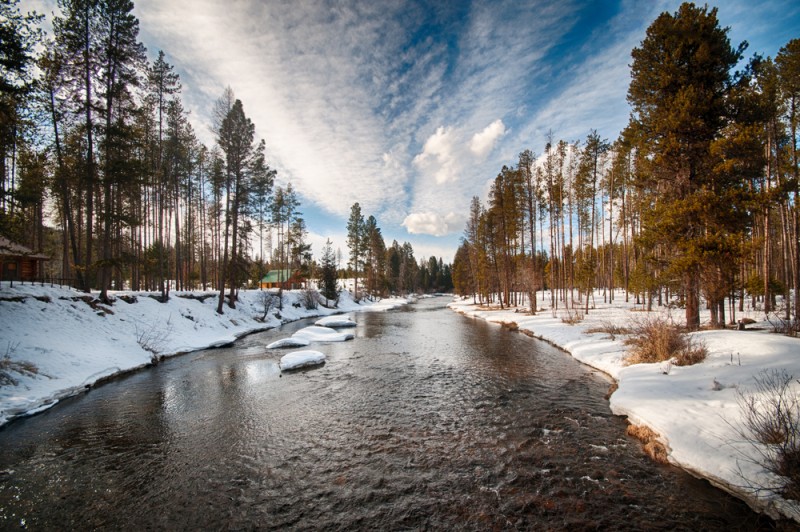
So, “Is Montana cold?” Yes, during its winter months, it can be exceptionally cold, with conditions that demand respect and preparation. However, to define Montana solely by its cold would be to miss the vastness and beauty of its other seasons. Its climate is dynamic and varied, offering distinct experiences throughout the year. Whether you’re drawn by the allure of snow-covered peaks and thrilling ski slopes, or the warm embrace of summer sunshine and endless hiking trails, Montana offers a profound connection with nature. With the right planning and an understanding of its climatic character, any season in Montana promises an unforgettable adventure in “Big Sky Country.”
LifeOutOfTheBox is a participant in the Amazon Services LLC Associates Program, an affiliate advertising program designed to provide a means for sites to earn advertising fees by advertising and linking to Amazon.com. Amazon, the Amazon logo, AmazonSupply, and the AmazonSupply logo are trademarks of Amazon.com, Inc. or its affiliates. As an Amazon Associate we earn affiliate commissions from qualifying purchases.