
Navigating the financial aspects of any trip is a crucial part of travel planning, and understanding local taxation is paramount. For those venturing to the Grand Canyon State, a common question arises: “Is There Sales Tax In Arizona?” The answer is a resounding yes, but with a nuance that significantly impacts travelers and residents alike. Arizona operates under a Transaction Privilege Tax (TPT), which is essentially a sales tax, but its application and collection differ from many other states. This guide will delve into the intricacies of Arizona’s TPT, clarifying how it affects your purchases, dining experiences, and accommodations, ensuring you can budget effectively and travel with confidence.
Understanding Arizona’s Transaction Privilege Tax (TPT)
While commonly referred to as sales tax, Arizona officially designates it as Transaction Privilege Tax (TPT). This distinction is significant because, unlike a typical sales tax levied on the consumer at the point of sale, TPT is technically a tax on the privilege of doing business in the state. However, for practical purposes, businesses are permitted to pass this tax on to their customers, making it function very similarly to a sales tax for the end consumer. This means that when you purchase goods or services in Arizona, you will generally see an added percentage to your bill, representing the TPT.
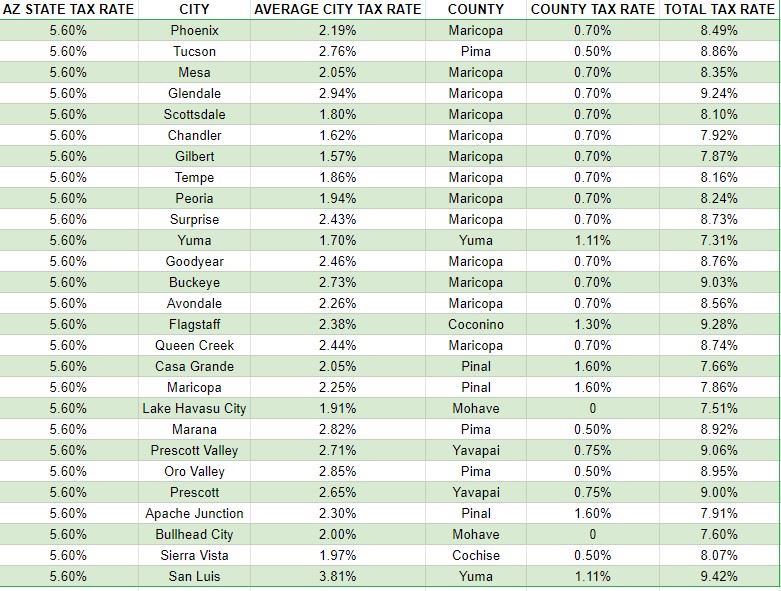
The TPT rate is not uniform across the entire state. It is comprised of a state TPT rate and local TPT rates, which vary significantly from one city or town to another. This means the total tax you pay on a purchase in Phoenix might be different from the total tax you pay in Tucson or a smaller rural community. Understanding these rates is key to accurately estimating your travel expenses.
State TPT Rate
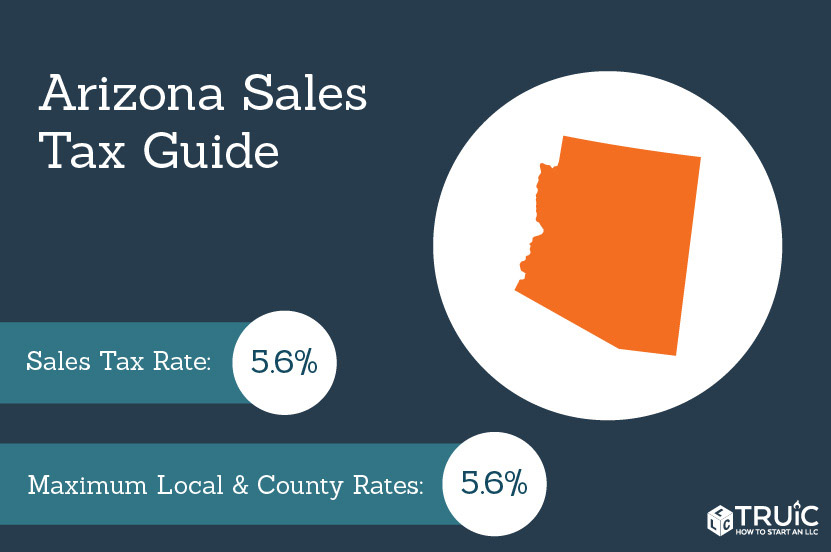
Arizona levies a base state TPT rate on a wide range of goods and services. This rate is applied uniformly across all incorporated cities and towns within the state. The Department of Revenue sets and updates these rates, so it’s always advisable to check the most current figures if precise calculations are needed. For most retail sales, this state rate forms the foundation of the TPT you will encounter.
Local TPT Rates
Beyond the state rate, each incorporated city and town in Arizona is authorized to impose its own TPT. These local rates are added to the state rate, creating the final TPT percentage applied to transactions within that specific jurisdiction. The variation in local rates is considerable, reflecting the diverse fiscal needs and policies of different municipalities. For instance, a bustling tourist hub like Scottsdale might have a higher combined TPT rate than a more remote area.
It’s crucial for businesses operating in Arizona to understand the specific local TPT rates for every jurisdiction they conduct business in. For travelers, this means being aware that the advertised price of an item or service might not be the final price you pay, as the local TPT will be added.
Taxable vs. Non-Taxable Transactions
While TPT applies to a broad spectrum of goods and services, there are notable exceptions. Understanding what is taxable and what is not can help you make informed purchasing decisions.
-
Taxable Transactions: Generally, most retail sales of tangible personal property are subject to TPT. This includes clothing, electronics, souvenirs, groceries (though specific exemptions can apply), and many other consumer goods. Services are also frequently taxed, with common examples including repair services, construction contracting, hotel occupancy, and admissions to places of amusement.
-
Non-Taxable Transactions: Certain essential goods and services are often exempt from TPT. For example, prescription medications are typically not taxed. In some instances, basic necessities like unprepared food items might also be exempt or taxed at a reduced rate. Business-to-business transactions, especially those involving manufacturing or reselling tangible personal property, can also have specific exemptions. It is essential to consult official Arizona Department of Revenue resources or a tax professional for definitive guidance on specific exemptions.
TPT Implications for Travelers
For visitors to Arizona, understanding TPT primarily impacts your budget for everyday expenses, from dining out to souvenir shopping and booking accommodations.
Shopping and Dining
When you’re exploring the vibrant shopping districts of Phoenix or browsing the unique boutiques in Sedona, remember that the price tag often doesn’t include the TPT. The final amount you pay at the register will be higher due to the combined state and local TPT rates. Similarly, restaurant bills will reflect TPT on food and beverages, as well as any service charges. For a quick meal at a fast-food establishment or a fine dining experience in a Scottsdale resort, the TPT is an additional cost to factor in.
Accommodation and Lodging
One of the most significant areas where TPT impacts travelers is in lodging. When you book a hotel room, a vacation rental, or a stay at a resort, the nightly rate is subject to TPT. This tax is applied to the room rate itself, and depending on the municipality, there might be additional local taxes or fees. For example, staying at a luxury resort in Paradise Valley will include TPT on your room charge, contributing to the overall cost of your vacation. Understanding these taxes is crucial when comparing hotel prices across different cities or resorts, such as comparing the W Scottsdale with a hotel in Flagstaff.
Car Rentals and Transportation
Car rental services in Arizona are also subject to TPT. The rental fees themselves will have TPT added, increasing the overall cost of renting a vehicle for your road trip through the state. While public transportation in major cities like Phoenix or Tucson might not have direct TPT applied to fares, services like ride-sharing may incur TPT depending on local regulations.
Special Considerations and Exemptions for Tourists
While TPT is a general rule, there are specific circumstances that might affect tourists.
Non-Resident Exemptions
Generally, there are no broad sales tax exemptions for non-residents making purchases in Arizona. Tourists are subject to the same TPT rules as residents for most retail transactions. However, specific exemptions might apply to certain types of purchases or for businesses that ship goods out of state, though these are less common for typical tourist purchases.
Resale Certificates
For businesses purchasing goods for resale, Arizona offers resale certificates. This allows businesses to purchase inventory without paying TPT, as the tax will be collected from the final consumer. This is primarily relevant for businesses operating within Arizona, not for individual tourists buying souvenirs.
Manufacturing and Research & Development Exemptions
Arizona has specific TPT exemptions and credits designed to encourage certain industries, such as manufacturing and research and development. While these are not directly applicable to typical tourist spending, they contribute to the overall business climate of the state and can indirectly influence the availability and cost of goods and services.
Navigating Arizona’s TPT for a Smooth Trip
To ensure a seamless and financially predictable experience in Arizona, keep the following in mind:
- Budget Accordingly: Always factor in an additional percentage for TPT when estimating the cost of purchases, meals, and accommodations. The exact percentage will depend on the specific city or town you are visiting.
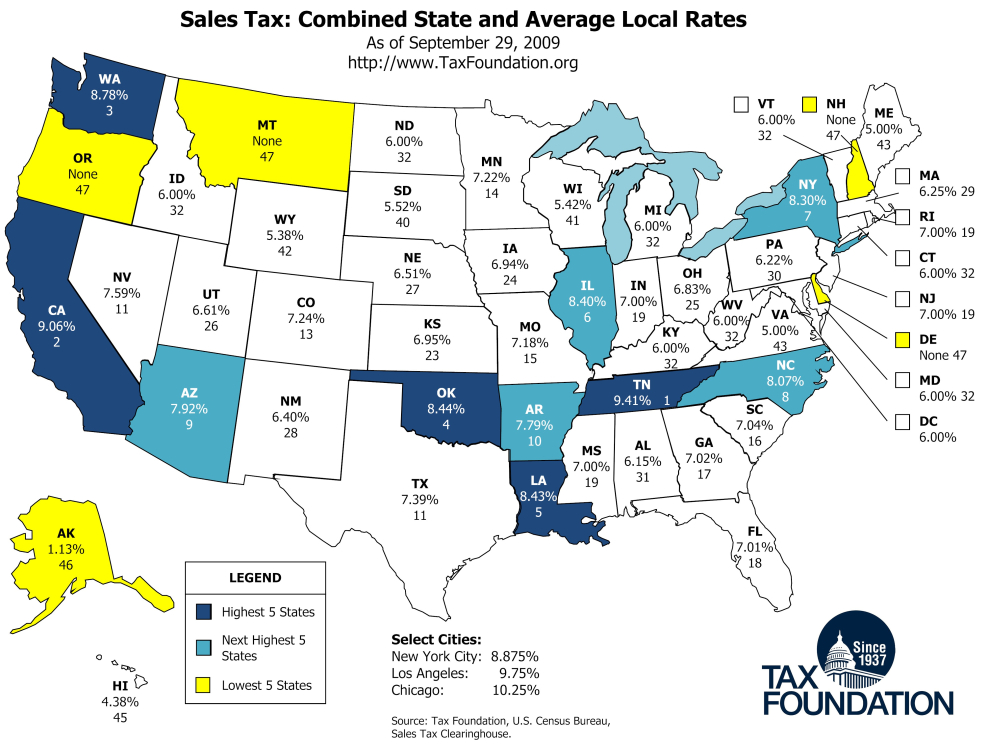
- Research Local Rates: If you are planning a trip to a specific area and want to be precise with your budgeting, research the combined state and local TPT rates for that jurisdiction. The Arizona Department of Revenue website is a valuable resource for this information.
- Be Aware of Your Receipts: When making purchases, review your receipts to see how TPT is itemized. This can help you understand the tax structure and verify the amounts charged.
- Understand Specific Industries: For travelers who are also business owners or making significant purchases, it’s worth understanding if any specific industry exemptions might apply, although this is rare for typical tourist activities.
In conclusion, while Arizona employs the Transaction Privilege Tax (TPT) rather than a conventional sales tax, for the vast majority of travelers, it functions in much the same way. An additional percentage will be added to most of your purchases, dining, and lodging expenses. By understanding the state and local components of TPT and being mindful of its application, you can effectively plan your budget and enjoy all that the beautiful state of Arizona has to offer, from the natural wonders of the Grand Canyon to the urban attractions of Tempe and beyond.
LifeOutOfTheBox is a participant in the Amazon Services LLC Associates Program, an affiliate advertising program designed to provide a means for sites to earn advertising fees by advertising and linking to Amazon.com. Amazon, the Amazon logo, AmazonSupply, and the AmazonSupply logo are trademarks of Amazon.com, Inc. or its affiliates. As an Amazon Associate we earn affiliate commissions from qualifying purchases.